Braga Old Town Architecture: A Timeless Portuguese Guide
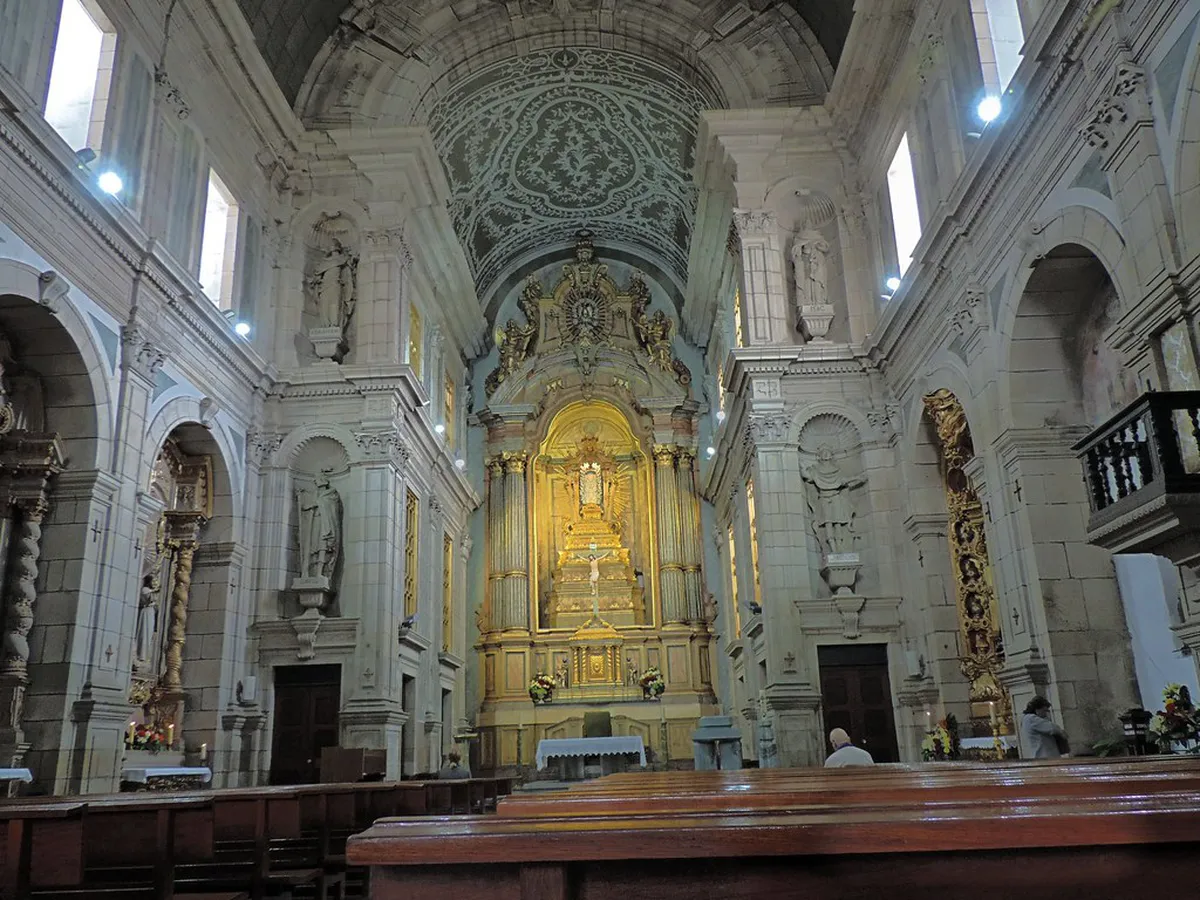
Table of Contents
Braga old town architecture offers a magnificent journey. Its long history dates back to Roman origins. You will find a rich tapestry of architectural styles here. Discover Braga's historic center guide for a fascinating journey through time.
A Tapestry of Braga Old Town Architectural Styles
Braga's architecture tells a long story. It spans over two millennia of history. You will see Roman foundations and medieval structures. Renaissance elegance also marks the city's past.
The city's earliest influences are Roman. Remnants of ancient Bracara Augusta remain. Later, Romanesque and Gothic styles emerged. These forms shaped early religious buildings.
While less dominant, Renaissance details appear. They often blend with earlier styles. Look closely at certain doorways and facades. These elements hint at evolving tastes.
Braga truly shines with its Baroque architecture. This flamboyant style defines many city landmarks. Elaborate churches and grand palaces are common. They showcase Portugal's Golden Age.
Neoclassical additions provide a contrast. Simpler lines and classical motifs are present. This blend creates a unique visual experience. Consider a self-guided walking tour to appreciate each era.
The Enduring Grandeur of Braga Cathedral (Sé de Braga)
The Braga Cathedral, or Sé de Braga, is a masterpiece. Construction began in 1070. It represents the oldest cathedral in Portugal. This site is central to the city's identity.
Its initial design was Romanesque. Over centuries, many additions occurred. You can observe Gothic chapels and a Manueline cloister. Each era left its distinct mark here.
Inside, Baroque altarpieces captivate visitors. The rich carvings and gold leaf impress. Two magnificent organs stand as proud features. They highlight the cathedral's artistic evolution.
Visiting the Sé is a must in 2026. The cathedral is generally open daily. A small fee of around €2-€3 applies for some chapels or the treasury. Check current opening times before your visit.
Allow ample time to explore its vast complex. Dress respectfully for a religious site. This includes covering shoulders and knees. Photography is usually permitted without flash.
Baroque Brilliance in Braga's City Center
Braga is often called the 'Rome of Portugal'. This nickname comes from its Baroque churches. The 17th and 18th centuries saw a building boom. Wealth from overseas fueled this artistic explosion.
Notable examples include the Church of Congregrados. Its impressive facade dominates a main square. The Church of Santa Cruz showcases intricate stonework. Its interior boasts stunning gilded carvings.
The Archbishop's Palace is another gem. The Paço Episcopal Bracarense features grand courtyards. Its distinct Baroque wings are truly remarkable. They reflect the city's ecclesiastical power.
Key architects shaped this era. André Soares was a prominent figure. His designs are recognizable throughout Braga. Carlos Amarante also contributed significant works.
Exploring these sites offers deep insight. You will understand Braga's rich past. Discover more about Baroque architecture in Braga. Its legacy remains vibrant today.
Historic Plazas and Secular Buildings of Braga
Braga's architecture extends beyond churches. Many secular buildings are equally impressive. They reveal daily life through the centuries. Public squares are often surrounded by these structures.
Praça da República, or Arcada, is a central hub. It features a beautiful arcaded building. This area buzzes with activity. Historic cafes invite you to relax and observe.
The Fountain of the Idol (Fonte do Ídolo) is unique. It's a fascinating Roman monument. This ancient fountain dates back to the 1st century AD. It offers a glimpse into Braga's origins.
Casa dos Crivos showcases traditional housing. Its intricate wooden latticework stands out. This style protected residents' privacy. It is a rare and beautiful architectural example.
Explore these vibrant historic plazas. They are perfect for soaking in the atmosphere. Many feature statues and ornate fountains. These spots offer excellent photo opportunities.
Planning Your 2026 Architectural Exploration
The best time to visit Braga is spring or fall. From April to June offers pleasant weather. September and October also provide comfortable conditions. Fewer crowds make for better viewing.
Walking is the best way to explore. Braga's old town is pedestrian-friendly. Wear comfortable shoes for cobbled streets. Many key sites are within easy reach.
Consider booking accommodation in the historic center. This allows easy access to attractions. Many charming guesthouses are available. Book well in advance for peak seasons in 2026.
Guided tours offer deeper insights. Local experts share fascinating stories. They can highlight hidden architectural details. This enhances your overall experience greatly.
Many sites offer free entry. Some museums or specific chapels charge a small fee. Always carry some euros for these costs. Enjoy a coffee break at a historic café.
Frequently Asked Questions
What is the primary architectural style found in Braga old town?
Braga is most famous for its stunning Baroque architecture. This style is evident in many churches. You will also see it in public buildings. However, Romanesque and Gothic elements are present.
Can I explore Braga's historic architecture on a guided tour?
Yes, many operators offer guided tours in Braga. Some tours focus specifically on architecture. They provide context and historical details. Look for dedicated historic district tours. These can greatly enrich your understanding.
Are there Roman architectural remnants still visible in Braga?
Absolutely. Braga was once the Roman city of Bracara Augusta. You can find sections of the old Roman wall. The Fountain of the Idol (Fonte do Ídolo) is also Roman. Archaeological museums showcase more artifacts.
What are some must-see historic buildings in Braga?
The Braga Cathedral (Sé de Braga) is essential. Don't miss the Archbishop's Palace. The Church of Congregrados is also very impressive. Explore the Casa dos Crivos for unique local architecture.
Is Braga's old town architecture accessible for all visitors?
Braga's old town has many pedestrianized areas. Cobbled streets can be challenging for some. Many churches have steps at entrances. Always check specific site accessibility information beforehand.
Braga's old town architecture offers a captivating journey. From ancient Roman ruins to Baroque masterpieces, history comes alive. Plan your 2026 visit to this incredible Portuguese city. Discover its unique charm and timeless beauty. We invite you to explore Braga's rich architectural heritage.
Key Takeaways
- Braga showcases a mix of Roman, Romanesque, Gothic, and dominant Baroque styles.
- The Braga Cathedral (Sé de Braga) is a must-visit for its layered architectural history.
- Many historic buildings like the Archbishop's Palace are free to admire from the exterior.
- Walking is the best way to explore Braga's pedestrian-friendly old town.
- Spring and fall offer the most comfortable weather for architectural exploration in 2026.
Continue exploring Braga's historic quarter
 Braga City Center: Baroque Architecture Guide for 2026December 13, 2025
 Explore Braga's Rich Historical Buildings in 2026December 12, 2025
- Braga Old Town Architecture: A Timeless Portuguese GuideDecember 11, 2025
 Best Historic Cafes in Braga: Your 2026 Coffee GuideDecember 13, 2025
 Explore Best Public Plazas in Braga Old Town 2026December 13, 2025