
Explore Lisbon's Historic Neighborhoods in 2026
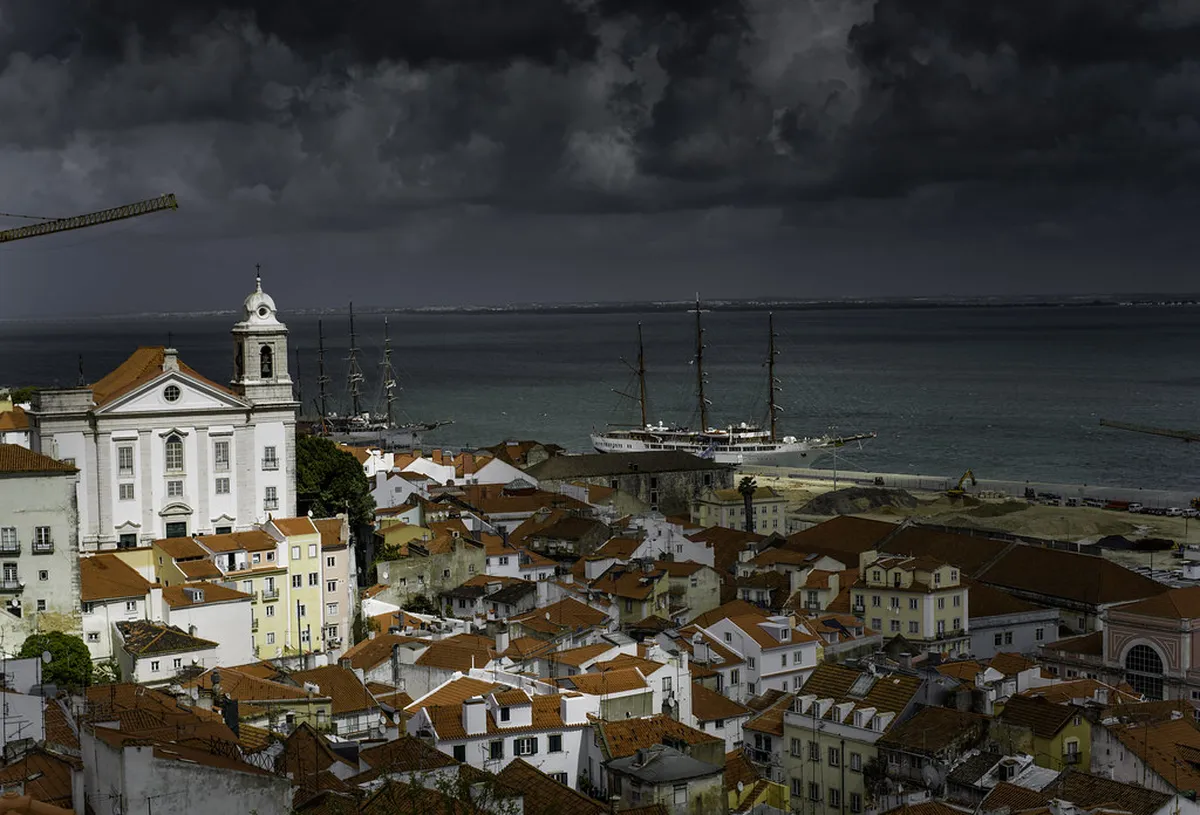
Table of Contents
Lisbon boasts many captivating historic neighborhoods. These areas tell Portugal's rich story. The city offers a unique journey through time. Explore ancient streets in 2026.
You will discover hidden alleys and grand boulevards. Each district offers its own distinct charm. Learn about Lisbon's oldest neighborhoods and vibrant culture. This guide helps you navigate these fascinating places.
Alfama: Lisbon's Oldest Historic Neighborhood
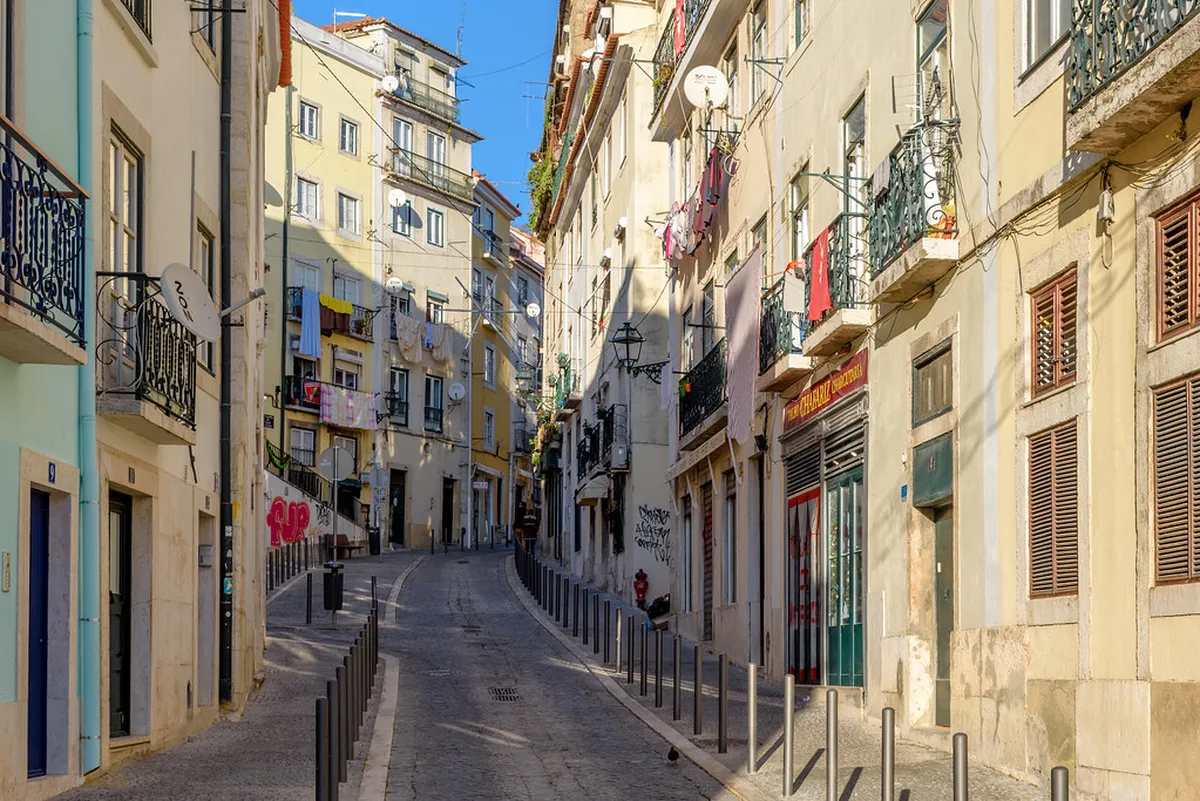
Alfama stands as Lisbon's oldest district. Its labyrinthine streets survived the 1755 earthquake. This charming area feels like a traditional Portuguese village. Wander through narrow cobblestone paths.
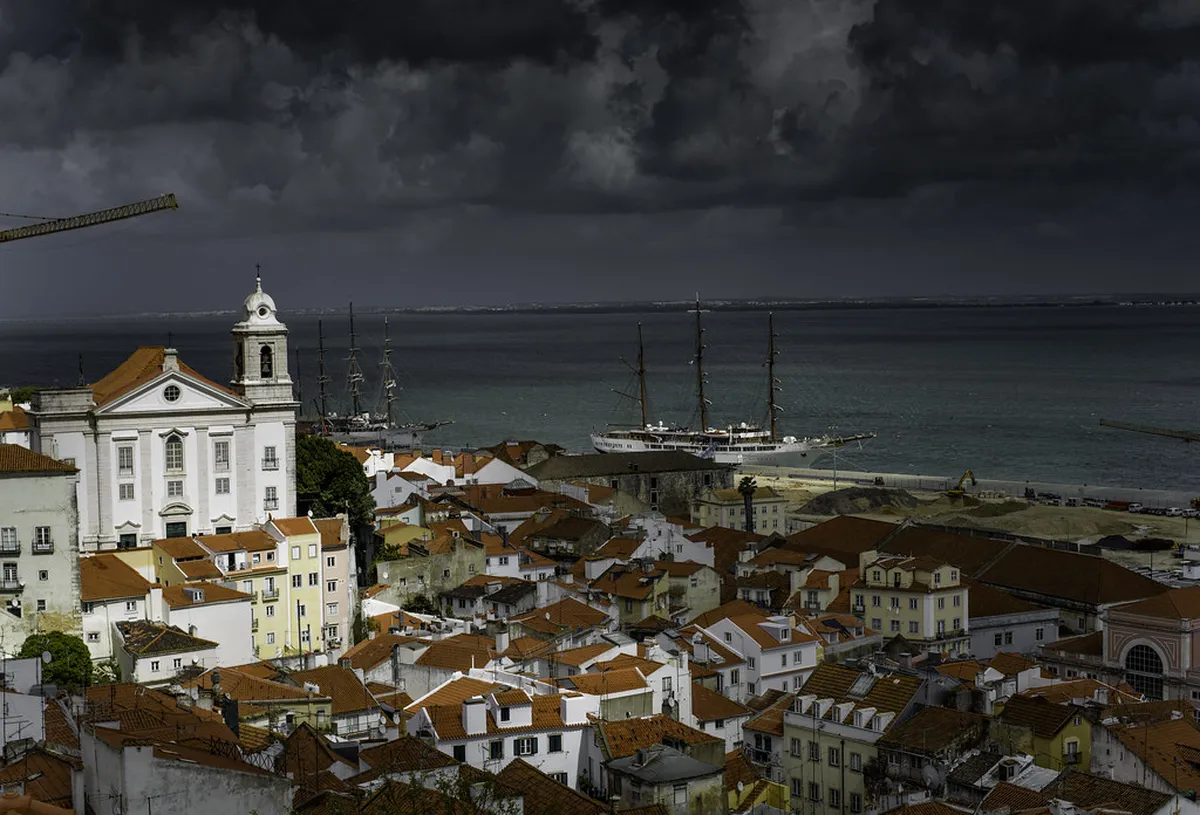
Discover colorful tiled houses and hidden courtyards. Alfama is the birthplace of Fado music. Many small Fado houses host live performances nightly. Enjoy authentic Alfama walking tours to truly experience its magic. Expect to climb many hills here.
Visit the iconic Castelo de São Jorge for panoramic views. The castle typically opens from 9 AM to 6 PM. Ticket prices are around €10 for adults in 2026. Don't miss the São Vicente de Fora Monastery nearby.
Castelo de São Jorge opens at 9 AM daily and adult tickets cost around €10. Arrive early to beat the crowds and secure the best views over Alfama's rooftops.
Explore local craft shops for unique souvenirs. You can find traditional Ginjinha liqueur here. Many small restaurants serve fresh seafood. Immerse yourself in the local way of life. This neighborhood is perfect for early morning strolls.
Baixa: Rebuilt Grandeur and Historic Sights
Baixa was completely rebuilt after the 1755 earthquake. Marquis of Pombal led its reconstruction. This district features a grid-like street plan. It contrasts sharply with Alfama's winding alleys.
Grand squares and neoclassical buildings define Baixa. The Praça do Comércio is a magnificent waterfront square. The Rua Augusta Arch offers stunning views from its top. Ride the historic Elevador de Santa Justa for city vistas.
Baixa is ideal for leisurely walks and shopping. Many pedestrian streets are filled with stores. You can find everything from international brands to local goods. Enjoy exploring Baixa's historic sights on foot. Many cafes offer outdoor seating.
Dine at one of its many traditional restaurants. Expect lunch prices around €15-€25 per person. Visit the historic Santa Justa Elevator. It connects Baixa to Bairro Alto. The views from the top are truly spectacular.
Bairro Alto & Chiado: Vibrant Nightlife and Culture
Bairro Alto transforms after sunset. This historic quarter becomes Lisbon's nightlife hub. Narrow streets fill with music from numerous bars. It's a popular spot for locals and tourists alike.

Bars open late into the night, usually past 2 AM. Expect drinks to cost €5-€10 per serving. Many Fado houses also operate here. This area is best explored in the evening hours. Enjoy the lively atmosphere.
Chiado sits adjacent to Bairro Alto. It is Lisbon's elegant shopping and theater district. Historic cafes like A Brasileira offer a glimpse into the past. Fernando Pessoa, a famous poet, frequented this cafe.
You will find boutique shops and grand theaters. The Carmo Convent ruins are a must-see landmark. This Gothic church was partially destroyed in the 1755 earthquake. Chiado provides a sophisticated contrast to the energetic Bairro Alto nightlife.
Mouraria: The Cradle of Fado and Diversity
Mouraria is one of Lisbon's most multicultural areas. It is widely considered the true birthplace of Fado music. This historic neighborhood has a rich, diverse heritage. Explore its colorful streets and vibrant atmosphere.
Wander through alleys adorned with street art. You will see murals depicting Fado singers. Mouraria offers an authentic glimpse into local life. Discover hidden gems and traditional eateries. This area provides a unique cultural experience.
Visit small, family-run restaurants for authentic cuisine. Try local dishes like Bacalhau à Brás. Meal prices are often more affordable here. Expect to pay around €10-€20 for a main course. Many shops sell traditional Portuguese goods.
Take a Mouraria cultural tour to learn its history. Discover the stories of its diverse inhabitants. The neighborhood's rich past includes Moorish influences. Mouraria is truly a melting pot of cultures.
Belém: Age of Discovery and Iconic Landmarks
Belém played a crucial role in Portugal's Age of Discovery. Many explorers departed from its shores. This historic district boasts magnificent monuments. It celebrates Portugal's seafaring legacy.
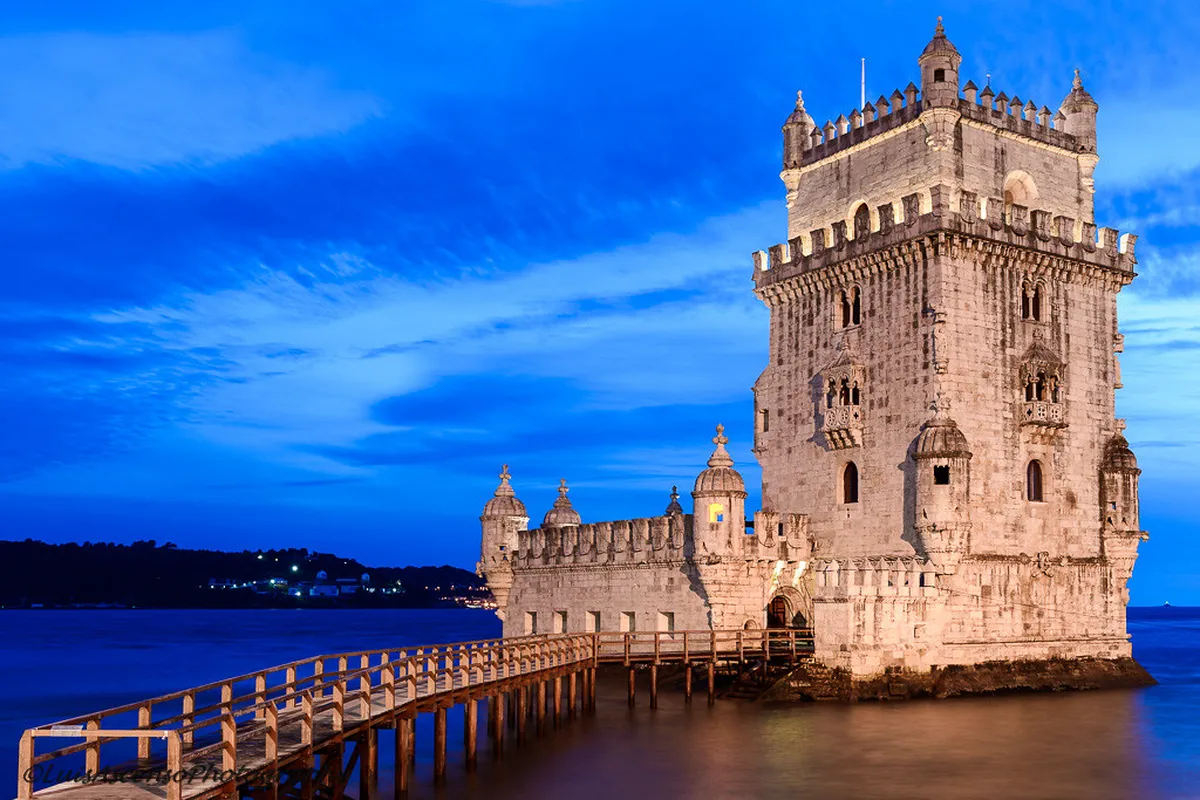
Visit the iconic Belém Tower, a UNESCO World Heritage site. It served as a fortress and a gateway. The Jerónimos Monastery is another stunning landmark. Its intricate Manueline architecture is breathtaking.
Taste the famous Pastéis de Nata at Pastéis de Belém. This historic bakery has perfected the recipe since 1837. Expect long lines, especially in 2026. The wait is truly worth it for these delicious pastries.
Pastéis de Belém draws very long queues, especially on weekends in peak season. Visit first thing in the morning or on a weekday afternoon to keep your wait to a minimum.
Explore the Monument to the Discoveries along the riverfront. It honors Portugal's explorers and their contributions. Belém offers a mix of history and delicious treats. Allow at least half a day to fully explore this area.
| Neighborhood | Highlight Landmark | Entry / Cost | Opening Hours | Best Time to Visit |
|---|---|---|---|---|
| Alfama | Castelo de São Jorge | ~€10 (adults) | 9 AM – 6 PM | Early morning |
| Baixa | Rua Augusta Arch / Santa Justa Elevator | €15–€25 (lunch) | All day | Daytime stroll |
| Bairro Alto / Chiado | Carmo Convent ruins | €5–€10 (drinks) | Evening – past 2 AM | Evening / night |
| Mouraria | Fado street-art alleys | €10–€20 (meal) | All day | Afternoon |
| Belém | Jerónimos Monastery / Belém Tower | UNESCO site (entry fee varies) | All day | Half-day visit |
Frequently Asked Questions
Which historic neighborhoods are best for experiencing traditional Fado music in Lisbon?
Alfama and Mouraria are prime locations for Fado. These areas are the birthplace of Fado music. You will find many small, intimate Fado houses. Bairro Alto also offers some Fado venues.
Consider booking a dinner show for a full experience. Prices can range from €40-€70 per person. Research venues in advance for the best experience. Some Fado houses require reservations.
What is the best way to explore Lisbon's historic neighborhoods like Alfama?
Walking is the absolute best way to explore. Wear comfortable shoes for cobblestone streets. Consider riding the historic Tram 28 for scenic routes. It passes through many historic areas.
Public transport like the metro is also efficient. Taxis and ride-shares are readily available. However, many alleys are pedestrian-only. Enjoy getting lost in the charming streets.
Are there any specific cultural events in Lisbon's historic areas during 2026?
Lisbon celebrates the Festas de Lisboa in June. These traditional festivities occur across various neighborhoods. Alfama, Mouraria, and Bairro Alto are especially vibrant. Expect street parties, grilled sardines, and music.
Check local listings for specific dates and events. Cultural centers often host unique performances. Many historic churches also have special services. These events offer deep cultural immersion.
What are the must-see attractions in the Belém historic district of Lisbon?
Belém offers several iconic attractions. The Jerónimos Monastery is a stunning UNESCO site. The Belém Tower symbolizes Portugal's maritime power. Don't forget the Monument to the Discoveries.
Indulge in the famous Pastéis de Belém. These custard tarts are a culinary highlight. Explore the nearby Maritime Museum for more history. Belém's historic attractions provide a rich experience. Allow ample time for your visit.
Lisbon's historic neighborhoods offer an unparalleled journey. Each district reveals a unique chapter of the city's past. From Alfama's ancient alleys to Belém's grand monuments, there's so much to uncover. Plan your adventure through these captivating areas.
Immerse yourself in vibrant culture and rich history. Discover local insights and practical tips. Lisbon in 2026 promises an unforgettable experience. Start planning your exploration today.
Key Takeaways
- Wear comfortable shoes for Lisbon's hilly, cobbled streets.
- Utilize public transport like Tram 28 to navigate historic districts.
- Book Fado shows and popular attractions like Castelo de São Jorge in advance.
- Taste local delicacies such as Pastéis de Nata and Ginjinha.
Continue exploring Lisbon's historic quarter
- Explore Lisbon's Historic Neighborhoods in 2026December 13, 2025
 Planning Your Lisbon Historic District Visit in 2026December 13, 2025
 Alfama One Day Itinerary: 9 Essential Stops and TipsJune 19, 2026