Lisbon's Oldest Neighborhoods: Historic Facts for 2026
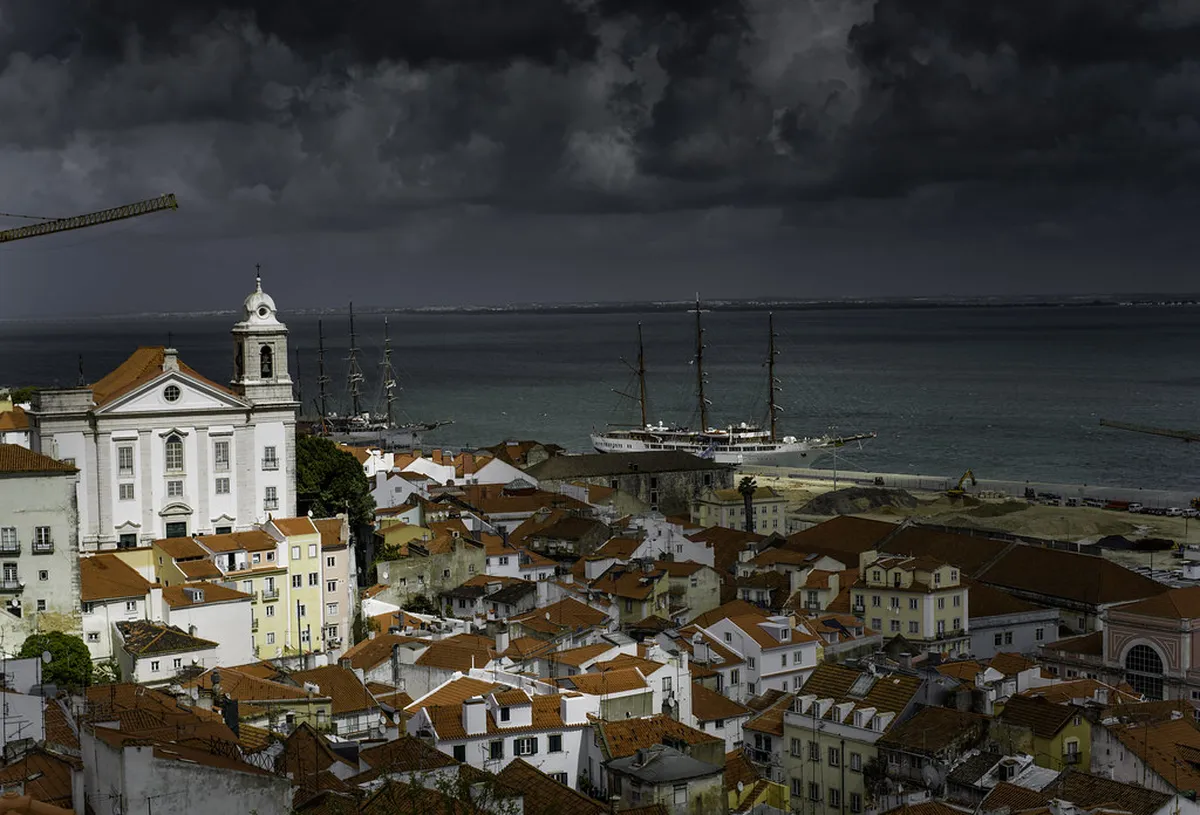
Table of Contents
Lisbon, Portugal's vibrant capital, boasts a rich history. Its charming, winding streets tell tales of centuries past. Exploring Lisbon's oldest neighborhoods offers a unique journey. You will uncover fascinating historical facts and local culture. This guide helps you navigate these ancient districts in 2026. Discover the authentic heart of this captivating city. Start your adventure in Lisbon's most historic areas today: Historic Neighborhoods in Lisbon.
Alfama: Lisbon's Soul and Oldest Quarter
Alfama stands as Lisbon's most ancient district. It survived the devastating 1755 earthquake largely intact. This historic area preserves a labyrinthine street layout. Moorish influences are still visible everywhere.
Wander through narrow alleys and charming squares. You will discover hidden courtyards and traditional houses. Alfama is the birthplace of Fado music. Many authentic Fado restaurants can be found here. Experience a truly unique evening.
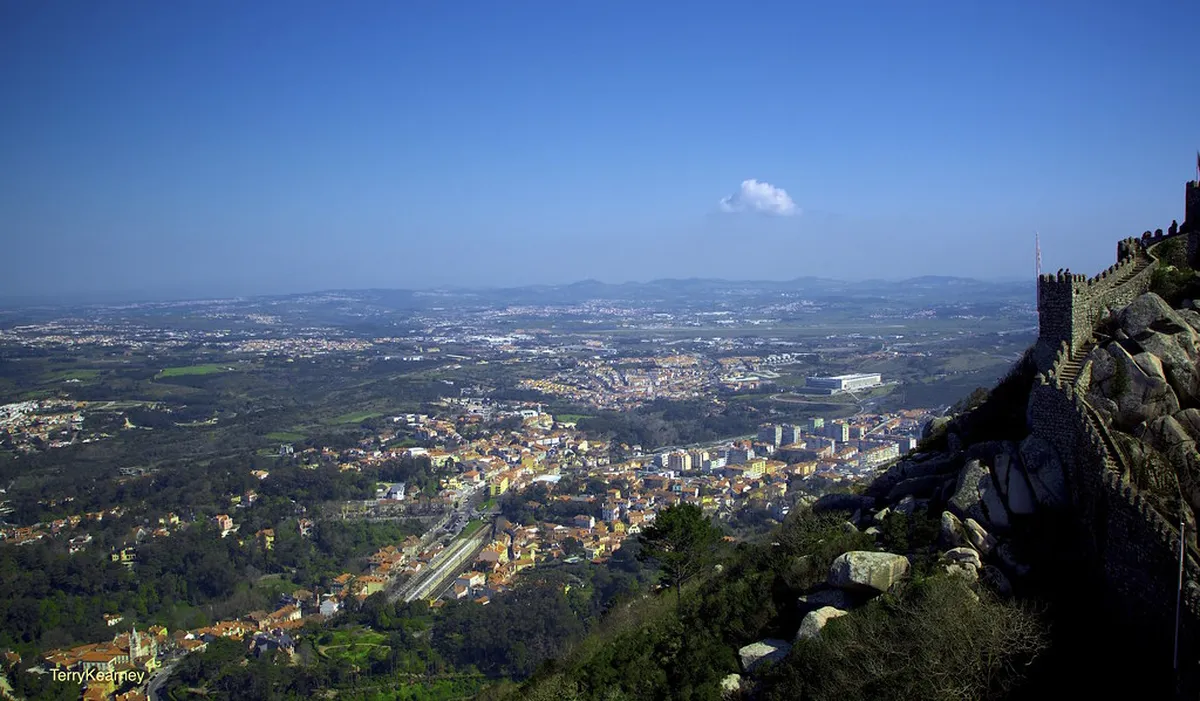
Don't miss the São Jorge Castle perched above Alfama. Its ancient walls offer incredible city views. The Alfama walking tour provides deep historical insights. Look for the Miradouro das Portas do Sol for panoramic photos. Consider visiting in June for the Santo António festivities.
Practical Tip: Wear comfortable shoes for walking. The hills are steep but rewarding. Trams like the historic 28 also pass through. A single ride costs around €3.00 if you buy on board. Purchase a Viva Viagem card for better value.
Buying a Viva Viagem card saves you money on Tram 28 and other Lisbon public transport. A single on-board tram ticket costs around €3.00, but the reloadable card brings the cost down significantly — worth it even for a short stay.
Mouraria: The Cradle of Fado and Diversity
Mouraria is another one of Lisbon's oldest neighborhoods. It was once the Moorish quarter after the Christian reconquest. This district is a melting pot of cultures. Its history is deeply intertwined with Fado music.
Many legendary Fado singers were born here. Today, it remains a vibrant, diverse community. You can still hear Fado echoing from doorways. Explore its colorful streets and unique shops.
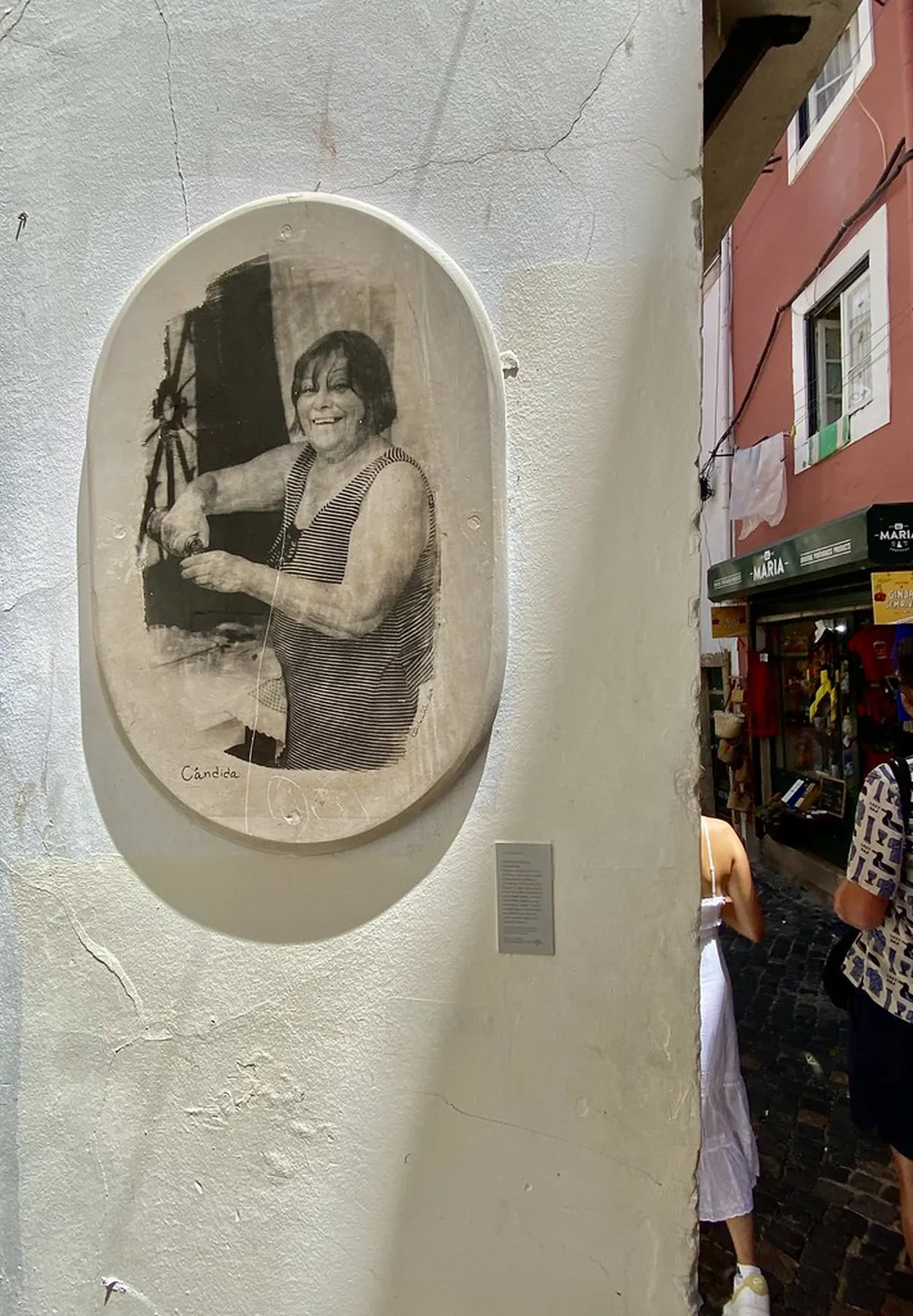
Mouraria showcases beautiful street art and murals. These artworks often depict famous Fado artists. Visit the Largo do Intendente for lively atmosphere. This square hosts various cultural events. Discover Mouraria's cultural highlights for a genuine experience.
Take time to explore its hidden gems. Enjoy diverse culinary offerings. Many small, authentic restaurants serve traditional dishes. Expect meal prices to be around €10-€20 per person. Mouraria offers an unpolished, real Lisbon feel.
São Jorge Castle: Lisbon's Ancient Guardian
High above the city stands São Jorge Castle. This fortress is truly an iconic landmark. Its origins trace back to the 1st millennium BC. Phoenicians, Romans, and Moors occupied the site.
The current structure largely dates from Moorish times. King Afonso Henriques captured it in 1147. This event marked a crucial point in Portuguese history. The castle served as a royal palace for centuries.
Visitors can explore ancient battlements and towers. Peacocks roam freely within its historic walls. The views over Lisbon are simply breathtaking. You can see across the Tagus River to the south.
Entry to the castle costs €15.00 for adults in 2026. It opens daily from 9:00 AM to 6:00 PM (winter) or 9:00 AM to 9:00 PM (summer). Allow at least two hours for your visit. Learn more about Castelo de São Jorge's rich history. Book tickets online to save time during peak season.
| Attraction / Area | Entry Cost (2026) | Opening Hours | Notes |
|---|---|---|---|
| São Jorge Castle | €15.00 adults | 9:00 AM – 6:00 PM (winter) / 9:00 AM – 9:00 PM (summer) | Book online; allow 2+ hours |
| Alfama (neighborhood) | Free to explore | All day | Best on foot; steep hills |
| Mouraria (neighborhood) | Free to explore | All day | Restaurants ~€10–€20/person |
| Tram 28 | ~€3.00 on board | Regular service | Viva Viagem card recommended |
| Baixa shops / Rua Augusta | Free to browse | ~10:00 AM – 7:00 PM | Pastéis de Nata at local cafés |
| Miradouro da Graça | Free | All day | Best at sunset |
São Jorge Castle gets very crowded during peak season (June–September). Book tickets online in advance to avoid long queues at the entrance — walk-up waits can exceed 45 minutes on busy summer days.
Baixa Pombalina: Rebirth from the Ashes
The Baixa district offers a different kind of ancient history. It was meticulously rebuilt after the 1755 earthquake. This area showcases early examples of seismic-resistant construction. Marquês de Pombal oversaw its reconstruction.
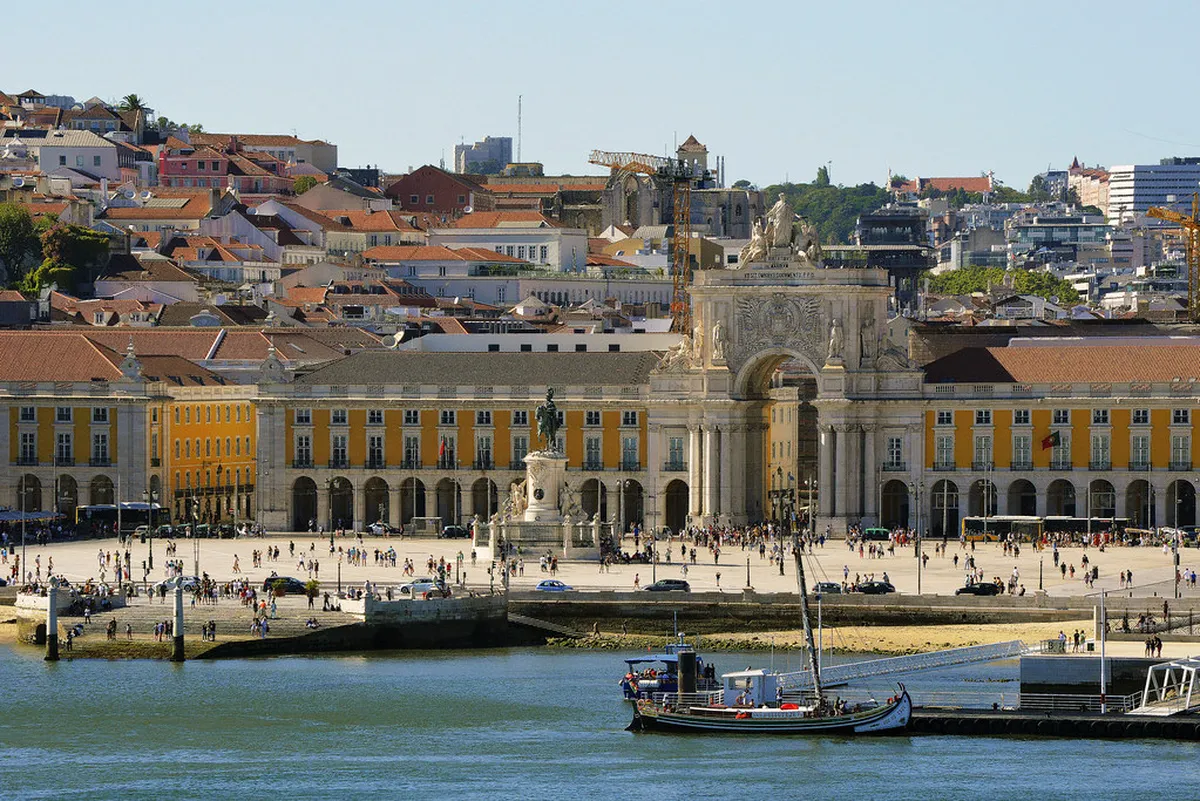
Its grid-like streets are a stark contrast to Alfama's maze. Grand squares and neoclassical buildings define Baixa. The Praça do Comércio faces the Tagus River. It offers stunning views and historic significance.
Explore the pedestrianized Rua Augusta. This vibrant street leads to the iconic arch. You will find shops, cafes, and street performers. The Elevador de Santa Justa provides panoramic city views. Ride to the top for a small fee.
Baixa is ideal for leisurely strolls and shopping. Many traditional Baixa historic sights await discovery. Enjoy a traditional Portuguese pastry at a historic café. Pastéis de Nata are a must-try. Most shops open from 10:00 AM to 7:00 PM.
Graça: Tranquil Views and Local Life
Perched on one of Lisbon's highest hills, Graça offers tranquility. This neighborhood provides some of the city's best viewpoints. Miradouro da Graça is a popular spot for sunsets. It offers stunning panoramas of São Jorge Castle and the Tagus.
Graça retains a strong local character. It feels less touristy than neighboring Alfama. Wander its residential streets for a glimpse of daily life. Discover charming local markets and cafes. The Largo da Graça is its central hub.
Visit the beautiful Igreja e Convento da Graça. This historic church features impressive azulejo tiles. The nearby Miradouro da Senhora do Monte is another must-see. It offers an even wider perspective of Lisbon. These viewpoints are free to access.
Getting here involves a climb, but it is worth it. You can take Tram 28 up the hill. Alternatively, use a local bus service. Consider a taxi or ride-share for convenience. Enjoy a quiet afternoon away from the crowds.
Frequently Asked Questions
Which Lisbon oldest neighborhoods should I visit for Fado music?
For authentic Fado music, visit Alfama or Mouraria. These historic districts are the birthplace of Fado. You will find many traditional Fado houses. Seek out a local spot for an unforgettable evening. Explore Lisbon's Fado houses for best experiences.
What is the best way to explore Lisbon's ancient districts?
The best way is by walking, especially in Alfama and Mouraria. Their narrow streets are not car-friendly. Wear comfortable shoes for the hilly terrain. The historic Tram 28 also offers a scenic route. It covers many of the ancient areas.
Did the 1755 earthquake affect all of Lisbon's old neighborhoods?
No, the 1755 earthquake affected different areas unequally. Baixa was completely destroyed and rebuilt. Alfama and Mouraria, built on solid rock, suffered less damage. Their ancient layouts were largely preserved. This explains their unique character today.
Lisbon's oldest neighborhoods offer a captivating journey. They provide a window into the city's rich past. From Alfama's medieval charm to Baixa's grand design, each tells a unique story. Experience the history, culture, and vibrant life. Plan your visit to these historic districts in 2026. Uncover the timeless beauty of Lisbon for yourself.
Key Takeaways
- Explore Alfama and Mouraria for Lisbon's oldest, most authentic feel.
- Wear comfortable shoes; many historic areas are hilly and best explored on foot.
- Visit São Jorge Castle for ancient history and incredible city views.
Explore More Lisbon Guides
Deep-dive guides for every old-Lisbon district and the events that shaped them — from Moorish Alfama to the post-1755 Pombaline Baixa.
Old Quarters & Neighborhoods
- Alfama: Lisbon's Oldest Neighborhood
- Mouraria — Lisbon's Moorish Quarter
- Bairro Alto's Bohemian History
- Chiado's Historic Literary Cafes
- Martim Moniz: Multicultural Square
- Graça Hilltop Neighborhood
- Madragoa — Old Fishermen Quarter
- Baixa Pombaline Rebuild