Discover Coimbra's Historic Neighborhoods in 2026
Table of Contents
Coimbra, Portugal, offers a captivating journey through time. Its historic neighborhoods are filled with centuries of stories. This ancient city served as Portugal's capital. It boasts rich traditions and stunning architecture. You will discover incredible history here.
Walking through these charming areas feels like stepping back in time. Each district reveals unique character and hidden gems. Prepare to explore ancient universities, medieval streets, and vibrant squares. Experience the true essence of Coimbra's past and present.
Our 2026 guide helps you navigate these amazing places. Learn about the best routes and essential sights. Dive deep into the heart of Coimbra's heritage. Start your adventure in the Coimbra old town today.
Discovering Alta: Coimbra's Historic University Hill
Alta, meaning "high," sits atop the city. It houses the famous University of Coimbra. This area is a UNESCO World Heritage site. Its grand buildings offer breathtaking views. Students have walked these cobbled streets for centuries.
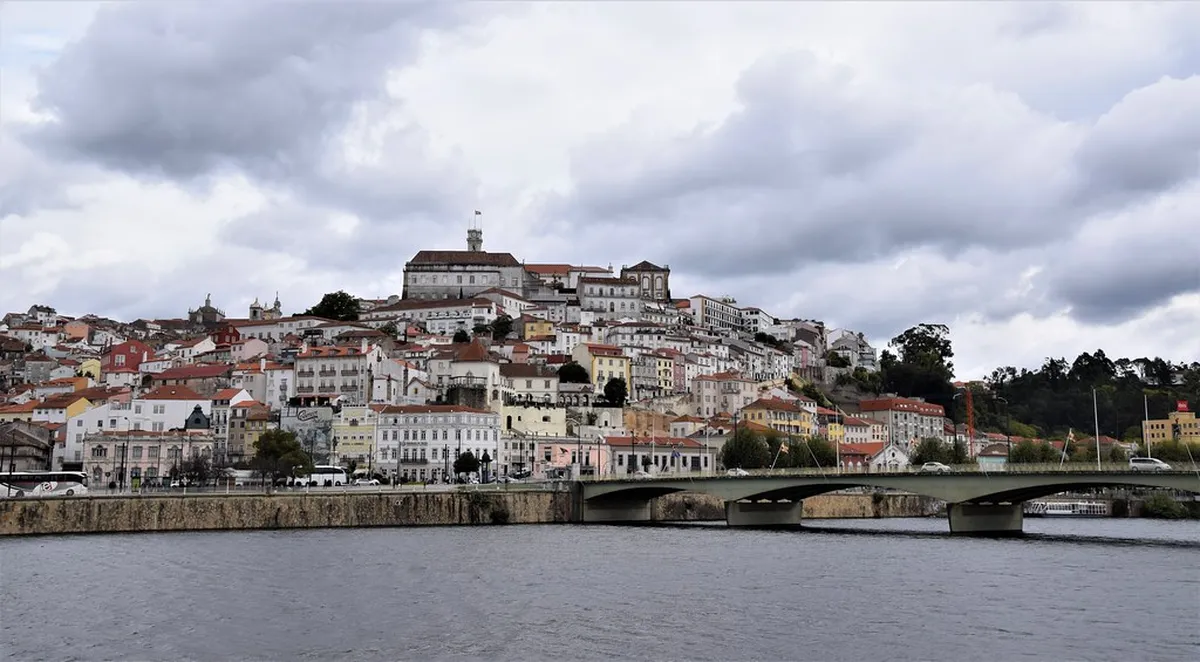
The university itself is a must-see in 2026. Visit the Joanina Library, a Baroque masterpiece. Its opulent interior holds ancient books. Booking tickets in advance is highly recommended. Expect entrance fees around €12-15 for the library and chapel.
Explore the Royal Palace and Capela de São Miguel. These sites showcase incredible artistry and history. Don't miss the panoramic views from the University Tower. You can climb to the top for a small fee. Discover more Alta Coimbra attractions during your visit.
Wander through the narrow lanes surrounding the university. You will find charming student 'repúblicas' here. These communal houses are rich in tradition. They embody Coimbra's vibrant academic spirit. Listen for traditional Fado music echoing nearby.
Consider taking a guided tour of the university. These tours offer deeper insights into its history. Many start near the central Pátio das Escolas. Allocate at least half a day to fully explore Alta. Wear comfortable shoes for the uphill climb.
Book your Joanina Library tickets in advance — entrance fees run around €12–15 for the library and chapel combined, and timed slots sell out quickly, especially during peak season.
Exploring Baixa: Coimbra's Vibrant Downtown
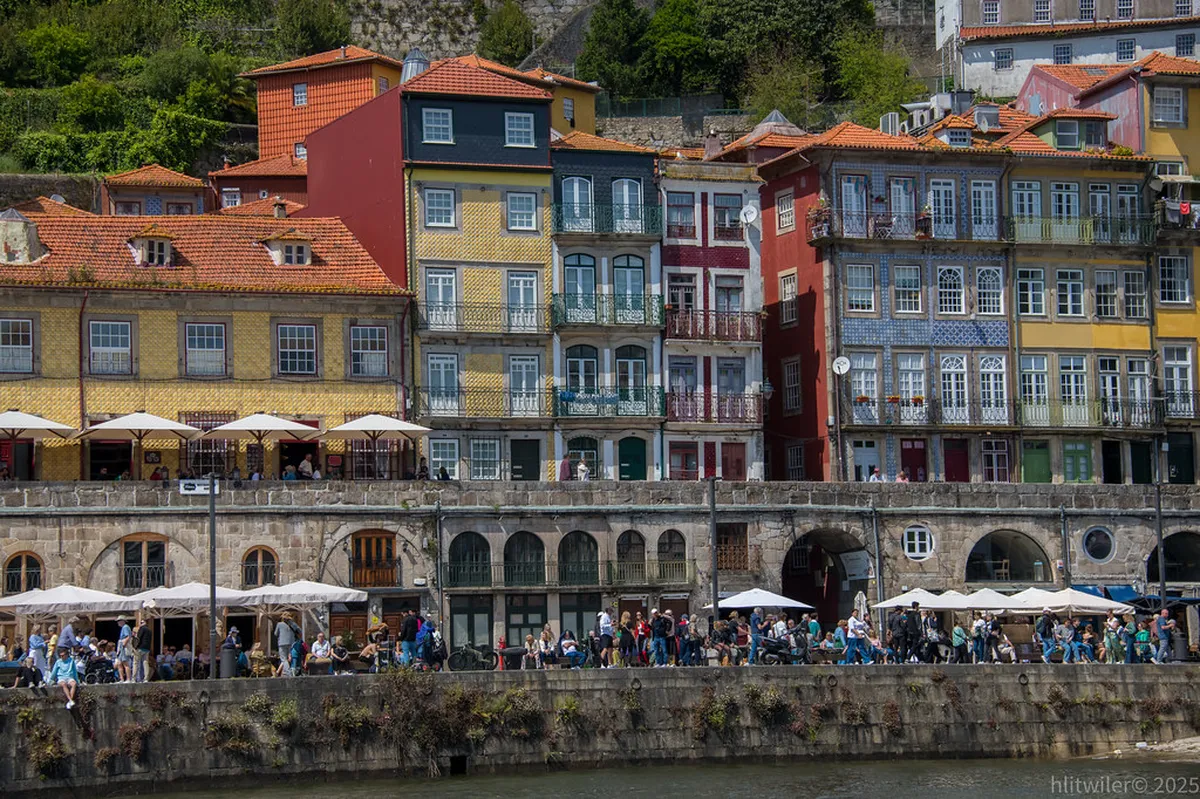
Baixa is Coimbra's bustling lower district. This area developed along the Mondego River. It serves as the city's commercial heart. You will find shops, cafes, and restaurants here. It contrasts beautifully with the elevated Alta.
Stroll along Rua Ferreira Borges and Rua da Sofia. These lively streets offer excellent shopping opportunities. Look for traditional crafts and souvenirs. Many local businesses operate from historic buildings. The architecture blends old-world charm with modern life.
The Santa Cruz Monastery is a key landmark. It holds the tombs of Portugal's first two kings. The monastery features stunning Manueline architecture. Entry typically costs around €5-6 per person. Allow at least an hour to explore its interiors.
Baixa is also the home of Coimbra's Fado. This soulful music is distinct from Lisbon Fado. It features male voices and specific guitars. Many traditional restaurants offer Fado evenings. Expect to pay €15-30 for a Fado show with dinner in 2026.
Enjoy a meal at a traditional Portuguese eatery. Sample local dishes like "Bacalhau à Brás." The atmosphere in Baixa is always vibrant. It's perfect for a leisurely afternoon or evening stroll. Discover more about Baixa Coimbra exploration and its unique character.
| Attraction | District | Entry Fee (2026) | Recommended Time |
|---|---|---|---|
| Joanina Library & Chapel | Alta | €12–15 | 1–1.5 hrs |
| University Tower | Alta | Small fee | 30 min |
| Santa Cruz Monastery | Baixa | €5–6 | 1 hr |
| Sé Velha Cloister | Sé Velha district | €2.50 | 1 hr |
| Fado show with dinner | Baixa | €15–30 | 2–3 hrs (evening) |
Walking Coimbra's Ancient Medieval Streets
Coimbra boasts a remarkable network of medieval streets. These narrow, winding passages connect various districts. They offer a true sense of the city's past. Many are too small for cars, perfect for walking.
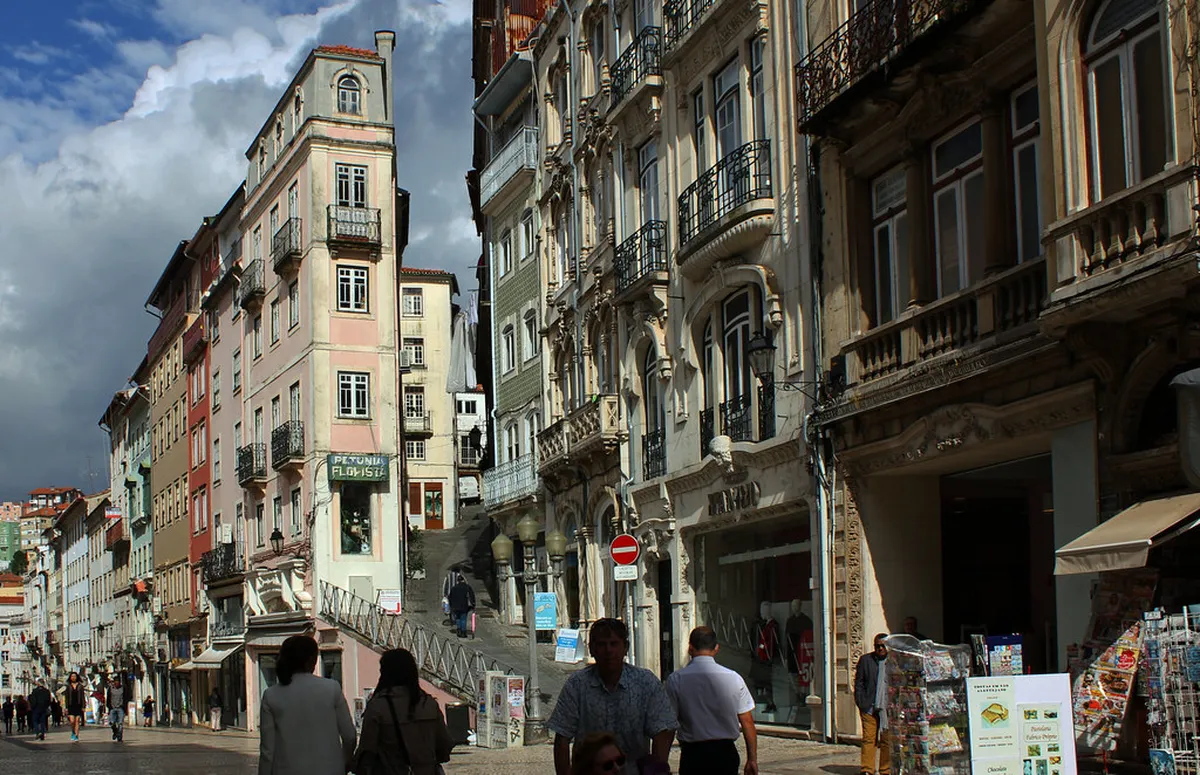
Explore areas around Sé Velha, the Old Cathedral. This ancient cathedral dates back to the 12th century. Its Romanesque architecture is truly impressive. The streets here retain their authentic medieval feel. They are often less crowded than main attractions.
Look for hidden courtyards and archways. Each corner reveals a new historical detail. Imagine knights and scholars walking these same paths. These streets are integral to the identity of Coimbra's historic neighborhoods. Many offer unique photo opportunities.
Some notable medieval streets include Rua do Quebra Costas. This steep, winding street connects Baixa to Alta. It offers picturesque views and charming shops. Wear sturdy shoes for its challenging incline. Allow plenty of time for pauses and photos.
These ancient routes guide you through centuries of history. They showcase Coimbra's enduring spirit. Many small artisan shops line these historic pathways. You can find unique handmade souvenirs. Embrace the timeless beauty of these winding lanes.
Rua do Quebra Costas is steeply inclined and paved with uneven cobblestones. Wear sturdy, flat-soled shoes — sandals or heels are not suitable for this street, especially after rain when the stones become slippery.
Uncovering Coimbra's Historic Jewish Quarter
Coimbra also hosts a significant Jewish Quarter. This historic area, known as Judiaria, reveals a complex past. It was once a vibrant community within the city. Its narrow lanes hint at a rich cultural heritage.
The Jewish Quarter is located between Alta and Baixa. It's a quieter section, ideal for reflection. Look for subtle signs of its former inhabitants. Stone doorframes might show mezuzah remnants. These small details tell important stories.
While no synagogue stands today, the layout remains. Wander through Rua Corpo de Deus and Rua da Moeda. These streets formed the heart of the community. Imagine the daily life of Jewish residents here. The history is palpable in the quiet atmosphere.
Understanding this quarter adds depth to Coimbra's story. It highlights the city's diverse historical layers. Many local historians offer walking tours focusing on this area. Consider joining one for a guided experience. These tours provide invaluable context.
Visiting in 2026 offers a chance to connect with history. Learn about the expulsion of Jews in 1496. This event drastically changed the community. The Coimbra Jewish Quarter remains a poignant site. It serves as a reminder of past struggles and resilience.
The Old Cathedral and Sé Velha District
The Sé Velha, or Old Cathedral, is a central landmark. It stands proudly as one of Portugal's finest Romanesque buildings. Construction began in the 12th century. This fortress-like structure has withstood centuries of change.
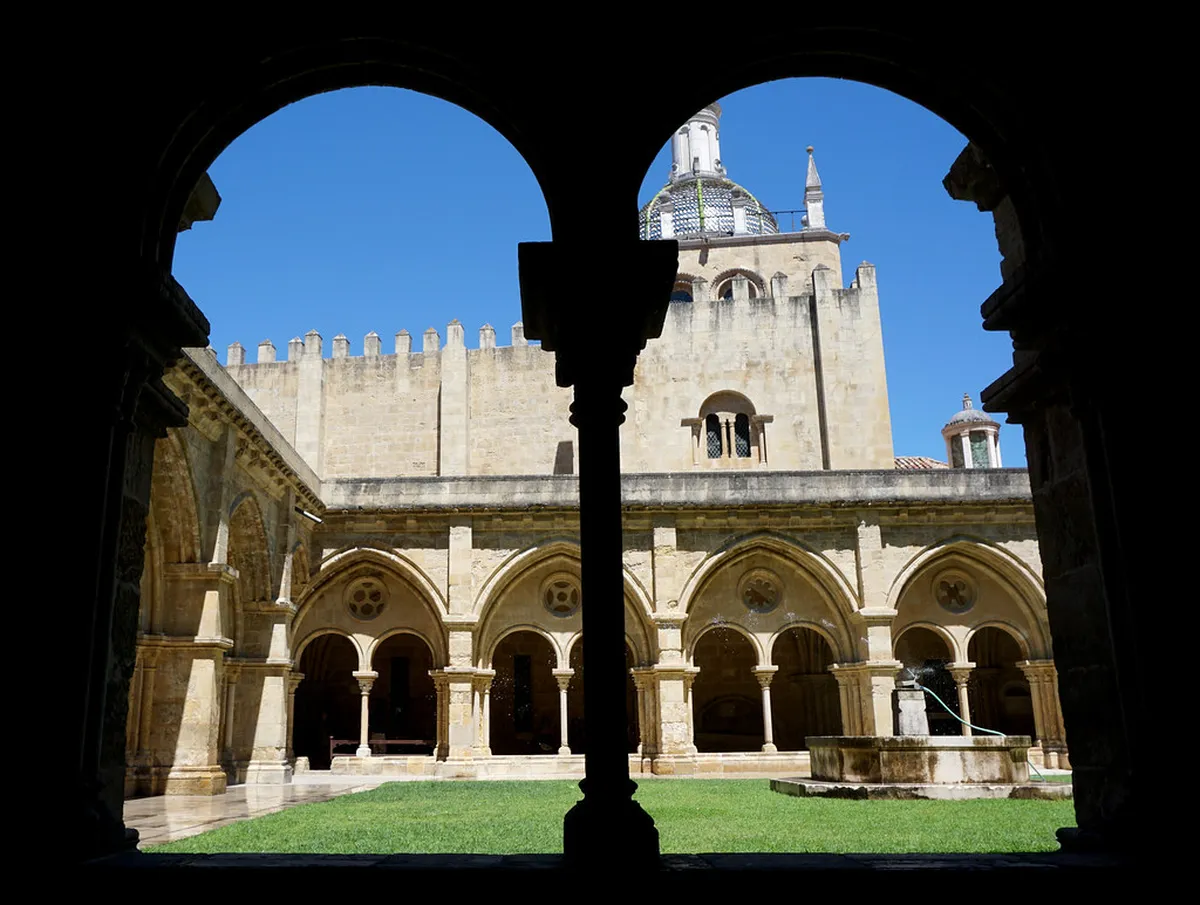
Its imposing facade features minimal decoration. The interior, however, holds beautiful altarpieces. Explore the peaceful cloister, a true architectural gem. This area offers a quiet escape from the city's bustle. Entrance to the cloister usually costs €2.50.
The district around Sé Velha is equally enchanting. It's part of the wider university area. This section truly embodies the spirit of historic neighborhoods in Coimbra. Cobbled streets lead to charming cafes and student hangouts.
Many traditions link to this ancient cathedral. Students celebrate their graduation here annually. The "Queima das Fitas" festivities are famous. You might witness parts of this lively tradition in May. It's a unique cultural experience.
Visiting Sé Velha provides insight into Coimbra's religious past. It also shows its strong academic ties. Plan to spend an hour exploring the cathedral. Afterwards, enjoy a coffee at a nearby terrace. The views down to the river are spectacular.
Frequently Asked Questions
What is the best way to get around Coimbra's historic areas?
Coimbra's historic neighborhoods are best explored on foot. Many streets are pedestrian-only or very narrow. Wear comfortable shoes for walking up hills and cobbled paths. Buses and taxis can help with longer distances. Consider using public transport for reaching the higher parts of Alta. A funicular once connected Baixa to Alta but is no longer operational.
What is the best time of year to visit Coimbra for history tours?
Spring (April-May) and Fall (September-October) are ideal for visiting Coimbra. The weather is mild and pleasant during these months. Crowds are also generally smaller than in summer. Summers can be very hot, sometimes exceeding 30°C (86°F). Winter offers fewer tourists but can be rainy. Check the best time to visit Coimbra for detailed weather information.
Are there any guided walking tours available for Coimbra's historic neighborhoods?
Yes, many guided walking tours focus on Coimbra's history. You can find tours covering Alta, Baixa, and the Jewish Quarter. Some tours specialize in the University of Coimbra's heritage. Local guides offer deep insights and fascinating stories. Look for tours starting near Largo da Portagem in Baixa. Booking online in advance is often recommended, especially during peak season.
What traditional food should I try in Coimbra's historic districts?
Coimbra offers delicious traditional Portuguese cuisine. Try "Leitão assado" (roast suckling pig) from nearby Mealhada. Sample "Bacalhau à Brás" or other cod dishes. Sweet treats include "Pastéis de Santa Clara" and "Arrufadas." Many traditional restaurants are located in the Baixa district. Look for small, family-run establishments for authentic flavors. Pair your meal with local Dão wine.
Coimbra's historic neighborhoods invite you to explore. Each district tells a unique story of Portugal's past. From the academic heights of Alta to the lively Baixa, there's much to discover. Immerse yourself in ancient traditions and stunning architecture. Your 2026 visit promises an unforgettable journey through time.
Plan your exploration of these captivating areas carefully. Wear comfortable shoes and embrace the hills. Enjoy the Fado music and delicious local cuisine. Coimbra offers a truly authentic Portuguese experience. It blends history, culture, and vibrant student life seamlessly.
Key Takeaways
- Wear comfortable shoes for Coimbra's hilly, cobbled streets.
- Book university tours and Fado shows in advance to avoid disappointment.
- Explore both Alta (Upper Town) and Baixa (Lower Town) for a complete experience.
Continue exploring Coimbra's historic quarter
- Discover Coimbra's Historic Neighborhoods in 2026December 12, 2025
 Aveiro Day Trip from Coimbra: 2026 GuideJune 6, 2026