
Discover Sé Velha Coimbra History and Legacy
Table of Contents
Coimbra, Portugal, holds countless historical treasures. Among them, the Sé Velha stands prominently. This Old Cathedral boasts a rich Sé Velha Coimbra history. It showcases remarkable Romanesque architecture. Travelers discover centuries of Portuguese heritage here. Plan your visit to this iconic landmark in 2026.
The Enduring Sé Velha Coimbra History
The story of Sé Velha Coimbra history begins early. Construction started in 1162. Bishop Miguel Arruda oversaw its foundation. This magnificent cathedral replaced an older Mozarabic basilica. Its creation followed the Christian Reconquista. Coimbra became the capital of Portugal during this era.
King Afonso Henriques played a crucial role. He ordered the cathedral's construction. This affirmed Coimbra's importance as a capital. The cathedral served as a symbol of power. It also represented the burgeoning Portuguese kingdom. Its enduring presence tells a vivid tale of the past.
During the 12th and 13th centuries, Coimbra thrived. The Sé Velha acted as a spiritual heart. It also protected citizens during sieges. Its fortress-like design was highly practical. This era shaped much of Portugal's identity. The cathedral witnessed many pivotal moments.
Over time, the Sé Velha adapted. It saw various additions and modifications. However, its Romanesque core remained intact. This makes it a rare survivor. Explore its fascinating past during your visit. Dive deep into its profound history of Coimbra's Old Cathedral.
Architectural Grandeur: A Romanesque Fortress
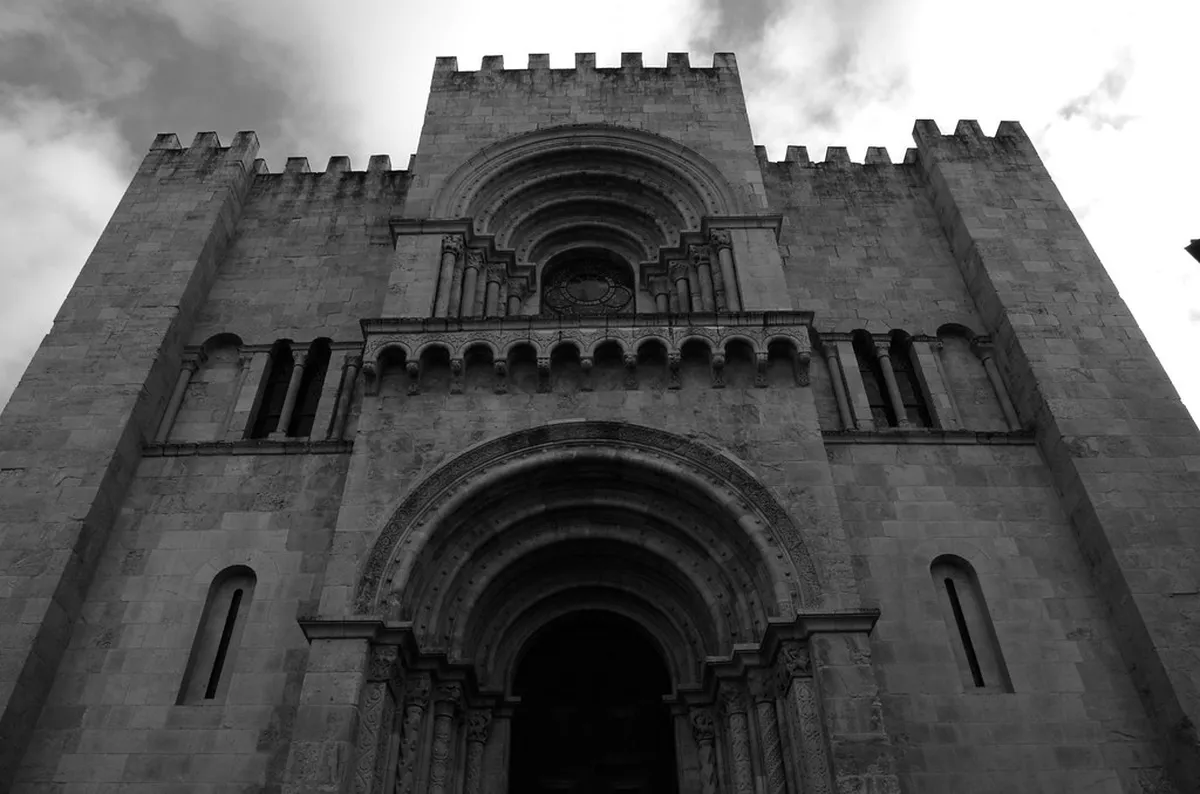
Sé Velha Coimbra history is written in stone. Its architecture reflects military design. Thick walls and battlements protected it. This structure served as a true fortress-church. Romanesque style dominates its exterior. You will notice its robust and imposing presence.
The main façade features a strong portal. It showcases intricate carvings. Delicate details contrast with its powerful form. The Porta Especiosa, a Renaissance addition, enhances this. It was added to the north facade in the 16th century. This shows later stylistic influences.
Inside, three naves rise majestically. A barrel vault roof covers the central nave. Light filters through small, high windows. This creates a solemn, spiritual atmosphere. The high altar is illuminated beautifully. Stone columns support the heavy roof structure.
The cloisters are a significant highlight. They were added in the 13th century. This makes them among Portugal's oldest Gothic cloisters. They offer a peaceful retreat. Admire the elegant arches and serene courtyard. This blend of styles is truly captivating.
Notice the defensive elements clearly. Crenellated walls and narrow windows were common. They helped guard against attacks. The cathedral stood strong through conflicts. It served as a bastion for the early kingdom. Its robust design is both beautiful and functional.
The 13th-century Gothic cloisters are included in the standard entrance ticket (€3–€5). They are one of the oldest Gothic cloisters in Portugal and well worth the extra few minutes to explore quietly before the crowds arrive.
Inside Sé Velha: Art, Altars, and Chapels
Step inside Sé Velha to discover its treasures. The main altarpiece is a standout. It's a stunning Flemish Gothic piece. Olivier of Ghent carved it in the early 16th century. This intricate work depicts the Life of Christ. Its detail and craftsmanship are incredible.
The altarpiece features more than 100 figures. Each figure is meticulously rendered. Scenes include the Nativity and the Crucifixion. Gilded wood enhances its grandeur. It truly captivates visitors. Take time to appreciate this masterpiece fully.
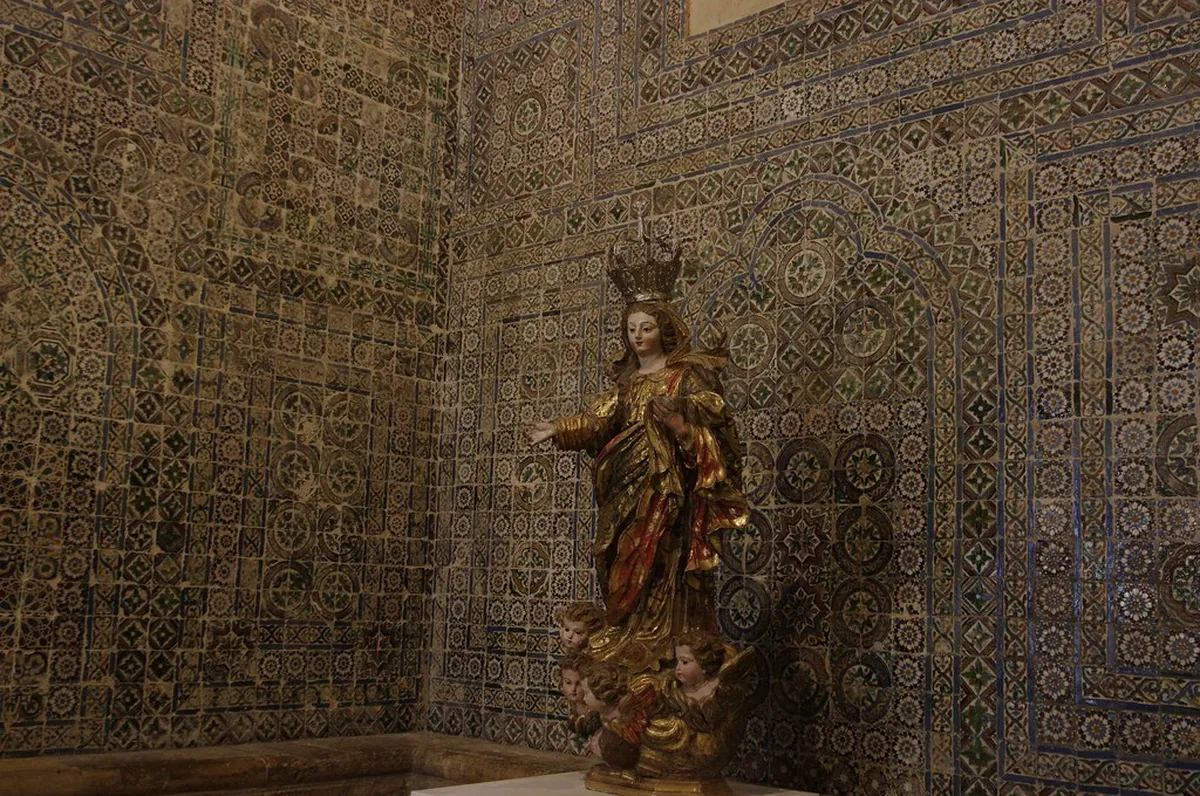
Several chapels adorn the cathedral's interior. Each holds unique artistic merit. The Chapel of São Pedro is one example. It features beautiful azulejo tiles. These tiles date back to the 17th century. They display vibrant blue and white patterns. Discover the quiet sanctity of these spaces.
Another notable chapel is the Chapel of the Holy Spirit. It also showcases remarkable artworks. The tomb of Bishop Jorge de Almeida rests here. His legacy profoundly impacted Coimbra. These chapels provide personal glimpses into history.
Visitors can also find tombs of bishops. Their final resting places add to the rich history. The Sé Velha served as a burial site for centuries. Explore the sacristy for more artifacts. This includes religious vestments and sacred objects. Each corner reveals a new historical layer.
Sé Velha's Role in Coimbra's University Life
Sé Velha Coimbra history intertwines with academia. The University of Coimbra began here. Its first classes were held within the cathedral. This institution later moved to its current location. However, the cathedral remained central to student life. It hosted important academic ceremonies.
The university was established in 1290. For many years, the Sé Velha provided space. It served as a hub for early scholars. This connection shaped Coimbra's intellectual reputation. The city grew as a center for learning. Its academic legacy is globally renowned.
Students still gather nearby for traditions. The "Queima das Fitas" starts here. This burning of the ribbons festival is iconic. It marks the end of academic life. The cathedral's bells ring out. This tradition connects past students with present ones. It honors Coimbra's rich academic heritage.
During these celebrations, the steps come alive. Thousands of students participate annually. They wear traditional academic capes. The event creates a vibrant atmosphere. It’s a profound cultural experience. Witnessing it offers a unique insight into local life.
The cathedral also housed the first bishops. These religious leaders influenced education greatly. They helped shape Coimbra's intellectual landscape. The Sé Velha represents both faith and knowledge. Its historical ties to the university are profound. Experience this unique connection in 2026.
Planning Your Visit to Coimbra's Old Cathedral in 2026
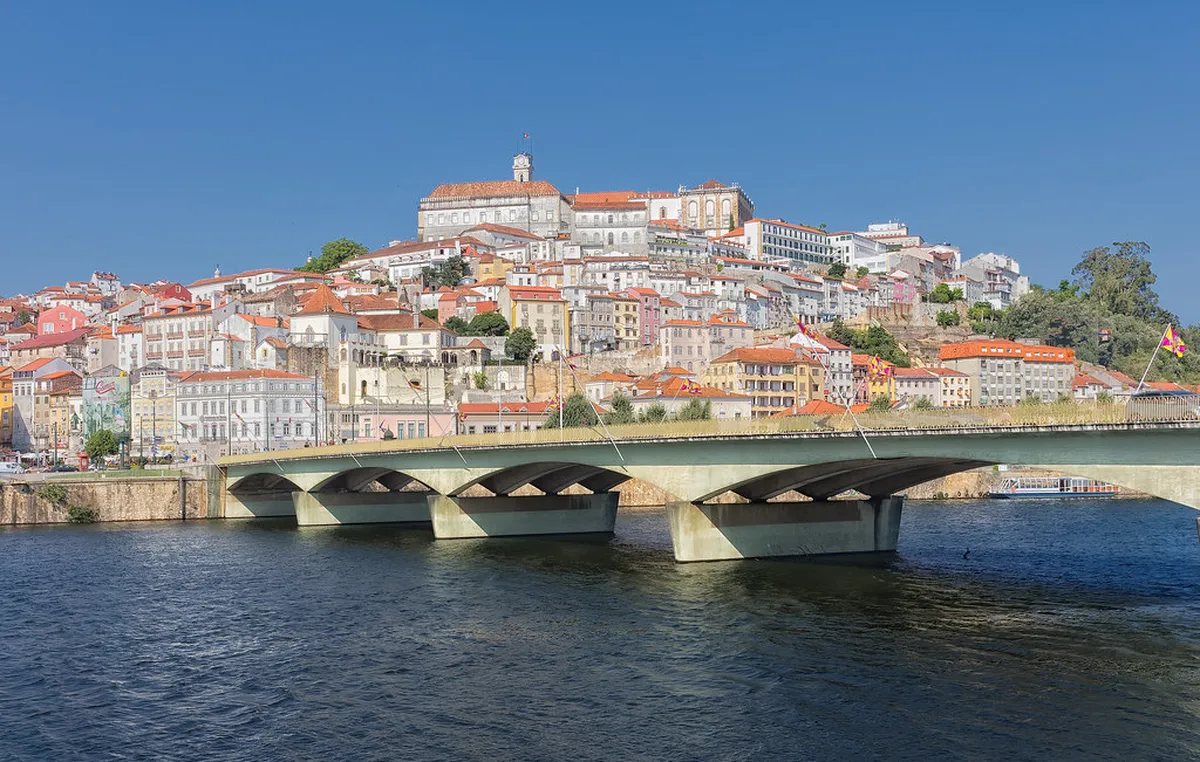
Visiting Sé Velha Coimbra is straightforward. The cathedral is located in Alta Coimbra. It sits close to the university. You can reach it easily on foot. Walking through Coimbra's Old Town offers great views. Allow ample time for your exploration.
Entrance fees for Sé Velha vary. As of 2026, adult tickets cost around €3-€5. This includes access to the cloisters. Children and seniors often receive discounts. Check the official website for current pricing. The cathedral opens daily. However, hours might differ on holidays.
| Visitor Type | Entry Fee (2026) | Opening Hours |
|---|---|---|
| Adult | €3–€5 | Mon–Sat 10:00–18:00, Sun 11:00–18:00 |
| Child / Senior | Discounted rate | Mon–Sat 10:00–18:00, Sun 11:00–18:00 |
| Cloister access | Included in ticket | Same as cathedral |
Aim to visit during quieter times. Early mornings are usually best. Late afternoons also offer fewer crowds. Consider a guided tour for deeper insights. Many tours focus on visiting Coimbra's Old Cathedral specifically. This enhances your understanding of its rich legacy.
You can find updated opening hours and ticket information online. Look for details on their official page. This helps you plan your day perfectly. Nearby cafes offer refreshments. Enjoy a traditional Portuguese pastry after your visit. Immerse yourself fully in Coimbra's historical heart.
On Sundays the cathedral opens later than usual — doors typically don't open until 11:00 AM rather than the standard 10:00 AM. If you are catching an early train out of Coimbra, plan your visit for a weekday morning instead.
After your cathedral visit, explore the surrounding area. The Joanina Library is nearby. The University Tower offers panoramic views. Discover charming medieval streets. These areas reflect more of Coimbra's rich past. Many Alta Coimbra attractions await your discovery. It is an unforgettable experience.
Frequently Asked Questions
What are the Sé Velha Coimbra opening hours for 2026?
Sé Velha Coimbra typically opens from 10:00 AM to 6:00 PM. These hours apply Monday through Saturday. On Sundays, it opens later, usually at 11:00 AM. Always confirm specific times before your visit. Check the official Sé Velha Coimbra opening hours and tickets for the latest updates in 2026.
Is there an entrance fee to visit Sé Velha Coimbra?
Yes, there is an entrance fee to visit Sé Velha Coimbra. Standard adult tickets usually cost between €3 and €5. This fee often includes access to the cloisters. Discounts are available for students, seniors, and children. You can purchase tickets at the entrance upon arrival.
What is the historical significance of Sé Velha Coimbra?
Sé Velha Coimbra holds immense historical significance. It served as Portugal's first cathedral for centuries. It played a vital role during the Reconquista. The university's origins are also linked to this site. Its architecture showcases a rare, preserved Romanesque style.
How long should I allocate for a visit to Sé Velha Coimbra?
Allocate about 1 to 1.5 hours for a comprehensive visit. This allows time to explore the interior. You can also admire the cloisters thoroughly. Add extra time for photos and reflection. Consider more time if you plan to attend a guided tour.
What other attractions are near Sé Velha in Coimbra?
Many attractions surround Sé Velha Coimbra. The University of Coimbra is a short walk away. The New Cathedral (Sé Nova) is also nearby. Explore the historic Alta Coimbra attractions. You will find charming streets and viewpoints easily.
Sé Velha Coimbra history is truly remarkable. This ancient cathedral stands as a testament. It symbolizes Coimbra's enduring spirit. Its Romanesque architecture continues to inspire. The rich stories within its walls connect you to Portugal's past. Plan your journey to explore this timeless landmark.
Key Takeaways
- Sé Velha is a prime example of Romanesque fortress-church architecture from the 12th century.
- It played a central role in Portugal's early history and the University of Coimbra's beginnings.
- The cathedral features a stunning Flemish Gothic altarpiece and ancient Gothic cloisters.
Continue exploring Coimbra's historic quarter
 Coimbra Old Cathedral History: A Medieval Portuguese TreasureDecember 13, 2025
 Sé Velha Coimbra: Opening Hours, Tickets & Visiting TipsDecember 13, 2025
 Guide to Visiting Coimbra Old Cathedral Sé VelhaDecember 13, 2025
- Discover Sé Velha Coimbra History and LegacyDecember 12, 2025
 Aveiro Day Trip from Coimbra: 2026 GuideJune 6, 2026