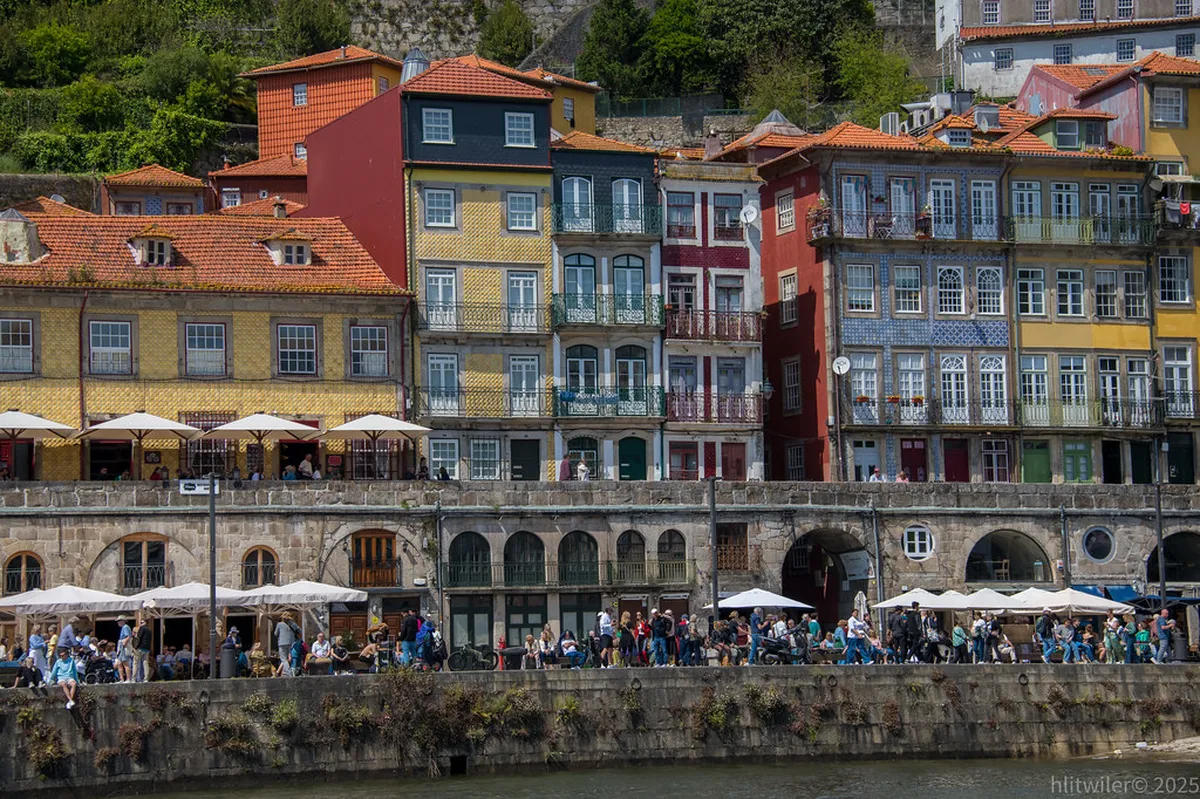
Aveiro sits just over an hour north of Coimbra by train and rewards the early riser with one of the most visually distinctive cities in Portugal. Painted Moliceiro boats drift along three central canals, Art Nouveau mansions line the waterfront, and a short bus ride delivers you to the candy-striped fishermen's cottages of Costa Nova. Our team refreshed this guide in January 2026 after a visit to the newly reopened canal district, and the logistics below reflect current train fares and schedules from the Aveiro municipality and regional transport updates.
Many visitors wonder whether a single day is enough. The answer is yes — if you leave Coimbra early. The city center of Aveiro takes about three hours to cover well, leaving time for a boat tour, lunch at the Praça do Peixe, and an afternoon excursion to Costa Nova before the last comfortable train back. This guide walks you through the timing, the transport choices, and the specific sights that make the trip worth it. See the full the best nearby day trips page for other regional ideas if you have multiple days.
Logistics: How to Get from Coimbra to Aveiro
Coimbra has two train stations and understanding the difference matters. Coimbra-B is the main intercity hub on the Lisbon–Porto mainline — this is where you board trains north toward Aveiro. The Coimbra city-center station (simply called "Coimbra") is a three-minute local shuttle ride from Coimbra-B and serves only those short local hops. Every fast train to Aveiro departs from Coimbra-B, so factor in travel time to get there from your accommodation.

There are roughly 15 departures per day from Coimbra-B to Aveiro. The journey time and price depend on which service you choose. The table below covers the two main options in 2026:
- Regional (R) train: approximately 60 minutes, around €5.35 single — no seat reservation required, flexible return
- Alfa Pendular (AP) or Intercidades (IC): approximately 35–40 minutes, around €10–12 single — reserved seating, air-conditioned, books up quickly on weekends
| Leg / Option | Journey time | Approx. fare (single) |
|---|---|---|
| Coimbra-B to Aveiro — Regional (R) train | ~60 min | ~€5.35 |
| Coimbra-B to Aveiro — Alfa Pendular / Intercidades | ~35–40 min | ~€10–12 |
| Aveiro to Costa Nova — bus line 8 | ~15 min | ~€2.50 |
| Aveiro to Costa Nova — Uber/taxi | ~15 min | ~€7–10 |
| Forte da Barra to São Jacinto — ferry | varies | ~€2 |
The Regional train is the practical choice for a day trip. The 20-minute time saving on the AP is rarely worth double the cost unless you are tight on the return. Buy tickets at the station kiosk or at CP.pt before you travel — Sunday evening return trains sell out regularly. Once you arrive in Aveiro, the station building itself is worth a pause: its walls are covered in enormous blue-and-white azulejo tile panels depicting local history. Follow Avenida Dr. Lourenço Peixinho straight ahead for about 15 minutes to reach the canal district on foot.
Luggage storage tip: If you are passing through Coimbra as part of a Lisbon–Porto journey and want to leave bags before heading to Aveiro, Coimbra-B has coin-operated lockers near the main hall. These accept cash only and there are limited large-format lockers — arrive before 09:00 on weekends to secure one. The city-center Coimbra station has no luggage storage at all. Aveiro station itself also has lockers if you prefer to store a bag there and walk light.
Must-See Aveiro Attractions and Canal Tours
The Moliceiro boat tour is the single most iconic activity in Aveiro. These brightly painted wooden vessels were originally used to harvest seaweed from the Ria de Aveiro lagoon; today they carry tourists along the three central canals for 45 minutes. Each bow and stern is decorated with folk-art panels — sometimes bawdy, always colorful — that are hand-painted by local artisans. Tours depart from the central dock near the canal bridge and cost around €13–15 per person in 2026.
Book your boat slot for 10:00 or 10:30 if possible. By 11:00 AM groups arrive from Porto and the queues at the main dock lengthen noticeably. Online booking saves around 20 minutes of waiting and lets you choose the least crowded departure. After the tour, walk south along the canal to the Praça do Peixe — the old fish market square that is now ringed with restaurant terraces. Most kitchens open at 12:30 and close at 15:00, so plan your lunch window accordingly.
Pre-book the Moliceiro boat tour online for a 10:00 or 10:30 departure. From 11:00 AM the Porto day groups arrive and queues at the main dock lengthen — booking ahead saves roughly 20 minutes of waiting and lets you pick the least crowded slot. In July and August, peak boat slots can sell out up to 48 hours in advance.
The Salinas de Aveiro salt pans sit just east of the city center and are easy to include on a walk. Aveiro's flor de sal has been harvested here for centuries and still supplies much of Portugal's bacalhau-curing industry. A small open-air salt museum explains the process and is free to enter. It is a quiet, photogenic spot that most day-trippers skip entirely — worth 20 minutes if you have them.
Museums, Art, and Culture in Aveiro
Art Nouveau architecture is one of Aveiro's most distinctive features, a legacy of Portuguese emigrants who returned from Brazil in the early 20th century with new fortunes and extravagant tastes. They rebuilt their homes along the canals in the ornate style popular in Europe at the time, resulting in a streetscape unlike anywhere else in Portugal. The Museu de Arte Nova on Rua Barbosa de Magalhães is the dedicated showcase — housed in a restored Art Nouveau mansion, it covers the movement's origins and displays local examples of decorative tilework, ironwork, and façades. General admission is €2 in 2026.
The Mosteiro de Jesus is the cultural centerpiece of Aveiro. Founded in the 15th century, it was home to Princess Saint Joana, daughter of King Afonso V, who chose monastic life over a dynastic marriage and was beatified in 1693. Her elaborate tomb is inside the church, set within an extraordinary floor of inlaid marble. The adjoining Museu de Aveiro occupies the former convent and displays religious art, azulejo panels, and ecclesiastical objects spanning five centuries. Admission is around €5 and opening hours run 10:00–18:00, closed Mondays. Visit Portugal maintains current opening hours on their cultural site guide.
The Aveiro Cathedral (Sé de Aveiro) is a ten-minute walk from the Mosteiro and worth a brief stop. The interior is plain compared to the ornate convent but the 18th-century gilded woodwork in the chancel is striking. Entry is free. Between the cathedral, the Art Nouveau museum, and the Mosteiro, you have a coherent cultural circuit that takes about 90 minutes at a relaxed pace — best done before lunch when the sites are quiet.
Parks, Gardens, and Outdoor Spots Around Aveiro
The Ria de Aveiro is not just a scenic backdrop — it is one of the largest coastal lagoons in Portugal and a designated nature reserve. The lagoon stretches roughly 45 kilometres from north to south and supports significant populations of wading birds, including avocets and flamingos in winter. The Passadiços da Ria de Aveiro, a series of elevated boardwalks, lets you walk directly above the water and the salt marshes without a boat. The nearest access point from the city center is a short taxi ride.
North of the Ria estuary lies the Reserva Natural das Dunas de São Jacinto — a protected peninsula of Atlantic beach backed by pine forest planted in the 18th century to stabilise shifting dunes. The beach here is pristine and almost entirely undeveloped. Access is by ferry from Forte da Barra (frequent departures, roughly €2 each way) or by driving around the lagoon. On a day trip from Coimbra, São Jacinto is realistic only if you skip Costa Nova, not both.
If you stay closer to the city, the Jardim do Rossio is a pleasant central park with shaded benches and an ornamental lake — good for a post-lunch rest before catching the bus to Costa Nova. There is no entry charge and it is a favourite lunch-break spot for university students from the University of Aveiro campus nearby.
Combining Aveiro and Costa Nova: What to Know
Costa Nova is a narrow peninsula 7 km west of Aveiro on the Atlantic coast, famous for its rows of candy-striped palheiros — wooden holiday cottages originally built by fishermen. The stripes come in red, blue, yellow, and green combinations, and the most photogenic stretch lines the lagoon-facing promenade rather than the ocean side. First-timers sometimes walk to the beach expecting to see the houses from the shore — the striped cottages are actually on the lagoon side, so arrive at the promenade first. Aveiro's history on Wikipedia offers deeper context on the palheiros' origins in the region's fishing heritage.
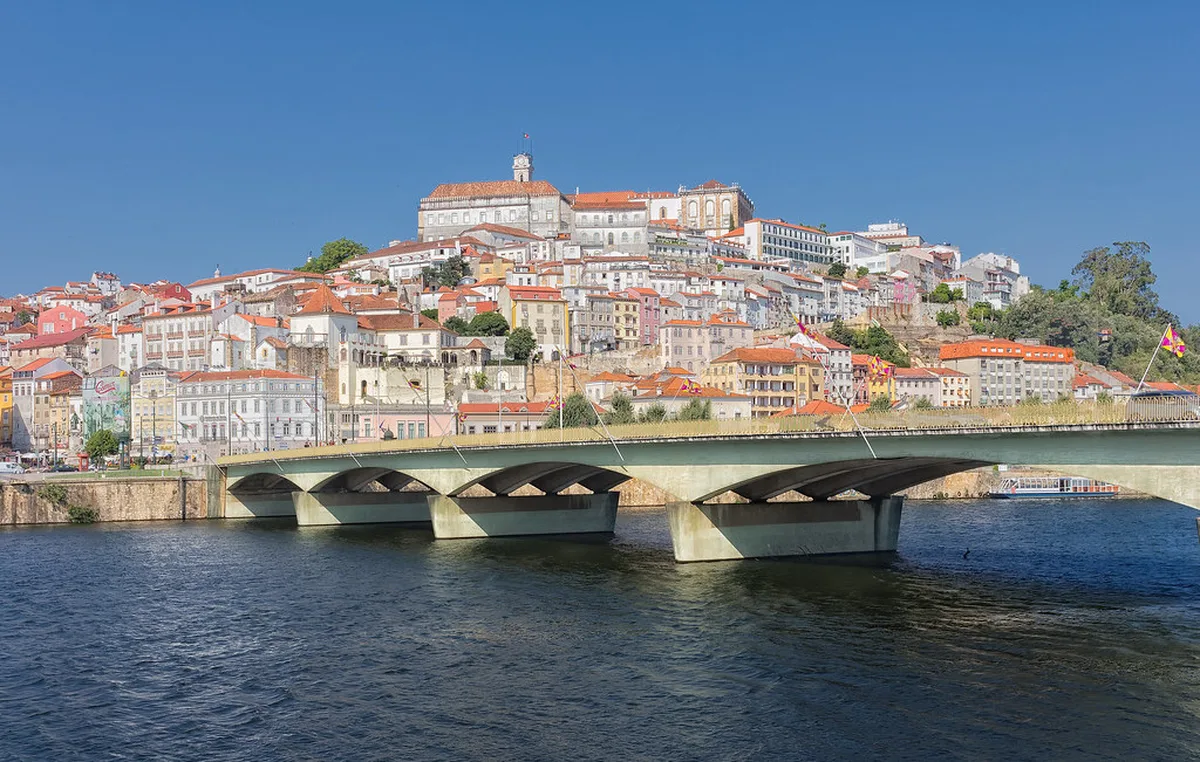
Getting to Costa Nova from central Aveiro takes about 15 minutes by bus (line 8 from the main bus terminal, around €2.50 each way) or roughly €8–10 by Uber. The bus is infrequent in the low season, so check the timetable before heading out. Taxis are available near the Aveiro train station if you prefer flexibility. One competitor account mentions taking an Uber for €5 from Aveiro — prices vary, but allow €7–10 in 2026 pricing.
The trade-off between staying in Aveiro versus adding Costa Nova is time versus depth. If you spend your full afternoon in Aveiro — the Ria boardwalks, the Mosteiro, the Art Nouveau museum — you will see more culture but miss the striped houses. If you go to Costa Nova, budget 90 minutes there and plan to skip one of the Aveiro museums. Most first-time visitors find Costa Nova worth it: the walk along the lagoon promenade and the optional 5 km boardwalk to the Praia da Barra lighthouse makes for a memorable Atlantic afternoon.
Family-Friendly and Budget-Friendly Tips for the Day
Aveiro is well suited to families. The city center is flat and mostly walkable, the canals are visually engaging for children, and the Moliceiro boat rides are genuinely enjoyable for all ages. The salt museum is free and tactile — kids can handle the salt rakes and watch the flor de sal float on the brine. Ovos Moles pastries, priced at €1.50–2 each, make an easy sweet stop that children tend to appreciate more than adults do.
On a tight budget, the entire day is manageable for under €40 per person including trains. Regional train return from Coimbra-B: around €11. Moliceiro boat tour: €13–15. Lunch at the Praça do Peixe: €12–16 for a full meal with wine. Bus to Costa Nova and back: €5. Salt museum: free. Art Nouveau museum: €2. That leaves room for Ovos Moles and a coffee without breaking the budget.
Solo travelers and light packers will appreciate that Aveiro station has left-luggage lockers if you want to store a bag for the day. The station is modern, English signage is clear, and the walk into the center is direct and safe at all hours. The Praça do Peixe area has good lighting and ambient crowds until around 22:00 in summer, making a later return train a comfortable option if you want a full dinner before heading back to Coimbra.
What to Eat and Buy in Aveiro
The Praça do Peixe is the best area for lunch. The square was the city's working fish market until the 1990s and the restaurants that now occupy it still cook with the daily catch. Grilled sea bass (robalo) and grilled gilt-head bream (dourada) are the reliable orders. Expect to pay €12–18 for a main course. Restaurants open at 12:30 and close their kitchens by 15:00 — arriving at 12:45 ensures a table without a reservation on weekdays.
Ovos Moles are the local pastry you will see in every shop window. Made from sweetened egg yolks wrapped in a thin wafer shell, they are shaped as barrels, fish, or shells — a reference to Aveiro's maritime past. The recipe originates from the Mosteiro de Jesus, where nuns used egg whites to starch their habits and had surplus yolks to spare. A box of six costs around €8 from any bakery on the main canal street; the best-regarded producers include Confeitaria Peixinho and a handful of small shops in the Bairro de Beira Mar fishing quarter.
For crafts and gifts, Aveiro is the home of Vista Alegre porcelain — one of Portugal's most prestigious ceramics brands, founded in 1824 just outside the city. A Vista Alegre retail outlet operates in the Forum Aveiro shopping centre near the canal, stocking seconds and outlet pieces at significant discounts versus Lisbon prices. Salt from the Ria de Aveiro — flor de sal and flavored blends — is available in most grocery stores for €3–6 per bag and makes a practical souvenir that travels well.
Full 1-Day Itinerary: Aveiro from Coimbra
This schedule is built around a Regional train departure from Coimbra-B, which gives the most flexibility without paying for a reserved AP seat. Adjust the times by 20 minutes if you take the faster Alfa Pendular.
- 08:30 — Depart Coimbra-B on the Regional train to Aveiro (ticket: ~€5.35)
- 09:30 — Arrive Aveiro station; photograph the azulejo façade; walk 15 min to canal district
- 10:00 — Moliceiro boat tour (45 min, ~€14; pre-book online to skip the queue)
- 11:00 — Walk to the Museu de Arte Nova and the Art Nouveau streetscape on Rua Barbosa de Magalhães
- 12:00 — Mosteiro de Jesus and Museu de Aveiro (~€5, allow 60 min)
- 13:15 — Lunch at a Praça do Peixe restaurant (grilled fish, €14–18; arrive before 13:30 for a table without a wait)
- 14:30 — Bus line 8 or Uber to Costa Nova (~15 min); walk the lagoon promenade and photograph the palheiros
- 16:00 — Optional: continue along the boardwalk to Praia da Barra lighthouse (~5 km round trip) or return to Aveiro by bus/Uber
- 17:00 — Back in Aveiro: buy Ovos Moles, browse the salt museum (free), walk the Ria boardwalk
- 19:00 — Depart Aveiro on Regional train back to Coimbra-B
- 20:00 — Arrive Coimbra-B; connect to city center station if needed (3-min shuttle)
This schedule covers every major sight without feeling rushed. If you skip the lighthouse walk at Costa Nova, you gain 90 minutes to spend in the Ria nature area or extend your lunch. The last Regional train back to Coimbra typically departs around 21:00–22:00, giving you flexibility to linger over dinner in Aveiro if the mood strikes.
Planning Tips and 2026 Updates
The Museu de Aveiro at the Mosteiro de Jesus underwent partial renovation work in 2026; as of early 2026 the main galleries are open, though one wing covering medieval ecclesiastical art remains closed. Check the museum's website before visiting if that section is on your list. The rest of the Mosteiro complex — the church, Princess Joana's tomb, and the main cloister — is fully accessible.
For train tickets, CP.pt now allows booking up to 60 days in advance. Weekend AP and IC trains fill quickly in summer; for a Saturday or Sunday trip, book at least a week ahead. The Regional trains run on a walk-up basis with no seat reservation, so they are a safe fallback if you forget to pre-book. The the historic Old Town covers the Coimbra-B to city center connection in more detail if you are navigating Coimbra itself for the first time.
If you are visiting in July or August, the Aveiro canal area and Costa Nova are noticeably busier with Portuguese domestic tourists. Boat tour slots at peak times can sell out 48 hours in advance. Arriving before 10:00 gives you the best light for canal photography and the most relaxed boat boarding experience. Off-season (November through February), some Costa Nova restaurants and the smaller canal-side cafés close or reduce hours — the core Aveiro sights remain open year-round.
For those building a wider regional itinerary from Coimbra, the the Conímbriga Roman ruins and the Bussaco Forest day trip are the two strongest inland alternatives if a beach-free day is more appealing. Aveiro and Conimbriga on back-to-back days makes a well-rounded introduction to what the central Portugal region offers.
Frequently Asked Questions
How do I get from Coimbra to Aveiro by train?
Take a train from Coimbra-B station to Aveiro. The journey takes 35 to 60 minutes. Tickets cost between €5 and €12 depending on the train speed.
Is Aveiro worth it as a day trip from Coimbra?
Yes, Aveiro is a perfect day trip destination. It offers unique canals, beautiful Art Nouveau architecture, and the famous striped houses of Costa Nova.
How much time should you plan for Aveiro?
Plan for at least six to eight hours in Aveiro. This allows enough time for a boat tour, lunch, and a visit to Costa Nova beach.
An Aveiro day trip from Coimbra is one of the most rewarding single-day excursions in central Portugal. The train logistics are simple, the city center is compact, and the combination of canal culture, Art Nouveau architecture, and the striped houses of Costa Nova delivers genuine variety in a short window. Leave Coimbra-B before 09:00, take the Regional train to keep costs down, and you will have time to cover the Mosteiro, a boat tour, lunch, and Costa Nova without rushing. Enjoy the flor de sal and the Ovos Moles — and check the easy excursions from the city guide for what to do with the rest of your week.