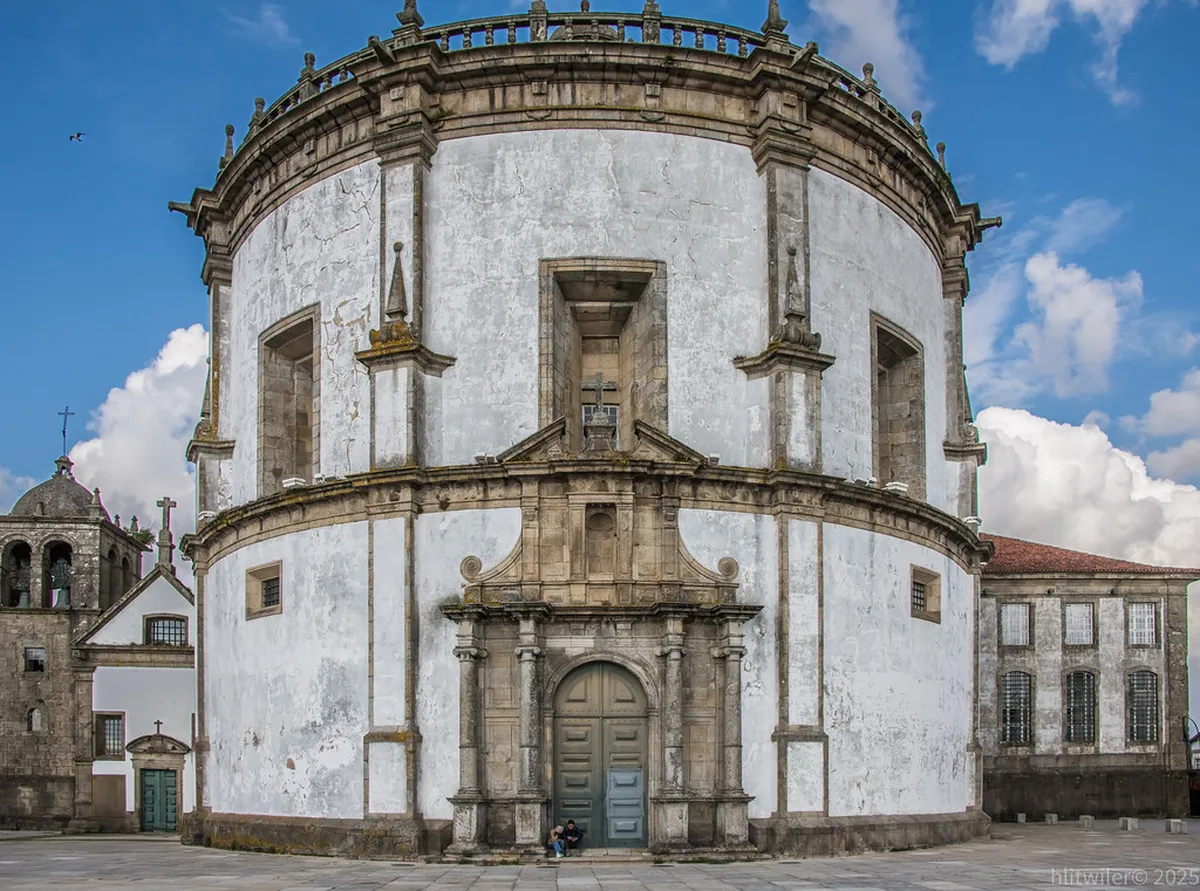
Coimbra sits at the geographic heart of Central Portugal, making it one of the best strategic bases in the country for day trippers. Within 90 minutes you can reach ancient Roman ruins, a walled royal forest, Atlantic surf beaches, Art Nouveau canal cities, and schist mountain villages frozen in the 16th century. Staying here keeps you closer to all of these than any Lisbon hotel would. Before you head out, read our the historic Old Town to get your bearings in the city itself.
The 2026 season is a strong one for Central Portugal day trippers. Regional CP train promotions make the coastal routes to Aveiro and Figueira da Foz very affordable when booked eight or more days ahead. For the inland mountain routes, a rental car is the only practical option — and agencies near Coimbra-B station offer competitive daily rates from around €35. This guide covers all eight destinations in detail, including 2026 transport specifics and practical timing advice.
Key Takeaways
- Best Overall: Conimbriga for world-class Roman mosaics just 16 km south of the city.
- Best for Families: Figueira da Foz — wide sandy beach, hourly trains, under €5 return.
- Best Rainy Day: Aveiro for covered canal boat tours and Art Nouveau museum interiors.
- Best Free Activity: Walking the Way of the Cross and forest trails at Buçaco.
- Best Hidden Gem: Talasnal schist village — arrive before 10:00 on weekends for parking.
- Pro Tip: Book CP tickets 8+ days ahead for 2026 promotional fares on coastal routes.
Top Picks: Day Trips from Coimbra at a Glance
These eight destinations were selected for their cultural weight, ease of access from Coimbra, and the quality of the experience once you arrive. The list spans two coastal towns, two mountain destinations, one Roman archaeological site, one Templar fortress, one royal forest, and one dramatic hilltop castle — enough variety to fill a week of excursions without repeating a vibe. Each destination is genuinely worthwhile, not just a filler entry.
A quick orientation on travel time helps with planning. Conimbriga, Montemor-o-Velho, and Buçaco are under 40 minutes away. Aveiro, Figueira da Foz, and the Schist Villages around Lousã sit in the 45–60-minute range. Tomar requires roughly two hours by train (with a change at Entroncamento) or 90 minutes by car via the A13. Piódão is the most remote at two hours by car and is only realistic for early starters.
- Conimbriga Roman Ruins — 16 km south, bus or car, best Roman mosaics in Portugal
- Buçaco Forest and Palace — 30 km north, car or bus to Luso, free walking entry
- Aveiro Canals — 57 km north, direct train 30–60 min, Art Nouveau and moliceiro boats
- Figueira da Foz — 47 km west, hourly train 45 min, widest urban beach in Europe
- Talasnal Schist Village — 37 km southeast, car only, Serra da Lousã mountain scenery
- Tomar — 96 km south, train or car, UNESCO Templar Convent of Christ
- Piódão — 100 km east, car only, the most remote and dramatic schist village
- Montemor-o-Velho Castle — 25 km west, car or bus, Mondego Valley panoramas
| Destination | Distance & transport | Travel time |
|---|---|---|
| Conimbriga Roman Ruins | 16 km south, bus or car | Under 40 min |
| Montemor-o-Velho Castle | 25 km west, car or bus | Under 40 min |
| Buçaco Forest and Palace | 30 km north, car or bus to Luso | About 30 min by car |
| Talasnal Schist Village | 37 km southeast, car only | 45–60 min |
| Figueira da Foz | 47 km west, hourly train | About 45 min |
| Aveiro Canals | 57 km north, direct train | 30–60 min |
| Tomar | 96 km south, train (change at Entroncamento) or car via A13 | ~2 hr by train, 90 min by car |
| Piódão | 100 km east, car only | About 2 hr |
Museums and History: Conimbriga Roman Ruins
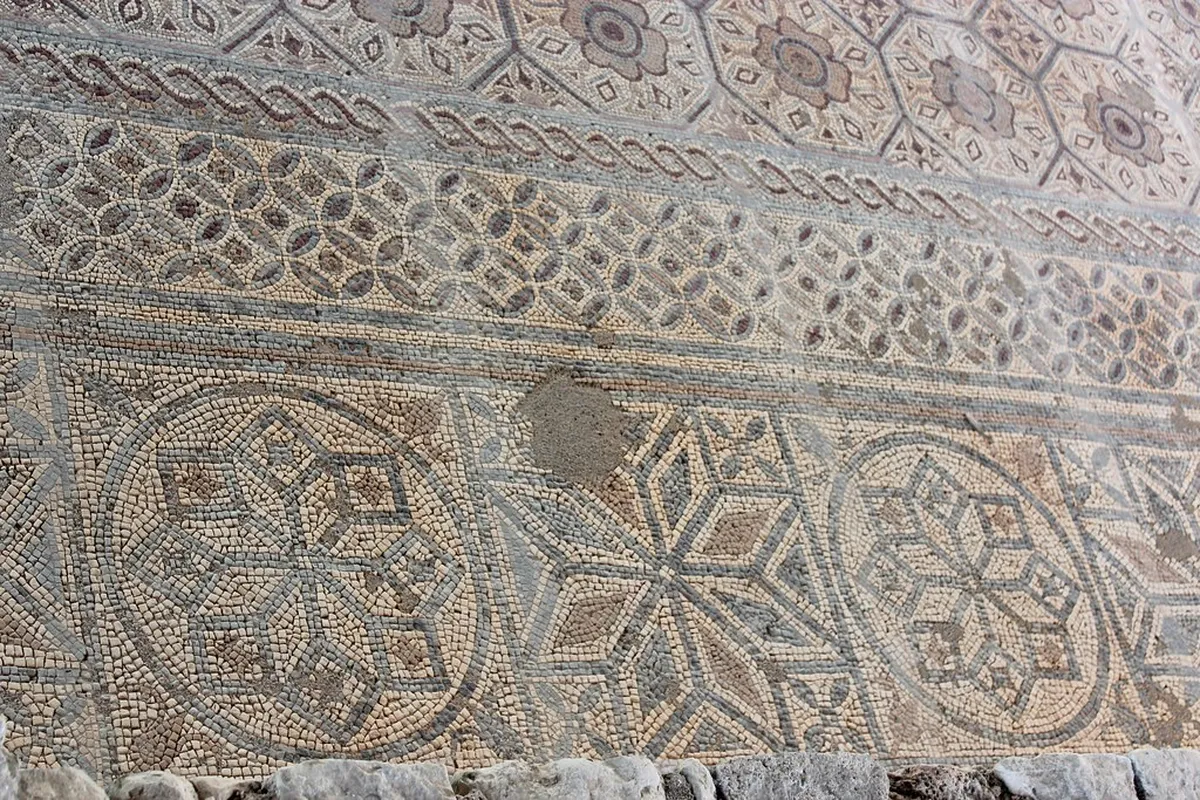
Conimbriga is the standout day trip from Coimbra for anyone with an interest in history. The site preserves one of the finest collections of Roman floor mosaics in the entire Iberian Peninsula — the House of Fountains alone justifies the journey. The onsite Museu Monográfico de Conimbriga houses coins, glassware, and sculpture excavated from the city, which was occupied from the 1st to the 4th century AD. Adult entry to both the ruins and the museum costs approximately €8, with reduced rates for students and seniors.
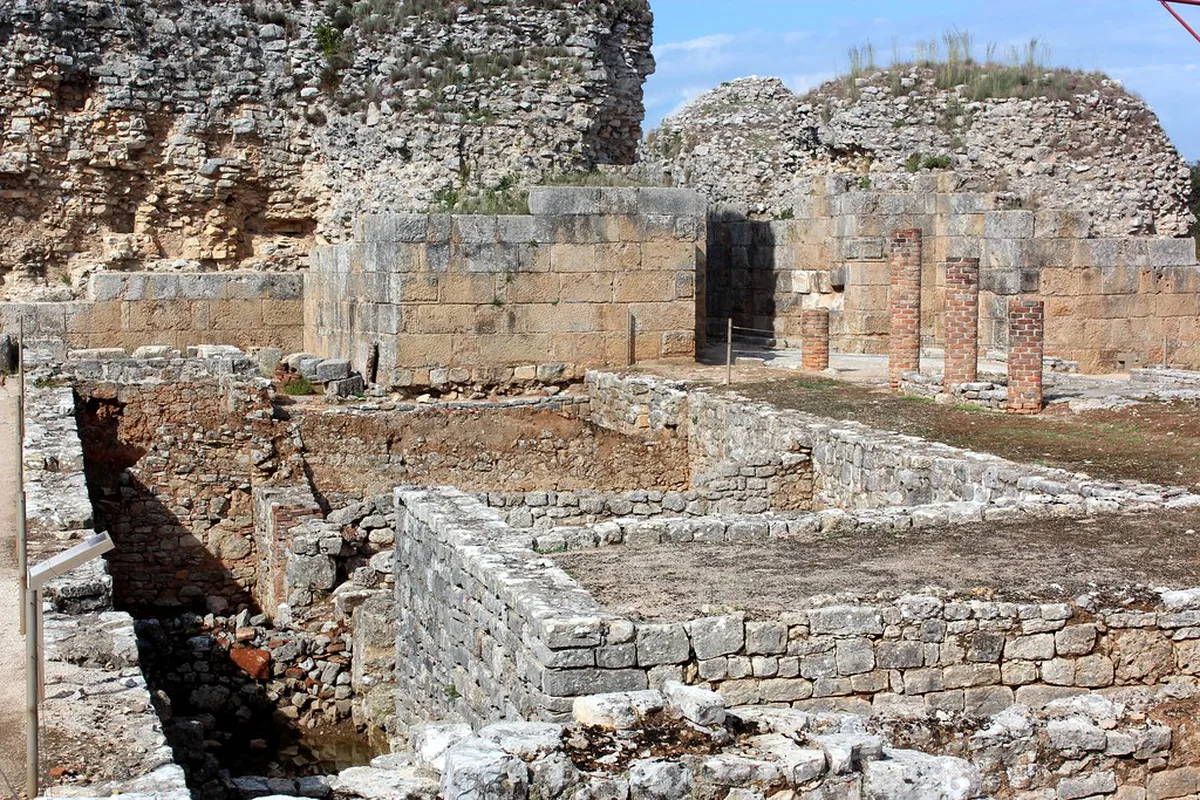
The site is located 16 km south of Coimbra, near the town of Condeixa-a-Nova. Without a car, the Transdev bus is the only public option: in 2026 it departs from the main Coimbra bus terminal three times daily, at approximately 09:00, 13:00, and 16:30. Miss the return bus and a taxi back costs around €20–€25, so plan your visit around the 13:00 or 16:30 return. If you are traveling with two or three others, a shared taxi from Coimbra is often cheaper than you expect — around €15–€18 each way — and removes the schedule dependency entirely.
The Transdev bus to Conimbriga only runs three times a day in 2026 (around 09:00, 13:00, and 16:30), so check the return time before you leave — getting stranded at the ruins means a €20–€25 taxi back to Coimbra.
The mosaics are in open-air sections of the ruins and look their best in morning light before the midday sun flattens the colors. Bring sunscreen in summer; there is almost no shade over the main excavated area. Allow at least two full hours for the ruins and another 45 minutes for the museum. The onsite restaurant offers decent lunch plates for €10–€14. Read our full the Conímbriga Roman ruins guide for a complete walkthrough of the site's highlights.
Parks and Outdoors: Buçaco Forest and the Palace Hotel
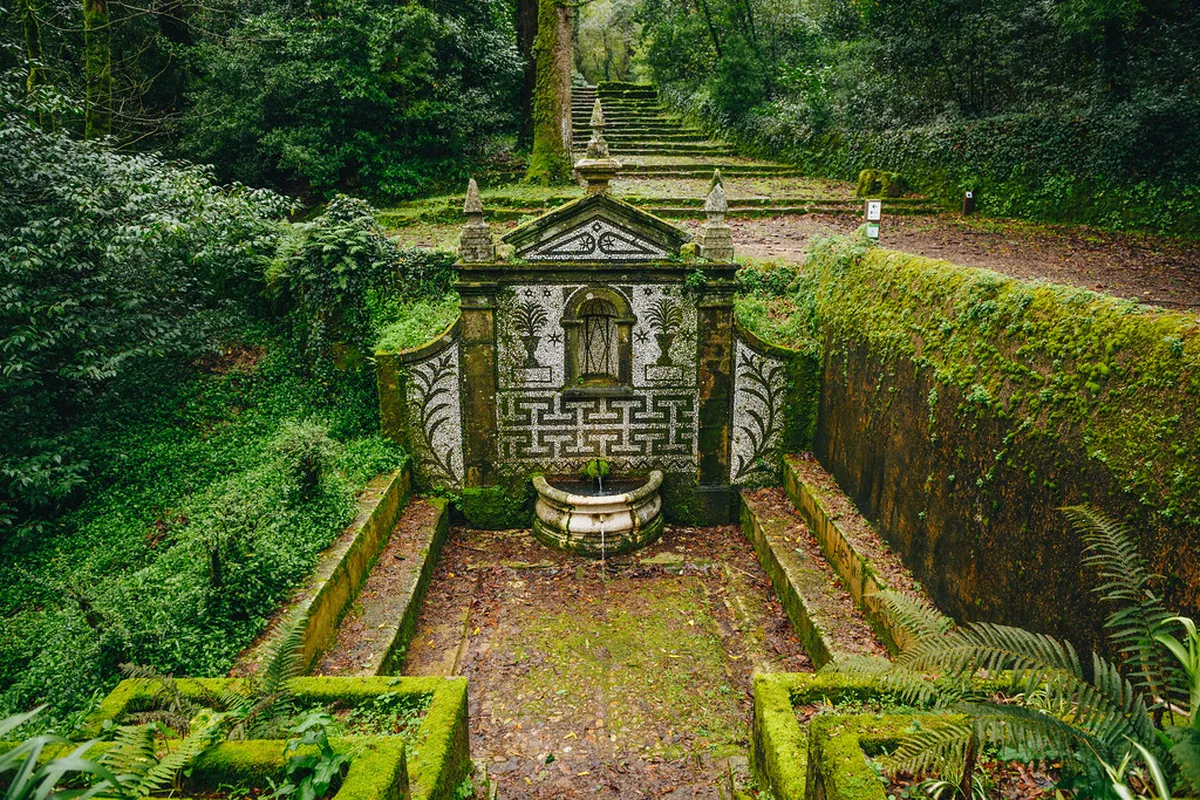
Buçaco is officially Portugal's only national forest and one of the most unusual landscapes in the country. The walled estate was planted by Barefoot Carmelite monks in the 17th century and shelters over 700 tree species, including giant Mexican cedars, tree ferns, and ancient cork oaks. Trails weave past moss-covered chapels, terracotta Via Sacra sculptures, natural springs, and a pond. Entry for walkers is free; cars pay approximately €5 at the gate. The forest is open daily from approximately 09:00 to 19:00 in summer.
The centerpiece is the Neo-Manueline palace, built as a royal hunting lodge in the late 19th century and converted into a luxury hotel. This is where the article diverges from what most day-trip guides tell you. There are two completely different experiences on offer at Buçaco, and choosing between them shapes your whole visit. The Palace Hotel dining room — all carved stone arches, painted tiles, and white tablecloths — serves a set lunch for around €45–€55 per person. It is a genuine splurge, but the room is extraordinary and lunch reservations are accepted without an overnight stay. Book at least a week in advance in 2026 for weekend dates. The alternative is the austere Carmelite convent attached to the forest, where a small chapel and cork-lined cells show the monks' deliberate rejection of ornament. These two extremes — monastic simplicity and royal excess — sit within 200 metres of each other and make Buçaco unlike anywhere else in Portugal.
The easiest way to reach Buçaco is by car (about 30 minutes from Coimbra). You can also take a bus or train to Luso, the spa town at the forest edge, and walk or taxi up to the palace gate. The the Buçaco forest escape guide covers the full trail map and the best viewpoints for the Mondego Valley panorama.
Culture and Art: Aveiro's Canals and Architecture
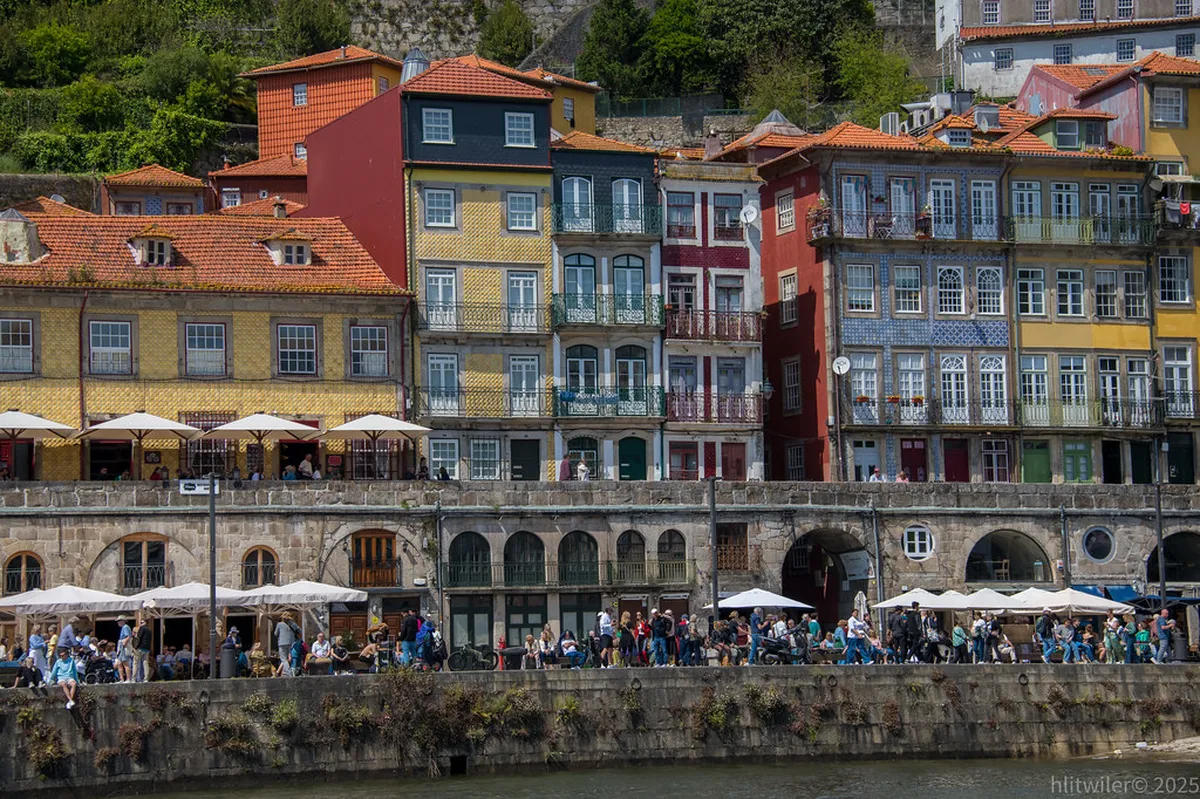
Aveiro sits 57 km north of Coimbra and is most famous for its network of inland canals and the brightly painted moliceiro boats that navigate them. The city earned its reputation as the Venice of Portugal partly from the waterways, but more distinctively from its remarkable concentration of Art Nouveau architecture. The facades on Rua de Barbosa de Magalhães and around the central canal district are among the best-preserved examples of the style in the country. Entry to the Museu de Arte Nova is €2 and gives context to the buildings you will walk past all day.
Direct CP trains run from Coimbra-A station to Aveiro roughly every hour. The journey takes 30 to 60 minutes depending on the service type, and a return ticket costs €6–€15 depending on how far in advance you book. This is the most comfortable train-accessible day trip from Coimbra — the Aveiro station is a short walk from the central canal, and the entire historic district is flat and pedestrian-friendly. A moliceiro boat tour typically lasts 45 minutes and costs around €15 per adult; boats depart from the main canal quay throughout the afternoon.
If you have a car, extend the visit to Costa Nova, a fishing village 8 km west of Aveiro's center. The striped houses — candy-colored vertical stripes on traditional boathouses — are one of the most photographed spots in Central Portugal and often overlooked by day-trippers relying on public transport. The the canal city of Aveiro guide includes the Costa Nova extension and a recommended walking route through the Art Nouveau quarter.
Family and Budget Options: Figueira da Foz Beaches
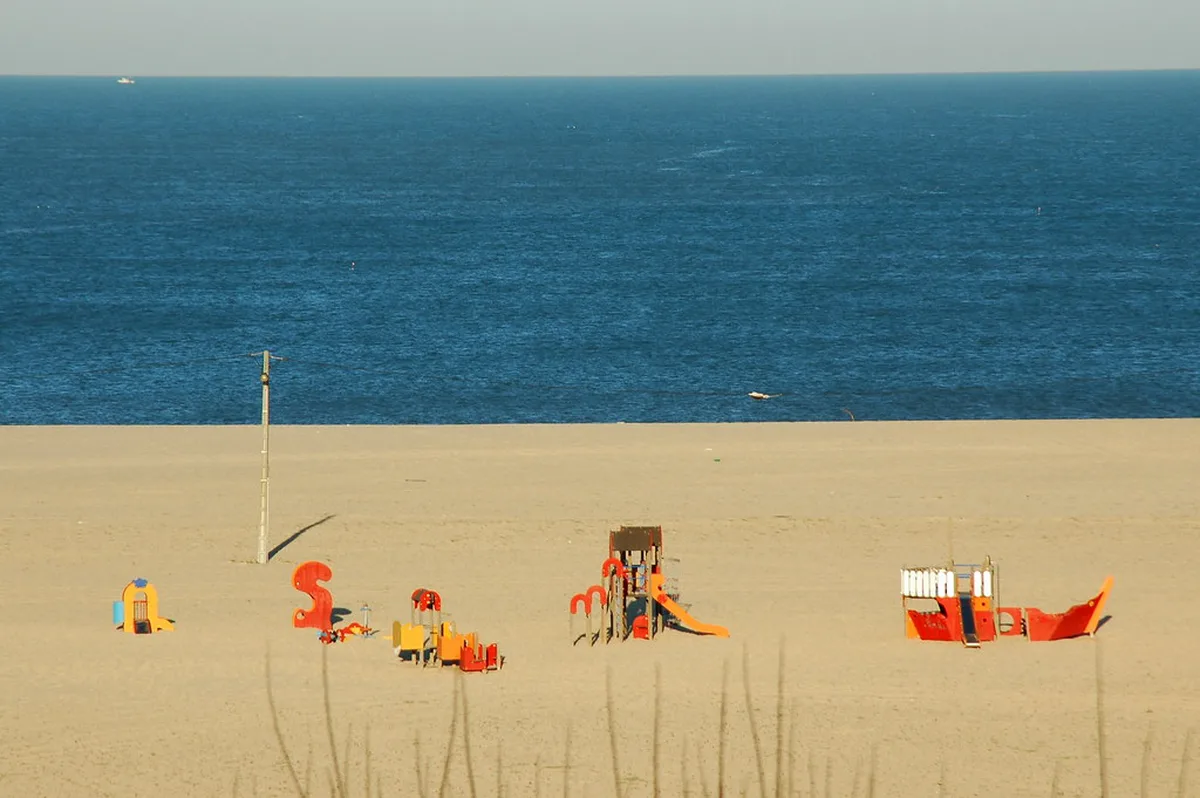
Figueira da Foz offers the most accessible beach day from Coimbra. Regional trains run roughly every hour from Coimbra-A station, the journey takes about 45 minutes, and a return ticket costs under €5 — making it the cheapest excursion on this list. The main beach is enormous, with nearly two kilometres of continuous sand and a consistent Atlantic swell that attracts both families seeking calm shallow water near the jetty and surfers chasing bigger breaks further north. The promenade is lined with cafes, ice cream stalls, and casual fish restaurants open late into the evening.
Beyond the beach, Figueira has more to offer than most day-trip guides acknowledge. The renovated Mercado Municipal is worth a morning visit for its fish stalls, local cheese, and honey from the Serra da Boa Viagem. The old quarter around Rua Cândido dos Reis has surprising street art and a clutch of cafes in converted historic buildings. Walking northwest to Buarcos reveals traces of the medieval fortifications that defended this stretch of coastline after the Moorish reconquest.
On the drive back, or as a standalone addition, Montemor-o-Velho castle sits directly on the route between Figueira and Coimbra. The hilltop fortress overlooks the rice fields of the Mondego Valley and is usually free or costs a nominal €2 during event weekends. It is open from 10:00 to 18:00 in summer. The views across the floodplain are exceptional at golden hour and make the brief detour well worthwhile.
Hidden Gems: Talasnal and the Schist Villages
The Serra da Lousã shelters a network of schist villages built from the dark stone of the mountains. Talasnal is the most visited and the most dramatic — stone houses stacked up a steep slope, many of them abandoned and partially reclaimed by vegetation, a few converted into simple guesthouses. Neighboring Candal and Cerdeira are smaller and quieter; Cerdeira in particular has a resident artists' community that has restored several cottages and holds workshops in summer. None of these villages charges an entry fee, though the few small taverns only take cash.
Getting there requires a car. The roads from Lousã up into the Serra da Lousã are paved but very narrow — a 2026 driving difficulty rating of moderate applies, with steep inclines and sections where two cars cannot pass simultaneously. The standard advice is to pull into a passing place and wait. Parking at Talasnal is limited to a small area near the village entrance; on summer weekends it fills by 10:00. Arriving before that time on a Saturday or Sunday makes an enormous difference. Weekday visits are quieter and the light on the dark stone is often better in the softer morning hours.
The trail from Lousã castle up to Talasnal is one of the better hiking routes in Central Portugal. It passes a riverside hermitage, a summer restaurant, and chestnut forest before the final steep climb to the village. The ascent takes roughly 90 minutes at a steady pace and is not suitable for young children or anyone with limited mobility. The trail is unmarked in places, so download an offline map before setting off. Wild deer and boar are regularly spotted in the upper sections. Pack a light jacket even in summer — the mountain air is noticeably cooler than the Coimbra valley.
Templar History: Tomar and the Convent of Christ
Tomar is the furthest major destination on this list but among the most rewarding. The Convent of Christ — a UNESCO World Heritage Site since 1983 — began as a Templar castle in the 12th century and expanded over the following four centuries as successive orders and kings added chapels, cloisters, and dormitories. The circular Templar chapel at its core is unique in Portugal; according to tradition, the knights rode their horses directly inside it for services without dismounting. The celebrated Manueline window on the western facade of the chapter house is one of the most extravagant pieces of stone carving in the country.
Adult entry to the convent costs €10 in 2026, and it is open from 09:00 to 17:30 daily (closing at 17:00 from October to May). By train, reach Tomar via a change at Entroncamento — total journey time is around two hours each way, which makes for a long but feasible day. By car via the A13, the drive takes about 90 minutes. The town center below the convent is worth 30–45 minutes on its own: the riverside park, the 15th-century synagogue (one of the best-preserved in Portugal), and the matchbox museum on Rua Marquês de Pombal are all compact and interesting.
Every four years Tomar hosts the Festa dos Tabuleiros, a distinctive festival where women carry elaborate towers of bread and flowers on their heads through the streets. The next edition is scheduled for 2027, so 2026 visitors will miss it — but the town is genuinely quieter and easier to navigate in non-festival years, which is its own advantage.
How to Plan a Smooth Day Trip: Logistics and Transport
Coimbra has two train stations. Coimbra-A is in the city center and handles regional trains to Aveiro, Figueira da Foz, and local destinations — this is the station most tourists use. Coimbra-B on the northern outskirts handles Alfa Pendular and Intercidades high-speed services to Lisbon and Porto. Check carefully which station your service departs from. You can buy CP tickets on the official app or website; buying eight or more days ahead usually unlocks the lowest promotional fares on the coastal routes.
Buses are the main option for inland destinations not served by rail. The main bus terminal is on Avenida Fernão de Magalhães, about 15 minutes on foot from the old town. Rede Expressos covers long-distance routes including Tomar (with the train being faster). Transdev runs the local service to Conimbriga three times daily — this is the one schedule to check most carefully, as the 2026 departure times have limited flexibility and getting stranded at the ruins means a €20–€25 taxi back.
A rental car is the right choice for the Schist Villages, Piódão, and any itinerary that combines two or more inland destinations in a single day. Several agencies operate near Coimbra-B station. Make sure the rental includes an electronic toll transponder (Via Verde) for the A1 and A14 motorways — without one, you can receive enforcement fines weeks after your trip. Parking in Coimbra's historic center is difficult; use the large lot near the Santa Clara bridge as your base and walk up. Check the travel-in-portugal Coimbra guide for the latest parking and transport updates before your trip.
Why Coimbra Beats Lisbon as a Base for Central Portugal
Most visitors to Portugal base themselves in Lisbon and do Central Portugal as a long day trip. That logic works for Coimbra itself, but it breaks down completely for the Schist Villages, Buçaco, or Tomar. From Lisbon, Talasnal is a 3.5-hour round trip by car before you even park and walk. From Coimbra, it is 40 minutes. The proximity gap is even wider for Piódão, Figueira da Foz, and the Serra da Lousã trails.
Hotels in Coimbra are meaningfully cheaper than Lisbon equivalents at the same quality tier. A mid-range double with parking costs €70–€110 per night in the city center in 2026, compared to €130–€180 for comparable Lisbon options. Three or four nights in Coimbra gives you one day for the university and old town, and two full days for excursions — enough to cover Conimbriga, Buçaco, and either the coast or the mountains. That structure is impossible to replicate efficiently from Lisbon without exhausting travel days.
The local knowledge advantage also compounds quickly when you are based here. Coimbra residents regularly make weekend trips to Talasnal, Lousã, and Figueira da Foz, which means the infrastructure — parking, local cafes, trail signage — is calibrated for regional visitors rather than international tour groups. You encounter fewer coaches and more genuinely local scenes than at the equivalent sites around Lisbon.
Frequently Asked Questions
Which day trips from Coimbra are accessible by train?
Aveiro and Figueira da Foz are the most accessible destinations by train from Coimbra. Both cities are served by frequent regional and intercity lines that take under an hour. You can depart directly from the central Coimbra-A station for these coastal trips.
How many days should I stay in Coimbra for day trips?
We recommend basing yourself in Coimbra for at least three to four days. This allows you one full day for the university and old town, plus two days for excursions. You can easily visit Conimbriga and Buçaco on separate mornings while returning to the city for dinner.
Is a car necessary for visiting the Schist Villages?
Yes, a car is highly recommended for the Schist Villages like Talasnal or Piódão. Public transport to these mountain areas is extremely limited and often non-existent for tourists. Driving allows you to navigate the narrow roads and stop at various viewpoints along the way.
Coimbra is far more than just a historic university town; it is the gateway to the soul of Central Portugal. Whether you are wandering through the Roman ruins of Conimbriga or breathing the fresh air of the Buçaco Forest, these trips offer deep cultural rewards. The 2026 travel season is the perfect time to explore these sites before they become as crowded as the hotspots in the Algarve.
Plan your logistics early, respect the local mountain roads, and always leave room for a spontaneous stop at a roadside bakery. For more spiritual history, you might also consider visiting The Convent of Santa Clara before leaving the city. Safe travels as you discover the diverse landscapes and hidden gems that make this region truly unforgettable.