Conimbriga is Portugal's largest and best-preserved Roman archaeological site, sitting just 16 km south of Coimbra. The site packs in intact mosaics, a grand villa with working fountains, public baths, a forum, and city walls into a compact loop you can complete in half a day. This guide was refreshed for 2026 with current bus schedules, ticket prices, and practical first-timer advice.
Most visitors arrive from Coimbra and spend four to six hours at the site. The biggest mistake is treating the museum as an afterthought — it closes before the ruins do, so visit it first. Beyond that, the site rewards early arrival: you beat tour groups, and the morning light on the mosaics is noticeably better.
A Bit of History: Why Conimbriga Matters
The Romans arrived on the Iberian Peninsula around 218 BC and gradually absorbed the Celtic settlements of what is now Portugal into the province of Lusitania. Conimbriga was one of their most prosperous western outposts, reaching peak population of roughly 10,000 residents during the 1st and 2nd centuries AD. The city had heated baths, a forum, an aqueduct, and private villas with mosaic floors that rival anything found in Rome or Pompeii.
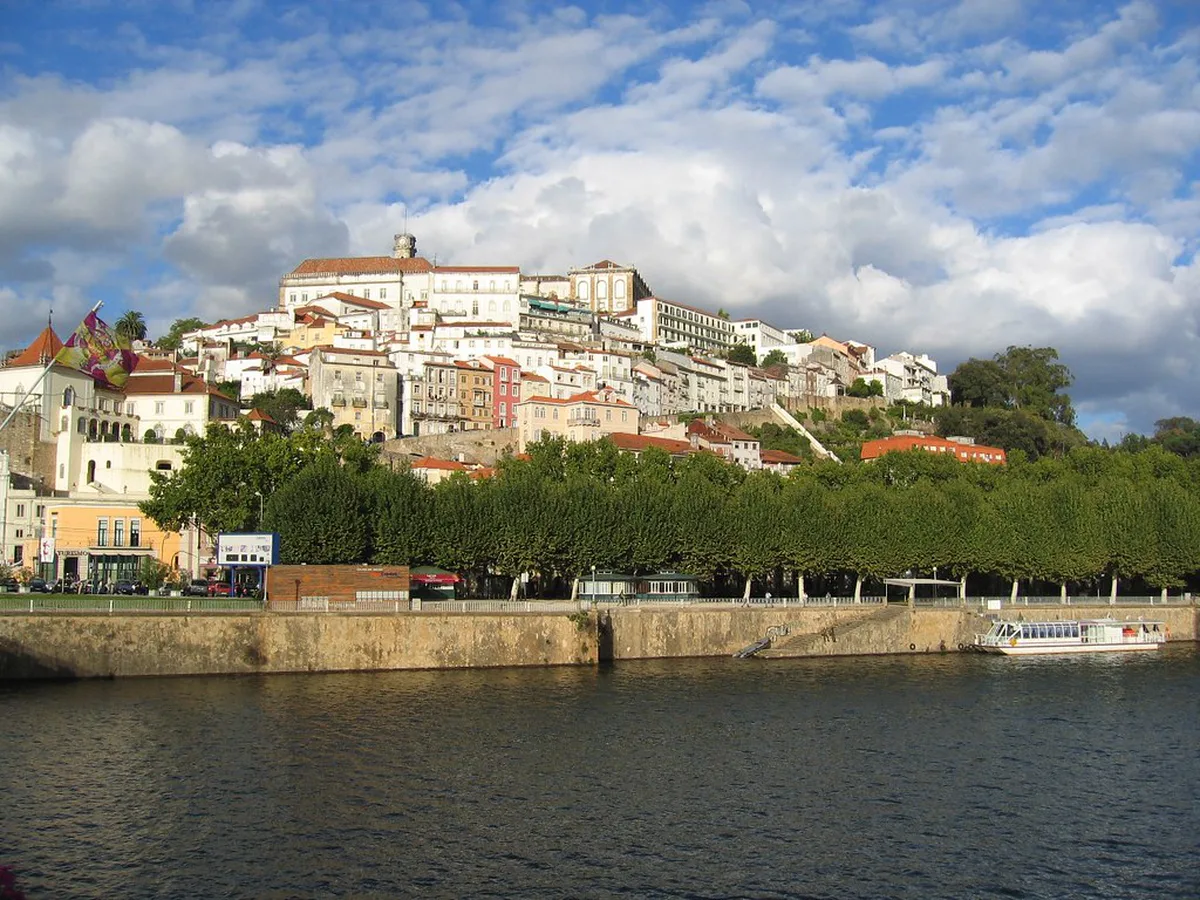
The city's decline came violently. The Suebi — a Germanic tribe — sacked Conimbriga in 468 AD, and its population gradually relocated north to what became Coimbra. That abandonment is, paradoxically, why so much survived. Unlike sites built over repeatedly, Conimbriga was left largely undisturbed for centuries. Today only around one tenth of the city has been excavated, meaning what visitors see represents a fraction of what lies beneath the fields surrounding the site.
The official Conimbriga museum provides the fullest picture of how the city functioned. Its displays include a colossal head of Augustus Caesar that originally stood in the Augustan temple, funerary monuments, and a striking mosaic depicting the Minotaur's head inside a maze. Buying the site guidebook at the ticket office is worth the few euros for anyone who wants the ruins to make full sense.
How to Get to Conimbriga from Coimbra in 2026
The most straightforward option is the Transdev direct bus from Coimbra. It departs from Largo da Portagem — the central square by the river — twice on weekdays (09:30 and 12:30) and once on weekends and public holidays (12:30 only). The single fare is €2.75, paid to the driver in cash; bring exact change or a small note. The bus makes stops along the way so allow 45 minutes for the journey. There is only one return bus: 13:25 on weekdays and 13:55 on weekends. Missing it means getting back by taxi or rideshare.
Uber and Bolt both operate from Coimbra to Conimbriga. The fare runs roughly €15–20 each way depending on demand. This is the most flexible option and worth considering if you plan to arrive after 12:30 or want to control your return time. Rideshare lets you add a stop in Condeixa-a-Nova — the nearest town, about 2 km from the ruins — where there are proper restaurants for lunch.
Driving takes around 20 minutes on the A1 motorway heading south, then following signs for Condeixa-a-Nova and the archaeological park. Parking at the site is free. If you are coming from Porto, allow about 90 minutes; from Lisbon, around two hours. Both cities have direct trains to Coimbra-B station, from which you can connect to the bus or pick up a rideshare. Always confirm the Transdev timetable before you depart, as schedules can change seasonally without notice.
| Option | Approx. fare / cost | Journey time |
|---|---|---|
| Transdev direct bus (from Largo da Portagem) | €2.75 single, cash to driver | ~45 minutes |
| Uber / Bolt rideshare | ~€15–20 each way | ~20 minutes |
| Driving (A1 motorway, free parking) | Fuel + tolls | ~20 minutes |
Admission, Opening Hours, and Free Entry Rules
The site is open every day from 10:00 to 19:00 (last entry around 17:15). It closes on 1 January, Easter Sunday, 1 May, and 25 December. Standard admission is €4.50 per adult. Children up to 12 years old enter free. Portuguese residents also enter free. Anyone visiting on a Sunday or public holiday after 14:00 enters free — a useful option if your schedule is flexible.
The entrance ticket covers both the ruins and the Monographic Museum. A combined visit is the only way to get the full picture: the museum contextualises the artifacts you will see in situ on the ruins circuit. Note that the museum typically closes before the outdoor ruins, so visit it first when you arrive. Groups who head straight to the ruins often find the museum shut by the time they loop back, as the Backpacks & Rugrats travel writers discovered on their visit.
There is only one return Transdev bus — 13:25 on weekdays, 13:55 on weekends. Note your return time before you set off; missing it means a €15–20 taxi or rideshare back to Coimbra.
Must-See Conimbriga Roman Attractions
The self-guided circuit starts on the left-hand path from the museum exit and loops clockwise through the entire site. Begin with the South Baths and the public bathing complex, where you can see the hypocaust underfloor heating channels clearly. From there the path passes the forum foundations, the city wall with its watchtower remains, and the House of Cantaber — one of the largest Roman private residences ever found in the western empire. It had its own bathing suite, ornamental pools, and a sophisticated heating system.
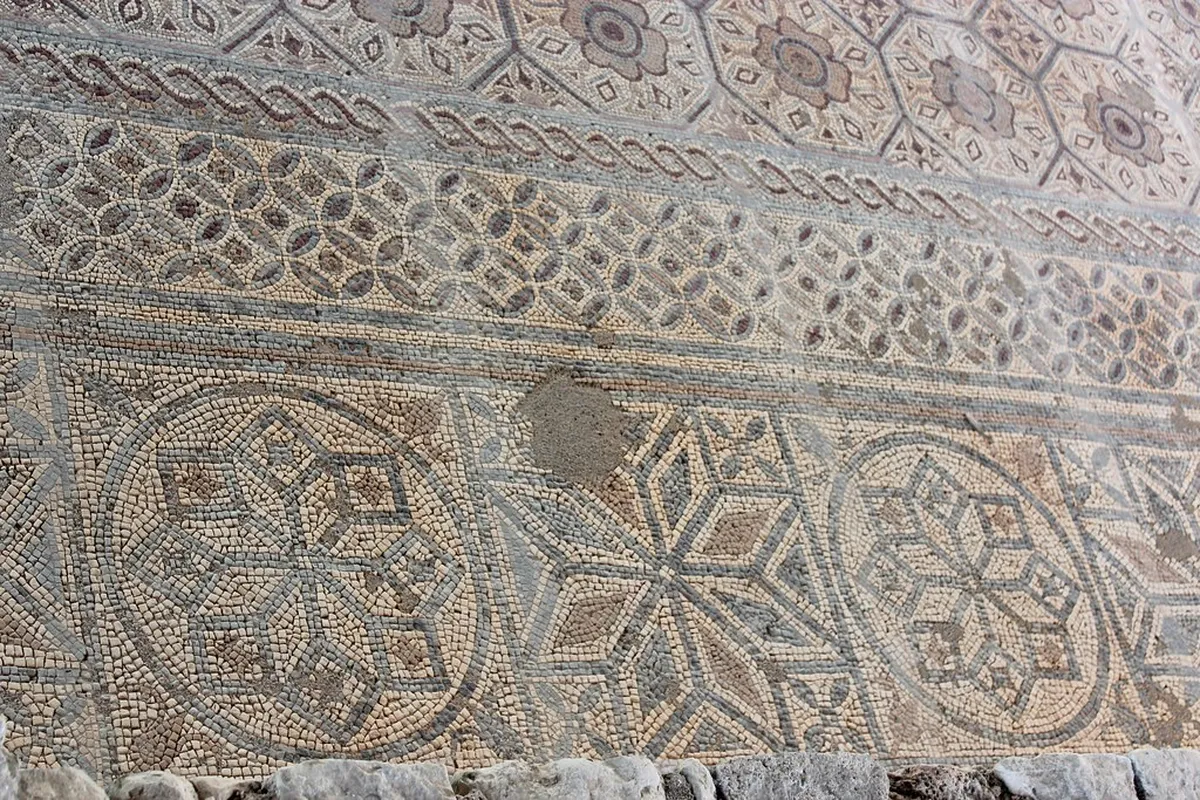
The highlight at the end of the circuit is the House of the Fountains, now protected by a permanent roof structure. This villa contains the best-preserved and most intricate mosaics on site: geometric patterns, hunting scenes, beasts, and mythological tableaux including Perseus holding Medusa's severed head. Look for the coin slot near the fountain basin — dropping in €0.50 activates a 2-minute water display that shows how the Roman hydraulic system originally worked. It is a small detail that no competitor guide mentions but that every visitor remembers.
Take the side paths off the main loop inside the House of the Fountains; they bring you within touching distance of individual mosaic panels that are easy to miss if you stay on the central walkway. Budget at least 40 minutes for this section alone. The mosaics are in near-perfect condition despite being more than 2,000 years old.
Museums, Art, and Culture at Conimbriga
The Monographic Museum of Conimbriga sits at the site entrance and should be your first stop. It houses the major finds from decades of excavation: pottery, coins, jewelry, everyday tools, and large-format mosaics removed for conservation. The standout piece is the colossal marble head of Augustus Caesar, originally from the Augustan temple at the heart of the Roman city. There is also a mosaic showing the Minotaur's maze that did not survive in situ but is displayed fully restored here.
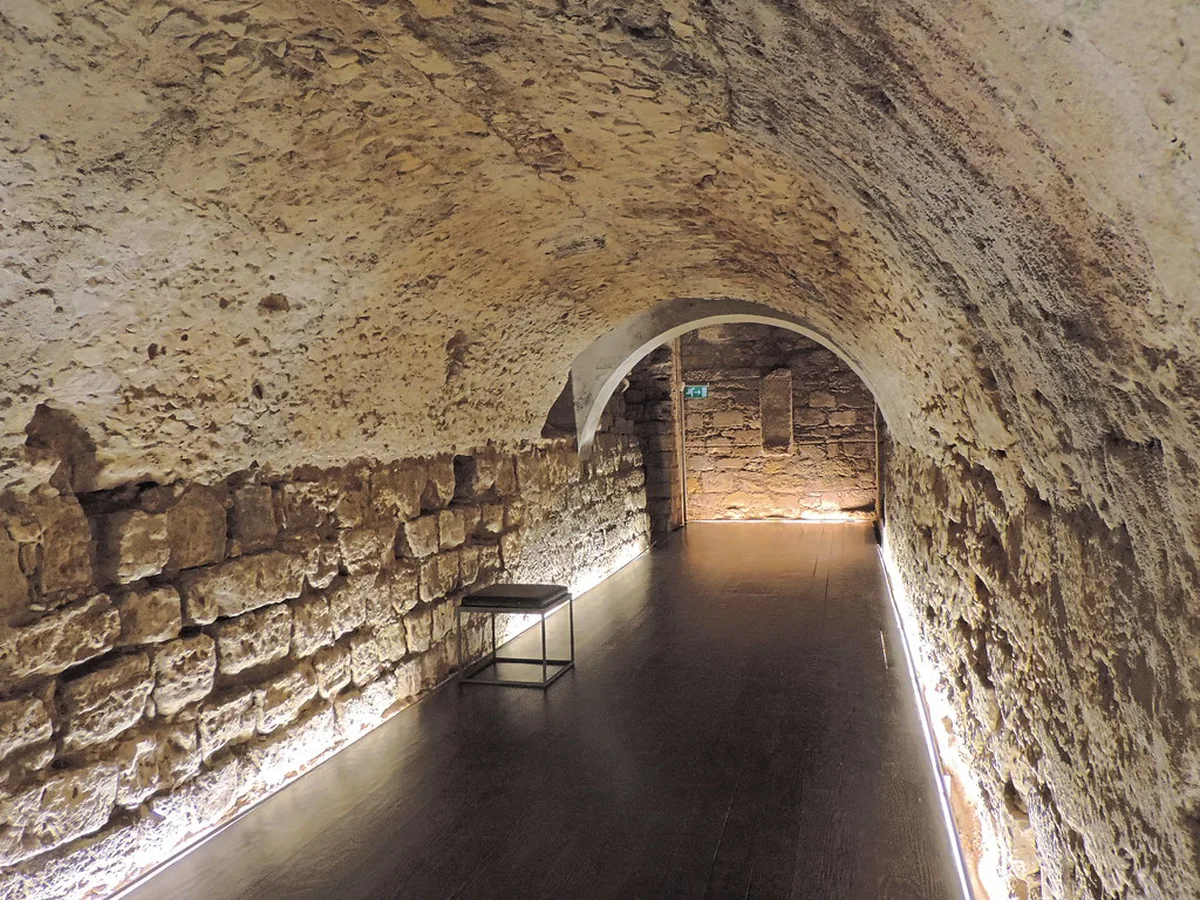
The museum also runs a visitor centre with clean restrooms, a small café-restaurant, and a gift shop selling site guidebooks and reproductions. The guidebook costs a few euros and is worth buying if you want the forum foundations and bath complexes to make sense as you walk the ruins. Staff at the ticket desk speak English and can answer questions about the circuit layout.
Parks, Gardens, and the Outdoor Experience
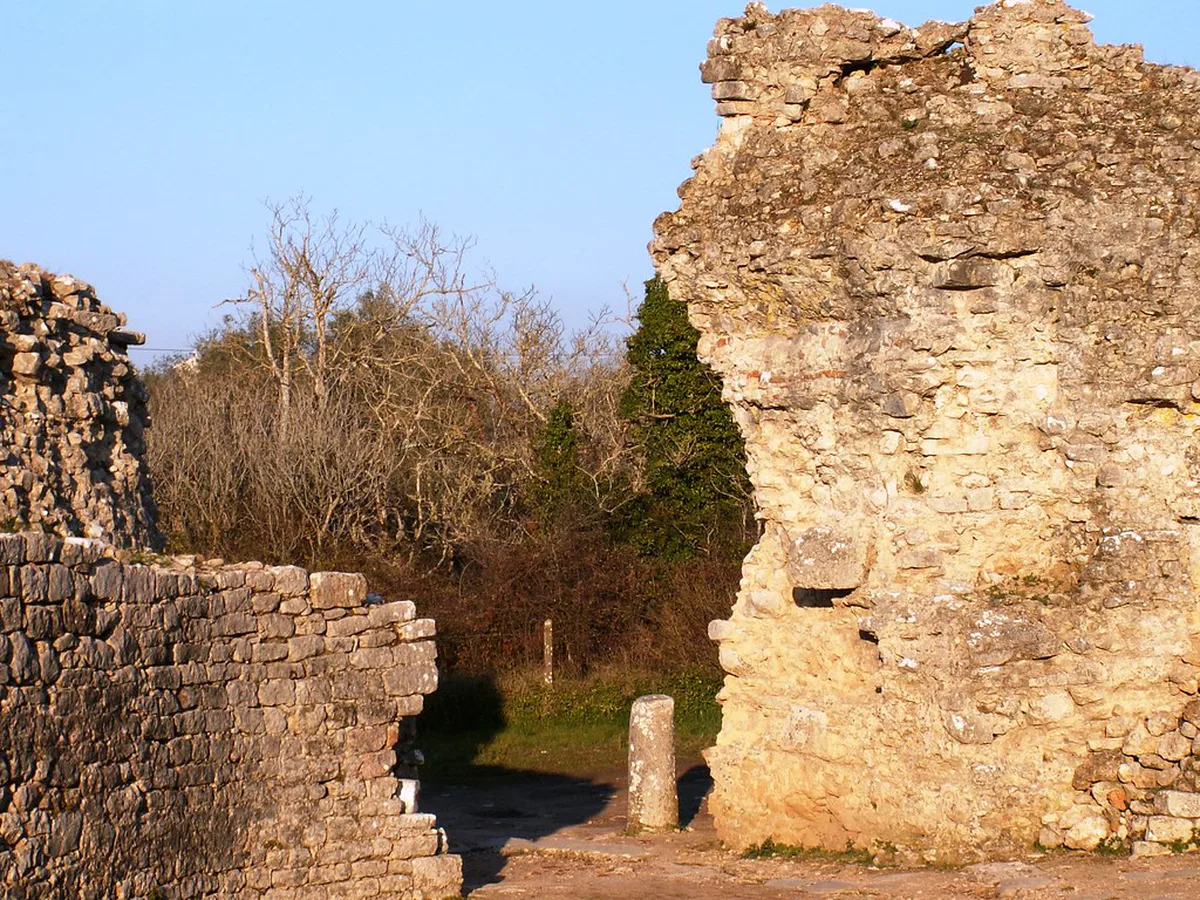
Conimbriga's ruins sit in open countryside rather than an urban setting. The archaeological park is largely flat, with wide gravel paths running between excavated zones. Columnated garden remains are visible in the House of Cantaber — the low stone columns that once framed an ornamental pool give a clear sense of how opulent private Roman estates were in the western provinces.
The site is almost entirely exposed to the sun. In summer, temperatures in the Coimbra region regularly exceed 35°C by early afternoon, and the ruins offer almost no shade except inside the covered House of the Fountains. Bring a hat, sunscreen, and at least one litre of water per person. Arriving at opening time (10:00) or in the late afternoon (after 16:00) keeps you out of the worst heat. The cafeteria on site sells cold drinks, but the selection is limited.
The surrounding landscape — rolling farmland and cork oak groves — makes for a pleasant backdrop when walking the outer walls. The city walls are particularly photogenic from the eastern side of the site, where you can trace the full defensive perimeter. Allow time to walk the full outer loop rather than cutting straight to the House of the Fountains.
Family-Friendly and Budget-Friendly Options
Conimbriga is one of the most accessible Roman sites in Iberia for families. The paths are wide, the loop is compact (around 2 km total), and there are no steep stairs or elevation changes. Children under 12 enter free, which makes this a very affordable outing from Coimbra — two adults on the bus and through the gate costs under €15 all in. The coin-activated fountain in the House of Fountains is a reliable crowd-pleaser for younger visitors.
The main limitation for families with pushchairs is surface texture: paths are compacted gravel, not tarmac, so a robust buggy handles it better than a lightweight stroller. For infants, a baby carrier is more practical. The museum has step-free access and clean family restrooms. Bringing snacks is advisable because the on-site cafeteria has a limited menu, though the coffee is decent.
Budget-conscious visitors should time the trip for a Sunday or public holiday after 14:00 to take advantage of free admission. Pair that with the €2.75 Transdev bus and you have a full afternoon of Roman history for under €6 per adult. The 13:55 weekend return bus gives you roughly 90 minutes on site if you arrive at 12:30, which is tight but workable for a focused visit. Driving gives you more control: stay until 17:15 (last entry) and return on your own schedule.
How to Plan a Smooth Conimbriga Day Trip
The 09:30 weekday bus is the best option for a full visit. You arrive by roughly 10:15, which gives you time to do the museum before it gets busy, then spend three to four hours on the ruins circuit before catching the 13:25 return. For official Portugal tourism resources, verify schedules before you travel. If you want more time — or plan to eat in Condeixa-a-Nova — take a rideshare back instead of the return bus.
Pack light but pack smart: water, sunscreen, a hat, and comfortable closed-toe shoes (the gravel paths are rough on sandals). The on-site cafeteria handles drinks and light snacks, but lunch options are poor. The Pousada de Condeixa-Coimbra — a converted palace hotel 2 km from the ruins in Condeixa-a-Nova — has a restaurant open to non-guests and makes an excellent lunch stop before or after the ruins.
First-time visitors should follow the circuit in the marked direction (left from the museum exit) rather than improvising their route. The signage is in Portuguese and English and the circuit is designed to build up to the House of the Fountains as a finale. Skipping ahead to the fountains first means walking back against the flow of other visitors. Spend the last 45 minutes of your visit in the museum if you did not do so at the start. You can find more the best nearby day trips to combine with this visit if you have extra days in the region.
Other Things to Do Nearby
Condeixa-a-Nova, the nearest town, is worth a brief stop for lunch or a coffee before driving back to Coimbra. The town itself is quiet but has several traditional tascas serving grilled fish and regional Serra da Lousã cheeses. The Pousada de Condeixa is also a good option even if you are not staying — the historic palace interior is worth a look.
If your schedule allows an extra day, the the Buçaco forest escape pairs well thematically — ancient history one day, medieval forest palace the next. The the canal city of Aveiro offers a completely different atmosphere with its canal boats and Art Nouveau architecture. For context on the wider city before or after your ruins visit, the the historic Old Town covers the university, Joanine Library, and the old Moorish quarter in detail.
Visitors with a car and a taste for archaeology can also combine Conimbriga with the Serra do Sicó limestone landscape to the southeast, which includes the Caves of Sicó and the village of Rabaçal. Allow a full day for this combination and bring your own food and water, as facilities are minimal in that area.
Frequently Asked Questions
Which Conimbriga Roman Ruins Day Trip from Coimbra (2026) options fit first-time visitors?
First-time visitors should choose the standard bus route or a guided half-day tour. These options cover the House of Fountains and the museum efficiently. Most tours include transport and entrance fees for a stress-free experience.
How much time should you plan for Conimbriga Roman Ruins Day Trip from Coimbra (2026)?
Plan for at least four to six hours to explore the entire archaeological site. This includes time for the museum, the villa ruins, and the defensive walls. Allow an extra hour for travel to and from Coimbra.
Is Conimbriga Roman Ruins Day Trip from Coimbra (2026) worth including on a short itinerary?
Yes, it is definitely worth it because it is the most significant Roman site in Portugal. The ruins are close to Coimbra and offer a unique historical perspective. You can easily see the highlights in just one morning.
Conimbriga rewards visitors who plan ahead — confirm the bus schedule, visit the museum first, and leave time for the House of the Fountains at the end of the circuit. The combination of intact mosaics, well-interpreted ruins, and an easy return to Coimbra makes this one of the most efficient historical day trips in central Portugal for 2026.