
The absolute cheapest time to visit Coimbra is mid-January to mid-February when hotel prices hit their annual lows. Guesthouses that charge €90 a night in August regularly drop to €45–€55 in January. Late spring (May to early June) and early fall (September to October) serve as the shoulder seasons — more comfortable in weather but noticeably pricier than winter. This guide breaks down the financial trade-offs of every season so your 2026 trip stays under budget.
Coimbra is a compact, walkable city anchored by one of Europe's oldest universities. The student population keeps prices low in the bars, bakeries, and smaller restaurants year-round. Choosing the right window lets you see the famous black-caped students while keeping your wallet full. The city consistently ranks among the top four most affordable urban destinations in all of Portugal.
The Absolute Cheapest Month to Visit Coimbra in 2026
January stands out as the most affordable month for a visit. Accommodation rates drop sharply after the Three Kings holiday on 6 January, and the lull holds until mid-February. You can often find well-reviewed central hotels for 30–50% less than August rates by checking Coimbra hotels during this quiet winter window. Budget guesthouses in the Baixa district routinely list at €35–€45 per night for a private room.
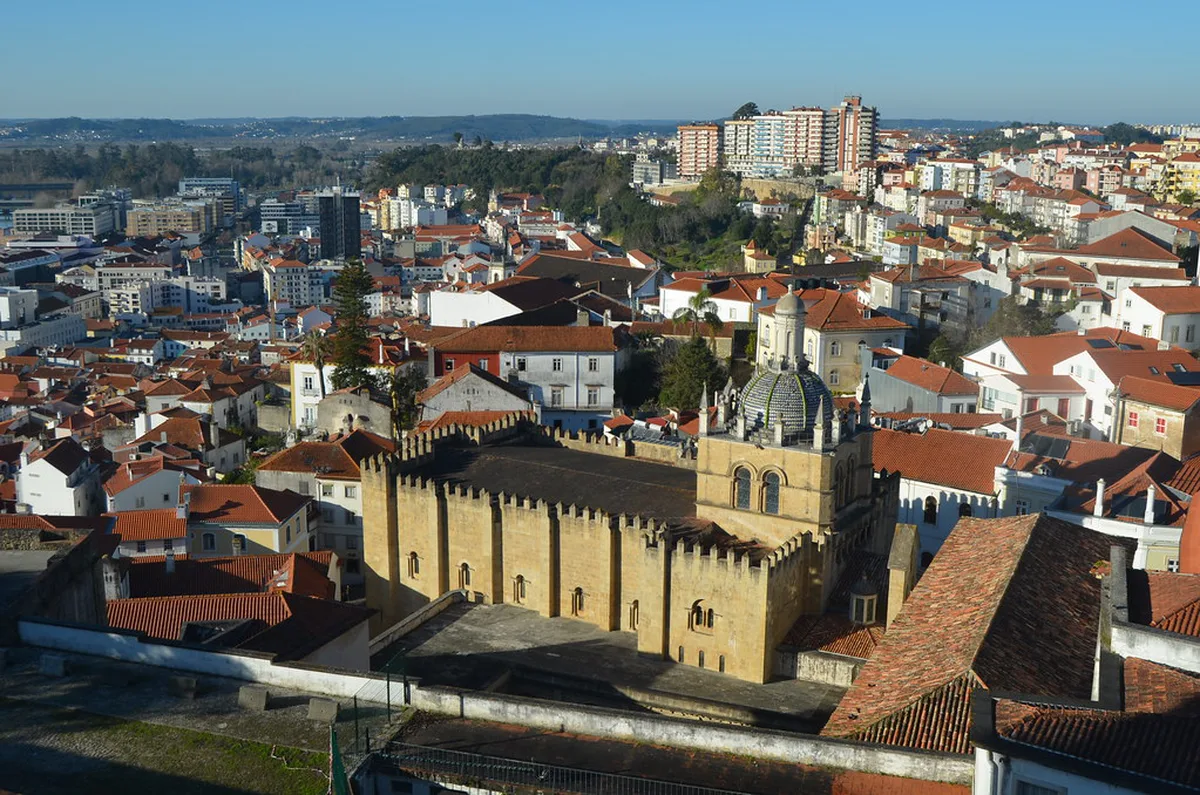
February stays budget-friendly, though prices inch up slightly around Valentine's Day in the city center. Temperatures run 5–14°C, requiring warm layers for evening walks along the Mondego River. Flights into Porto or Lisbon — the two nearest airports — are also at their seasonal lowest in January and February. This combination of cheap accommodation and cheap transport makes the winter window by far the best value for cost-conscious travelers in 2026.
The "Mondego Mist" often rolls in during January mornings, creating an atmospheric effect over the old stone bridges. Cafes are unhurried, service is warmer, and popular sites like the Joanina Library have no queues. Booking a central room at a place like the Hotel Oslo Coimbra gives you riverfront views and easy walking access to the Alta hill. Winter travel requires flexibility with outdoor plans, but the financial savings make the trade-off worthwhile.
Season Comparison for Budget Planning
Understanding the best time to visit Coimbra means balancing your budget against weather preferences and local events. Spring brings the famous student celebrations, which push up prices and fill every available hostel bed. Summer offers the most sun but also the highest prices, with temperatures reaching 28°C and accommodation rates to match. Fall provides mild weather and moderate prices as the academic year restarts.
Winter is the clear winner for cost-conscious travelers who can handle occasional rain and early sunsets. Most major attractions remain open year-round, so you lose very little access compared to peak season. The table below captures what each period means in practical terms for a 2026 budget trip.
| Season | Weather | Crowds | Prices | Events | Best for |
|---|---|---|---|---|---|
| Winter (Nov–Feb) | 5–14°C | Very Low | Lowest | Christmas Markets | Budget Seekers |
| Spring (Mar–May) | 9–21°C | High | Moderate–High | Queima das Fitas | Culture Fans |
| Summer (Jun–Aug) | 15–28°C | Very High | Highest | City Festivals | Sun Lovers |
| Fall (Sep–Oct) | 13–24°C | Moderate | Moderate | Fado Concerts | Photography |
Queima das Fitas Price Surge and Midweek Savings
May is the single most expensive week of the Coimbra calendar. The Queima das Fitas — the university's week-long graduation festival, typically held in the first or second week of May — drives hotel rates up by 150–200% compared to the surrounding weeks. Every hostel bed sells out weeks in advance, and even budget guesthouses charge luxury prices during the ribbon-burning ceremony and the nightly serenades. If your travel dates are flexible, shifting your arrival to late April or the third week of May cuts your accommodation cost by half.
A tactic that almost no general travel guide mentions: midweek arrivals in low season (Sunday night through Wednesday) are consistently cheaper than weekend arrivals in Coimbra. Because the city draws weekend visitors from Lisbon and Porto, Friday and Saturday nights attract a small but measurable price premium — often €10–€15 more per room even in January. Booking a Monday-to-Thursday stay in January or February and combining it with a low-fare regional train from Porto (Campanhã to Coimbra-B takes about 65 minutes on the intercidades, often under €10 booked in advance) gives you the maximum budget advantage for 2026.
The same principle applies to the Biblioteca Joanina entry. Timed-entry slots sell out on weekends throughout the year, but Monday-to-Wednesday slots in January are often available same-week on the University of Coimbra's official booking page. Visiting midweek in winter means shorter queues, cooler rooms, and no extra cost.
Book a Monday-to-Thursday stay in January or February to avoid the €10–€15 weekend room premium, and steer clear of the Queima das Fitas week in early May when rates jump 150–200%.
Must-See Cheapest Time Attractions
The University of Coimbra complex is the city's crown jewel and the anchor of any budget visit. A combined ticket covering the Joanina Library, the Royal Palace, the chapel, and the ceremonial rooms costs around €12–€15 per adult. In the low season you can take your time — no jostling on the narrow library stairs, no rushing through the ceremonial hall. Inside the Joanina Library, a colony of bats acts as natural pest control by eating the insects that would otherwise damage the 18th-century volumes; the library leaves bowls to collect droppings each morning before it opens.
The Museu Nacional de Machado de Castro, housed in a former bishop's palace above the old town, is one of Portugal's finest art museums and well worth the entry fee of around €6. Its Roman cryptoporticus — an underground gallery of vaulted corridors — sits directly beneath the palace and is rarely crowded even in summer. In January you may have the entire underground section to yourself. The Sé Velha (Old Cathedral) charges a small entry fee for the cloister and is free to enter the main nave.
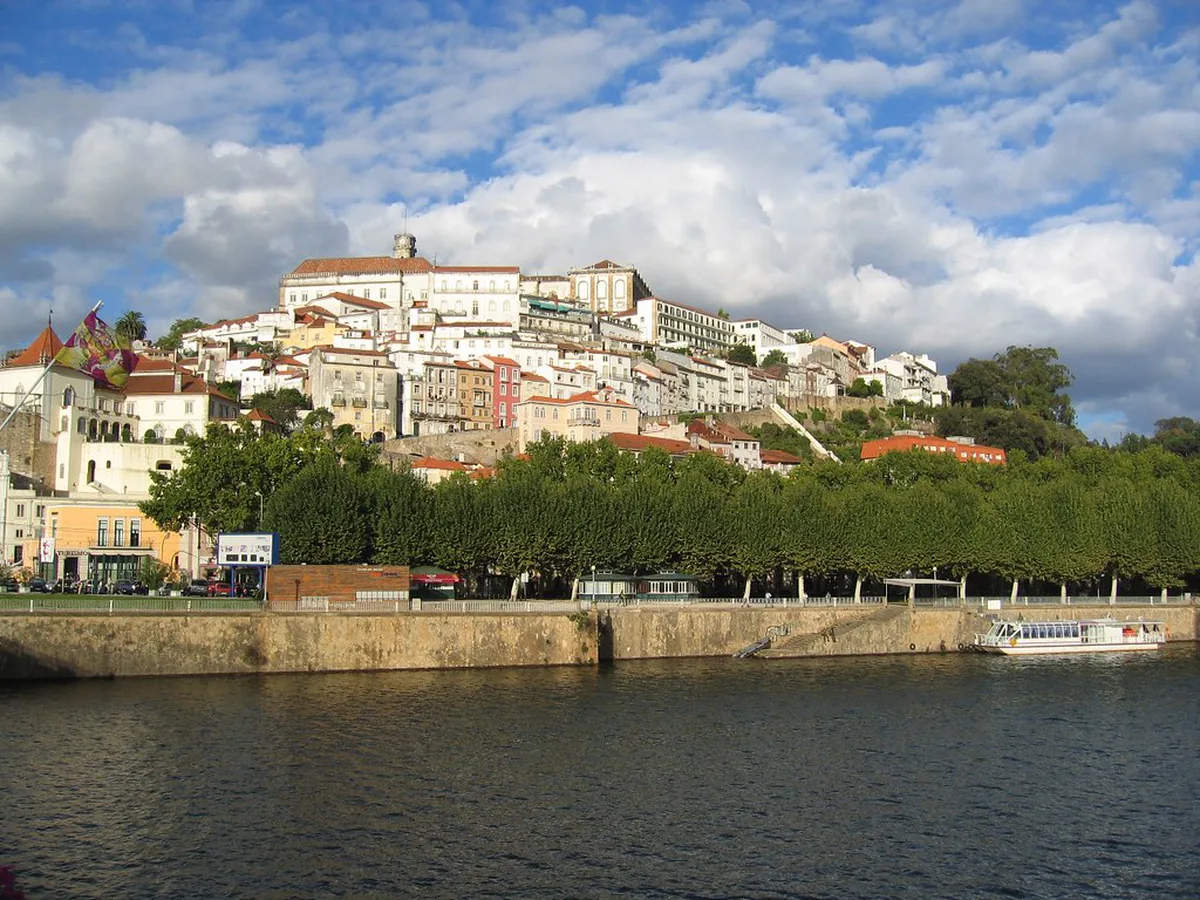
Free attractions that hold up in winter include the Botanical Garden of the University, Santa Cruz Church's main hall, the Sereia Garden, and the Porta e Torre de Almedina. Walking the Mondego riverside promenade costs nothing and gives you the best unobstructed views of the old town skyline. The quiet side streets of Coimbra's historic neighborhoods are at their most accessible in winter when tour groups have thinned out.
Museums, Art, and Culture in Low Season
Fado de Coimbra is a culturally distinct experience that differs sharply from the Lisbon version most visitors encounter. In Coimbra, Fado is sung exclusively by men — traditionally university students and graduates — in a style that is slower, more introspective, and academically codified. Watching a performance at Fado ao Centro in the historic center costs around €10–€12 and includes an introduction in English to the tradition. In January and February, these venues often have open seats available on the night, whereas in summer you need a reservation days in advance.
The Bissaya Barreto House Museum is a hidden gem close to the university that most budget guides skip entirely. Entry costs around €5 and covers the historic house of the physician-philanthropist Bissaya Barreto, including his art collection, Portuguese tile panels, and garden. It is genuinely quiet even in shoulder season and practically empty in winter. For anyone with an interest in Portuguese decorative arts or local history, it punches well above its price.
The Santa Cruz Church and Monastery in the lower shopping district houses the tombs of the first two Portuguese monarchs, Afonso Henriques and Sancho I. Entry to the main nave is free; the sacristy and cloister are ticketed. In winter, the tile-lined interior is bathed in low-angled light that makes for excellent photography without the usual crowd of visitors blocking the aisle.
Parks, Gardens, and Outdoor Spots in Low Season
The Botanical Garden of the University of Coimbra is free to enter and remarkably lush even in the depths of winter. Its bamboo section, greenhouses, and evergreen plantings mean the garden never looks completely bare. Walking the paths under the old aqueduct on a clear January afternoon costs nothing and provides a calm break from the city's steep streets. The garden is immediately adjacent to the university complex, so you can combine both in a single morning.

The Jardins da Quinta das Lágrimas — the gardens associated with the local legend of Pedro and Inês de Castro — charge a small entry fee via the adjoining golf club but are otherwise uncrowded in winter. The grounds feel genuinely magical when morning mist from the Mondego hangs low over the paths. Penedo da Saudade offers panoramic views of the city and the river without any entry fee. Santa Cruz Park in the lower city has stone fountains and mossy stairs that photograph particularly well in the flat winter light.
Family-Friendly and Budget-Friendly Options
Portugal dos Pequenitos is a miniature theme park in Coimbra featuring scaled-down replicas of the country's most iconic monuments, built in the 1940s as both entertainment and a crash course in Portuguese history. Ticket prices are reasonable — around €8 for adults and €5 for children — and the park is significantly less crowded in winter. The outdoor format works better on a crisp clear day than in summer heat, and children who struggle with standard museum visits typically love the walk-through miniature architecture.
Dining on a family budget is very manageable in Coimbra compared to Lisbon or the Algarve. Look for the Prato do Dia at lunch in neighborhood restaurants rather than the main tourist squares — a full meal with soup, main course, and coffee runs €8–€12 per person. Bakeries in the Baixa district sell fresh pastries and sandwiches for €1–€3, making breakfast genuinely cheap. The student-heavy local bar scene also keeps beer and wine prices well below Lisbon levels, typically €1.50–€2.50 for a draft beer in a side-street bar.
How to Plan a Smooth Low-Season Day
Start at the Joanina Library when it opens at 09:00 to secure your timed-entry window and to beat any late-morning traffic from day-trippers arriving from Lisbon or Porto. Walk the university complex — the Royal Palace, the chapel, the Iron Gate — before heading downhill through the Alta toward the Sé Velha. The descent through the medieval lanes is the most picturesque part of the old town and costs nothing. By 12:30 you are well-positioned in the lower city for a cheap Prato do Dia lunch.
After lunch, walk along the Mondego riverside to Portugal dos Pequenitos if you are traveling with children, or continue to the Machado de Castro Museum for the Roman cryptoporticus if you prefer history. Both are manageable in two hours. By 17:00 in January, sunset is approaching, so head to Penedo da Saudade or the Santa Clara Novo viewpoint for dusk light over the river before dinner. Evening Fado performances at Fado ao Centro typically begin at 18:00 or 19:00, giving you a natural endpoint to the day.
In winter, carry a compact umbrella at all times — afternoon showers are brief but frequent. Wear rubber-soled shoes on the Alta's wet cobblestones. The Quebra Costas stairs (literally "Back Breaker") between the upper and lower city are slippery after rain, so take them slowly or use the parallel street instead.
Backpacking in Coimbra: Neighborhoods and Costs
Coimbra ranks consistently among the top four budget destinations in Portugal, behind only smaller inland towns. The Baixa district is the best base for backpackers: it sits flat along the river, puts you within ten minutes' walk of both the train station and the old town, and has the city's main concentration of Coimbra hostels. A dorm bed in a well-reviewed hostel costs €15–€22 per night in January.
The Alta district on the hilltop offers a more traditional academic atmosphere directly adjacent to the university, but its steep streets and limited flat walking make it physically tiring for anyone carrying luggage. It also has fewer budget accommodation options. The practical trade-off: stay in the Baixa for logistics and cost, visit the Alta on foot during the day. The social scene in the Baixa — student bars, cheap tascos, occasional street musicians — makes the lower city more engaging in the evenings anyway.
The university calendar shapes prices across the whole city. Always check the academic schedule before booking: graduation weeks in May and the start of the academic year in mid-October both cause short-lived price spikes in otherwise reasonable months. Outside those windows, November, December, and January consistently offer the lowest hostel and guesthouse rates of the year.
Affordable Day Trips: Easy Escapes from Coimbra
Coimbra's position in central Portugal makes it an excellent base for budget day trips by regional train. Aveiro — the "Venice of Portugal" with its colorful moliceiro boats and Art Nouveau architecture — is about 45 minutes from Coimbra-B station on the intercidades, typically costing €6–€9 each way when booked in advance via the CP (Comboios de Portugal) website. Figueira da Foz, known as the "Queen of Portuguese Beaches," is around 40 minutes by train and gives you access to one of central Portugal's widest sandy beaches for the cost of a €5 return ticket in off-peak months.
Conímbriga, the best-preserved Roman archaeological site in Portugal, is reachable by bus from Coimbra in about 40 minutes. Admission to the site and its museum runs approximately €6. For day-trippers who prefer guided transport, Civitatis runs a Conímbriga tour from Coimbra that includes return transfers and a guide for around €25 per person — still very reasonable for a half-day. In winter, both Aveiro and Conímbriga are uncrowded and easy to navigate at your own pace.
| Destination | Travel time | Approx. cost |
|---|---|---|
| Aveiro (train, intercidades) | ~45 min | €6–€9 each way |
| Figueira da Foz (train) | ~40 min | €5 return (off-peak) |
| Conímbriga (bus) | ~40 min | ~€6 admission |
| Conímbriga (guided tour, Civitatis) | Half-day | ~€25 per person |
Safety Tips and Common Scams in Coimbra
Coimbra is one of the safer mid-sized cities in Portugal, but the physical terrain creates its own hazards. The Quebra Costas stairs and the cobblestone lanes of the Alta become genuinely slippery after rain. Flat-soled shoes with rubber grips are essential in winter; stylish leather soles are a genuine safety risk on wet tilework. Take the stairs one at a time and use the handrail — this is not overcaution, it is practical advice for a city where the streets were designed before rubber soles existed.
The most common tourist-facing scam in Coimbra follows the same pattern found across southern Europe: someone approaches with a "free" gift — typically a braided bracelet — places it on your wrist, and then demands payment. The fix is simple: decline firmly before they make contact, and do not take anything handed to you near the main tourist entrances on the Alta. Petty theft from bags in crowded areas around the train station is also worth guarding against; use a zipped front pocket or a cross-body bag for cards and cash. For broader context on staying safe in Portugal, the Portugal travel guides on this site cover general security and transport safety across the country.
Frequently Asked Questions
When is the cheapest time to fly to Coimbra?
The cheapest flights usually arrive in January or February. You should fly into Porto or Lisbon and take the train. Booking at least two months in advance helps secure the lowest fares.
Is Coimbra expensive for food and drink?
Coimbra is very affordable compared to Lisbon or the Algarve. A local lunch special often costs under 10 Euros. Students keep the prices low in most neighborhood bars and cafes.
What is the weather like in Coimbra during the cheapest months?
Winter weather is cool and often rainy with temperatures around 10°C / 50°F. You will see frequent morning mist from the river. Sunny days still occur throughout the winter season.
Visiting Coimbra in 2026 on a budget is entirely possible if you target January or February, avoid the Queima das Fitas week in May, and book midweek stays. The combination of low hotel rates, free outdoor attractions, and student-driven pricing on food and drink makes it one of the most cost-effective city breaks in Portugal. By following the day-planning approach above, you can cover the university, the riverside, and a Fado performance in a single affordable day. The soul of this historic city is accessible without overspending.