
Updated May 2026 from my spring 2026 visit to this stunning riverside city. I visited Coimbra in late May during the peak of the university celebrations. Mid-May to early June is the best time to visit Coimbra for most travelers. The city comes alive with student traditions that you will never forget.
Queima das Fitas is the largest student festival in all of Europe. It celebrates the end of the academic year with parades and music. The Serenata Monumental is a hauntingly beautiful fado performance at the Old Cathedral. Graduating students burn their faculty ribbons to mark their transition to adulthood.
Our late-May trip hit a sudden heatwave during the main parade. I remember the intense sun reflecting off the white limestone buildings. Carrying a reusable water bottle saved us from the midday heat. The atmosphere during this season is electric and unlike any other city.
What is Queima das Fitas? (The 2026 Event Guide)
The Queima das Fitas festival is the cultural heart of Coimbra's identity. It typically takes place during the first two weeks of May each year. You can check the cm-coimbra.pt website for official 2026 dates and programme updates. The event draws thousands of visitors to the narrow streets of the Alta district.
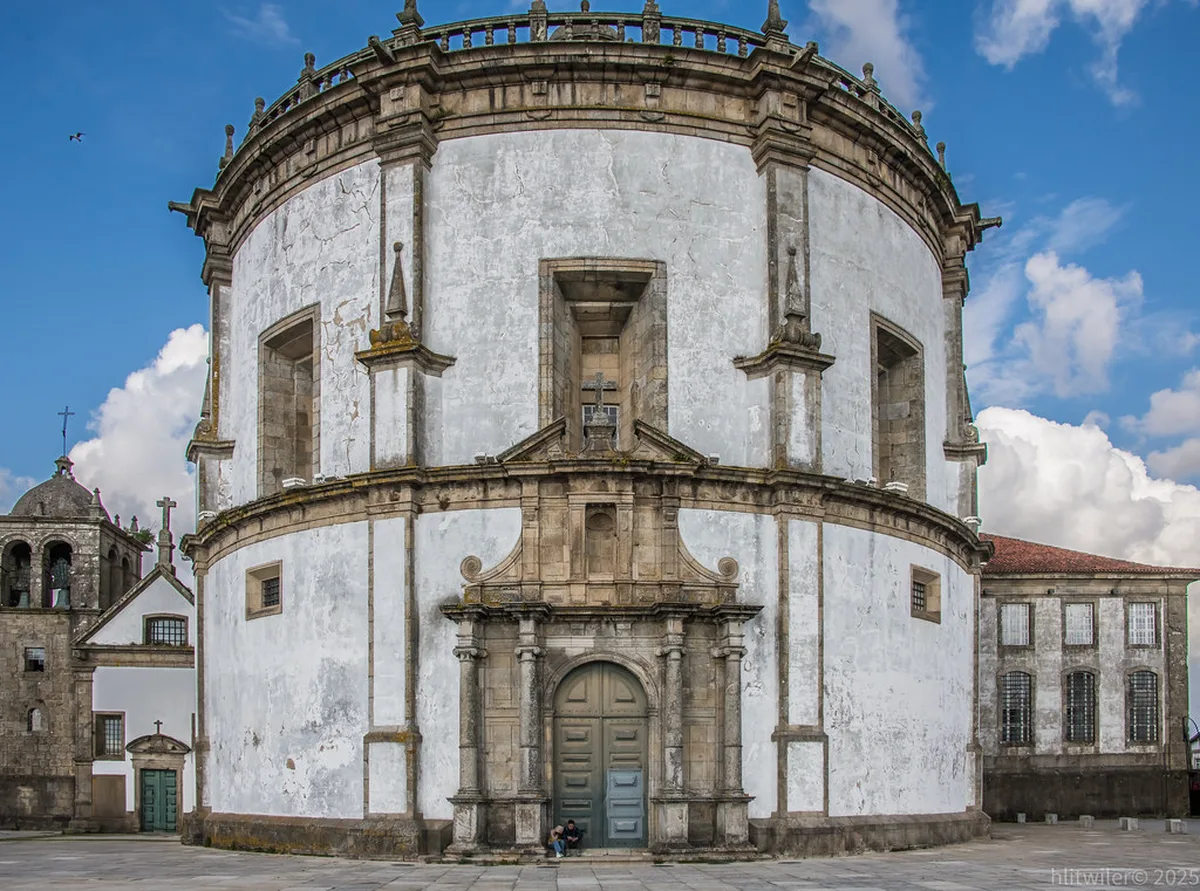
The Serenata Monumental marks the official start of the week-long festivities. Crowds gather at midnight in front of the Sé Velha to hear student fado performed by graduating men in black capes. This music is distinct from Lisbon fado — it is scholarly, melancholic, and only sung by students of the University of Coimbra. It is an emotional experience that captures the spirit of the university and one no visitor should miss.
The Cortejo is the grand daytime parade that follows later in the week. Student groups march through the city centre in faculty costumes, accompanied by floats and live music. Hotels and guesthouses in the historic centre fill up weeks in advance during Queima week, so book as soon as the official dates are announced — typically in January or February.
Reading the Ribbons: What the Faculty Colors Mean
One of the most striking things about Queima das Fitas is the sea of colored ribbons worn by graduating students during the processions. Each faculty has its own color, and knowing which is which transforms the Cortejo parade from a noisy spectacle into something legible and moving.
- Law (Direito) — red: the oldest and most prominent faculty, red ribbons dominate the parade
- Medicine (Medicina) — yellow: students often wear stethoscopes alongside their yellow ribbons
- Engineering (Engenharia) — dark blue: one of the largest cohorts in recent years
- Arts and Humanities (Letras) — light blue: traditionally associated with fado and poetry
- Science and Technology (FCTUC) — orange: added in later decades as the sciences expanded
- Economics (Economia) — green: students are sometimes called "the merchants" by rival faculties
- Pharmacy (Farmácia) — purple
- Psychology and Education Sciences — pink
| Faculty | Ribbon Color | Note |
|---|---|---|
| Law (Direito) | Red | Oldest faculty; red dominates the parade |
| Medicine (Medicina) | Yellow | Students often wear stethoscopes |
| Engineering (Engenharia) | Dark blue | One of the largest recent cohorts |
| Arts and Humanities (Letras) | Light blue | Associated with fado and poetry |
| Science and Technology (FCTUC) | Orange | Added as the sciences expanded |
| Economics (Economia) | Green | Nicknamed "the merchants" |
Graduates burn their ribbon on the final night as a formal farewell to student life. If you are watching the parade, look for the faculty banners at the front of each group — they confirm the color code above. The burning itself is intimate and not always open to the public, but the surrounding celebrations along Rua Larga are accessible to all.
Spring 2026 Weather, Crowds, and Seasonal Trade-offs
Spring weather in Coimbra is pleasantly mild with plenty of sunshine. Temperatures usually range between 15–24°C during the day in April and May, rising toward 26–28°C by early June. Occasional Atlantic breezes can bring a slight chill during evening hours, so a light layer is useful after dark. The Mondego river mist often blankets the lower city on spring mornings and clears by midday.
March and April are the quietest spring months. Crowds are modest, accommodation is easier to find, and the Jardim Botânico da Universidade de Coimbra is at its best — wisteria and camellia bloom along the shaded lanes beside the 18th-century aqueduct, and the cactus house is open year-round. If you care more about pleasant walking weather and photogenic gardens than the festival itself, late March or April is the better choice.
May is a different city entirely. Queima week brings hotel occupancy near 100 percent in the historic centre, prices rise sharply, and noise levels in the Alta district stay high until 03:00 on festival nights. The trade-off is access to the Serenata Monumental and the Cortejo parade — experiences with no equivalent elsewhere in Portugal. Book accommodation at least two months ahead for any dates in the first three weeks of May, and consider staying in the Baixa (riverside) area if you need quieter nights.
| Month | Avg High | Crowds | Hotel Prices | Key Reason to Visit |
|---|---|---|---|---|
| March | 16°C | Low | Low | Gardens beginning to bloom, quiet monuments |
| April | 19°C | Moderate | Moderate | Best weather for walking, botanical garden peak |
| May (Queima week) | 23°C | Very High | High | Serenata Monumental, Cortejo parade |
| June | 27°C | Moderate | Moderate | Post-festival calm, long evenings on the river |
Where to Stay in Coimbra: Alta vs Baixa
Coimbra divides naturally into two districts. The Alta is the hilltop university quarter — steep medieval streets, the Biblioteca Joanina, the Sé Velha, and the heart of Queima dos Fitas action. Staying here puts you closest to the parades and midnight serenatas, but the streets are very noisy during festival week and the climb from the train station takes 20–25 minutes on foot. The Alta suits visitors who want total immersion in student culture and don't mind noise.
The Baixa is the riverside lower city. It is flat, easier to navigate with luggage, and closer to the main train station (Coimbra-B is a few minutes by connecting train; Coimbra-A station is in the Baixa itself). Cafes, restaurants, and the Monastery of Santa Cruz are all walkable. During Queima week the Baixa is noticeably calmer after midnight, making it the smarter base if you are traveling with family or want reliable sleep.
Budget travelers will find the best hostels in Coimbra concentrated near the Baixa and the main shopping street, Rua Ferreira Borges. For mid-range stays, the Hotel Oslo Coimbra offers solid river views at a reasonable price point. Luxury travelers can consider boutique guesthouses near the Quinta das Lágrimas gardens on the south bank of the Mondego.
Book at least two months ahead for any dates in the first three weeks of May 2026 — historic-centre hotels hit near 100% occupancy during Queima week and prices rise sharply. If you need quieter nights, base yourself in the riverside Baixa rather than the noisy hilltop Alta.
How to Get Around Coimbra During Queima Season
Coimbra's lower city is pedestrian-friendly and most Baixa attractions sit within easy walking distance of one another. The challenge is the hilltop Alta district, where the university campus, Biblioteca Joanina, and Sé Velha all require a steep climb of roughly 15–20 minutes from the riverside. During Queima week, that climb in afternoon heat while dodging parade crowds can be exhausting.
The practical shortcuts are the public elevators and funiculars managed by SMTUC, the city transport operator. The Elevador do Mercado connects the lower market area to the university zone and runs throughout the day. City bus routes 29 and 34 also climb to the Alta from the central Praça da República — a single ride costs around €1.50. Taxis and ride-hailing apps are reliable but in short supply during Queima nights; book your return ride before the parade ends, not after.
The broader public transport network in Coimbra is efficient for a city its size. Trains from Lisbon take about 1 hour 40 minutes (Alfa Pendular from Oriente); from Porto the journey is just over an hour from Campanhã. Both trains arrive at Coimbra-B, where a short connecting train takes you to Coimbra-A in the city centre. Check SMTUC's site for current bus fares and schedules, as they update seasonally.
How Long to Spend in Coimbra: 1-Day and 2-Day Plans
One full day is enough to see Coimbra's core highlights if you start early. Begin at the Biblioteca Joanina — timed entry is required, so book online in advance. Walk through the university campus to the Paços das Escolas for the city panorama, then descend to the Sé Velha. After lunch in the Baixa, visit Santa Cruz Monastery and end the afternoon at the Jardim Botânico. If you are visiting during Queima week, save the evening for the Serenata Monumental at the Sé Velha starting around midnight.
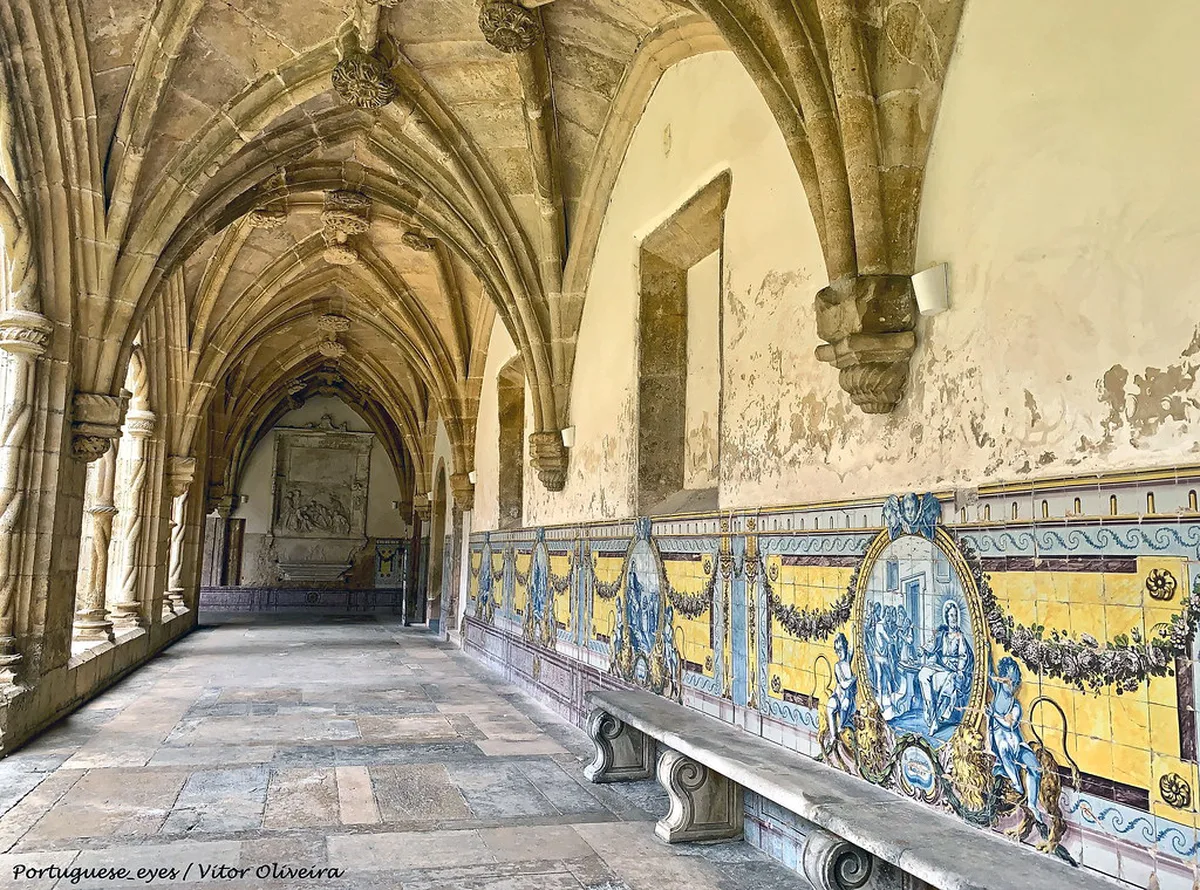
Two days lets you slow down and go deeper. On the second day, cross the Mondego to the Monastery of Santa Clara-a-Nova for the gilded interior and the best viewpoint over the city. Spend the afternoon at Portugal dos Pequenitos or the Museu Nacional de Machado de Castro, which sits above a Roman cryptoporticus. In the evening, catch a live fado performance at Fado ao Centro on Rua do Quebra Costas — concerts run daily and include English explanations of the lyrics and tradition.
Three days is the sweet spot if your visit overlaps with Queima das Fitas. Use the third day for a day trip to Conimbriga Roman ruins (40 minutes by bus) or Aveiro by train (45 minutes). Staying three nights also means you can rest after late festival nights without losing sightseeing time the next morning.
Best Day Trips and Tours from Coimbra
Conímbriga is the most historically rewarding day trip from Coimbra and consistently appears across every competitor guide for good reason. The site is the best-preserved Roman settlement in Portugal, with intact mosaic floors, hypocaust heating systems, and a reconstructed house showing daily Roman life. Buses depart from Coimbra's main bus terminal and reach Conímbriga in about 40 minutes. Guided tours that include transport are a worthwhile option if you want context beyond the on-site museum labels.
Aveiro is the most popular excursion for travellers who want a contrast to Coimbra's hilltop academia. Known as the Portuguese Venice, it sits 45 minutes north by train and offers pastel-colored Art Nouveau buildings, canal boat rides in traditional moliceiros, and the ovos moles pastry shops on Rua Coimbra. It is compact enough to see in a half-day, meaning you can combine it with a morning in Coimbra and still return for the evening. If you are based in Porto, tours combining Aveiro and Coimbra in one long day are a practical option.
Figueira da Foz, a coastal resort town 40 minutes west by train, provides the sharpest contrast to the city: wide sandy beaches, a seafront promenade, and fresh grilled fish at the harbour restaurants. It is a low-planning day trip best suited to visits outside Queima week, when you have a free afternoon and the Atlantic is warm enough to wade.
Local Food: What to Eat in Coimbra in Spring
Coimbra has a distinct food culture that sits between the coastal fish traditions of the Beira Litoral and the inland meat dishes of Beira Alta. The signature dish is chanfana — lamb or goat slow-cooked in red wine and spices inside a black clay pot, traditionally prepared by the women of Vila Nova de Poiares but found on menus across the city. It is rich and heavy, better suited to an autumn or winter evening, but tascas in the Alta serve it year-round.
For spring eating, the lighter options are more appealing. Pastéis de Tentúgal are flaky pastry tubes filled with egg cream, sold in bakeries near Santa Cruz Monastery and named after the village where Clarisse nuns first made them. Grilled fresh fish from the Mondego is plentiful in riverside restaurants in April and May before summer heat drops water levels. The student canteens near the university charge €3–4 for a full lunch — a practical option for budget travelers even if they are not enrolled students, as access during term is often informal.
Republicas are the student houses that define Coimbra's social fabric. These are not restaurants but historic communal houses decorated with political murals and protest posters. Some Republicas open their doors during Queima week for outside visitors seeking affordable drinks and the chance to speak with students. Finding them requires local knowledge — ask staff at your hostel — but the experience is far more authentic than any tourist-facing fado bar.
Safety Tips and Common Scams in Coimbra
Coimbra is one of Portugal's safest cities for visitors. Petty theft is the primary risk and it concentrates around the train stations and crowded Queima parade routes. Keep bags closed and phones in front pockets during the Cortejo — the narrow lanes of the Alta become dense with bodies and distraction tactics are easy to execute in a crowd of tens of thousands.
The most common scam targeting tourists in Coimbra is the overcharging taxi. Confirm that the meter is running before the journey starts, or use the Uber and Bolt apps which display a price estimate upfront. During Queima week, some unlicensed drivers offer rides from the station at inflated flat rates — decline and use the app instead.
Accommodation scams around festival week have increased since 2024, particularly on informal rental platforms. Fake listings targeting Queima visitors typically show prices 30–50% below market rate and request payment via bank transfer before booking is confirmed. Stick to established platforms with cancellation policies. The official Coimbra municipal site at cm-coimbra.pt lists registered accommodation providers if you want a vetted option.
Travel Costs: Budgeting for Coimbra in 2026
Coimbra is noticeably cheaper than Lisbon or Porto for most categories of spending. A hostel dorm during non-festival weeks costs €18–25 per night; during Queima week the same bed rises to €35–50. A private double in a well-reviewed mid-range hotel runs €80–110 outside festival season and €130–180 during the first two weeks of May. Book early and check refundable rates — official Queima dates sometimes shift by a few days and you want flexibility.
Daily food costs are low by Portuguese standards. A full lunch at a neighbourhood tasca costs €9–13 including wine; a coffee and pastel de nata at a Baixa cafe costs €1.80–2.50. The main sightseeing expense is the University of Coimbra ticket, which covers the Biblioteca Joanina, the Paços das Escolas, and the Chapel of São Miguel — expect to pay €12–19 depending on the combination chosen. Entry to the Jardim Botânico is free. Santa Cruz Monastery charges a small fee of around €2.50 to access the sacristy and cloister.
A mid-range budget for two full days in Coimbra, excluding accommodation, comes to roughly €60–80 per person. This covers one university ticket, meals at local tascas, a fado concert at Fado ao Centro (approximately €18 including a glass of port), and city bus fares. Add €15–20 per person for a day trip to Conimbriga or Aveiro by public transport.
Why Coimbra Is a Top City for 2026 Backpackers
Coimbra is currently ranked the fourth best city in Portugal for backpackers, ahead of several better-known destinations. The combination of affordable prices, a compact walkable centre, and the Queima das Fitas festival gives it a cultural density that few cities of its size can match. It is easy to reach from both Porto and Lisbon, making it a natural stop on a Portugal itinerary rather than a detour.
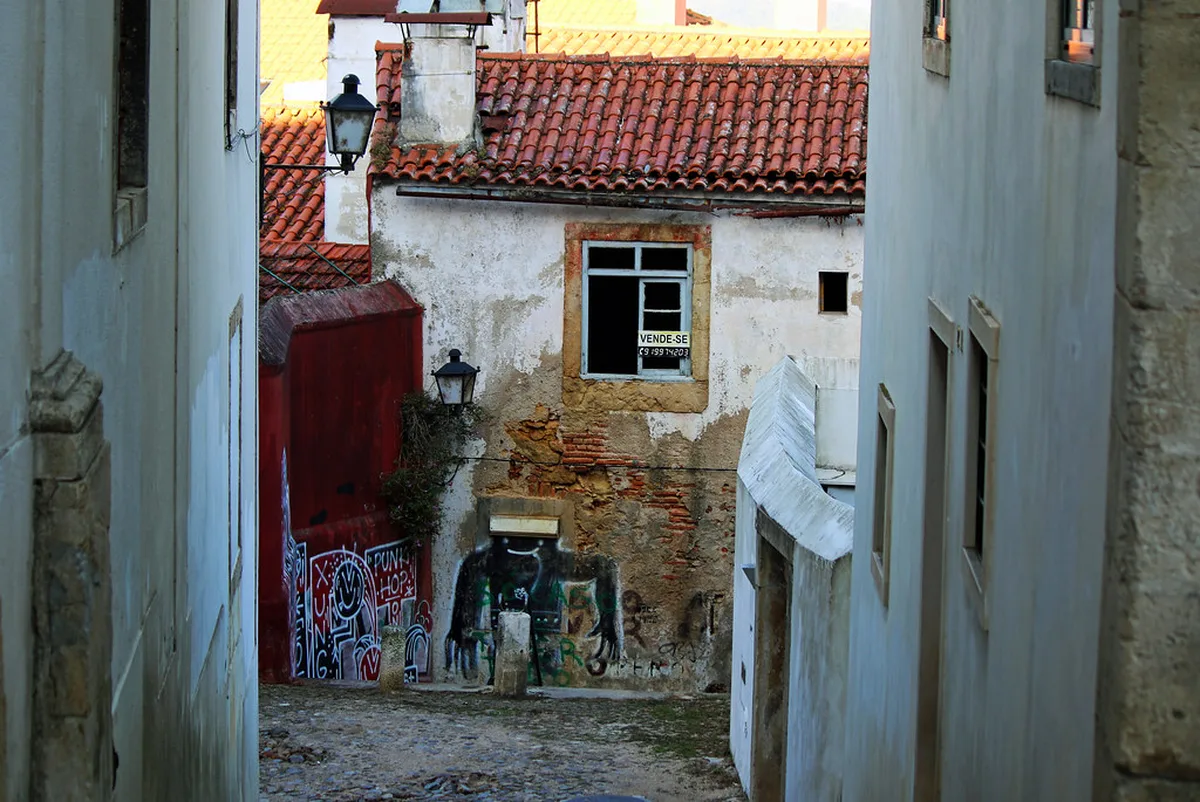
Many student-run Republicas offer affordable meals and drinks during term time. These historic buildings decorated with political posters and student art provide a glimpse into the rebellious history of the local youth culture. Backpackers consistently find Coimbra much cheaper than Lisbon or Porto for accommodation, food, and nightlife — the student economy keeps prices anchored.
The Coimbra old town is compact enough to explore on foot in a morning, yet rich enough to hold your attention for two or three days once you factor in the museums, gardens, and side trips. The hilltop university campus alone — with its Baroque library, medieval exam hall, and sweeping views of the Mondego valley — justifies a dedicated half-day. Use the Elevador do Mercado to reach the Alta without tackling the full uphill climb, especially on warmer May afternoons.
Frequently Asked Questions
When are the Queima das Fitas 2026 dates?
The festival typically takes place during the first two weeks of May. Official dates are usually confirmed by the university in early spring. Check the cm-coimbra.pt website for the latest updates.
Is Coimbra worth visiting in spring?
Spring is the most vibrant time to explore this historic university city. You can enjoy mild weather and witness unique student traditions. It is the the best season to go for culture lovers.
What is the weather like in Coimbra in May?
May weather is generally pleasant with average highs of 24°C / 75°F. You should expect a mix of sunshine and occasional light rain showers. Evenings can be cool, so light layers are recommended.
Coimbra offers a unique blend of ancient history and youthful energy. Visiting during the Queima season provides an unforgettable cultural experience. Make sure to book your accommodation early to secure the best rates. You will find that this city leaves a lasting impression on every traveler.
Whether you are a backpacker or a history buff, Coimbra has something special. The traditions of the university are a testament to Portugal's rich heritage. I hope this guide helps you plan your perfect spring trip for 2026.