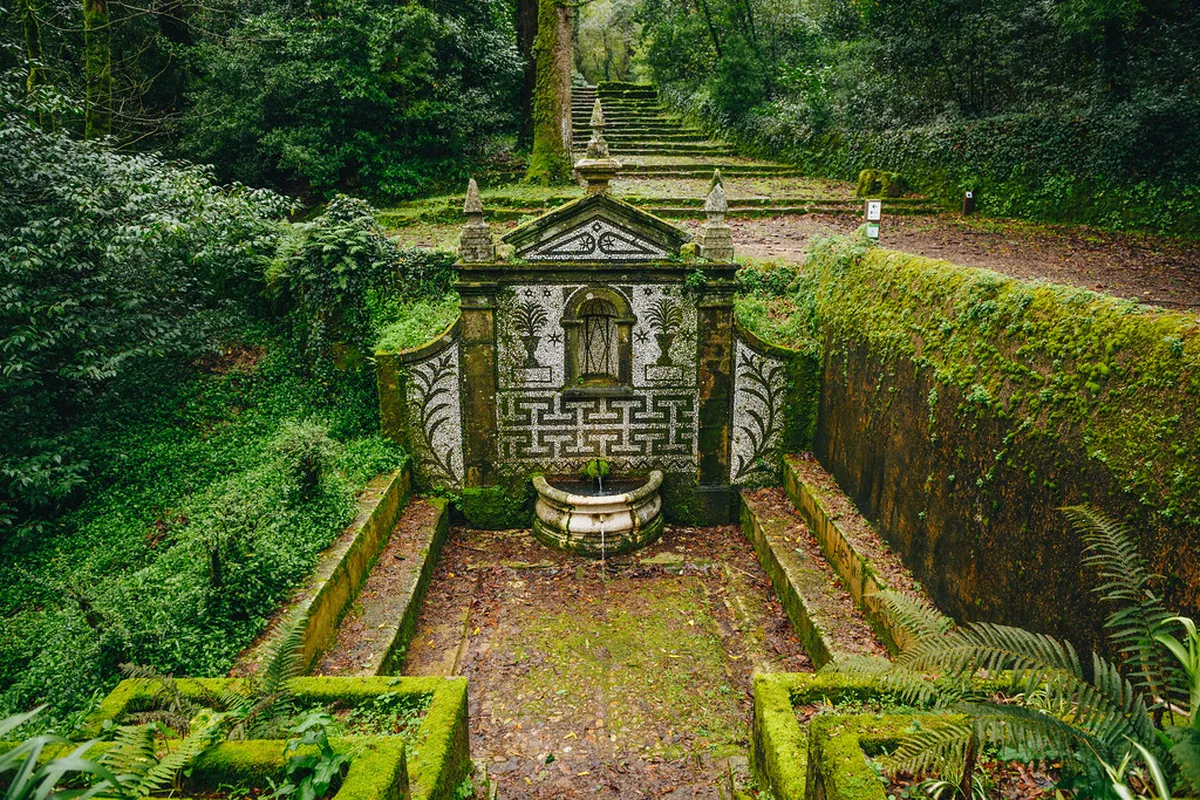
Bucaco Forest sits just 30 km north of Coimbra, and the contrast with the city could not be more striking. Inside the walled 105-hectare reserve, century-old cedars, Himalayan deodars, and giant tree ferns from New Zealand crowd mossy paths that Carmelite monks first cut four centuries ago. A neo-Manueline royal palace rises from the canopy, a battle monument marks one of the Napoleonic Wars' decisive engagements, and a thermal spa town waits at the foot of the ridge.
This guide covers everything you need to plan a full day trip from Coimbra in 2026: how to get there, what to see, which trails to walk, and where to eat without breaking the budget.
Must-See Bucaco Forest Attractions
The Bussaco Palace Hotel is the first thing most visitors photograph, and rightly so. The Portuguese royal family commissioned it as a summer hunting lodge, and it was completed in 1907 — leaving the monarchy barely three years to enjoy it before the republic took over in 1910. The building was designed by Italian set designer Luigi Manini, the same architect behind the eccentric Quinta da Regaleira in Sintra. The family resemblance is unmistakable: both structures layer Manueline stone carving, Gothic towers, and Romantic excess into something that feels more fairy-tale than functional. Even if you are not a hotel guest, you can walk freely around the exterior and step into the ground floor to see the azulejo tile panels and period furnishings.
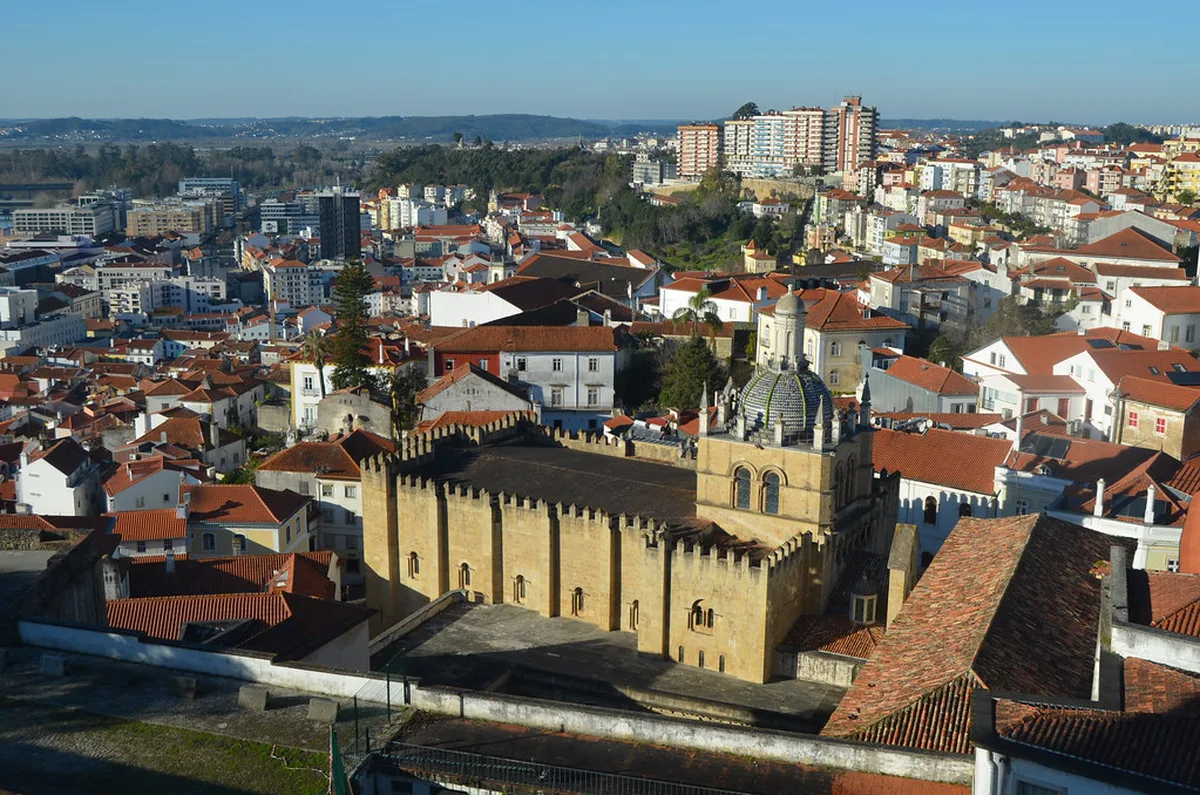
The Convent of Santa Cruz do Bucaco stands immediately next to the palace and is easy to miss if you do not know to look. This small structure is what remains of the original Carmelite monastery after much of it was demolished to make way for the royal construction. The surviving cells have walls, doors, and ceilings lined with cork — a practical solution the monks used for insulation against the damp forest air. Entry costs around 2€ to 3€, and the interior also contains 16th-century tiled altars and large religious paintings.
Fonte Fria is the most photographed natural feature in the forest. Water from a cold spring descends through 144 mossy stone steps flanked by hydrangeas and camellias before collecting in a calm lake edged with tree ferns. Arrive before 10:00 to have this spot largely to yourself. The sound of cascading water carries through the canopy and makes the place feel genuinely remote despite being a short walk from the palace car park.
Museums, Art, and Culture in Bucaco Forest
The azulejo panels inside the Palace Hotel are worth pausing over. The blue and white ceramic scenes depict episodes from the Battle of Buçaco and passages from Os Lusíadas, Camões's epic poem of Portuguese exploration. The same Manueline style that covers the exterior stone — carved ropes, armillary spheres, coral motifs — continues into the grand staircase inside, making the whole building feel like a three-dimensional history lesson.
Monastic forestry is a topic that competitors gloss over, but it explains why Bucaco looks the way it does. When the Carmelite order took over from the Benedictines in 1628 they immediately began importing exotic species: cedars from Mexico, Japanese camphor trees, tree ferns from New Zealand, giant sequoias from California. They also planted countless specimens from Portugal's African and Asian colonies. The result is a forest with over 400 native species and roughly 300 introduced varieties — essentially an arboretum centuries before that word existed in English. The monks labelled many of these trees, and some of the original ceramic plant labels are still legible today.
A small military museum stands just outside the Queen's Gate on the western edge of the forest. Entrance is around 3€ and the exhibits cover the 1810 conflict in reasonable depth: uniforms, weapons, artillery maps, and a series of dioramas that reconstruct the ridge positions used by Wellington's combined Anglo-Portuguese force. It is compact enough to visit in thirty minutes and pairs well with the battlefield markers you will pass on the forest trails.
Military History and the Battle of Buçaco
On 27 September 1810, the Duke of Wellington deployed roughly 25,000 Anglo-Portuguese troops along the Serra do Buçaco ridge to block Marshal Masséna's French army from advancing on Coimbra and Lisbon. The steep forest terrain negated the French numerical advantage, and by mid-morning Napoleon's forces had been pushed back with casualties four times higher than the defenders'. Wellington spent the night before the battle sleeping in the Carmelite convent, and the olive tree where he reportedly tethered his horse is still pointed out to visitors near the palace gardens. The full historical record is covered by the Battle of Buçaco Wikipedia article.
For first-time visitors, the most tangible connection to the 1622 and 1643 Papal decrees is not a museum display — it is a gate. The Portas de Coimbra, built in 1630 and repaired in 1831 and 1866, was the forest's main eastern entrance. The actual stone plaques bearing the Papal excommunication texts are mounted here for anyone to read. One decree, issued by Pope Urban VIII in 1622, banned women from entering the forest. The second, issued in 1643, threatened excommunication for anyone who cut down a tree. Standing at the gate and reading the original inscriptions makes these centuries-old ordinances feel immediate rather than abstract. Most visitors walk straight past the plaques without realising what they are.
Historical markers are placed along the forest trails at the sites where key engagements took place. The ridge path between the Cruz Alta and the Queen's Gate follows the approximate line of Wellington's defensive position, and on a clear day the logic of the terrain is obvious: anyone attacking uphill through dense woodland had almost no chance of success. Carrying a trail map helps connect the landscape to the battle narrative.
Parks, Gardens, and Outdoor Spots in Bucaco Forest
Vale dos Fetos — the Valley of Ferns — is a shaded hollow in the lower section of the forest where giant tree ferns from New Zealand create a canopy that feels genuinely prehistoric. The path runs alongside small streams and passes a lake with a wooden footbridge to a tiny island. This is a good route for families with young children because it is mostly flat, well-surfaced, and stays cool even in the height of summer.
The Queen's Gate (Portas da Rainha) on the western edge of the forest is the most ornate of the several historic entrances. Stone walls several metres high surround this section, and walking through the gate for the first time gives a strong sense of entering a self-contained world. The path from here leads directly uphill past the military museum to the palace and convent.
The Cruz Alta viewpoint sits at 551 metres above sea level at the top of the Via Sacra trail. On clear mornings you can see across the hills toward Aveiro and, farther west, the glint of the Atlantic. The viewpoint is reachable by car via a road through the palace area for those who do not want to climb, but the walk is the point. The Serra do Buçaco's other miradouros — the Miradouro de Caifaz stone tower is a good intermediate stop — are marked on the AllTrails map and worth adding if you have time.
Best Hiking Trails and Walks through Buçaco Forest
The most complete loop runs from the town of Luso through the Portas de Coimbra, up through the Vale dos Fetos to Fonte Fria, then climbs via the Via Sacra chapels to the Cruz Alta summit at 551 m, and loops back past the palace and convent before descending to Luso. The full route is roughly 6–7 km and takes two to three hours at a relaxed pace with stops. Download the Luso–Buçaco Convent trail on AllTrails before you leave — phone signal in parts of the forest is unreliable.
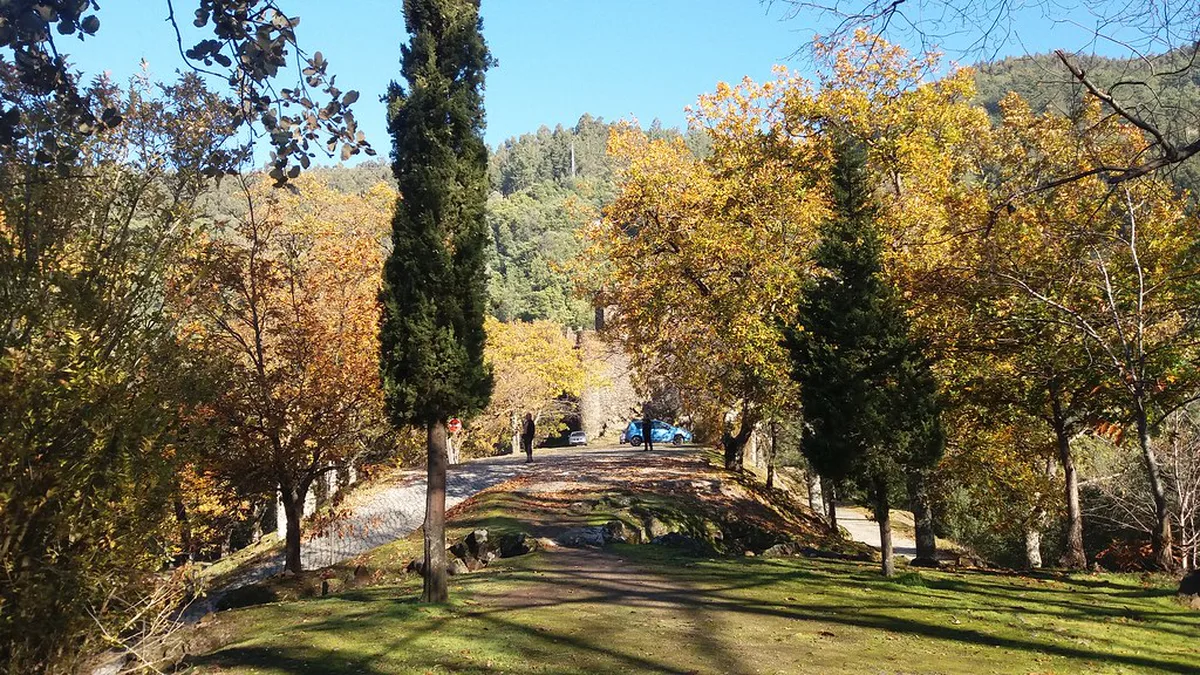
The Via Sacra is the spiritual heart of the route. Seventeen small stone chapels, each containing life-sized terracotta figures of the Stations of the Cross, line the ascending path from the convent toward the Cruz Alta. The chapels are weathered and mossy, and some of the terracotta figures show their age, which makes them more affecting than a polished display would be. Allow at least forty-five minutes to walk the Via Sacra properly rather than rushing past.
Walkers who want a gentler outing can combine the Vale dos Fetos and Fonte Fria on a short 2 km loop without tackling the climb to Cruz Alta at all. This version takes about an hour and covers the two most scenic natural features in the lower forest. It is well-suited to older visitors, families with pushchairs on the lower sections, and anyone who wants to leave time for a long lunch in Luso afterward. The Miradouro de Caifaz tower, which requires a very narrow internal staircase but rewards with wide views, is an optional five-minute detour from this lower route.
The forest contains over 250 labelled tree species. Walking slowly and reading the ceramic markers on older specimens turns even a short walk into a botanical education. Watch for the centuries-old Himalayan deodars near the palace and the Mexican cedar grove north of the convent.
Family-Friendly and Budget-Friendly Options in Bucaco Forest
The forest is free to enter on foot. Pedestrians walking in from the town of Luso pay nothing to access the trails, the Via Sacra, Fonte Fria, or the Vale dos Fetos. The only charges you will encounter are the convent entrance (2–3€), the military museum (around 3€), and vehicle entry fees if you drive into the central zone (5–7€ per car in 2026). A family of four can spend a full day here and keep total admission spending well under 20€.
Picnic tables are scattered throughout the forest in shaded clearings. Bringing lunch from Coimbra is straightforward — any of the city's supermarkets and padarias can supply sandwiches, pastries, and fruit at a fraction of what the palace restaurant charges. The fountain café near the visitor information centre sells coffee, soft drinks, and packaged snacks if you need a mid-hike top-up.
Children tend to engage strongly with this forest. The sequence of chapels along the Via Sacra works as a natural scavenger hunt. The Fonte Fria waterfall, the frog pond in Vale dos Fetos, and the island reached by the wooden bridge in the lower gardens all reward young explorers. The Miradouro de Caifaz tower's narrow spiral staircase is thrilling rather than frightening for most older children. The forest's resident butterflies, frogs, and occasional Iberian grass snake add unpredictable wildlife sightings to most visits.
The Spa Town of Luso and Luso's Water
Luso sits about 3 km downhill from the forest entrance along a pleasant road lined with old villas. The town built its identity around its mineral spring water, which percolates through quartzite rock for close to a thousand years before surfacing with an unusually low mineral content, slightly acidic pH, and a silica-rich character. The water has been bottled commercially since 1894 and is sold across Portugal. At the São João fountain in the town center, locals and visitors queue to fill bottles directly from the source at no charge. The water is genuinely good — light, soft, and noticeably different from tap.
Rosa Biscoito is the café to head for if the palace restaurant's prices are not what you had in mind. It occupies what was the casino coffee shop from 1876 to 1886, and the interior still carries that era's character. The kitchen does well-dressed salads, traditional Portuguese cakes, and pastries at prices that reflect a local café rather than a tourist destination. The shaded patio is a good spot to rest after the morning's climb before the walk back through the forest. Nearly every traveler who visits Bucaco on a budget ends up here.
The main spa, Termas de Luso, is still operating and offers treatments ranging from half-day relaxation packages to multi-day mineral bath courses. It is connected by a tunnel to the Grande Hotel de Luso, a renovated 4-star Art Deco property that is a more practical overnight choice than the palace for most travelers. Walking from Luso's center into the forest takes about fifteen to twenty minutes uphill on a clearly signed path — many people make the journey in both directions on the same day and combine a forest morning with a spa afternoon. This day trip pairs well with the Conimbriga Roman ruins, which are on the road back toward Coimbra.
Where to Stay Near Bussaco or Luso
The Palace Hotel do Bussaco is the obvious headline choice. Waking up inside a neo-Manueline palace surrounded by ancient forest is an experience with no equivalent in Central Portugal. The rooms carry period furniture and garden or forest views. However, the property has been noted by recent visitors as being due for renovation in some areas, so it is worth reading current reviews before booking if condition matters to you. Even without staying, the hotel bar is open for afternoon drinks and the ground floor is freely accessible.
Luso itself offers several accommodation options that are more consistently maintained. The Grande Hotel de Luso provides 4-star comfort and spa access, while smaller guesthouses like Vila Duparchy — a 19th-century property with an outdoor pool — offer a quieter, more personal experience. Prices in Luso run significantly lower than the palace rate and the forest access is identical.
Most visitors base themselves in Coimbra and treat Bucaco as a single day trip. The city has far more dining options, better transport connections, and a full range of accommodation at every budget. Staying overnight in Luso is the right choice if you want two full mornings in the forest or want to use the spa properly. For a broader look at how Bucaco fits within a Coimbra stay, see the the historic Old Town. If you plan to combine Bucaco with the coast, the the canal city of Aveiro makes a logical second excursion.
Practicalities for Visiting Bussaco National Forest
The bus from Coimbra to Luso departs from the Terminal Rodoviário on Avenida Fernão Magalhães. The 108 service stops at the forest gates and takes approximately one hour. The fare is around 5€ each way in 2026. Frequency is limited — typically three to four departures per day — so check the current Transdev timetable before you leave and plan your return bus rather than assuming one will be available when you finish. Missing the last bus means a taxi back to Coimbra, which costs significantly more.
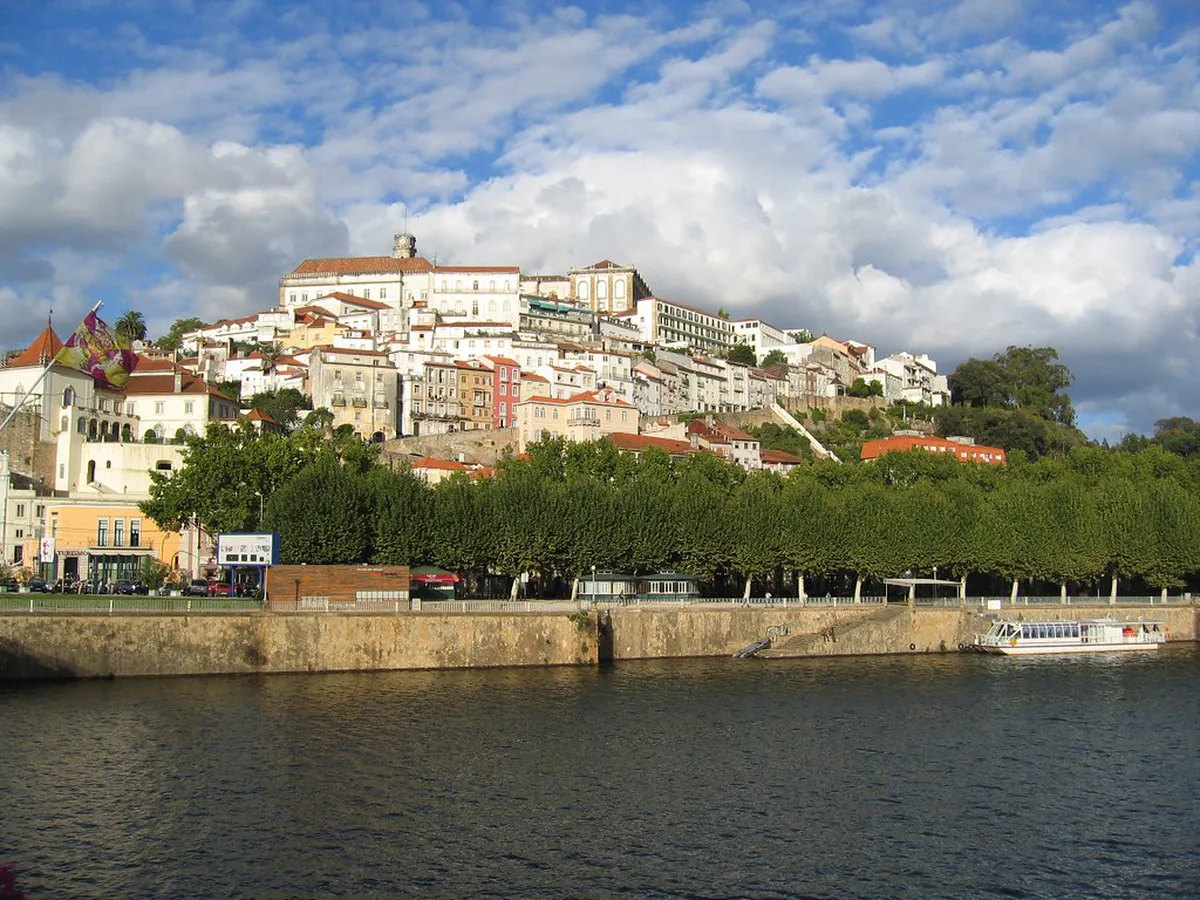
Driving takes about 30 minutes from Coimbra city center and gives you complete flexibility over timing. Vehicles entering the central zone of the forest pay an entry fee of around 5–7€ per car. Parking is available near the Palace Hotel. If you park in Luso and walk up instead, parking is free and the uphill approach through the trees is a better introduction to the forest than arriving by car at the palace gates.
Wear sturdy walking shoes regardless of which trails you plan to take — the paths are uneven, frequently damp, and in places steep. The forest microclimate is noticeably cooler and mistier than Coimbra, so a light jacket is worth carrying even in June. Most of the forest has no phone signal, so download your trail map before leaving Luso. The visitor information centre near the palace entrance can provide a printed map if you need one.
- Bus: 5€ per person each way, about 60 minutes, 3–4 departures daily from Terminal Rodoviário — best for solo travelers and those happy to work around the schedule.
- Car: 30 minutes, 5–7€ forest entry fee, full flexibility — best for families, groups, or anyone combining with a stop in Luso on the return.
The bus from Coimbra runs only three to four times a day, so plan your return departure before you set out — missing the last service means an expensive taxi back. If you drive, park in Luso and walk up to skip the 5–7€ central-zone car fee entirely.
| Item | Detail | Cost (2026) |
|---|---|---|
| Bus (108 service, from Terminal Rodoviário) | ~60 min, 3–4 departures daily, stops at the forest gates | ~5€ each way |
| Car from Coimbra | ~30 min; central-zone vehicle entry fee (free if you park in Luso and walk up) | 5–7€ per car |
| Convent of Santa Cruz do Buçaco | Cork-lined cells, tiled altars, religious paintings | 2–3€ |
| Military museum (by the Queen's Gate) | Battle of Buçaco uniforms, weapons, dioramas | ~3€ |
| Forest entry on foot from Luso | Trails, Via Sacra, Fonte Fria, Vale dos Fetos | Free |
| São João fountain (Luso spring water) | Fill bottles directly from the source | Free |
Self-Guided Buçaco Forest Walking Route
If you want to walk the full loop described above, here is the order to follow it in. The complete circuit is roughly 6–7 km and takes two to three hours at a relaxed pace with stops, starting and ending in the town of Luso. Download the AllTrails map before you set off, as phone signal in parts of the forest is unreliable.
- Luso — start in the spa town and walk uphill on the signed path toward the forest, about fifteen to twenty minutes.
- Portas de Coimbra — enter through the 1630 eastern gate and read the original Papal decree plaques mounted here.
- Vale dos Fetos (Valley of Ferns) — follow the mostly flat path past the streams, lake, and footbridge through the prehistoric tree ferns.
- Fonte Fria — pause at the cold spring descending 144 mossy steps flanked by hydrangeas and camellias.
- Via Sacra chapels — climb past the seventeen stone chapels with their terracotta Stations of the Cross, allowing at least forty-five minutes.
- Cruz Alta viewpoint — reach the 551 m summit for views toward Aveiro and, on clear days, the Atlantic.
- Palace Hotel and Convent of Santa Cruz — loop back past the neo-Manueline palace and the cork-lined convent.
- Return to Luso — descend the road back into town, ideally finishing with a stop at the São João fountain or Rosa Biscoito café.
Frequently Asked Questions
How do I get from Coimbra to Bucaco Forest by bus?
You can take a regional bus from the main Coimbra station toward Viseu or Luso. The trip takes about one hour and costs around 5€ each way. Check the 2026 schedules at the ticket office before departing to ensure you have the latest return times.
Is the Bussaco Palace Hotel open to non-guests?
Yes, the public can visit the hotel grounds and view the impressive exterior architecture for free. Non-guests are also welcome to visit the bar or restaurant for a meal. However, access to the upper guest floors and private rooms is strictly reserved for residents.
How long does it take to hike through Bucaco Forest?
Most visitors spend between three and five hours exploring the various trails and landmarks. A quick visit to the Palace and Fonte Fria takes about two hours. If you plan to hike the full Via Sacra trail to the summit, allow for a full afternoon.
Can you visit the Carmelite Convent in Bucaco?
The convent is open to the public for a small entrance fee, usually around 2€ to 3€. You can explore the chapel and the famous cork-lined monks' cells. It is located right next to the Palace Hotel and provides a fascinating historical contrast.
A day trip to Bucaco Forest is an essential experience for anyone staying in Coimbra in 2026.
The combination of royal architecture and ancient nature creates a unique atmosphere you won't find elsewhere.
Whether you are a hiker or a history lover, this forest offers something special for every traveler.
Pack your walking shoes and prepare for a memorable adventure in one of Portugal's most beautiful national treasures.