Discover Baixa: Lisbon's Iconic Historic Sights in 2026
Table of Contents
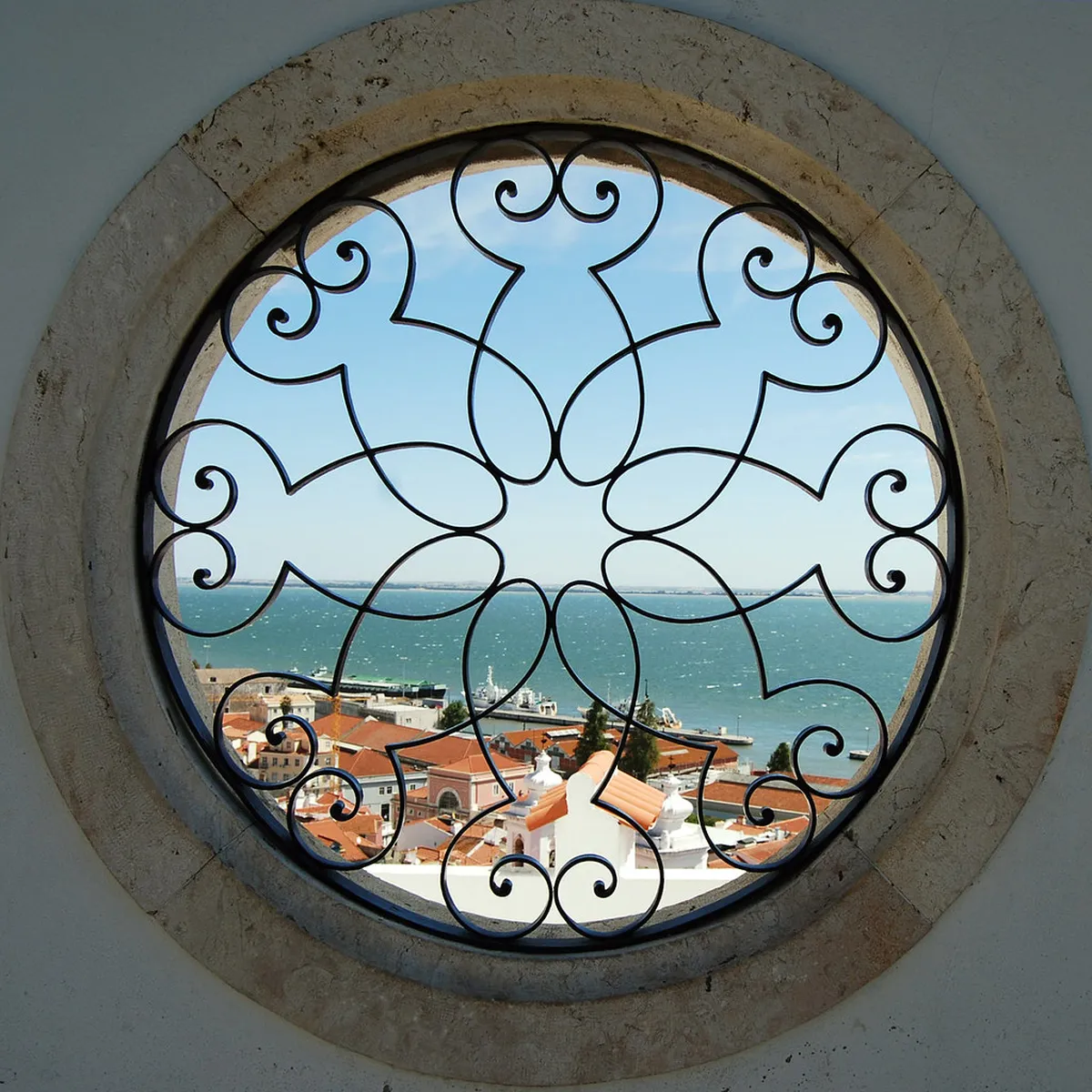
Lisbon's Baixa district is truly unique. This vibrant area showcases incredible history. It rose from the ashes of a devastating earthquake. Visiting Baixa historic sights Lisbon offers a deep dive into Portuguese resilience.
You will discover grand plazas and bustling streets. Its distinct grid layout makes navigation easy. Prepare to explore one of Lisbon's most iconic neighborhoods. This guide helps plan your perfect 2026 trip.
The Grandeur of Praça do Comércio
Praça do Comércio, or Commerce Square, is breathtaking. This monumental plaza sits by the Tagus River. It welcomes visitors arriving by water. The square once hosted the royal palace.
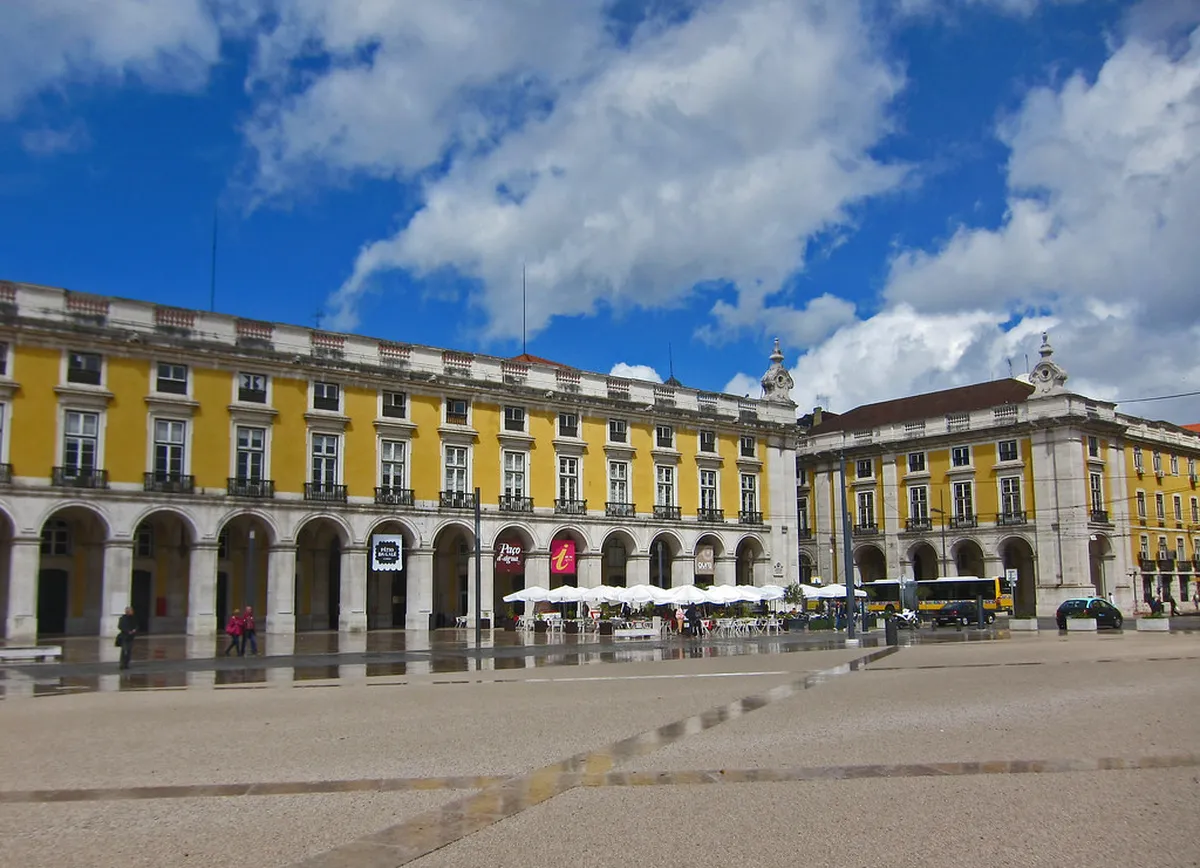
The square showcases beautiful Pombaline architecture. It was rebuilt after the 1755 earthquake. Three sides are framed by stately arcaded buildings. The fourth side opens directly to the river.
In the center stands King José I's equestrian statue. You can also find the famous Rua Augusta Arch here. Many people take photos under its impressive archway. It's a key starting point for exploring Baixa. Discover more historic plazas in Lisbon.
Consider visiting in the late afternoon. The sunset views over the Tagus are stunning. Local cafes offer a perfect spot for refreshments. Enjoy the vibrant atmosphere any time of day.
Unveiling Rossio Square and Its History
Rossio Square, officially Praça de D. Pedro IV, is another gem. It has served as a main gathering point for centuries. This lively square hosted bullfights and public executions.
Today, it hosts celebrations and markets. The famous wave-patterned mosaic pavement catches your eye. Two beautiful bronze fountains adorn the square. A grand column dedicated to King Pedro IV stands tall.
Around Rossio, you will find iconic historic cafes. Try a traditional Portuguese pastry and coffee. The beautiful Rossio train station façade is also nearby. Its Neo-Manueline style is truly impressive.
Accessing Rossio is simple by metro (Rossio station). It's a popular hub for tourists and locals. Enjoy the lively street performances here. The area offers great opportunities for people-watching.
The Architectural Marvel of Santa Justa Lift
The Santa Justa Lift is a remarkable iron structure. It connects the lower Baixa district to the higher Carmo Square. Raoul Mesnier du Ponsard, an Eiffel apprentice, designed it.
It opened in 1902 and remains a popular attraction. This ornate elevator offers panoramic city views. The Gothic Revival style is very distinctive. It provides a unique way to travel between levels. Expect a queue for the experience, especially in 2026.
A round-trip ticket costs around €5.30 (prices subject to change). The best views are from the top observation deck. You can access it via a spiral staircase. Consider visiting early morning or late evening to avoid crowds. Learn more about the Elevador de Santa Justa.
A round-trip ticket for the Santa Justa Lift costs around €5.30. Visiting early in the morning or late in the evening is the best way to avoid the longest queues and enjoy the panoramic views in relative peace.
From the top, you can walk to the Carmo Convent ruins. These ruins are a poignant reminder of the 1755 earthquake. This adds another layer of history to your visit. It is an unforgettable experience.
The Santa Justa Lift is one of Lisbon's most popular attractions and queues can be very long in peak season (2026). Arriving before 9 AM or after 7 PM significantly reduces waiting time at the ticket booth.
Exploring Baixa's Pedestrian Streets and Historic Sights
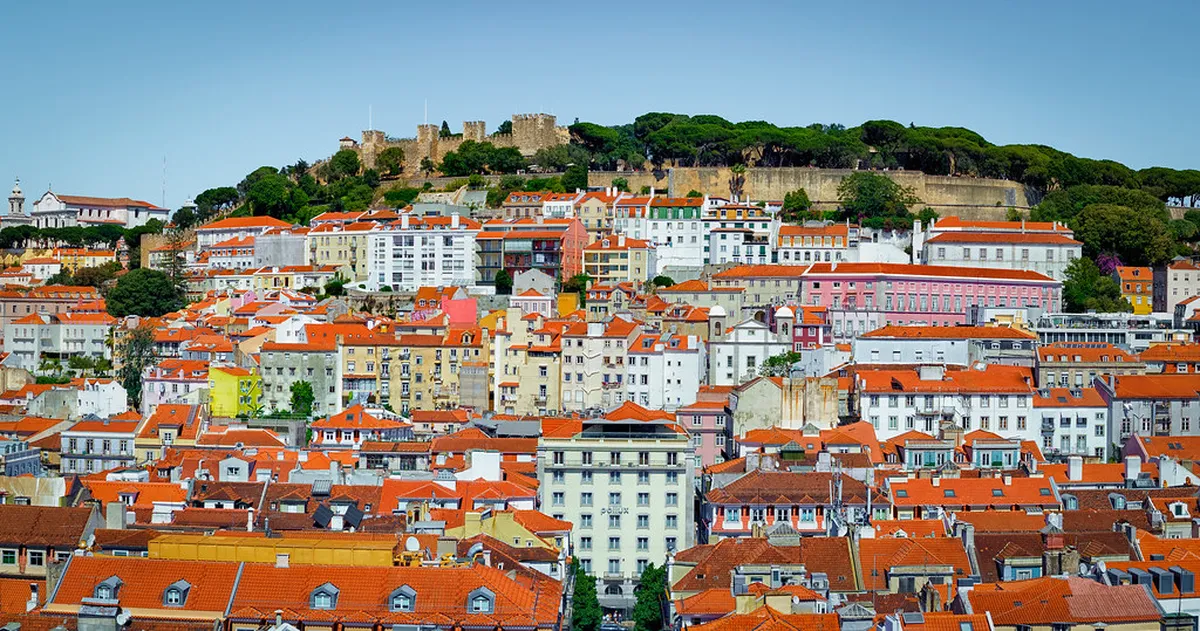
The Baixa district features a unique grid layout. It was meticulously planned after the 1755 earthquake. Marquis of Pombal led this ambitious rebuilding project. This is why it's called Baixa Pombalina.
Many streets are pedestrian-only or have limited traffic. Rua Augusta is the most famous example. It's lined with shops, cafes, and street artists. This lively street leads directly to the Rua Augusta Arch. Discover more about the Rua Augusta Arch.
Explore the smaller side streets for hidden gems. You'll find traditional Portuguese shops here. Many sell cork products, ceramics, and textiles. These streets are perfect for leisurely strolls. Find out more about Baixa's pedestrian streets.
The architectural style is uniform and elegant. Buildings have iron balconies and painted facades. This cohesive design reflects the era's innovative urban planning. Notice the earthquake-proof construction methods used.
| Sight | Location in Baixa | Highlight | Practical Tip |
|---|---|---|---|
| Praça do Comércio | Riverside, southern edge | Equestrian statue, Rua Augusta Arch, Tagus River views | Visit late afternoon for sunset views |
| Rua Augusta Arch | Praça do Comércio entrance | Monumental triumphal arch, panoramic rooftop | Great photo spot; access the top for city views |
| Rossio Square | Northern Baixa | Wave-patterned mosaic pavement, twin bronze fountains | Metro stop: Rossio; ideal for people-watching |
| Santa Justa Lift | Rua do Ouro / Rua de Santa Justa | Gothic Revival iron elevator; city panorama | Round-trip ~€5.30; go early or late to avoid queues |
| Rua Augusta | Central pedestrian axis | Shops, cafes, street artists | Pedestrian-only; connects Praça do Comércio to Rossio |
The Impact of the 1755 Earthquake on Baixa
The Great Lisbon Earthquake of 1755 reshaped the city. Baixa was almost completely destroyed. The ensuing tsunami and fires caused immense devastation. This event led to the district's unique reconstruction.
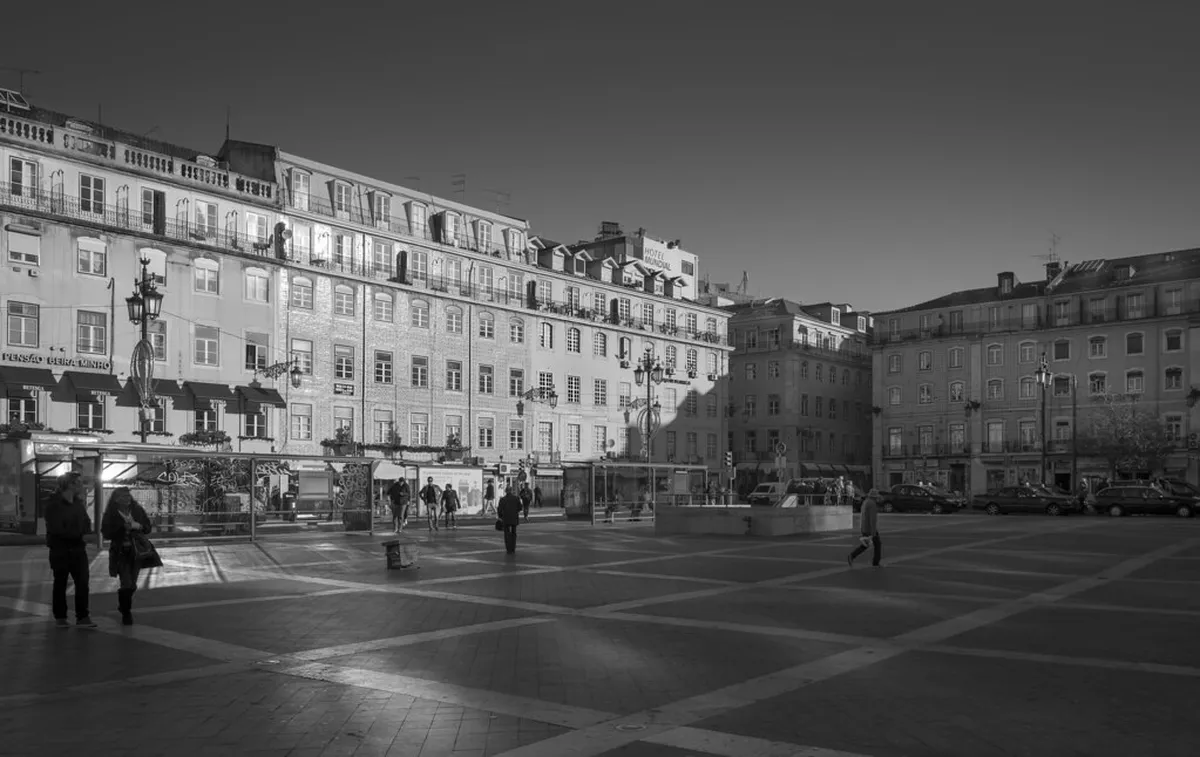
Marquis of Pombal spearheaded the rebuilding efforts. His vision created a modern, resilient city. The new grid plan focused on functionality and safety. Buildings incorporated early anti-seismic techniques.
Many historic structures were lost forever. The reconstruction, however, created new landmarks. It represents a pivotal moment in urban planning. The Baixa district stands as a testament to this period. Understand Lisbon's earthquake history more deeply.
Today, visitors can trace the earthquake's legacy. The uniformity of Baixa contrasts with older neighborhoods. It tells a powerful story of destruction and rebirth. This history adds depth to your exploration.
Frequently Asked Questions
What are the main Baixa historic sights to see first?
Start your Baixa adventure at Praça do Comércio. Then walk through the Rua Augusta Arch. Continue to Rossio Square for a truly iconic Lisbon experience. Consider a ride on the Santa Justa Lift for stunning views. These are essential stops for first-time visitors.
How do I best explore the Baixa district on foot?
Baixa is ideal for walking due to its flat grid layout. Many streets are pedestrian-friendly. Wear comfortable shoes for your exploration. You can easily walk between all major sights here. Public transport links are also excellent.
Are there any specific hidden gems in Baixa worth finding?
Beyond the main squares, explore the smaller cross streets. Look for traditional shops and historic cafes. The Confeitaria Nacional near Rossio is a treat. Also, visit the stunning São Domingos Church with its earthquake scars. It offers a unique historical perspective.
What is the best time of day to visit Baixa historic sights in 2026?
Morning is great for experiencing fewer crowds. Early evenings offer beautiful light for photos. Many shops and cafes stay open late. Praça do Comércio looks magical at sunset. Plan to spend at least half a day here.
Is Baixa suitable for families with children?
Yes, Baixa is very family-friendly. Its flat terrain makes it easy for strollers. Kids will enjoy the open spaces of the squares. Many cafes offer outdoor seating. The Santa Justa Lift ride is also exciting for children.
The Baixa district in Lisbon offers rich history. Its grand squares and unique architecture impress. From Rossio to Praça do Comércio, every corner tells a story. This resilient neighborhood is a must-see destination.
Plan your 2026 visit to these magnificent Baixa historic sights Lisbon. Explore its elegant streets and soak in the atmosphere. Discover the heart of Lisbon's rebirth. You will create unforgettable travel memories.
Key Takeaways
- Baixa's grid layout is a result of the 1755 earthquake reconstruction.
- Praça do Comércio and Rossio Square are essential stops.
- The Santa Justa Lift provides stunning panoramic views.
- Explore pedestrian streets like Rua Augusta for shopping and cafes.
- Embrace the district's history of resilience and rebirth.
Continue exploring Lisbon's historic quarter
 Baixa Pombaline Architecture History in LisbonDecember 13, 2025
 Visiting Praça do Comércio Lisbon: Grand Square GuideDecember 12, 2025
- Discover Baixa: Lisbon's Iconic Historic Sights in 2026December 11, 2025
 Must-See Baixa Historic Landmarks in Lisbon 2026December 11, 2025