Lisbon Earthquake History Facts: A Guide to the 1755 Event
Table of Contents
Lisbon is a city built on resilience and rich history. A devastating event shaped its very foundations. The Great Lisbon Earthquake of 1755 fundamentally changed the city. Understanding this event helps you appreciate Lisbon's character. It tells a powerful story of destruction and rebirth.
This guide explores key Lisbon earthquake history facts. We will look at its immense impact. Learn how this natural disaster reshaped the city for centuries. You will discover its lasting influence on Lisbon's urban landscape even today.
The Great Lisbon Earthquake of 1755 Explained
On November 1, 1755, a massive earthquake struck Lisbon. It happened on All Saints' Day. Many people were in churches for morning services. The quake hit around 9:40 AM local time. Its magnitude is estimated between 8.5 and 9.0.
The shaking lasted for several minutes. Buildings across the city collapsed instantly. Lisbon's low-lying areas suffered immense damage. Survivors fled into open spaces, seeking safety.
Immediately after the quake, a massive tsunami hit. Three huge waves crashed into the Tagus River estuary. They swept away people and debris. The waves reached up to 20 feet high in some areas. This added to the catastrophic destruction.
Widespread fires then erupted throughout the city. Candles in churches and homes ignited. The fires burned for five days without stopping. They consumed much of what the earthquake and tsunami spared. This triple disaster left Lisbon in ruins.
Devastation and Aftermath: A City in Ruins
The earthquake destroyed approximately 85% of Lisbon's buildings. Palaces, churches, and libraries were lost. Priceless historical records vanished forever. The city's magnificent Royal Palace was among the ruins.
Estimates for fatalities vary widely. Scholars suggest between 10,000 and 100,000 people died. This made it one of Europe's deadliest earthquakes. The city's population was around 200,000 at the time.
The aftermath plunged Lisbon into chaos. Survivors faced starvation and disease. The port, a vital trade hub, was severely damaged. Portugal's economy suffered a massive blow. The world was shocked by the scale of the tragedy.
This event prompted early scientific inquiry into earthquakes. Philosopher Immanuel Kant wrote extensively about it. It challenged prevailing theological beliefs. It highlighted nature's destructive power over humanity. Scientists began studying seismic activity more seriously.
Lisbon's Reconstruction Under Marquês de Pombal
Marquês de Pombal led Lisbon's remarkable recovery. He was Prime Minister under King Joseph I. Pombal famously asked, "What now? We bury the dead and feed the living." His pragmatic approach was crucial.

He quickly organized emergency relief efforts. Soldiers cleared rubble and buried the dead. New laws prevented looting. Prices for essential goods were controlled.
Pombal envisioned a new, modern city. He planned a grid-like layout for the Baixa district. This was a radical idea for its time. The new buildings featured innovative anti-seismic designs. These methods were groundbreaking for the 18th century.
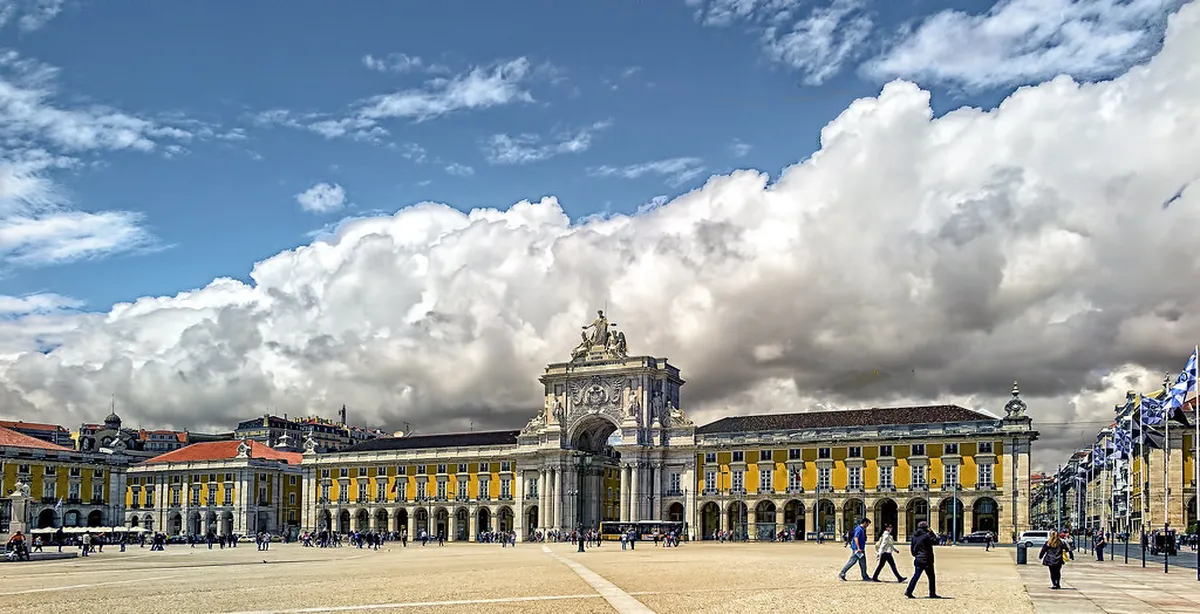
The Baixa Pombalina stands as a testament to this vision. Its symmetrical streets and grand plazas are iconic. The Baixa's historic sights include the majestic Praça do Comércio. This entire area reflects Pombal's enduring legacy. His efforts rebuilt Lisbon stronger and safer than before.
The Baixa Pombalina district was rebuilt with a pioneering grid layout and anti-seismic wooden frame structures — walking its symmetrical streets is the easiest way to appreciate Pombal's 18th-century engineering legacy firsthand.
Lasting Impact on City Planning and Architecture
The 1755 earthquake revolutionized urban planning. Lisbon became a model for rebuilding cities. Pombal's engineers developed early anti-seismic construction. They used a flexible wooden frame structure. This design allowed buildings to sway with tremors.
These innovative techniques were ahead of their time. They influenced architecture across Europe. The Baixa district showcases these principles perfectly. Its sturdy, uniform buildings contrast with older styles. You can learn more about Lisbon's historic architecture styles throughout the city.
The disaster also transformed Portuguese society. It weakened the power of the church and aristocracy. Pombal consolidated royal authority instead. His reforms modernized the state and economy. This period shaped Portugal's future development.
Today, visitors can still see the earthquake's impact. The grid plan of Baixa is easy to spot. It offers a fascinating glimpse into post-disaster reconstruction. The memory of 1755 is woven into Lisbon's very fabric.
Visiting Earthquake-Related Sights in Lisbon Today
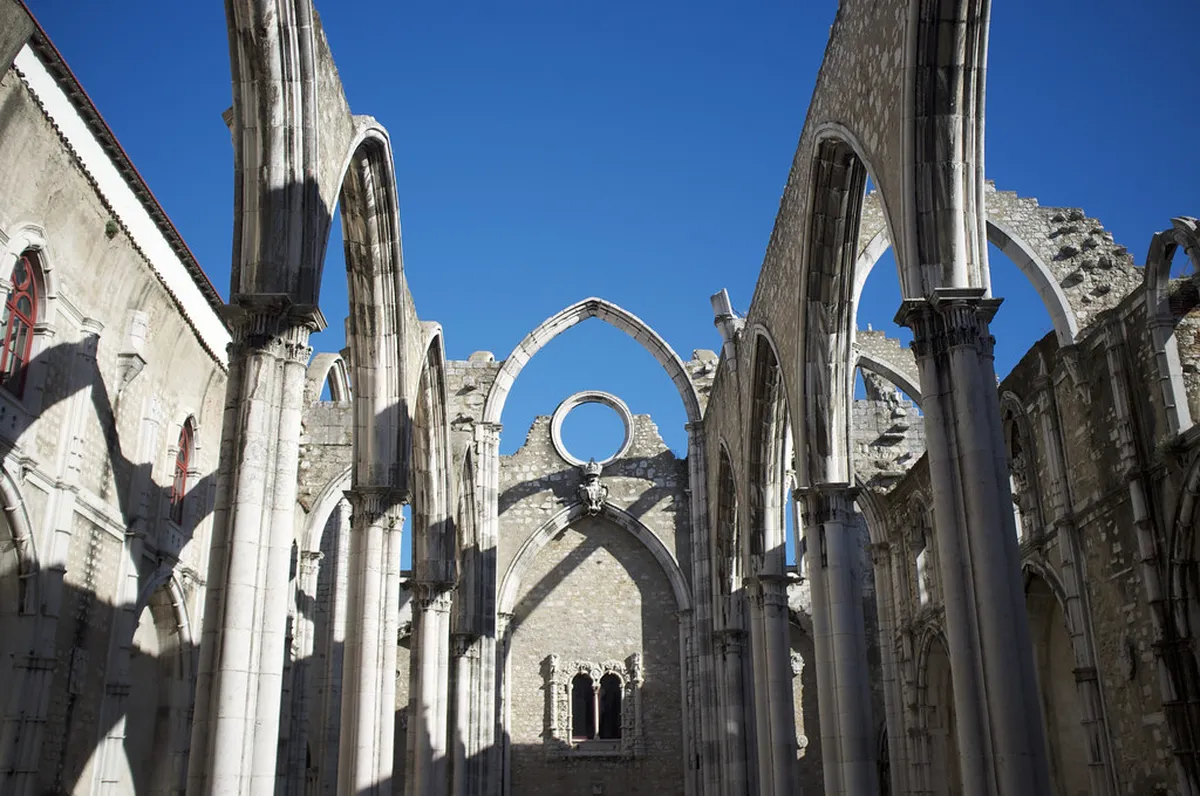
Several sites in Lisbon tell the story of 1755. The Carmo Convent ruins are a poignant example. Its roof collapsed during the quake. The Gothic arches remain open to the sky. It serves as a powerful memorial to the devastation.
The Baixa district itself is a living museum. Walk through its perfectly straight streets. Admire the Pombaline architecture. The grand Rua Augusta Arch leads to Praça do Comércio. This plaza was rebuilt on the site of the former Royal Palace.
You can visit the Lisbon Story Centre in Praça do Comércio. It offers interactive exhibits. Learn about the city's history, including the earthquake. It provides a vivid depiction of the events of 1755.
Consider a visit to the Igreja de São Roque. It survived the earthquake largely intact. This church houses incredible Baroque art. It offers a rare glimpse into pre-1755 Lisbon. Its survival is truly remarkable.
| Sight | 1755 Earthquake Fate | What to See Today |
|---|---|---|
| Carmo Convent | Roof collapsed during the quake | Gothic arches open to the sky; a poignant memorial |
| Baixa Pombalina | Destroyed; rebuilt from scratch | Grid streets, Pombaline facades, Praça do Comércio |
| Lisbon Story Centre | Built on site of former Royal Palace ruins | Interactive exhibits depicting the events of 1755 |
| Igreja de São Roque | Survived largely intact | Baroque art; rare example of pre-1755 Lisbon |
Frequently Asked Questions
What was the cause of the 1755 Lisbon earthquake?
The 1755 Lisbon earthquake resulted from tectonic plate movement. It occurred on the Azores–Gibraltar Transform Fault. This fault line separates the African and Eurasian plates. The massive underwater rupture caused the seismic event.
How did the 1755 earthquake impact Lisbon's urban design?
The earthquake led to a complete redesign of Lisbon's Baixa district. Marquês de Pombal implemented a grid plan. Buildings incorporated pioneering anti-seismic construction techniques. This created the resilient and organized city seen today. It heavily influenced other historic neighborhoods in Lisbon.
Are there any remaining structures from before the 1755 earthquake?
Yes, some structures survived the 1755 earthquake. Areas like Alfama, Mouraria, and Alto are examples. The Castelo de São Jorge also remained standing. These older districts show Lisbon's pre-earthquake character. You can find ancient churches there.
Is Lisbon at risk of another large earthquake in 2026?
Lisbon is in a seismically active region. Earthquakes can happen, but major ones are rare. Buildings today follow strict seismic safety codes. Modern construction greatly reduces risk. Authorities continuously monitor seismic activity for safety.
The Great Lisbon Earthquake of 1755 profoundly shaped the city. It was a catalyst for scientific thought and urban renewal. Lisbon's resilience is a testament to its people. The city rose from the ashes stronger than before.
Visiting Lisbon in 2026 means engaging with this powerful history. Explore its reconstructed streets and poignant ruins. Appreciate the remarkable story of survival and progress. Discover the spirit of Lisbon firsthand.
Lisbon sits in a seismically active region on the Azores–Gibraltar Transform Fault. While major earthquakes are rare, it is worth knowing that authorities continuously monitor seismic activity — modern buildings follow strict seismic safety codes for your protection.
Key Takeaways
- The 1755 Lisbon earthquake, tsunami, and fire devastated the city.
- Marquês de Pombal led Lisbon's innovative reconstruction with anti-seismic designs.
- Visit sights like Carmo Convent ruins and the Baixa district to understand its legacy.
- Lisbon's urban planning and architectural styles were significantly influenced by the event.
Continue exploring Lisbon's historic quarter
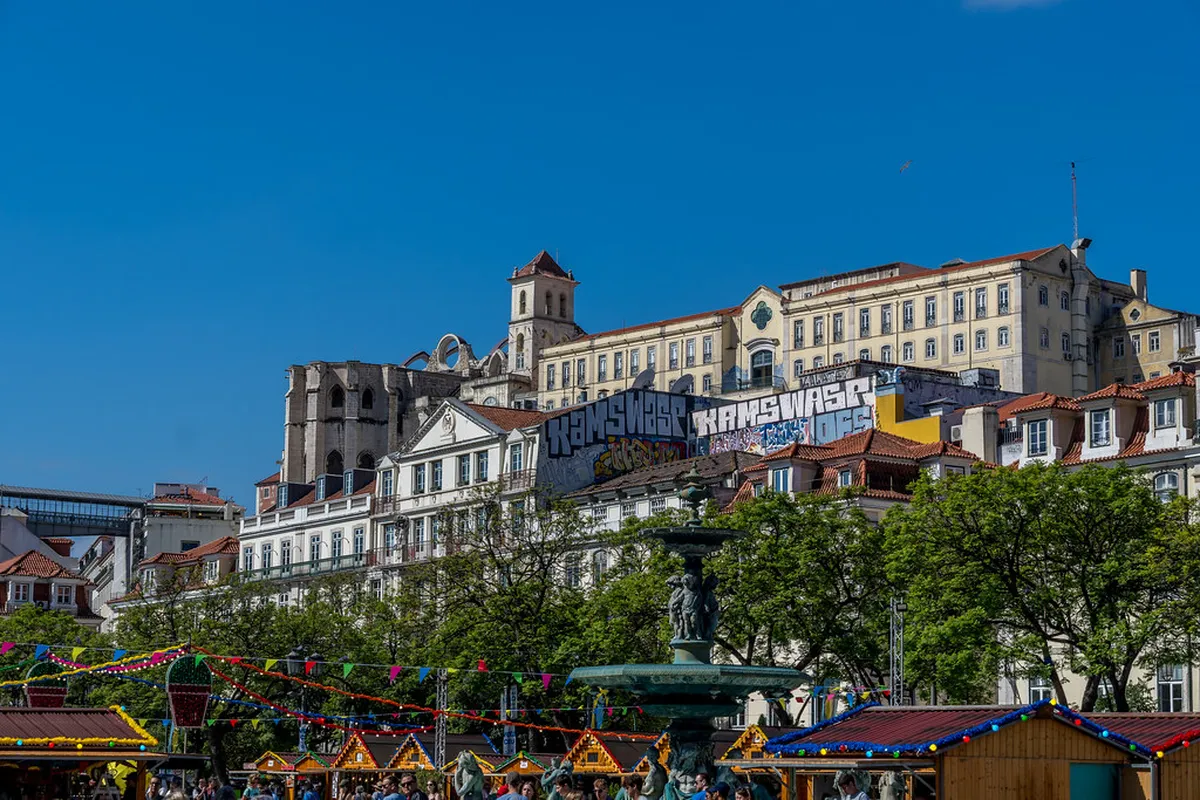 Lisbon Earthquake 1755 Impact: History & LegacyDecember 13, 2025
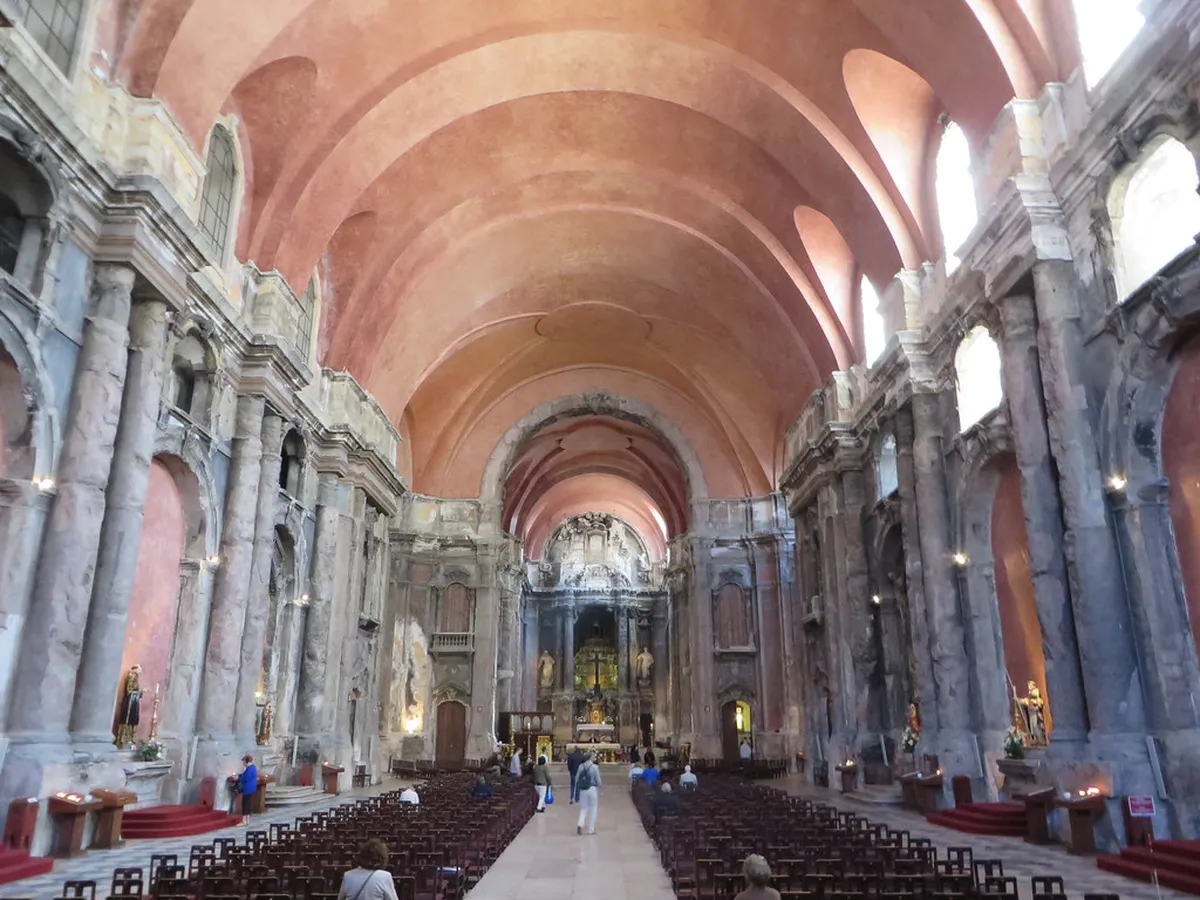 Baixa Reconstruction After Lisbon Earthquake GuideDecember 10, 2025
- Lisbon Earthquake History Facts: A Guide to the 1755 EventDecember 10, 2025
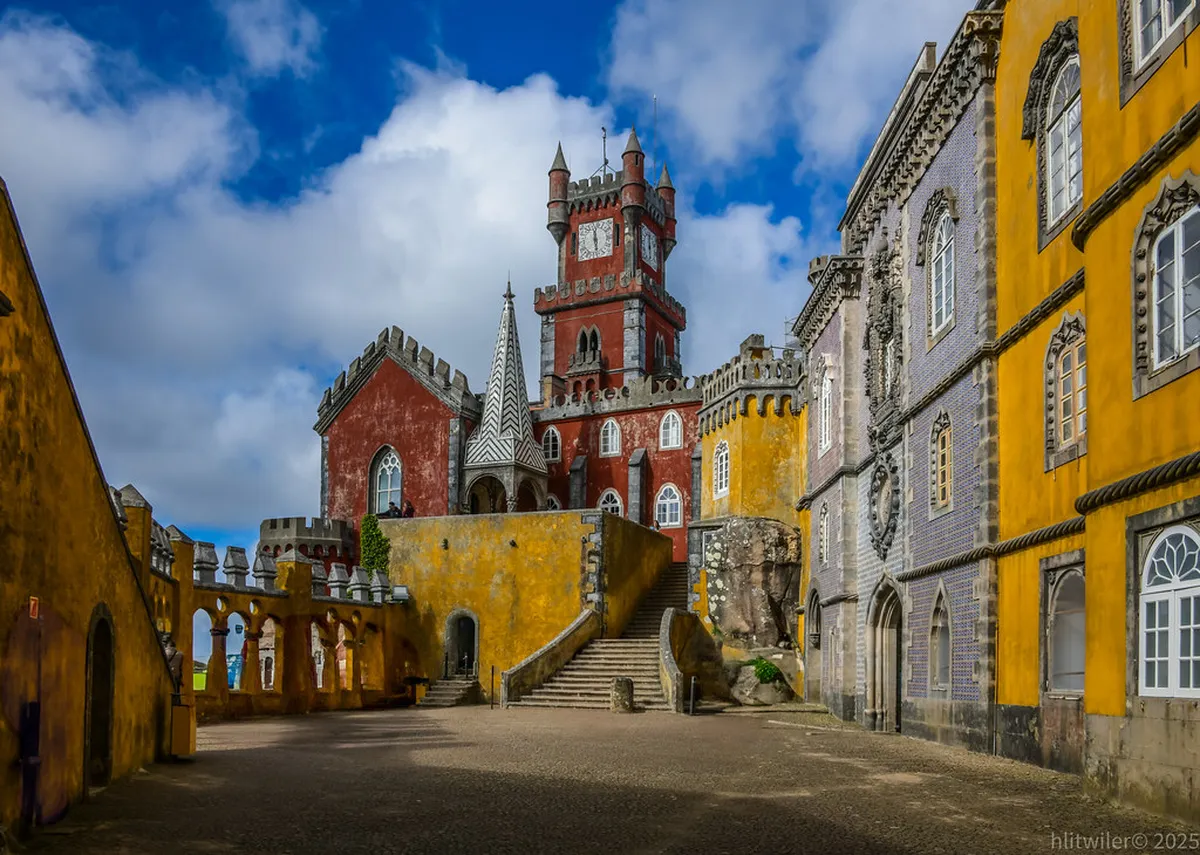 Lisbon Earthquake Museums: Remembering 1755December 10, 2025