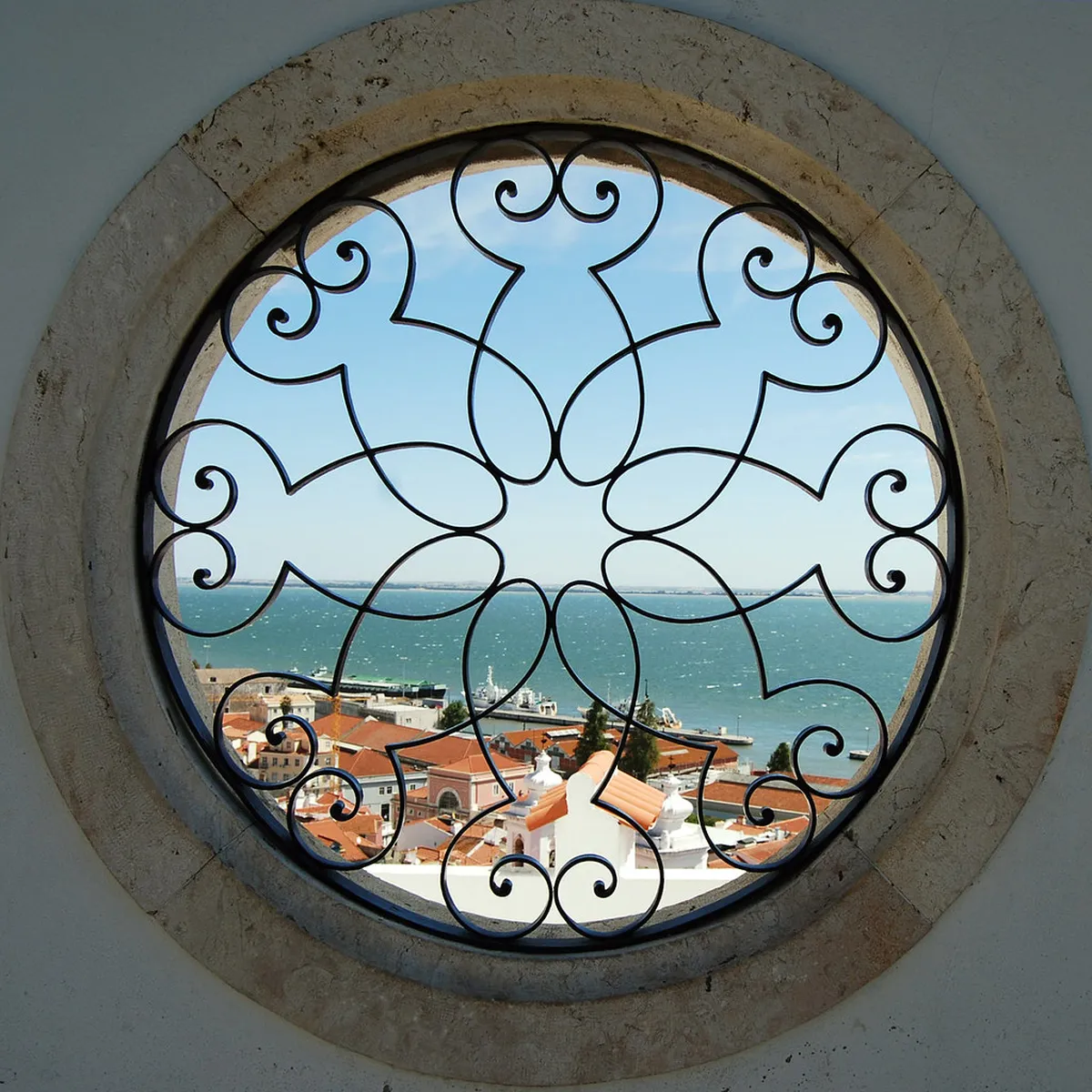
Uncovering Lisbon Historic Architecture Styles Guide
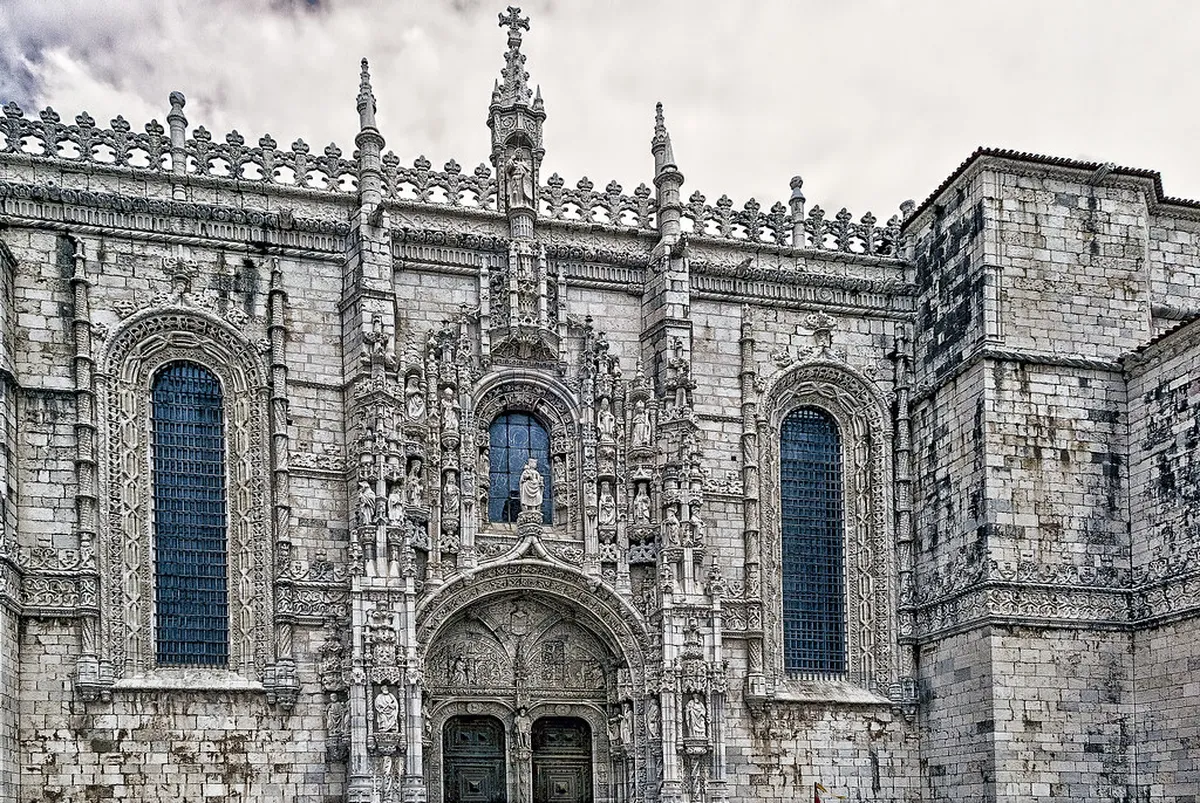
Table of Contents
Lisbon captivates visitors with its rich history. The city's buildings tell stories of centuries past. You can see many Lisbon historic architecture styles. From ancient Roman ruins to grand 18th-century designs, each era left its mark. Exploring these styles reveals Lisbon's unique cultural journey. This guide will help you understand the city's beautiful architectural landscape. Plan your visit to Lisbon's historic neighborhoods for an unforgettable experience in 2026.
Tracing Lisbon's Ancient Roots and Influences
Lisbon's history began with Roman and Moorish rule. These early civilizations shaped the city's foundations. Remnants of their presence are still visible today. The oldest parts of Lisbon retain this ancient charm. Explore the winding streets of Alfama to feel this heritage.
The Roman influence is seen in archaeological sites. Discover parts of a Roman theatre near the Sé Cathedral. These ruins offer a glimpse into early Lisbon life. They demonstrate the city's long and complex past. Visitors can explore these sites for free.
Moorish architecture greatly influenced Lisbon too. This period lasted from the 8th to the 12th centuries. The layout of older neighborhoods reflects Moorish planning. You can see this in Alfama's labyrinthine alleys. The Castelo de São Jorge stands as a testament to this era. Its walls and foundations show clear Moorish design.
Modern architects sometimes incorporate these ancient elements. They blend old and new in creative ways. This respect for heritage keeps Lisbon's story alive. It makes the city a living museum of architectural progression. Consider a morning visit to the castle for great views.
The Splendor of Manueline Architecture in Lisbon
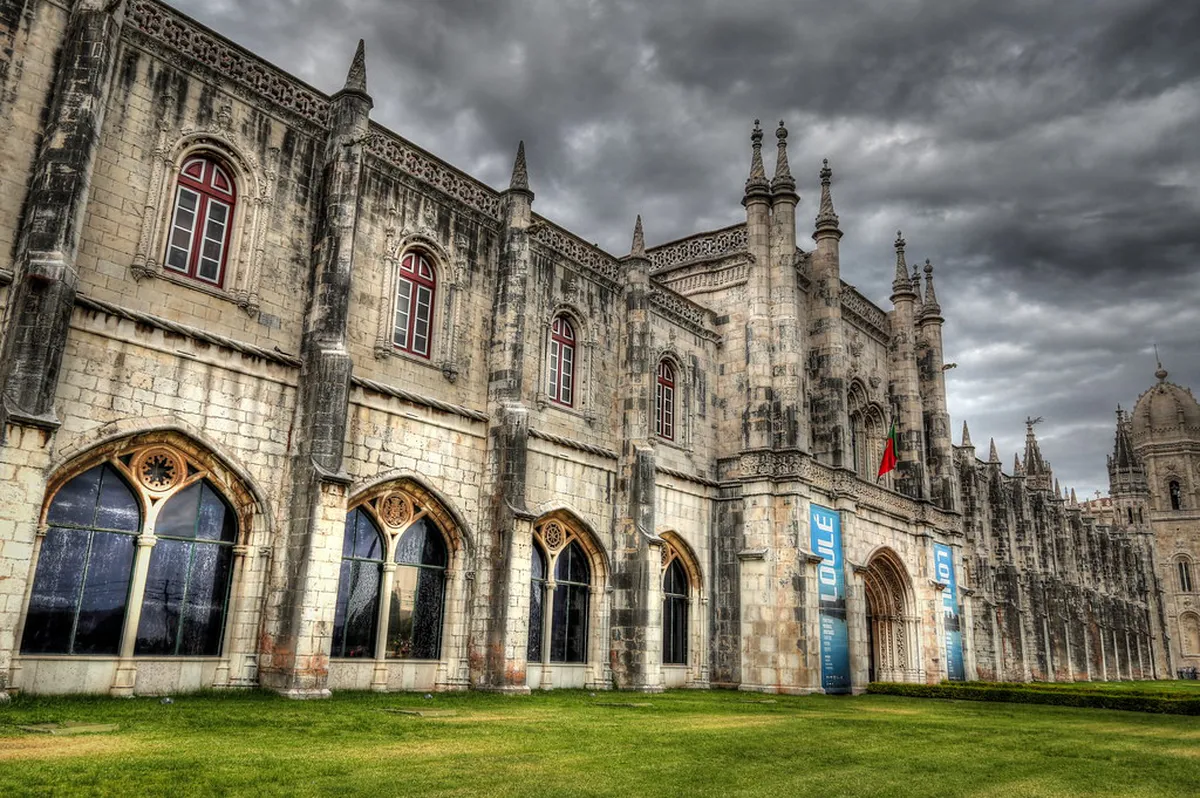
The Manueline style emerged in the 15th and 16th centuries. It is uniquely Portuguese and distinctively ornate. This style celebrates Portugal's Age of Discoveries. Maritime themes and natural elements are common motifs. You will see ropes, shells, and armillary spheres.
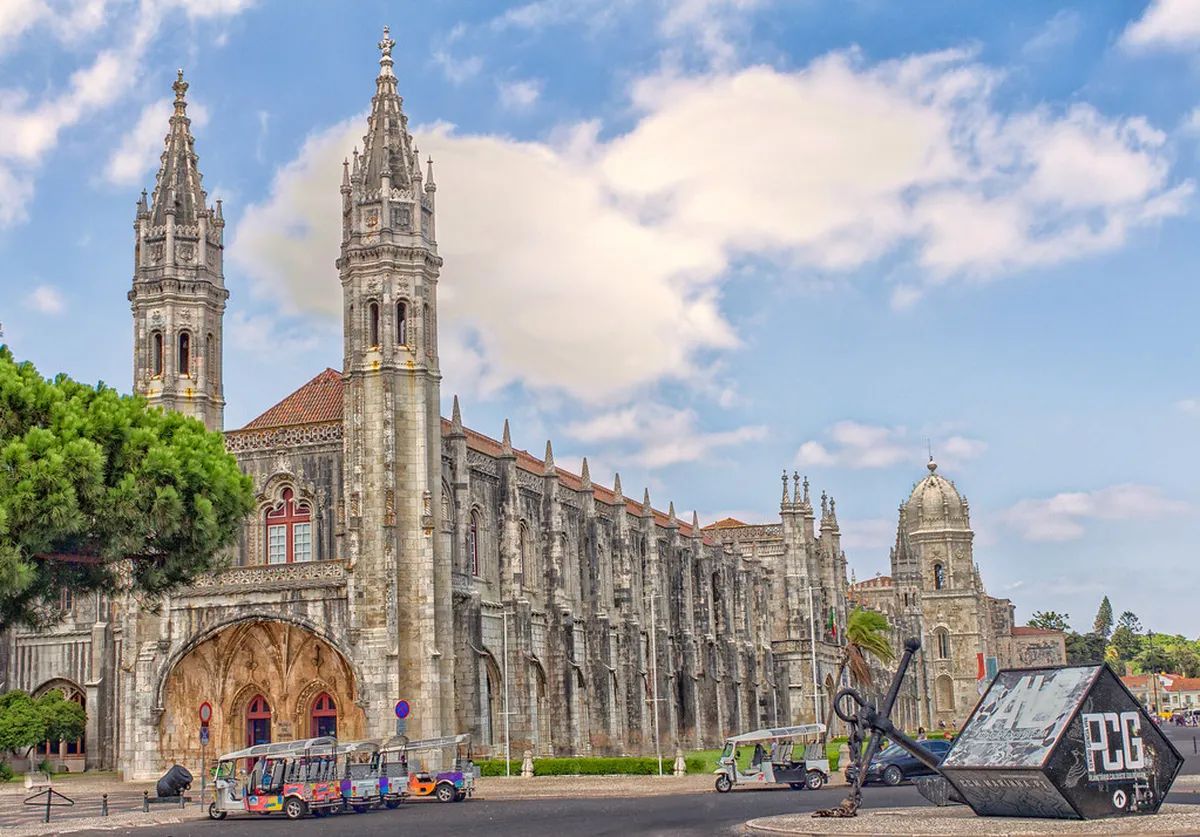
Manueline architecture represents Portugal's golden age. King Manuel I commissioned many iconic buildings. The Jerónimos Monastery is a prime example. Its intricate carvings and grand scale are breathtaking. The Belém Tower also showcases this magnificent style.
To truly appreciate Manueline design, visit Belém. The Jerónimos Monastery charges an entrance fee for its church and cloister. A combined ticket might save you money. Check current prices and opening hours for 2026 online. Many guided tours include these significant sites.
The Jerónimos Monastery charges an entrance fee for its church and cloister. A combined ticket with other Belém monuments may save money — verify current prices and opening hours for 2026 before you visit.
These structures blend late Gothic with Renaissance and Moorish influences. The result is a richly detailed and symbolic style. It stands as a powerful reminder of Portugal's global reach. Don't miss these incredible examples of Belém's historic attractions. They are highlights of any architectural tour.
Pombaline: Rebuilding Lisbon with Style and Resilience
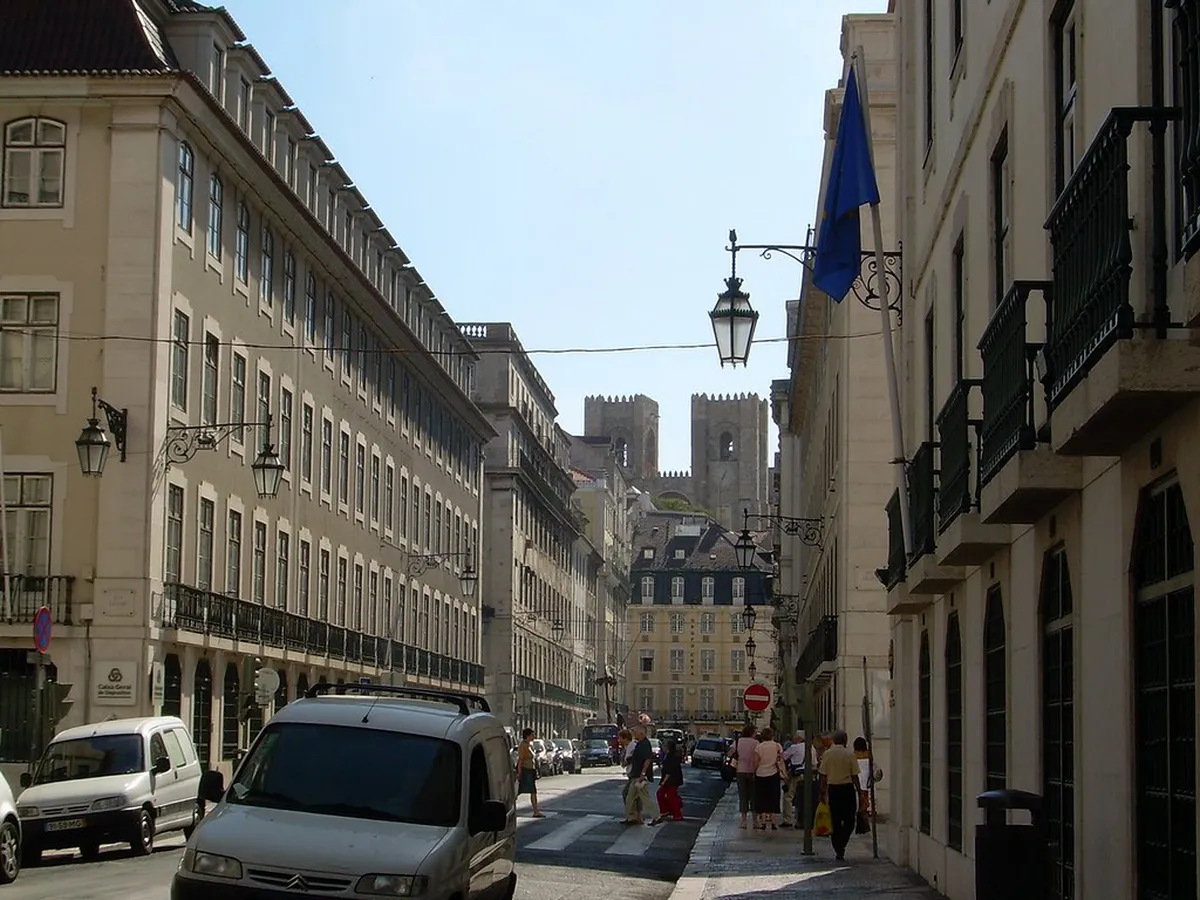
The devastating 1755 earthquake destroyed much of Lisbon. Marquis of Pombal led the city's ambitious reconstruction. This effort created the distinctive Pombaline style. It is characterized by its orderly and pragmatic design. Lisbon's downtown Baixa district exemplifies this approach.
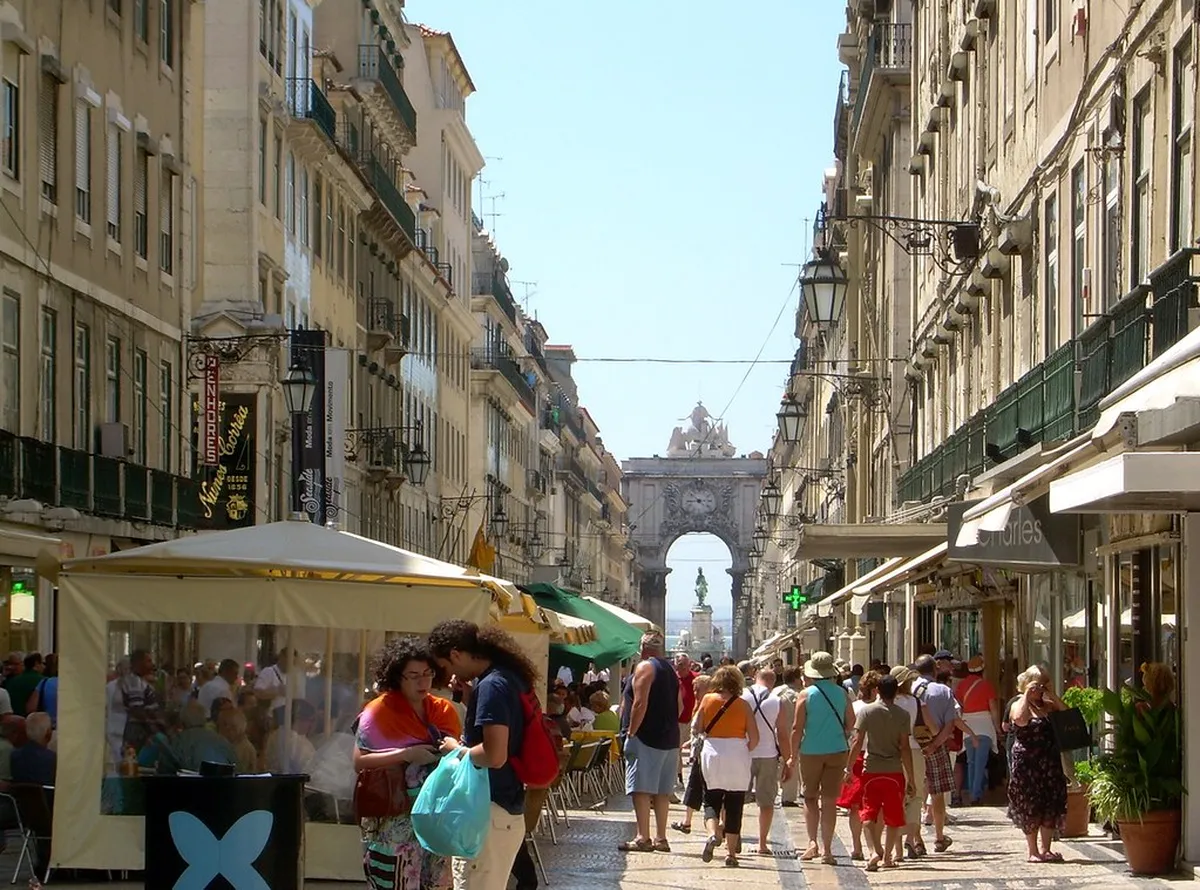
Pombaline architecture prioritized earthquake resistance. Buildings featured innovative timber-frame structures. These frames absorbed seismic shocks better than solid masonry. This clever engineering was revolutionary for its time. It showcased a blend of functionality and aesthetics.
The Baixa grid layout is a hallmark of Pombaline planning. Wide avenues and symmetrical squares define the area. Praça do Comércio is a grand example of this vision. Its imposing arcades and triumphal arch are magnificent. This area is perfect for a leisurely walk.
Visitors can explore the entire Baixa district easily on foot. Many buildings now house shops, cafes, and hotels. Take time to admire the uniform facades. They reflect a period of great resilience and rebirth. Discover more about Baixa's historic sights during your visit.
Azulejos: Lisbon's Iconic Tiled Facades and Art
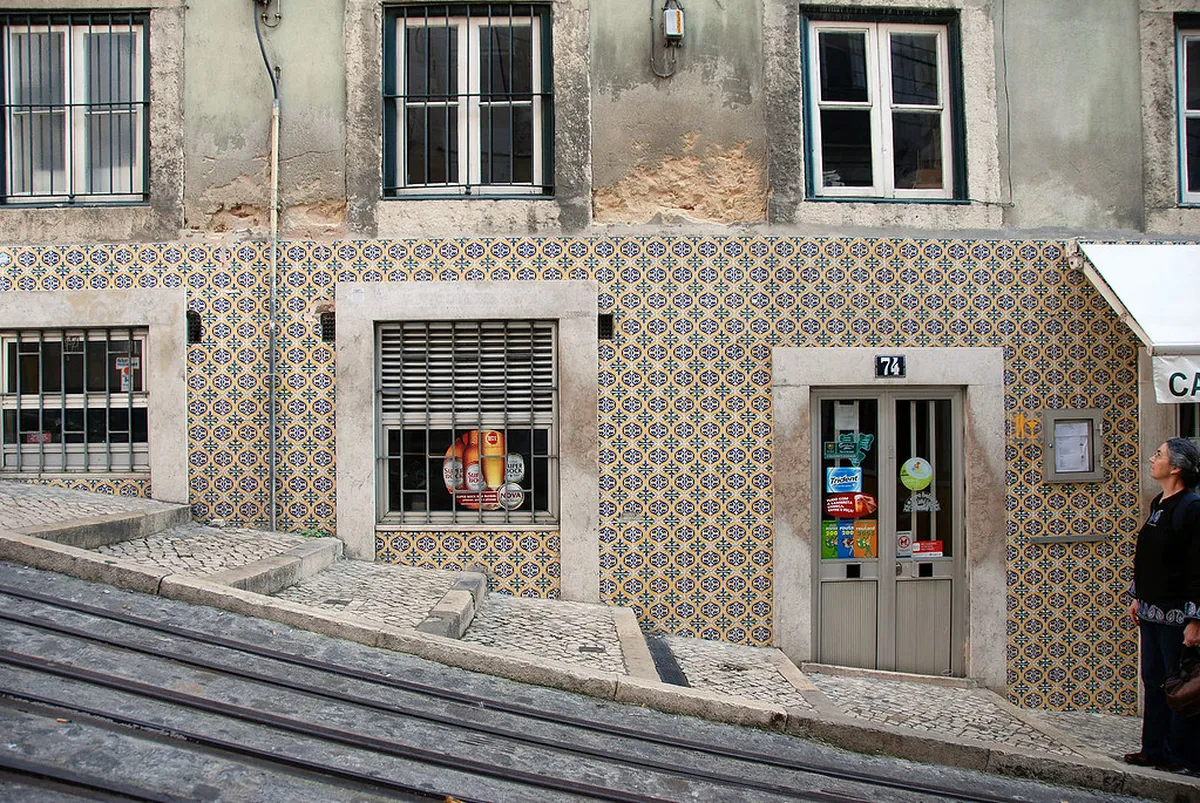
Azulejos are ceramic tiles adorning countless buildings. They are an integral part of Lisbon historic architecture styles. These colorful tiles serve both decorative and practical purposes. They protect facades from the elements. Furthermore, they add immense beauty and character.

You can find azulejos everywhere in Lisbon. They cover church interiors and residential homes. Many depict historical scenes, saints, or geometric patterns. Each tile tells a small part of the city's story. Pay attention to the intricate details on your walks.
The National Azulejo Museum offers an in-depth look. It showcases the history and artistry of these tiles. The museum is open Tuesday to Sunday. Ticket prices are around €5 for adults. It is a must-visit for art and history enthusiasts.
The National Azulejo Museum is open Tuesday to Sunday and admission is around €5 for adults. It is an ideal stop for anyone wanting to understand the full history of Portugal's famous decorative tiles.
Strolling through neighborhoods like Alfama or Graça reveals a mosaic city. Each tiled building is a piece of public art. Many shops sell beautiful azulejos as souvenirs. Consider taking a dedicated tour to learn about Lisbon's tiled buildings. This vibrant tradition continues to thrive in 2026.
Exploring Lisbon's Eclectic Architectural Mix Today
Beyond the major styles, Lisbon boasts diverse architecture. Art Nouveau and Art Deco buildings add to its charm. These styles emerged in the late 19th and early 20th centuries. They introduce elegant curves and decorative ironwork. Look for them in areas like Chiado and Avenida da Liberdade.
Lisbon also features impressive Gothic and Baroque churches. The Igreja de São Roque, for example, has an astonishing interior. Its chapels are richly decorated with gold and precious stones. These sites offer a spiritual and aesthetic experience. Many are free to enter, though donations are welcome.
Contemporary architecture is also making its mark. New developments blend modern design with traditional elements. This mix keeps Lisbon's urban fabric dynamic. It shows a city constantly evolving while respecting its past. Architectural walking tours often highlight these contrasts.
Every street corner offers a new discovery. From ancient Roman walls to vibrant street art, Lisbon is a visual feast. Take your time to look up and around you. The city's layered architecture reflects its enduring spirit. This architectural journey is truly captivating in 2026.
| Style | Period | Key Features | Where to See It |
|---|---|---|---|
| Roman & Moorish | 8th–12th century | Labyrinthine alleys, ancient walls, fortified hilltop layout | Alfama, Castelo de São Jorge, Roman Theatre |
| Manueline | 15th–16th century | Maritime motifs, ropes, shells, armillary spheres, ornate Gothic-Renaissance blend | Jerónimos Monastery, Belém Tower |
| Pombaline | Post-1755 earthquake | Orderly grid plan, timber-frame earthquake-resistant construction, uniform facades | Baixa district, Praça do Comércio |
| Azulejos | 15th century–present | Decorative ceramic tile facades, geometric and figurative patterns | Alfama, Graça, National Azulejo Museum |
| Art Nouveau / Deco & Baroque | Late 19th–early 20th century | Elegant curves, decorative ironwork, richly gilded church interiors | Chiado, Avenida da Liberdade, Igreja de São Roque |
Frequently Asked Questions
What is the most famous architectural style in Lisbon?
The Manueline style is arguably Lisbon's most famous. It is unique to Portugal's Age of Discoveries. You can see it prominently in Belém's iconic monuments. The Jerónimos Monastery and Belém Tower are prime examples of this elaborate design.
Where can I best see Pombaline architecture in Lisbon?
The Baixa district is the best place to see Pombaline architecture. This area was rebuilt after the 1755 earthquake. It features an orderly grid plan and uniform buildings. Praça do Comércio and Rua Augusta are excellent examples of this style.
Are there still Roman architectural remains in Lisbon?
Yes, Lisbon has Roman architectural remains. You can visit the Roman Theatre Museum. It is located near the Lisbon Cathedral (Sé de Lisboa). Parts of the ancient Roman city walls are also visible. These ruins provide a window into Lisbon's earliest history.
What are azulejos in Lisbon's architecture?
Azulejos are decorative ceramic tiles. They cover many buildings across Lisbon. These tiles add color and patterns to facades. They are a defining characteristic of Lisbon historic architecture styles. Visit the National Azulejo Museum to learn more about their history.
Lisbon offers a captivating journey through architectural history. From ancient Roman foundations to elaborate Manueline wonders, each style tells a story. The resilient Pombaline reconstruction defines downtown. And vibrant azulejos add color to every corner. Plan your architectural exploration for an enriching visit to Lisbon in 2026. This city truly celebrates its diverse past. What will you discover first?
Key Takeaways
- Explore Manueline masterpieces like Jerónimos Monastery in Belém.
- Wander the orderly Baixa district to experience Pombaline reconstruction.
- Look closely at building facades to appreciate Lisbon's iconic azulejos.
- Visit the Castelo de São Jorge for glimpses of Moorish architectural influence.
Continue exploring Lisbon's historic quarter
 Pombaline Architecture Guide: Lisbon's Resilient StyleDecember 13, 2025
- Uncovering Lisbon Historic Architecture Styles GuideDecember 11, 2025
 Lisbon's Moorish Architecture Influence in 2026December 11, 2025
 Manueline Architecture Lisbon: Top Examples in 2026December 10, 2025