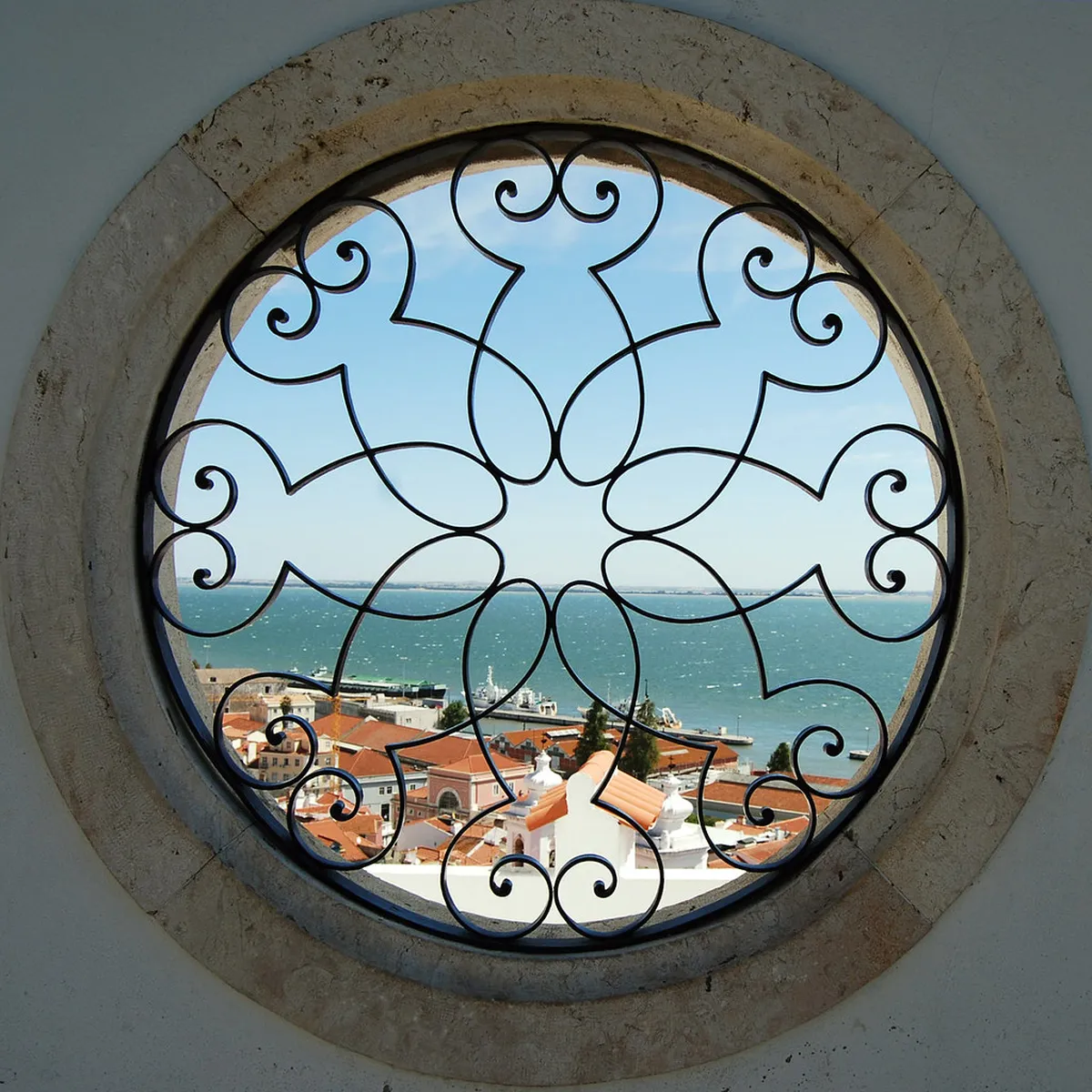
Explore Lisbon's Baixa Pedestrian Streets in 2026
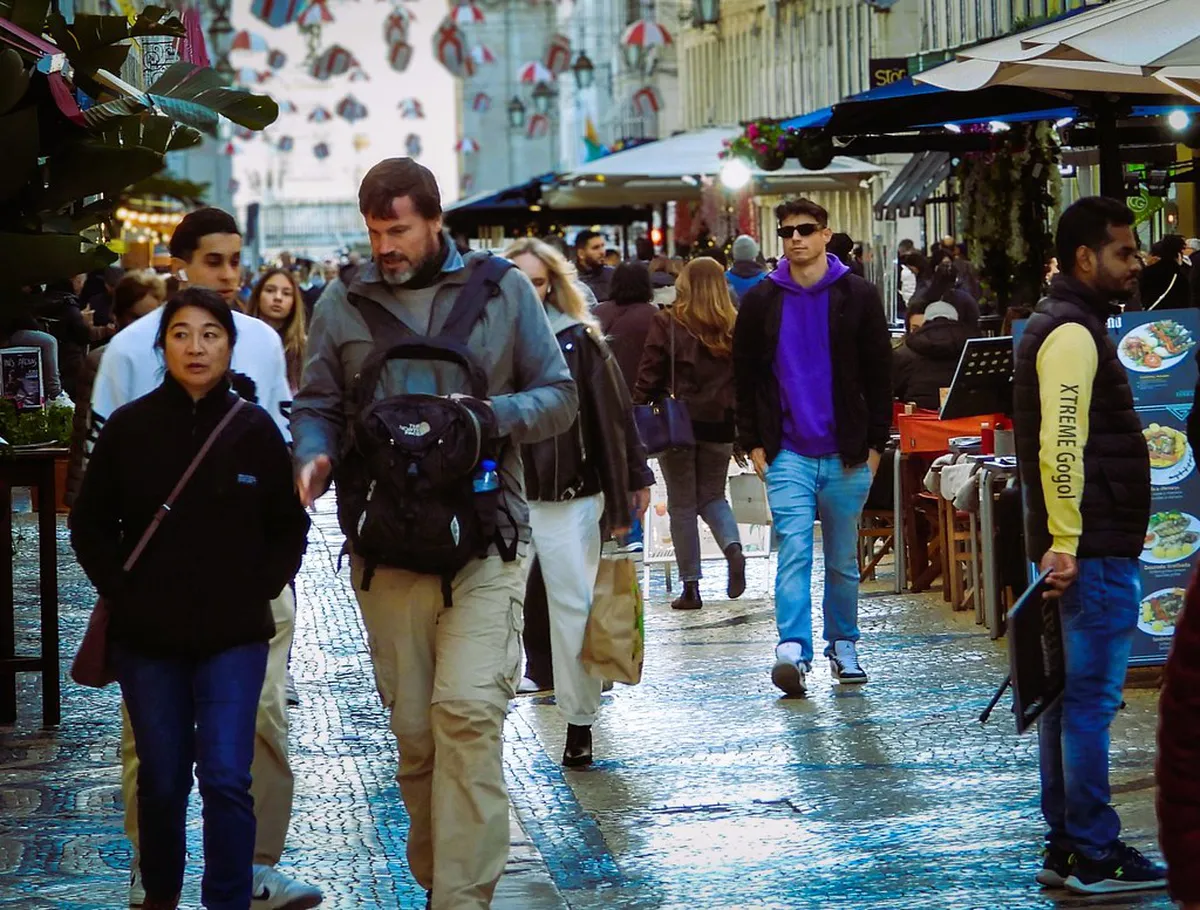
Table of Contents
The Baixa pedestrian streets in Lisbon offer a captivating experience. This historic district boasts wide avenues and grand squares. It was completely rebuilt after the devastating 1755 earthquake. Today, Baixa is a vibrant hub of activity for visitors.
Explore its unique Pombaline architecture and bustling atmosphere. This guide provides essential tips for your 2026 journey. Prepare to discover the heart of Lisbon on foot.
Unveiling Baixa's Rich History and Design
The Baixa district holds deep historical significance. It was utterly destroyed by the Great Lisbon Earthquake. Marquis of Pombal led its ambitious reconstruction effort. The resulting grid layout became a blueprint for urban planning. This unique design is known as Pombaline architecture.
Construction started shortly after the 1755 disaster. Buildings featured innovative anti-seismic cages within their structures. They represent early examples of prefabricated construction. This resilience ensured Lisbon's rebirth. Baixa stands as a testament to human ingenuity. Learn more about Lisbon's earthquake history.
The uniform facades and elegant squares define Baixa. Rua Augusta is the central artery of this area. It connects Rossio Square to Praça do Comércio. This grand design makes navigation very straightforward. The entire district is a designated UNESCO World Heritage site.
Must-See Historic Sights in Baixa
Praça do Comércio is a magnificent riverside square. It once served as the entrance to Lisbon. The square features a grand triumphal arch. You can walk through it to reach Rua Augusta. King José I's equestrian statue stands proudly here.
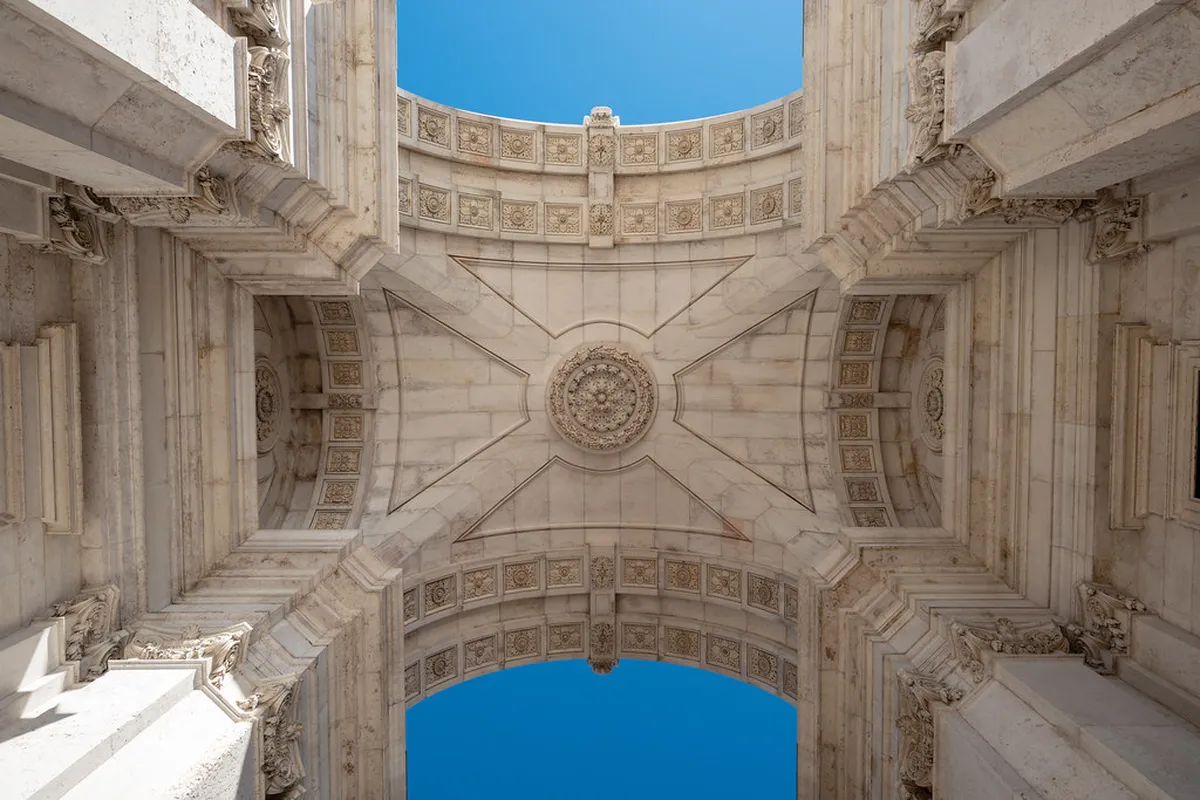
The Rua Augusta Arch is an iconic landmark. It provides stunning views from its top observation deck. Visitors pay around €3 to enter. It opens daily from 9:00 AM to 7:00 PM. This view offers a fresh perspective of the Baixa pedestrian streets.
Rossio Square, officially Praça de D. Pedro IV, is another central point. It is famous for its distinctive wave-patterned mosaic pavement. Two baroque fountains adorn the square. The National Theatre D. Maria II stands prominently here. Many significant events have occurred in this historic plaza. Discover more historic plazas in Lisbon.
The Santa Justa Lift connects Baixa to the Carmo district above. This impressive iron structure was built by Raoul Mesnier du Ponsard. It offers panoramic city views from its upper platform. A round trip costs about €5.30. It operates from 7:00 AM to 11:00 PM daily. This lift is an unmissable part of your visit.
The Rua Augusta Arch observation deck opens daily from 9:00 AM to 7:00 PM and costs around €3 — well worth it for the elevated view down the length of Baixa to the river. The Santa Justa Lift (€5.30 round trip) runs from 7:00 AM to 11:00 PM, so you can combine both in a single morning without rushing.
Shopping and Dining on Baixa Pedestrian Streets
Baixa is a paradise for shoppers and food enthusiasts. The main streets are lined with diverse stores. You will find international brands and local boutiques. Traditional Portuguese goods are also readily available. Look for unique souvenirs and handicrafts. Many shops offer cork products and embroidered linens.
Enjoy a leisurely meal at one of Baixa's many restaurants. Options range from casual eateries to fine dining establishments. You can savor traditional Portuguese cuisine here. Fresh seafood is a staple on most menus. Prices for a main course typically start around €12-€20. Many establishments offer outdoor seating.
The district also boasts several historic cafés. These spots are perfect for a coffee and pastry break. Try a traditional 'pastel de nata'. These cafés often have beautiful, ornate interiors. They provide a glimpse into Lisbon's past. Check out our guide to Lisbon's historic cafés.
Evenings bring a different energy to Baixa. Some streets transform with live music. Many restaurants become lively with chatter. It’s a wonderful place for an evening stroll. Consider making dinner reservations, especially on weekends in 2026.
| Attraction / Experience | Cost (approx.) | Opening Hours | Notes |
|---|---|---|---|
| Rua Augusta Arch observation deck | €3 | 9:00 AM – 7:00 PM daily | Panoramic view of Baixa and the Tagus |
| Santa Justa Lift (round trip) | €5.30 | 7:00 AM – 11:00 PM daily | Connects Baixa to Carmo district above |
| Praça do Comércio entry | Free | Open 24 hours | Grand riverside square; triumphal arch walk-through free |
| Rossio Square (Praça de D. Pedro IV) | Free | Open 24 hours | Wave-patterned mosaic pavement; two baroque fountains |
| Restaurant main course | €12 – €20 | Varies by venue | Fresh seafood a staple; outdoor seating widely available |
Navigating and Enjoying Baixa on Foot
Exploring Baixa is best done by walking. The flat, grid-like streets are very pedestrian-friendly. Wear comfortable shoes for extended exploration. Lisbon's famous hills are largely absent here. This makes Baixa accessible for all visitors. The main pedestrian zone is closed to most traffic.
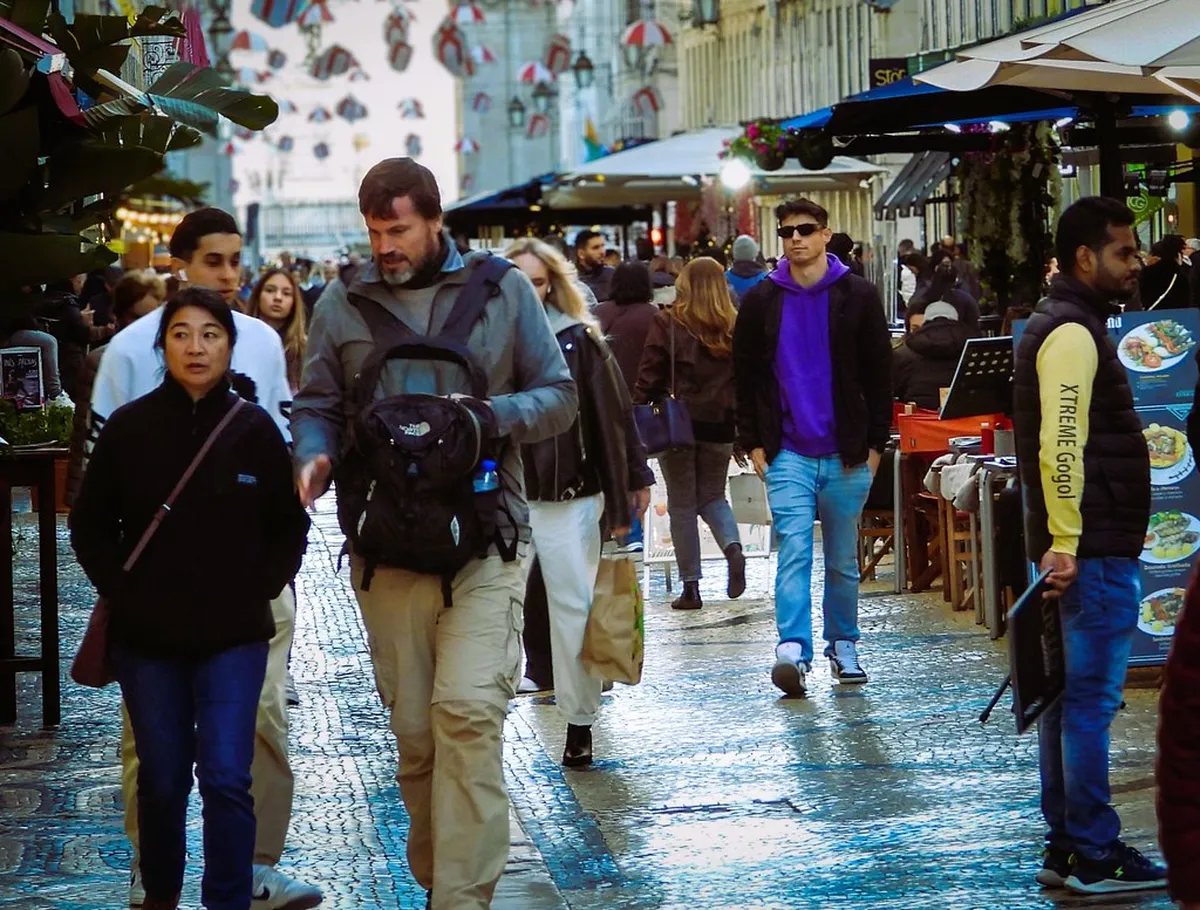
Many streets are dedicated solely to pedestrians. Rua Augusta is a prime example. This provides a safe and enjoyable walking experience. Allow several hours to fully appreciate the area. You can easily spend half a day here. Combine your visit with nearby Chiado or Alfama.
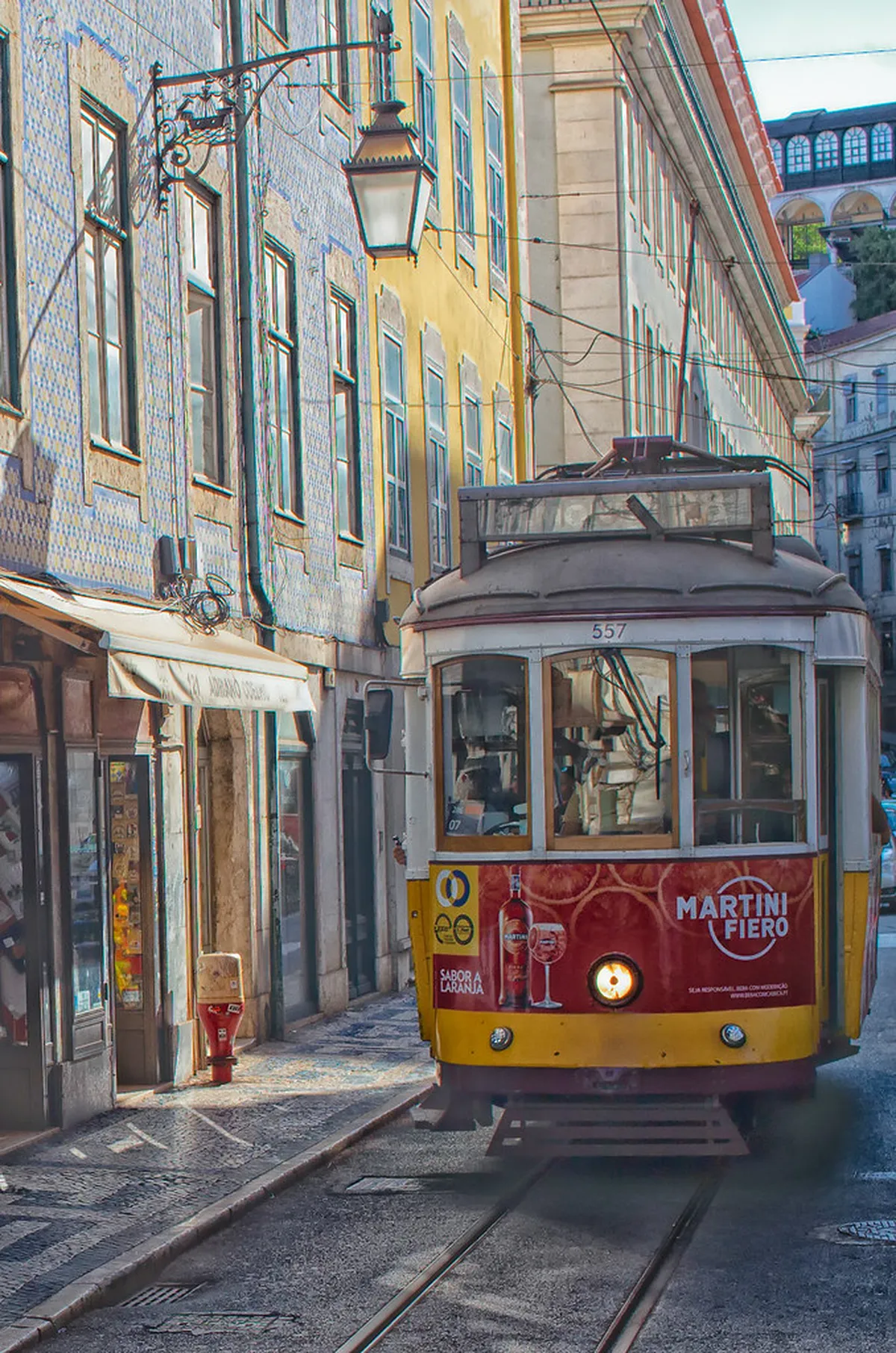
Public transport is easily accessible around Baixa. Rossio and Baixa-Chiado metro stations serve the district. Numerous bus and tram lines also pass through. The iconic Tram 28 passes close by. Consider purchasing a Lisboa Card for unlimited travel. This card also offers discounts on attractions.
Visit in the morning to avoid the biggest crowds. The light is also beautiful for photography. Be aware of pickpockets, especially in crowded areas. Always keep your valuables secure. Lisbon is a very safe city overall. Enjoy the lively atmosphere responsibly.
Pickpockets are active in Baixa's busiest stretches — particularly along Rua Augusta and around Rossio Square at peak hours. Keep bags zipped and in front of you, and avoid using your phone while walking through tight crowds near street performers or market stalls.
Frequently Asked Questions
What are the main pedestrian streets in Baixa?
Rua Augusta is the most famous pedestrian street. It connects Rossio Square to Praça do Comércio. Other notable pedestrian areas include Rua da Prata and Rua do Ouro. These streets are parallel and ideal for walking. They form the core of Baixa's vibrant commerce.
How much time should I allocate for Baixa?
Allocate at least 3-4 hours to explore Baixa thoroughly. This allows time for sightseeing and maybe a coffee break. If you plan to shop or visit all major attractions, allow more. A full day can easily be spent discovering the area. Consider exploring nearby Baixa historic sights.
Is Baixa accessible for people with mobility issues?
Yes, Baixa is one of Lisbon's most accessible districts. Its flat, grid-like streets are easy to navigate. Most sidewalks are wide and well-maintained. Praça do Comércio is also very flat. This makes it suitable for wheelchairs and strollers. Other historic Lisbon neighborhoods are much hillier.
What is the best way to get to Baixa?
Baixa is well-connected by public transport. Take the metro to Rossio or Baixa-Chiado stations. Trams and buses also serve the area frequently. Walking from nearby districts like Chiado is also easy. The central location makes it very convenient to reach. You can even walk from the Santa Justa Lift.
The Baixa pedestrian streets in Lisbon offer a unique charm. They showcase resilience and remarkable urban planning. From historic squares to bustling shops, there's much to see. Plan your 2026 visit to this iconic Lisbon district. Immerse yourself in its rich history and vibrant culture.
Key Takeaways
- Explore Baixa's flat, grid-like streets for easy walking.
- Visit Praça do Comércio and Rossio Square for historic beauty.
- Take the Santa Justa Lift for stunning panoramic city views.
- Enjoy shopping for local crafts and traditional Portuguese cuisine.
- Allow 3-4 hours to fully experience the Baixa district.
Continue exploring Lisbon's historic quarter
- Explore Lisbon's Baixa Pedestrian Streets in 2026December 12, 2025
 Rua Augusta Shopping: Baixa Lisbon's Retail HubDecember 11, 2025
 Best Pedestrian Areas Baixa Lisbon in 2026 GuideDecember 10, 2025
 Walking Tour Baixa Lisbon Streets: Your 2026 GuideDecember 10, 2025