
Coimbra Historic Sites Photo Guide: Capture Portugal's Past
Table of Contents
Coimbra, Portugal, offers a rich tapestry of history. This ancient city boasts incredible architecture and vibrant culture. Our Coimbra historic sites photo guide helps you capture its beauty. Prepare to explore UNESCO World Heritage sites and hidden gems.
You will find breathtaking views at every turn. This guide provides essential photography tips. We share the best times to visit each location. Get ready to document your unforgettable 2026 journey.
University of Coimbra: Architectural Wonders to Photograph
The University of Coimbra crowns the city's highest hill. It stands as a UNESCO World Heritage site. This complex offers stunning photographic opportunities. Plan to spend several hours exploring its grandeur.
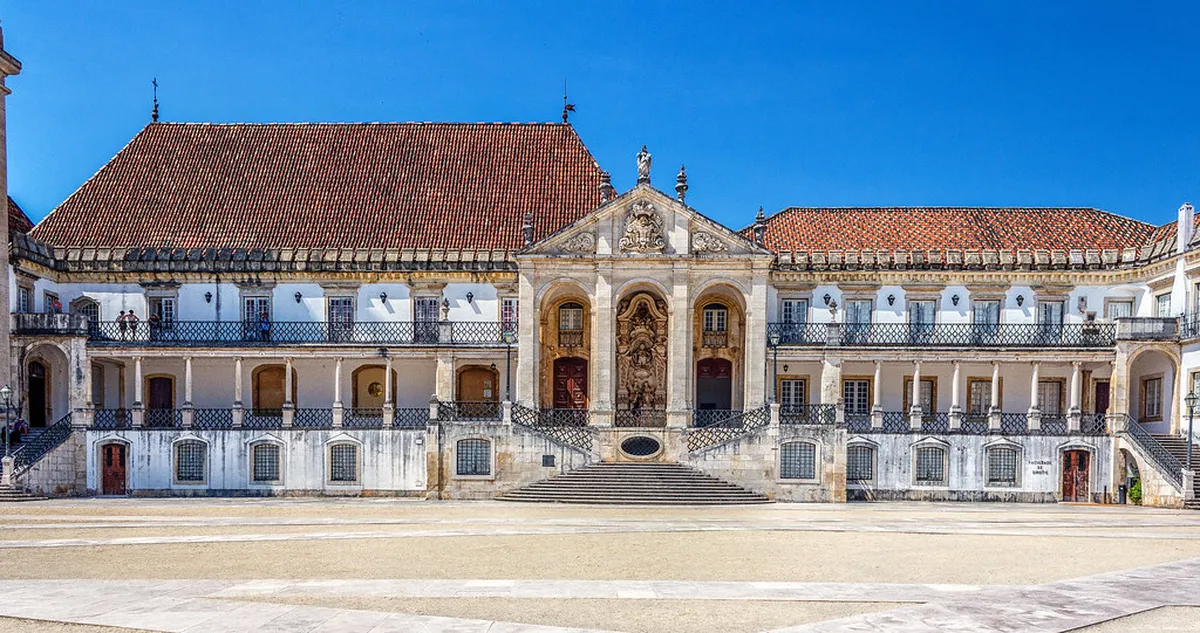
Focus your lens on the iconic Joanina Library interior. Its opulent Baroque design is truly magnificent. Photography inside requires prior permission and often strict rules. Check specific regulations for 2026 before your visit.
Capture the Royal Palace and Chapel of St. Michael next. The Chapel features exquisite Manueline-Baroque details. The Clock Tower provides incredible panoramic views. Consider a wide-angle lens for these vast spaces.
For exterior shots, frame the university buildings from the Via Latina. Early morning light casts a golden glow on the facades. Late afternoon provides soft, long shadows. An integrated ticket typically costs around "12.50-"14.00, granting access to multiple areas. Discover more about this historic area with our guide to University Hill's rich history.
An integrated ticket for the University of Coimbra complex typically costs around €12.50–€14.00 and grants access to multiple areas including the Royal Palace and Chapel of St. Michael. Photography inside the Joanina Library requires prior permission — check the specific regulations before your visit.
Sé Velha (Old Cathedral): Medieval Fortress Photo Spots
Coimbra's Old Cathedral, or Sé Velha, is a masterpiece. This Romanesque structure dates back to the 12th century. Its robust, fortress-like exterior tells stories of centuries past. It offers unique angles for dramatic photographs.
Photograph the imposing main portal from afar. Then capture its intricate details up close. The rose window above is particularly striking. Early morning provides soft, directional light. This illuminates the ancient stone beautifully.
Step inside to find a surprisingly dark, atmospheric interior. The golden altar glimmers in the dim light. Flash photography is usually prohibited here. Adjust your camera's ISO settings for best results.
Do not miss the peaceful cloisters, built later in Gothic style. Their geometric arches create perfect photo frames. The interplay of light and shadow changes throughout the day. Entrance to the cathedral usually costs around ";3.00, with an extra fee for the cloisters. Exploring these grounds makes for a captivating photographic experience.
Flash photography is prohibited inside the Sé Velha. The interior is notably dark, so raise your camera's ISO settings to compensate — many photographers use ISO 1600–3200. Tripods are also typically restricted indoors; a monopod or image-stabilised lens is a practical alternative.
Sé Nova (New Cathedral): Baroque Beauty for Your Lens
The Sé Nova presents a strong contrast to its older counterpart. This Baroque cathedral was originally a Jesuit church. Its grand facade showcases ornate statues and columns. Capture its impressive scale from Largo da Feira.
The interior boasts a magnificent gilded altarpiece. Many chapels are richly decorated. A wide-angle lens is perfect for capturing the vast space. Look for details in the ceiling frescoes.
Visiting in the afternoon can provide strong, contrasting light. This highlights the building's sculptural elements. The Sé Nova is often less crowded than the Sé Velha. This allows for more relaxed photography sessions.
Entry is typically free to the main nave. Check for any specific exhibition costs for 2026. This grand church offers a different architectural perspective. It complements the medieval charm of Coimbra. This makes it an essential stop for your Coimbra historic sites photo guide.
Monastery of Santa Cruz: Royal Tombs and Tiled Art
The Monastery of Santa Cruz is a significant national monument. It houses the tombs of Portugal's first two kings. This site offers a blend of Romanesque, Gothic, and Manueline styles. It provides diverse photographic subjects.
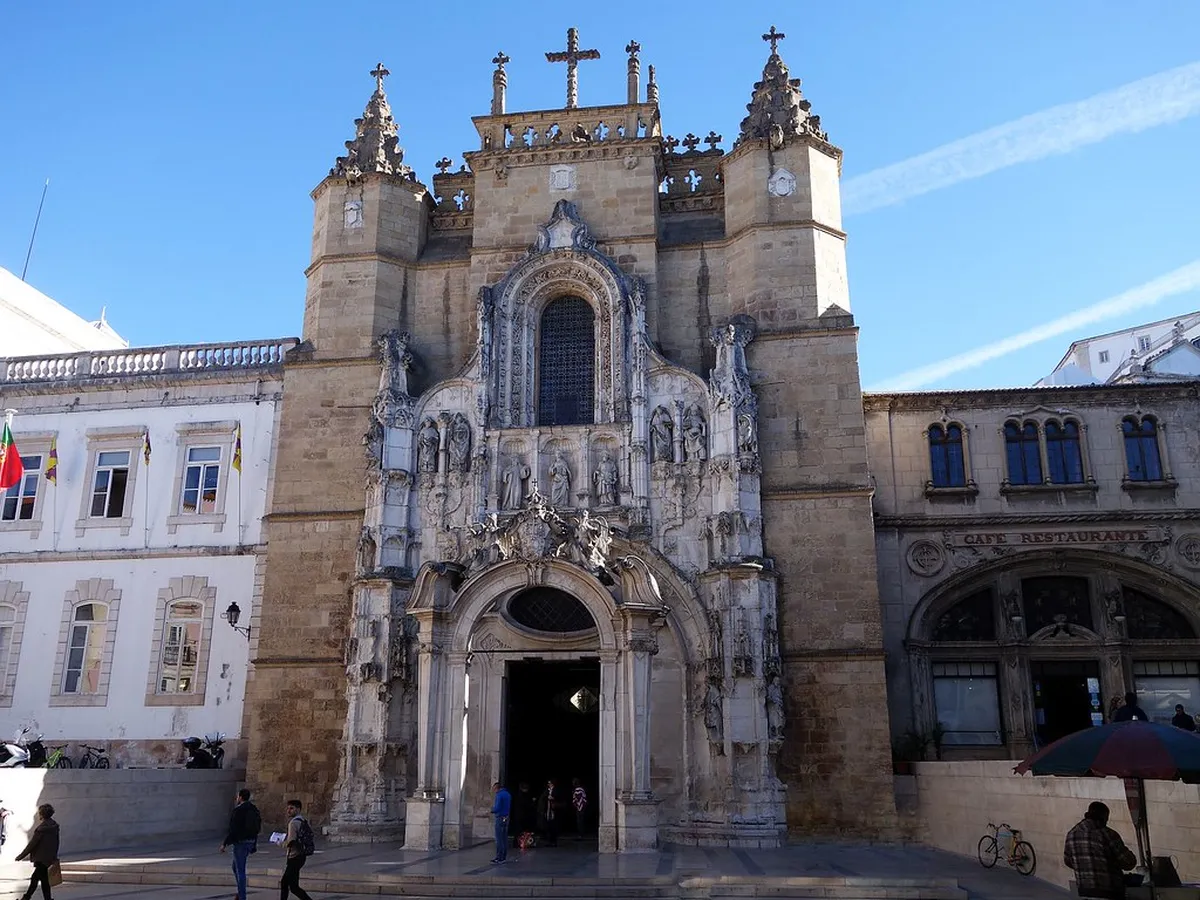
Focus on the stunning Manueline portal by Diogo Boitaca. Its intricate carvings are incredibly detailed. Capture the delicate stonework in morning light. This will emphasize its depth and texture.
Inside, the cloisters feature beautiful azulejo tiles. These blue and white panels depict religious scenes. They add a vibrant splash of color to your photos. The quiet atmosphere is ideal for thoughtful compositions.
The royal tombs themselves are elaborate works of art. Photography is often permitted without flash. An entrance fee of approximately ";3.00 applies. This ensures preservation of these historic treasures. This monastery is a must-see for history and photography enthusiasts alike.
| Historic Site | Entry Fee | Best Light | Flash Permitted | Key Photo Subject |
|---|---|---|---|---|
| University of Coimbra (complex) | €12.50–€14.00 | Early morning | Check per area | Joanina Library interior, Clock Tower panorama |
| Sé Velha (Old Cathedral) | ~€3.00 (+ cloisters) | Early morning | No | Romanesque portal, Gothic cloisters |
| Sé Nova (New Cathedral) | Free (main nave) | Afternoon | Check on arrival | Gilded altarpiece, ceiling frescoes |
| Monastery of Santa Cruz | ~€3.00 | Morning | No flash on tombs | Manueline portal, azulejo tile panels |
| Miradouros (viewpoints) | Free | Sunrise / sunset | Outdoor — yes | University skyline, Mondego River panorama |
Baixa and Medieval Streets: Capturing Coimbra's Urban Soul
The Baixa, or lower city, pulsates with local life. Its narrow, winding medieval streets beg to be explored. This area provides endless opportunities for street photography. Capture the vibrant energy of Coimbra's everyday.
Wander down Rua Ferreira Borges, the main shopping street. Observe traditional shops and cafes. Look for unique doorways and colorful balconies. The interplay of light and shadow creates dynamic scenes.
Explore the former Jewish Quarter, a fascinating labyrinth. Its hidden alleys and ancient walls are very photogenic. These quieter spots reveal Coimbra's deeper history. Consider a slower pace to find the perfect frame.
Golden hour, just before sunset, transforms this area. The warm light bathes the old stone buildings. This enhances their historic character beautifully. Be sure to look up for unexpected architectural details. These streets truly embody the soul of Coimbra.
Coimbra's Miradouros: Panoramic Views for Photographers
Coimbra's hilly terrain offers numerous spectacular viewpoints. These 'miradouros' provide perfect panoramic shots. They allow you to capture the city's unique landscape. Bring a wide-angle lens for these breathtaking vistas.
Visit Miradouro de Santa Sofia for classic city views. You can see the university, bell tower, and Mondego River. This spot is popular for sunset photography. The changing sky colors create dramatic backdrops.
Another excellent option is the Miradouro do Jardim da Manga. It offers a different perspective of the historic center. Frame the colorful rooftops against the distant hills. These spots are easily accessible for all photographers.
Plan your visit for early morning or late afternoon. This avoids harsh midday sun. Tripods are generally permitted at these outdoor locations. Always be mindful of others enjoying the view. Capturing these grand scenes completes your Coimbra historic sites photo guide.
Frequently Asked Questions
What is the best time of day for photography in Coimbra's historic sites?
Early morning and late afternoon offer the best light. This 'golden hour' provides soft, warm tones. It minimizes harsh shadows and glare. Midday sun can be strong, especially in summer 2026. It can flatten images and create unwanted contrast.
Sunrise allows for fewer crowds at popular locations. Sunset provides dramatic skies and beautiful cityscapes. Plan your visits to key sites accordingly. This will maximize your photographic potential.
Are tripods allowed at Coimbra's historic sites and museums?
Tripod policies vary by location. Outdoor public spaces like miradouros generally permit tripods. Indoor venues, especially museums and cathedrals, often restrict them. This protects floors and other visitors.
Always check specific site regulations upon arrival. Some places might allow small, travel-sized tripods. Others may require prior permission for professional setups. Respect any posted signs or staff instructions.
What camera gear should I bring for a Coimbra historic sites photo guide trip?
A versatile camera body is essential. Pack a wide-angle lens for architecture and panoramas. A mid-range zoom lens (e.g., 24-70mm) is also highly recommended. It covers most general photography needs.
Consider a telephoto lens for distant details or unique perspectives. Bring extra batteries, as photography can drain power quickly. A comfortable camera bag and walking shoes are also crucial. Remember to pack light for easy navigation of Coimbra's hilly streets.
How much time should I dedicate to photographing Coimbra's historic sites?
To truly capture Coimbra's essence, dedicate at least two full days. This allows ample time for major sites like the University. You can also explore the Old Cathedral and Santa Cruz Monastery at a leisurely pace.
Allow for travel between locations and light changes. Rushing will limit your creative opportunities. An extra day provides flexibility. You can revisit favorite spots or discover hidden gems. Consider a walking tour of Coimbra for efficient exploration.
Coimbra's historic sites offer endless inspiration for photographers. From the grandeur of the University to the charm of medieval streets, every corner tells a story. Remember our tips for timing and equipment. Plan your 2026 adventure carefully.
Capture the spirit of this magnificent Portuguese city. Your photographic journey through Coimbra will be unforgettable. Embrace the history, absorb the culture, and let your lens do the talking. Start planning your Coimbra historic sites photo guide trip today!
Key Takeaways
- Prioritize early mornings or late afternoons for optimal light in photos.
- Always check specific photography rules for each historic site in Coimbra.
- Pack a versatile lens kit: wide-angle for architecture, zoom for general use.
- Allocate at least two full days to truly explore and photograph Coimbra's treasures.
Continue exploring Coimbra's historic quarter
 Capturing Coimbra: Best Photography Locations in 2026December 12, 2025
- Coimbra Historic Sites Photo Guide: Capture Portugal's PastDecember 11, 2025
 Top Coimbra Photo Spots: Capture Portugal's Charm in 2026December 10, 2025
 Most Instagrammable Spots Coimbra: Your 2026 Photo GuideDecember 10, 2025
 Aveiro Day Trip from Coimbra: 2026 GuideJune 6, 2026