
Coimbra Historical Ruins Guide: Explore Ancient Portugal

Table of Contents
Coimbra, Portugal, offers a deep dive into ancient history. Its charming streets hide fascinating historical ruins. This guide map helps you explore Coimbra's past. You can discover Roman foundations and medieval walls. Prepare for an unforgettable journey through time in 2026.
The city's layers tell stories of various civilizations. From Roman Aeminium to medieval Coimbra, history is everywhere. Follow our tips to experience these significant archaeological sites. Your adventure into Portugal's heritage begins now.
Uncovering Roman Coimbra's Foundations
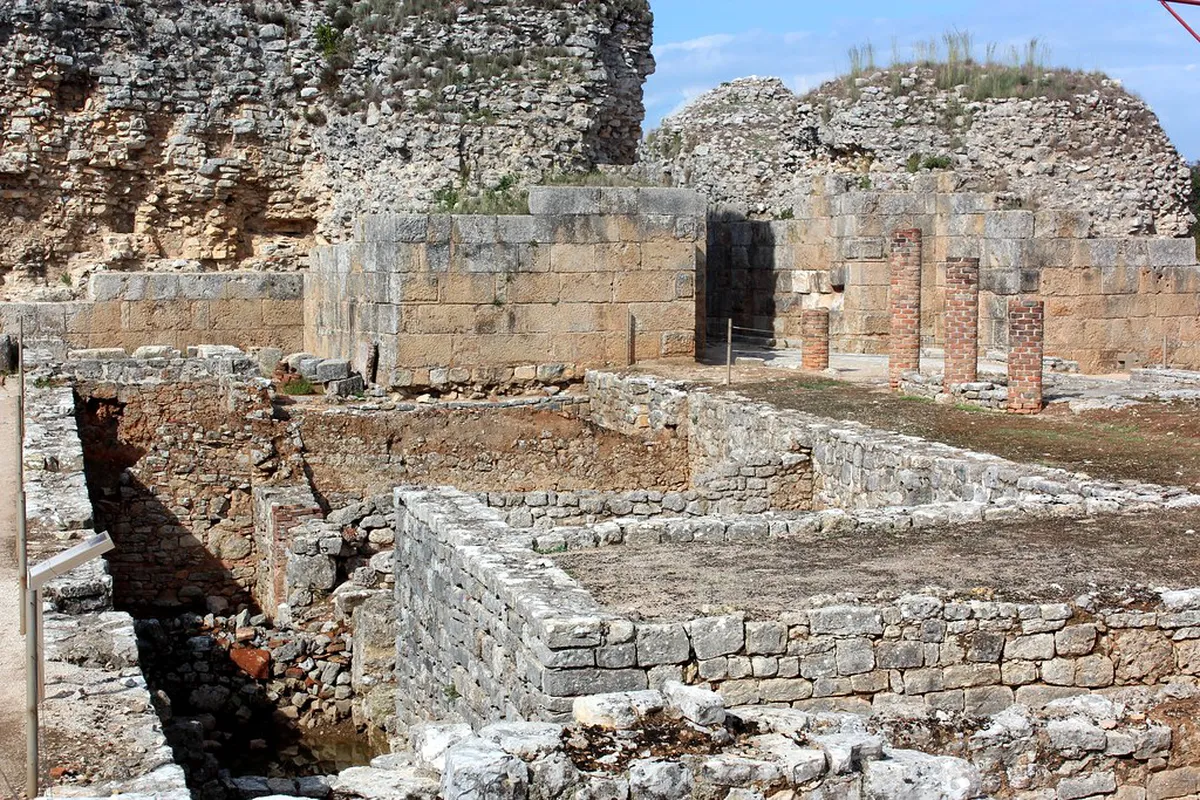
Coimbra was once the Roman city of Aeminium. Evidence of this past lies beneath modern buildings. The Roman Cryptoporticus is a prime example. This ancient structure supported the forum above.
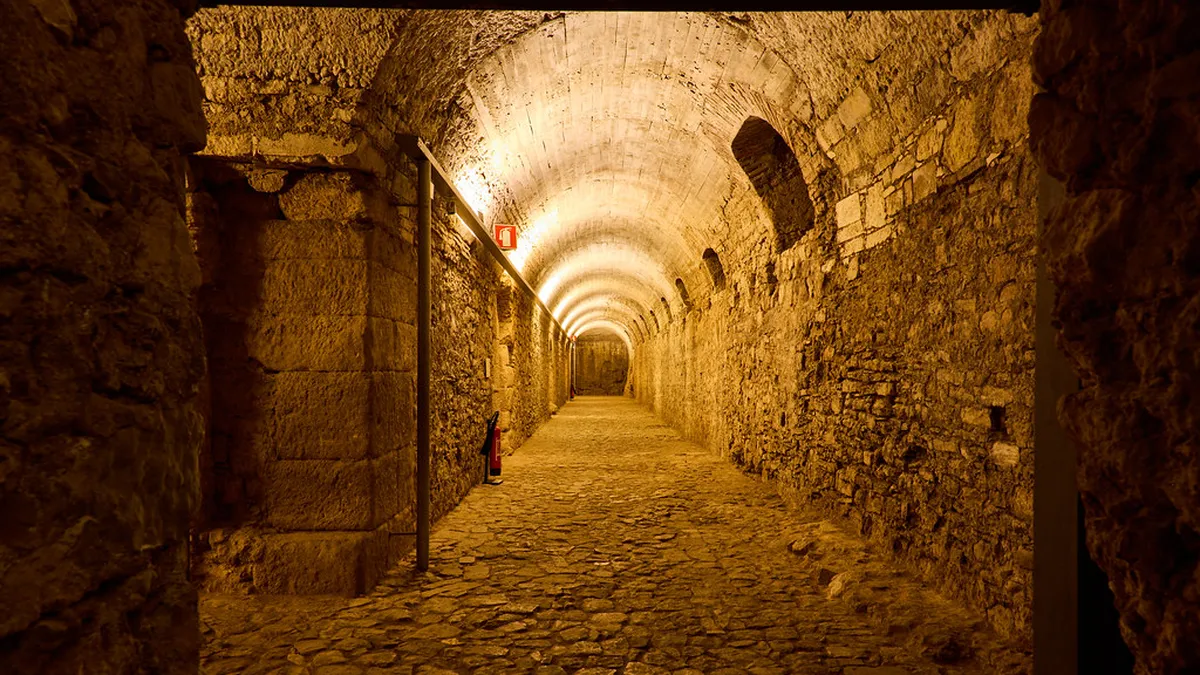
You can find the Cryptoporticus at the Machado de Castro National Museum. Admission is around 6 euros for adults. It is typically open Tuesday to Sunday. This site offers a unique glimpse into Roman engineering.
Further Roman remnants are scattered throughout the city. Some residential areas contain fragments of Roman villas. Look for information plaques near archaeological digs. These small finds enhance your historical journey.
Exploring these sites reveals Coimbra's foundational history. Imagine Roman citizens walking these same paths. It truly connects you to a bygone era. Discover more about Roman ruins in Coimbra, Portugal.
The Roman Cryptoporticus at the Machado de Castro National Museum is open Tuesday to Sunday. Admission is around 6 euros for adults, making it one of the best-value Roman sites in Portugal.
Medieval Coimbra: Walls and Fortifications
After Roman times, Coimbra became a key medieval center. The city was protected by robust walls. These medieval fortifications were essential for defense.
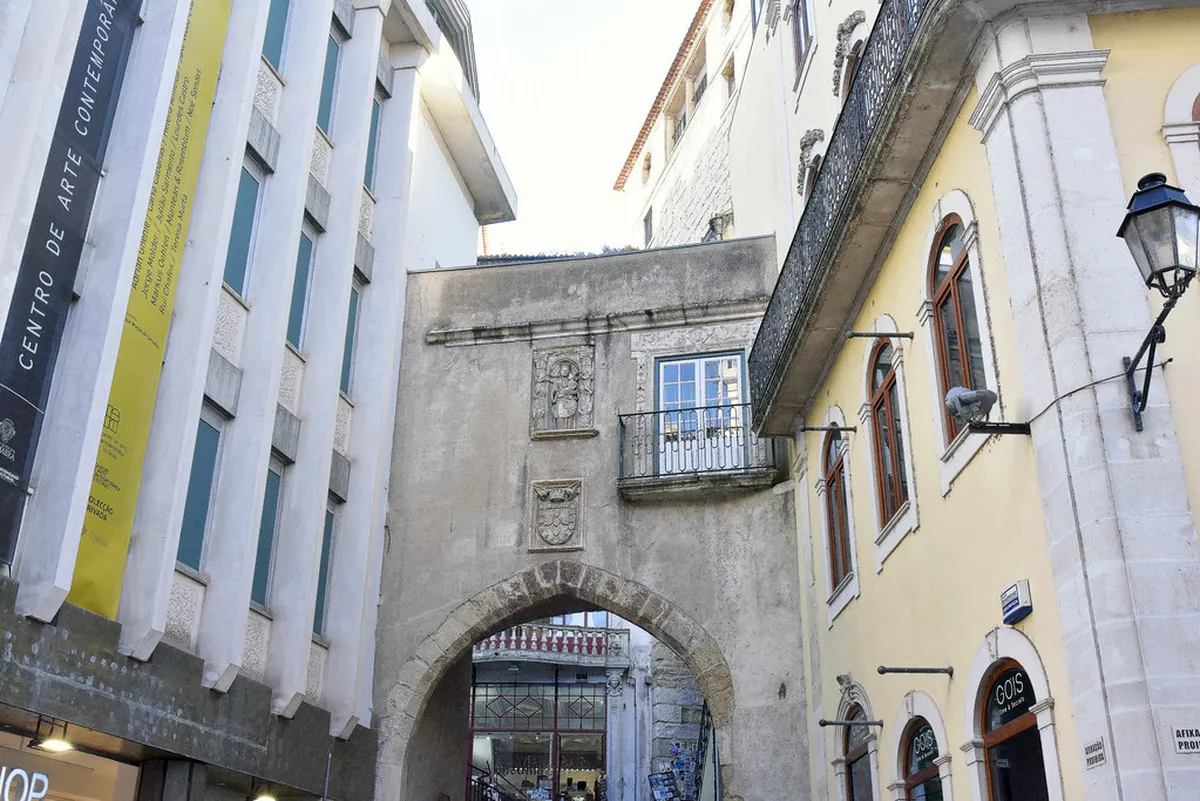
Parts of these ancient walls are still visible today. You can see remnants near the Old Cathedral (Sé Velha). Other sections appear around the Alta area. These walls offer a glimpse into Coimbra's strategic past.
Explore the Arco de Almedina, an old city gate. This gate was once a main entrance to the fortified city. It stands as a testament to medieval architecture. Wander through the narrow streets nearby.
Visiting these areas feels like stepping back in time. The medieval layout shaped much of today's Coimbra. Look for information boards explaining each ruin's significance. They provide valuable historical context for your visit.
Exploring University Hill's Ancient Past
University Hill, or Alta, holds deep historical roots. It is home to the historic University of Coimbra. This area was also central in Roman and medieval periods.
Beneath the university grounds, archaeologists found old structures. These discoveries include Roman foundations and medieval remnants. The university sits atop centuries of history. Visitors can sometimes view specific archaeological exhibitions.
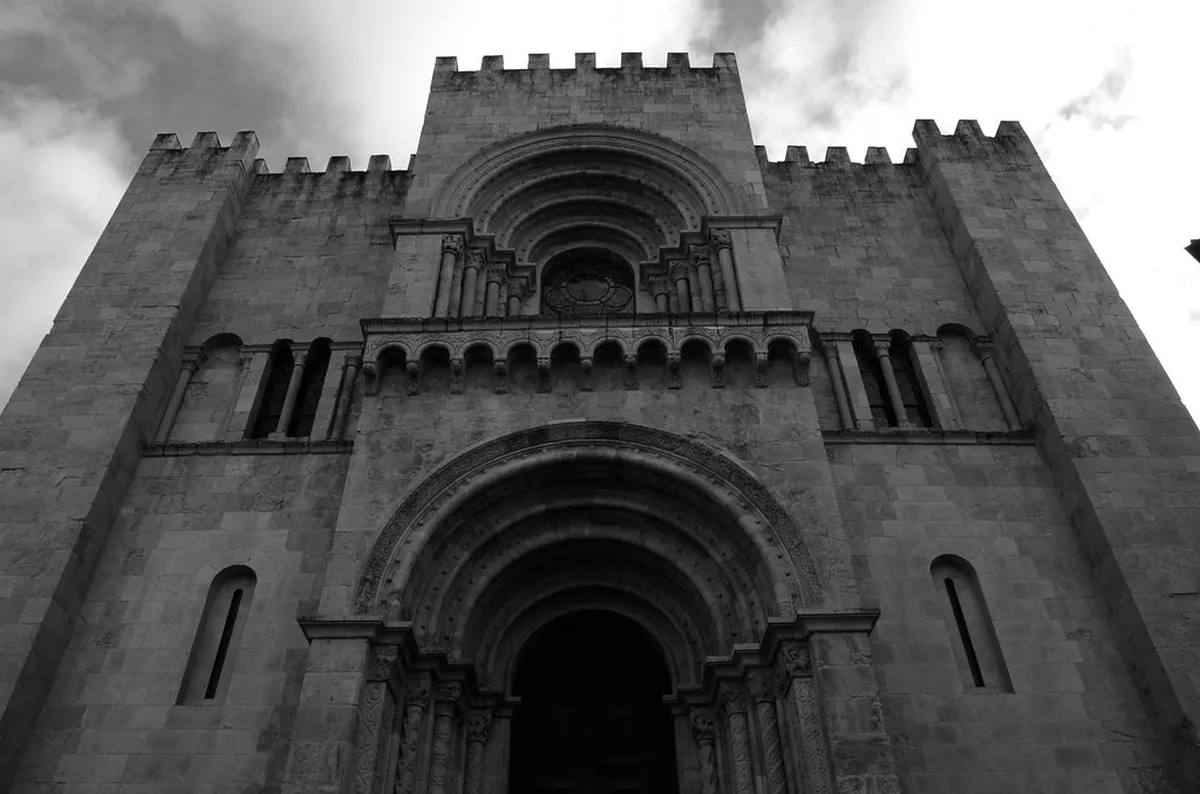
The Sé Velha, Coimbra's Old Cathedral, stands proudly here. Its construction began in the 12th century. It replaced an earlier Mozarabic church on the same spot. The cathedral itself is a living ruin, full of history.
Entry to the Sé Velha is approximately 3 euros. It is open daily, usually from 10 AM to 6 PM. Check current operating hours for 2026 before your visit. The building offers insights into medieval religious life and architecture.
Practical Tips for Your Ruins Exploration
Navigating Coimbra's historical ruins is easy with a plan. A good map is your best friend. Many sites are within walking distance in the city center. Wear comfortable shoes for exploring cobblestone streets.
Consider purchasing a combined ticket if available. This can save you money on multiple museum entries. Check at the local tourism office for options. They provide up-to-date information for 2026.
Guided tours can enhance your experience significantly. Expert guides offer rich historical narratives. They highlight details you might otherwise miss. Look for tours specializing in Coimbra's ancient past.
Start your day early to avoid crowds, especially during peak season. Many sites open at 9 or 10 AM. Allow ample time for each location to fully absorb its history. For more planning advice, check out visiting Coimbra's archaeological sites.
Opening hours for Coimbra's ruins and museums can change seasonally. Always check current 2026 schedules at the local tourism office or official museum websites before your visit to avoid a wasted trip.
| Site | Period | Admission (Adults) | Typical Hours |
|---|---|---|---|
| Roman Cryptoporticus (Machado de Castro Museum) | Roman | ~€6 | Tue–Sun, check locally |
| Sé Velha (Old Cathedral) | Medieval (12th c.) | ~€3 | Daily, approx. 10 AM–6 PM |
| Arco de Almedina | Medieval | Free (exterior) | Always accessible |
| Medieval Wall Remnants (Alta area) | Medieval | Free | Always accessible |
Frequently Asked Questions
What are the most significant Roman ruins to see in Coimbra?
The Roman Cryptoporticus at the Machado de Castro National Museum is essential. It provides a unique underground experience. This structure supported the ancient Roman forum. It truly showcases Roman engineering skills.
Are Coimbra's historical ruins suitable for families with children?
Yes, many historical sites are suitable for families. The museum's Cryptoporticus offers an engaging visit. Walking tours can also be adapted for younger visitors. Interactive elements often capture children's interest.
How much does it cost to visit Coimbra's ancient ruins?
Most major sites, like the Cryptoporticus, have an entrance fee. Expect to pay around 3-6 euros per site. Some outdoor remnants are free to view. Consider a city pass for potential savings on admissions.
Can I find a Coimbra historical ruins guide map locally?
Yes, the Coimbra Tourist Office provides excellent city maps. These maps often highlight key historical and archaeological sites. Local bookstores or museum shops also sell detailed guides. Many digital maps are also available.
Coimbra offers an incredible journey through Portugal's past. From Roman foundations to medieval strongholds, history awaits. Use this guide map to uncover its hidden treasures. Plan your 2026 trip to explore Coimbra's fascinating historical ruins.
Each ancient stone tells a story of empires and civilizations. Embrace the opportunity to walk through centuries of heritage. Begin your adventure in Coimbra soon. It promises a truly enriching cultural experience.
Key Takeaways
- Prioritize the Cryptoporticus for a deep dive into Roman Coimbra.
- Walk the medieval walls and explore the Arco de Almedina for historical context.
- Wear comfortable shoes and use a city map for easy navigation of the ruins.
Continue exploring Coimbra's historic quarter
- Coimbra Historical Ruins Guide: Explore Ancient PortugalDecember 13, 2025
 Visiting Coimbra's Archaeological Sites in 2026December 11, 2025
 Discover Coimbra Ancient Ruins: A Historical JourneyDecember 10, 2025
 Discover Roman Ruins in Coimbra, Portugal TodayDecember 10, 2025
 Aveiro Day Trip from Coimbra: 2026 GuideJune 6, 2026