
Santa Cruz Monastery Coimbra: Deep Historical Importance
Table of Contents
The Santa Cruz Monastery stands as a beacon of Portuguese history. Its stones whisper tales of kings, scholars, and profound faith. This sacred site in Coimbra holds immense historical importance. It played a pivotal role in shaping the nation's early identity. Visiting here offers a journey back in time to the very foundations of Portugal.
This guide explores the enduring legacy of this magnificent monument. You will uncover its royal connections and cultural significance. Prepare to understand why Santa Cruz Monastery remains a treasure for all. Coimbra's historic neighborhoods thrive around this ancient spiritual center.
The Cradle of Portuguese Monarchy
Santa Cruz Monastery in Coimbra holds a unique royal distinction. It became the first royal pantheon of Portugal. Two of Portugal's earliest kings rest within its walls. These include Afonso Henriques, the nation's first king. His son, Sancho I, is also buried here.
King Afonso I, also known as Afonso Henriques, founded the monastery. He established it in 1131, before Portugal was formally recognized. This act cemented the monastery's place in national memory. It symbolizes the birth of an independent Portuguese kingdom.
The monastery was originally an Augustinian foundation. It served as a spiritual and political center for centuries. Its royal burials underscored its incredible prestige. Visiting offers a direct connection to these foundational figures. You can feel the weight of history in every corner.
A Hub of Learning and Cultural Influence
Beyond its royal tombs, Santa Cruz Monastery Coimbra boasted a rich intellectual life. It served as a major center for medieval education. Long before the University of Coimbra, monks here pursued knowledge. They preserved and copied countless manuscripts.
The monastery's scriptorium was highly influential. Monks painstakingly transcribed religious and classical texts. This work contributed greatly to Portuguese literacy. Their extensive library contained valuable works from across Europe. It was a beacon of knowledge in its time.
Religious and philosophical studies flourished within its cloisters. Many prominent scholars were educated here. The monastery fostered intellectual growth throughout the region. Its legacy shaped cultural development for generations. This historical importance cannot be overstated.
Architectural Grandeur and Artistic Riches
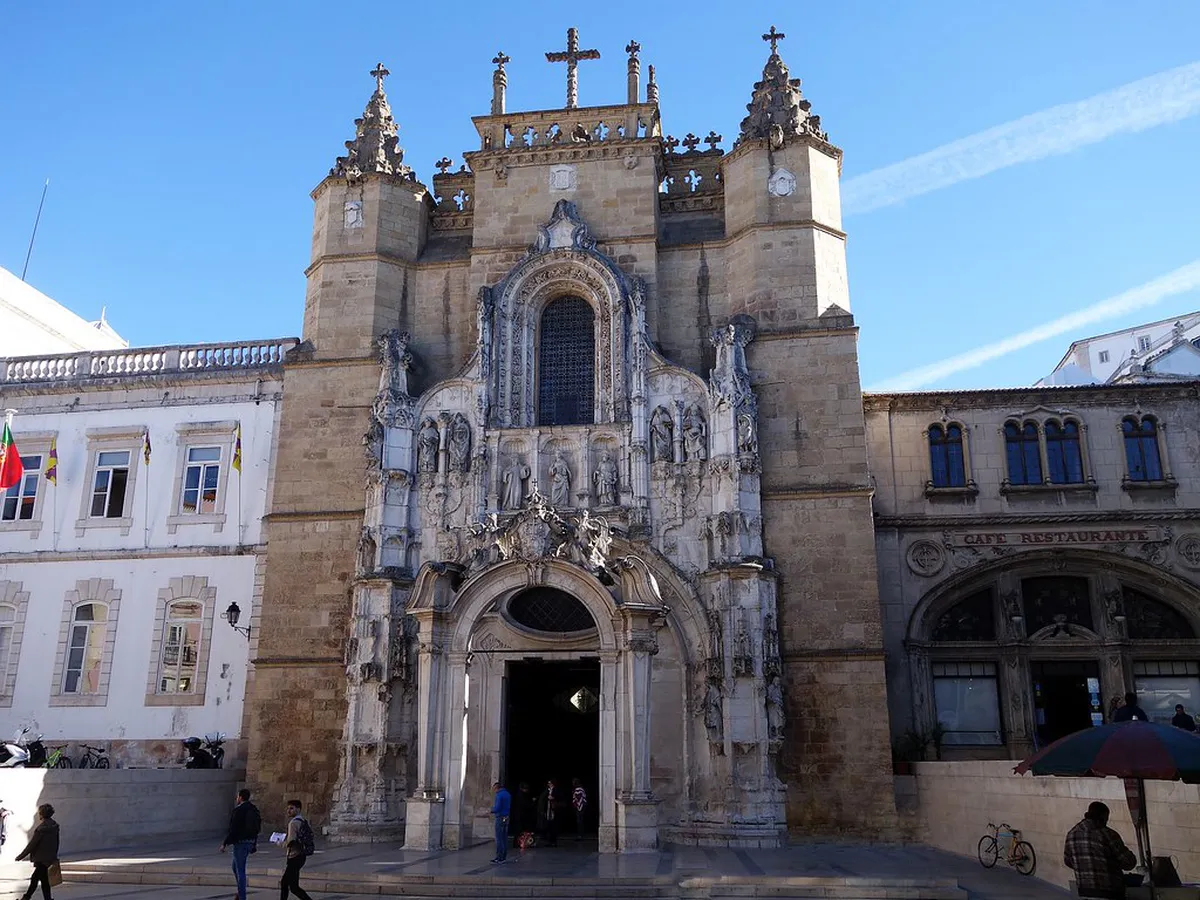
The Santa Cruz Monastery showcases a stunning architectural journey. Its original Romanesque structure evolved over centuries. King Manuel I commissioned significant renovations in the 16th century. This transformed the monastery into a masterpiece of Manueline style.
The intricate Manueline portal welcomes visitors with grandeur. Inside, admire the detailed *Coro Alto*, or High Choir. Its carved stalls depict biblical scenes and daily life. The pulpit, a Renaissance marvel by Nicolas Chantereine, is particularly striking. These artistic elements contribute to its profound historical importance.
The royal tombs themselves are exceptional works of art. Diogo de Boitaca and Nicolas Chantereine designed new sarcophagi for the kings. These sculptures blend Gothic and Renaissance elements beautifully. They elevate the monastery beyond a simple burial site. Each detail tells a story of devotion and craftsmanship.
Daily Life and Monastic Impact
Life within the Santa Cruz Monastery was strictly regimented. Augustinian Canons dedicated themselves to prayer and study. Their daily routines included liturgical services and communal meals. They contributed significantly to the local community.
The monks managed extensive lands and resources. They provided charity, education, and spiritual guidance. Their presence influenced the social and economic fabric of Coimbra. The monastery was a powerful institution, both religiously and civically.
The monastery housed a thriving community for centuries. It played a central role in local festivals and events. Its walls witnessed countless historical moments. This enduring presence highlights its vital role in the city's past. It remains a cornerstone of Coimbra's heritage.
Visiting Santa Cruz Monastery in 2026
Experiencing the Santa Cruz Monastery today is truly special. It allows you to connect with Portugal's past firsthand. Admission prices are affordable, typically around €5.00 for adults. Reductions are available for seniors and students.
The monastery is generally open Tuesday to Sunday. Hours usually run from 9:30 AM to 5:00 PM. Always check the official website for current 2026 schedules. Plan at least an hour for your visit. You will want time to appreciate all the details.
The monastery is located in the Baixa district of Coimbra. It is easily accessible on foot from most city center hotels. Guided tours are often available for a deeper understanding. These tours offer valuable insights into its rich history. For more practical details, consult our guide to visiting Santa Cruz Monastery Coimbra.
Frequently Asked Questions
Why is Santa Cruz Monastery Coimbra historically important?
Santa Cruz Monastery holds immense historical importance. It served as the first royal pantheon for Portugal. Both King Afonso I and King Sancho I are buried here. It was also a leading center for medieval education and culture. This made it crucial in shaping early Portuguese identity.
Who is buried in Santa Cruz Monastery Coimbra?
Portugal's first two kings, Afonso I (Afonso Henriques) and his son Sancho I, are interred at Santa Cruz Monastery. Their tombs are prominent features within the church. These royal burials underscore the monastery's national significance. They attract many visitors yearly.
What architectural style defines Santa Cruz Monastery?
The Santa Cruz Monastery primarily showcases the Manueline architectural style. This unique Portuguese Gothic style dates from the 16th-century renovations. You can also find remnants of its original Romanesque foundation. The intricate carvings and maritime motifs are characteristic of Manueline art.
Can I visit Santa Cruz Monastery in Coimbra year-round?
Yes, the Santa Cruz Monastery is generally open year-round for visitors. It closes only on specific holidays. Always check their official website for the most accurate 2026 schedule. Weekends are usually busier, so plan accordingly. Weekday mornings often offer a quieter experience.
The Santa Cruz Monastery represents a cornerstone of Portuguese heritage. Its historical importance echoes through its royal tombs and academic past. It stands as a testament to faith, power, and learning. This site deeply influenced the very foundation of the nation.
Visiting Santa Cruz Monastery offers a profound historical experience. It allows you to walk through centuries of rich Portuguese history. Do not miss this essential Coimbra landmark. Plan your journey to this magnificent monastery today.
Key Takeaways
- Santa Cruz Monastery houses the tombs of Portugal's first two kings.
- It was a vital medieval center for learning and cultural development.
- The monastery showcases stunning Manueline architecture and art.
- Its historical importance is central to Coimbra's identity.
- Plan your 2026 visit to experience this national treasure firsthand.
Continue exploring Coimbra's historic quarter
 Visit Santa Cruz Monastery Coimbra: A Royal GuideDecember 13, 2025
 Santa Cruz Monastery Coimbra Opening Hours: GuideDecember 12, 2025
 Visiting Santa Cruz Monastery Coimbra: Your 2026 GuideDecember 12, 2025
- Santa Cruz Monastery Coimbra: Deep Historical ImportanceDecember 11, 2025
 Aveiro Day Trip from Coimbra: 2026 GuideJune 6, 2026