
Fountain Évora Giraldo Square: History and Significance
Table of Contents
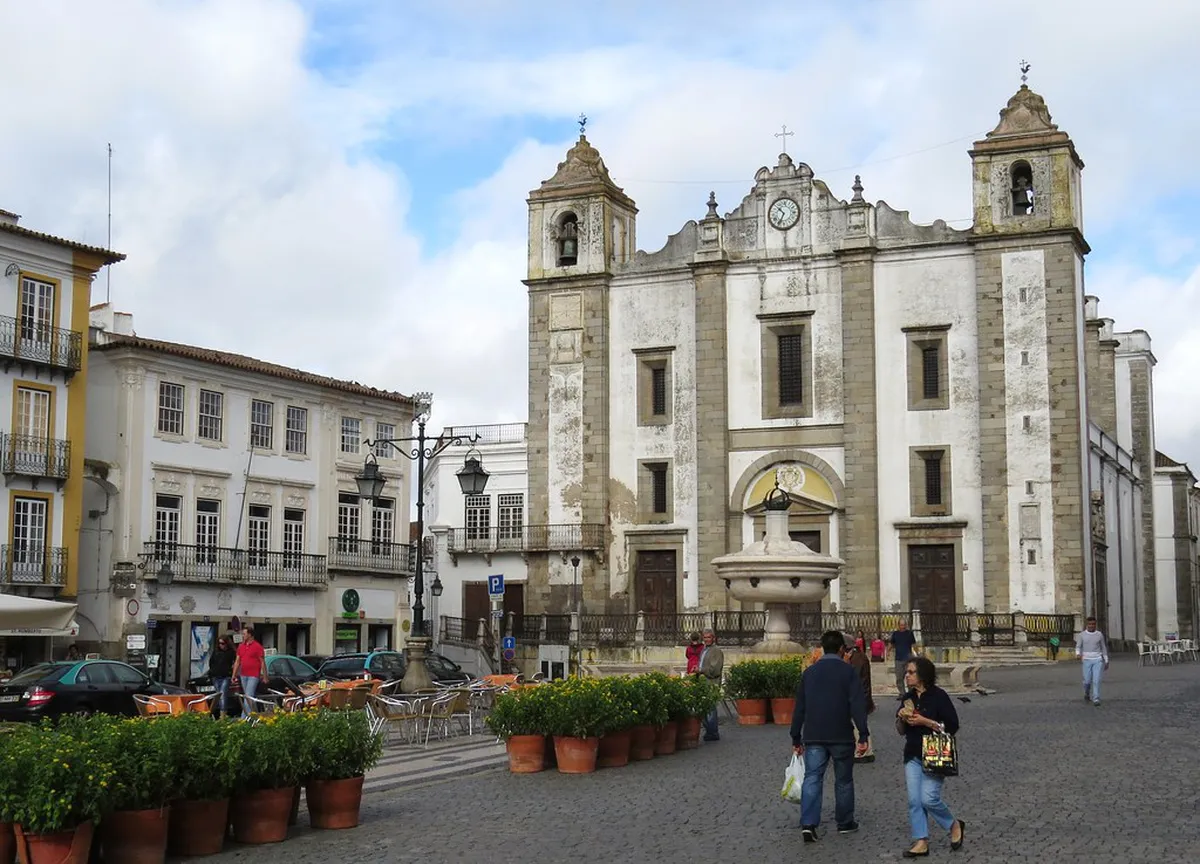
Évora’s Giraldo Square serves as the city’s vibrant heart. This historic plaza features a stunning Renaissance fountain at its center. Understanding the Fountain Évora Giraldo Square history provides deep insights. This guide explores its fascinating past and enduring charm. Discover more about the Évora Historic Center during your visit.
Giraldo Square: Évora's Historical Epicenter
Giraldo Square has always been Évora's main public space. Its history dates back to Roman times. The square witnessed markets, festivals, and major events. It served as a central meeting point for citizens. This tradition continues even today in 2026.
During Moorish rule, it was known as Praça Grande. Christian reconquest brought a new name. Giraldo Sem Pavor, a local knight, liberated Évora. The square was renamed in his honor. His valor is still celebrated in local folklore.
The square's layout changed over centuries. It adapted to new architectural styles. Public buildings and important houses lined its edges. This evolution shaped the square we see today. It truly reflects Évora's rich historical layers.
The Fountain's Renaissance Origins and Design
The iconic fountain began construction in 1571. It was commissioned during the Renaissance period. Architect Afonso Álvares designed this masterpiece. The project was completed in 1576. It quickly became a symbol of Évora.
The fountain replaced an older, simpler water source. Its elaborate design showcases Renaissance artistry. White marble from Estremoz was used for its construction. This material gives it a distinctive, elegant appearance. The craftsmanship remains impressive even today.
Eight spouts adorn the fountain's octagonal base. Each spout represents one of Évora's eight streets. These streets converge into the square. The spouts symbolize the city's unity. They also provide constant fresh water.
Symbolism and the Crown of King John V
A bronze crown sits atop the fountain. This royal crown was added later in 1700. It honors King John V's reign. The crown replaced an earlier globe. It signifies royal patronage and power.
The fountain's overall design holds deep meaning. Water represents life and prosperity for the city. Its central location emphasizes community. The fountain is more than just a water source. It embodies Évora's enduring spirit.
Many local legends surround the fountain. Stories tell of secret passages nearby. Others speak of wishes granted at its waters. These tales add to its mystical allure. Visitors often pause to absorb its history.
Giraldo Square's Role Through History
Giraldo Square witnessed many significant events. It was a site for public proclamations. Royal decrees were read from its steps. The square truly served as Évora's civic stage.
Sadly, darker chapters also unfolded here. The Portuguese Inquisition held public trials. Executions often took place in the square. Many people faced judgment before the fountain. This somber past contrasts with its present peacefulness.
Today, the square hosts lively markets and gatherings. Tourists and locals mingle freely. Cafes line the perimeter, offering refreshments. The fountain provides a calming backdrop. It continues to be Évora's social heart.
The Aqueduct's Vital Connection to the Fountain
The fountain relies on the impressive Água de Prata Aqueduct. This 16th-century aqueduct brought water to Évora. Francisco de Arruda designed this engineering marvel. It spans many kilometers, feeding the city. The aqueduct was completed shortly before the fountain.
This sophisticated water system was crucial for Évora. It provided clean drinking water to residents. The fountain was a key distribution point. It symbolized advanced urban planning. The aqueduct ensured the fountain's continuous flow.
Visitors can still see parts of the aqueduct today. Its arches pass through the city. They stand as a testament to past ingenuity. The aqueduct's presence allowed the fountain to flourish. You can explore sections near the Evora ancient city walls.
Visiting Évora's Iconic Fountain in 2026
The Giraldo Square fountain is free to visit. It is accessible 24 hours a day. Spring and fall offer the best weather. These seasons provide comfortable temperatures. Crowds are also typically smaller then.
The square is easily reached on foot. It sits in Évora's historic city center. Many activities surround Giraldo Square. Consider enjoying a coffee at a nearby cafe. Spend some time simply watching local life unfold. This is a perfect spot for people-watching.
Consider visiting early mornings for photos. The light is soft and the square is quieter. Evenings offer a charming ambiance. The fountain is beautifully lit after dark. This provides a different perspective of its grandeur. Remember to wear comfortable shoes for exploring Évora’s charming streets.
Frequently Asked Questions
What is the historical significance of Évora's Giraldo Square fountain?
The Fountain Évora Giraldo Square history is very rich. It symbolizes Évora's Renaissance period. It also represents community and civic life. The fountain was a vital water source. It also served as a backdrop for important historical events.
Who designed the Giraldo Square fountain, and when was it built?
Architect Afonso Álvares designed the fountain. Its construction began in 1571. It was completed just five years later, in 1576. This period marked a significant era for Évora. The fountain is a prime example of Renaissance artistry.
What do the eight spouts and crown on the fountain represent?
The eight spouts symbolize Évora's eight main streets. These streets all converge into Giraldo Square. The bronze crown atop the fountain was added later. It represents the reign of King John V. It signifies royal power and patronage.
Can I drink the water from the Giraldo Square fountain in Évora?
The fountain's water is generally considered decorative. It is not recommended for drinking. Always rely on bottled water for consumption. Local cafes around the square offer safe drinking options. Enjoy the fountain for its historical beauty.
The Fountain Évora Giraldo Square history is deeply embedded in the city’s fabric. This Renaissance masterpiece stands as a testament. It showcases Évora's rich past and enduring spirit. Its intricate design and symbolic elements tell a compelling story. Make sure to experience its timeless beauty in 2026. It is a must-see landmark for all visitors.
Key Takeaways
- The fountain is a 16th-century Renaissance landmark in Giraldo Square.
- Its eight spouts represent Évora's converging streets, symbolizing unity.
- The bronze crown honors King John V, added in the 18th century.
- The Água de Prata Aqueduct supplies its water, highlighting past ingenuity.
- Visit in spring or fall for the best experience and fewer crowds.
Continue exploring Evora's historic quarter
 Best Cafes Near Giraldo Square, Évora in 2026December 12, 2025
- Fountain Évora Giraldo Square: History and SignificanceDecember 12, 2025
 Évora Giraldo Square Activities: Your Ultimate 2026 GuideDecember 10, 2025
 Top Accessible Hotels in Évora Center for 2026December 13, 2025
 Best Boutique Hotels Évora Center for Your 2026 StayDecember 13, 2025