History of Évora Bone Chapel: Origins and Meaning
Table of Contents
The Évora Bone Chapel, or Capela dos Ossos, holds a macabre fascination. Its walls are lined with countless human skulls and bones. This unique chapel offers a powerful historical message. Discover the captivating history of Évora Bone Chapel and its profound origins.
It sits within the Royal Church of St. Francis. Visiting the chapel provides a truly profound experience. You will learn about its creation and enduring legacy. Plan your visit for 2026 to witness this incredible site firsthand.
Origins and Purpose of Évora's Bone Chapel
The Évora Bone Chapel was conceived in the 16th century. Franciscan monks built this somber monument. They faced a serious problem in Évora at the time. The city's cemeteries were becoming severely overcrowded.
A practical solution was urgently needed. The monks decided to exhume the remains. They sought a dignified way to repurpose them. This led to the creation of the bone chapel.
However, the chapel held a deeper purpose. It served as a powerful reminder of mortality. The monks wanted to convey a message. "Memento Mori" – remember you must die – was the core idea.
This chapel encouraged contemplation. Visitors were urged to reflect on life's brevity. It connected directly to the Royal Church of St. Francis. The chapel remains a significant part of its heritage today.
The Unique Construction and Design of Capela dos Ossos
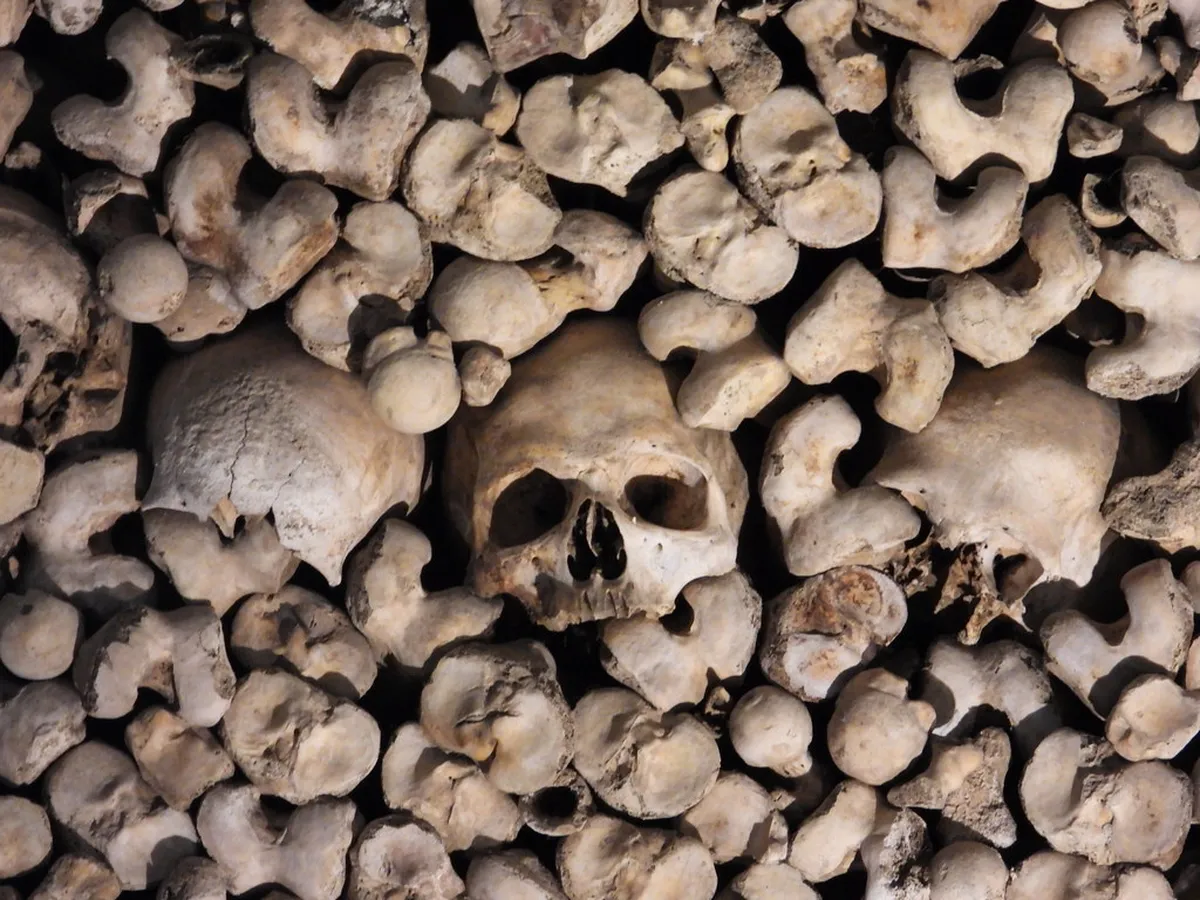
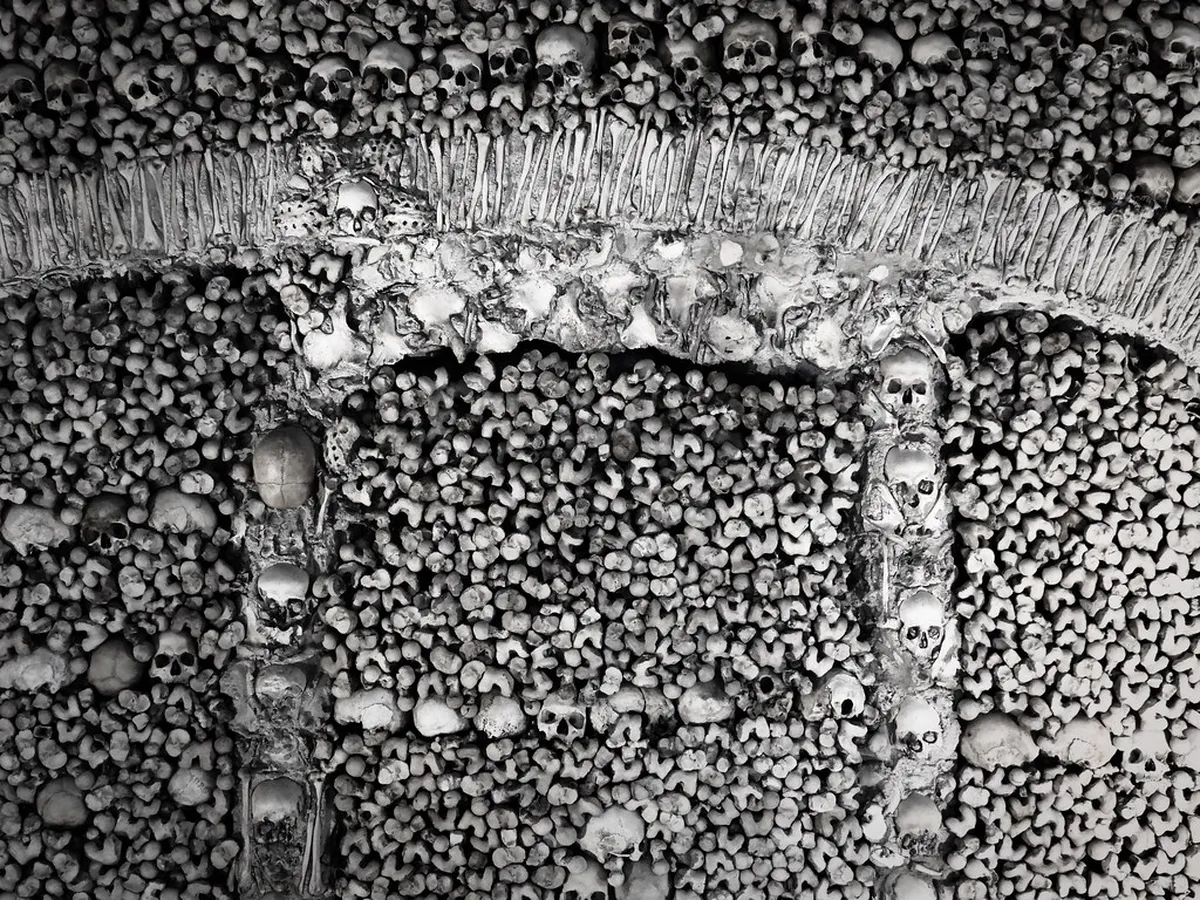
Construction of the Capela dos Ossos involved great detail. Monks meticulously arranged human bones. These bones came from over 5,000 bodies. They lined the interior walls and pillars.
The design is both stark and artistic. Skulls are placed side by side. Long bones form intricate patterns. This creates a haunting and unforgettable visual impact.
Beyond the walls, two desiccated bodies hang. One belongs to a man, the other to a child. Their identities remain a mystery. They add to the chapel's unsettling atmosphere.
The chapel's architecture is simple yet profound. It is roughly 18.7 meters long and 11 meters wide. This intimate space amplifies its powerful message. Learn more about the Capela dos Ossos before your visit.
Decoding the Bone Chapel's Famous Inscription
Above the entrance to the chapel, a famous inscription greets visitors. It is written in Portuguese. The words are profound and thought-provoking. This phrase sets the tone for the entire experience.
The inscription reads: "Nós ossos que aqui estamos, pelos vossos esperamos." This translates powerfully into English. It carries a direct message to all who enter.
It means: "We bones that are here, for yours await." This phrase reinforces the "memento mori" theme. It serves as a stark reminder of human mortality. All lives eventually end.
This simple sentence summarizes the chapel's core philosophy. It prompts deep personal reflection. The inscription ensures visitors grasp its full meaning. It truly is a unique piece of historical writing.
Who Built the Évora Bone Chapel? The Franciscan Influence
The Franciscan monks were the driving force behind the Capela dos Ossos. They were a mendicant order. Poverty and simplicity were central to their beliefs. These values influenced the chapel's creation.
The specific Franciscan friar credited is believed to be Father António de Macedo. He initiated the project. The chapel was completed sometime in the 17th century. It remains a testament to Franciscan dedication.
The Franciscans' aim was spiritual. They wanted to counter the prevalent materialistic views. Life was seen as fleeting and temporary. This spiritual message was paramount.
Their work created a lasting legacy. The chapel still serves as a place for reflection. It connects visitors to ancient spiritual practices. The Franciscan influence is undeniable and strong.
Visiting the Bone Chapel in 2026: Practical Tips
Planning your visit to Évora Bone Chapel in 2026 is easy. The chapel is located at Praça 1º de Maio. It is inside the Church of St. Francis. Opening hours vary by season but are generally 9:00 AM to 5:00 PM.
Admission costs around €5 per adult. There are discounts for seniors and students. Children under a certain age may enter free. It is best to check current prices before you go.
Consider visiting during the off-peak season. Spring (April-May) or Fall (September-October) offer fewer crowds. The weather is also more pleasant. Arrive early in the day for a more serene experience.
The chapel is small but impactful. Allow 30-45 minutes for your visit. It's a short walk from other attractions. Explore Évora's historic center after your visit for a full day of discovery.
Frequently Asked Questions
Why was the Bone Chapel built in Évora, Portugal?
The Évora Bone Chapel was built by Franciscan monks in the 16th century. It addressed the severe overcrowding of the city's cemeteries. Monks also wished to convey a message about the transience of life. It served as a powerful "memento mori" reminder.
How many bones are estimated to be in the Capela dos Ossos?
It is estimated that the Capela dos Ossos contains the remains of over 5,000 individuals. These bones were carefully exhumed from local cemeteries. They were then meticulously arranged to form the chapel's interior walls.
Is the Évora Bone Chapel suitable for children to visit?
Visiting the Évora Bone Chapel with children depends on their sensitivity. The atmosphere is solemn and somewhat macabre. Some children might find it frightening or disturbing. Parental discretion is strongly advised before your visit.
What is the main message or meaning behind the Capela dos Ossos?
The primary message of the Capela dos Ossos is "memento mori," or "remember you must die." It encourages visitors to reflect on life's brevity. The chapel prompts contemplation on the spiritual rather than material aspects of existence. It is a profound meditation on mortality.
What other historical sites are near the Bone Chapel in Évora?
The Bone Chapel is centrally located in Évora. Nearby attractions include the Évora Cathedral and Roman Temple. Giraldo Square is also a short walk away. Discover more about historic neighborhoods in Évora for a complete experience.
The history of Évora Bone Chapel reveals a fascinating blend of practicality and profound spirituality. This unique Portuguese landmark offers a powerful reflection on life and death. Its Franciscan origins provide deep insight into 16th-century thought.
Visiting the Capela dos Ossos is a truly memorable experience. It encourages introspection and appreciation for existence. Plan your trip to Évora for 2026. Discover this unforgettable chapel and its timeless message for yourself.
Key Takeaways
- The Évora Bone Chapel was built by Franciscan monks in the 16th century to address overcrowded cemeteries and to serve as a 'memento mori'.
- It contains the remains of over 5,000 individuals, meticulously arranged on its walls and pillars, creating a stark visual impact.
- The famous inscription "Nós ossos que aqui estamos, pelos vossos esperamos" translates to "We bones that are here, for yours await," reinforcing its message of mortality.
- Plan your 2026 visit for off-peak seasons like spring or fall for a more tranquil experience; check current hours and ticket prices.
- The chapel, part of the Church of St. Francis, is a central and thought-provoking highlight of Évora's historic center.
Continue exploring Evora's historic quarter
 Capela dos Ossos Évora Tickets: Your 2026 Visitor's GuideDecember 13, 2025
- History of Évora Bone Chapel: Origins and MeaningDecember 11, 2025
 Capela dos Ossos Évora: A Guide to Portugal's Bone ChapelDecember 10, 2025
 Top Accessible Hotels in Évora Center for 2026December 13, 2025
 Best Boutique Hotels Évora Center for Your 2026 StayDecember 13, 2025