
Évora: Why This Portuguese City is World Heritage
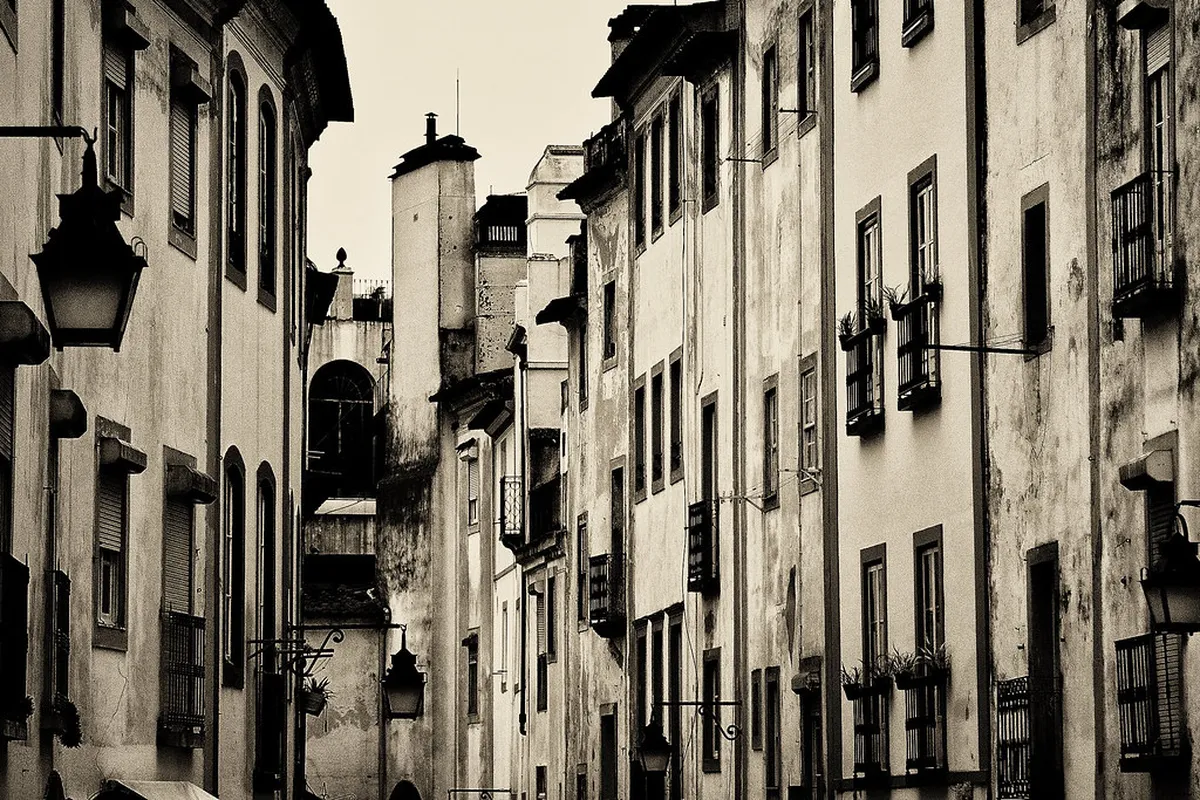
Table of Contents
Évora stands proudly as a UNESCO World Heritage site. This recognition highlights its outstanding universal value. The city's rich history spans millennia. It offers a captivating journey through time for every visitor.
Understanding Évora's heritage status is key to appreciating its charm. Évora, Portugal, showcases diverse historical layers. Roman, Moorish, and Portuguese influences combine beautifully. This guide explains why Évora holds such a prestigious title.
A Tapestry of History: Évora's Journey
Évora's history dates back over 2,000 years. It was a vital Roman city called Liberalitas Julia. Evidence of this ancient past remains visible. The city walls tell stories of past civilizations.
Moorish rule followed the Roman era. This period contributed significantly to the city’s culture. Islamic art and architecture left their lasting mark. Évora then became a royal city in medieval Portugal.
The 15th and 16th centuries marked Évora's golden age. It became a center for arts and learning. Many impressive buildings arose during this time. This rich historical tapestry is fundamental to Évora's World Heritage status.
UNESCO designated Évora a World Heritage site in 1986. The decision recognized its exceptional preservation. It also acknowledged the city's continuous historical evolution. This unique blend makes Évora truly special.
Architectural Marvels: Évora's Iconic Structures
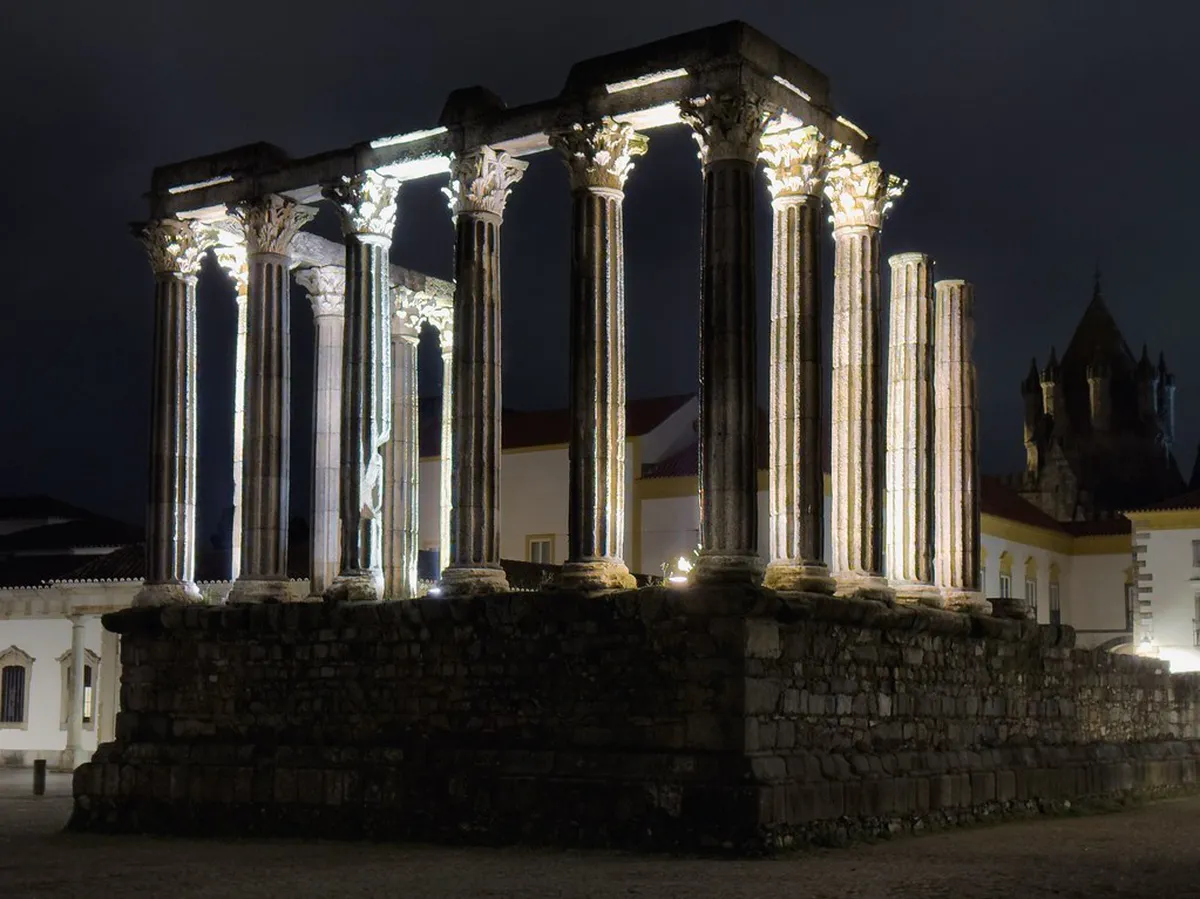
Évora boasts an incredible array of historic buildings. The Roman Temple of Évora is a prime example. It stands as one of Portugal's best-preserved Roman monuments. This temple dates back to the 1st century AD.
The Évora Cathedral is another significant landmark. It is one of the most important Gothic monuments in Portugal. Construction began in the 12th century. Visitors can climb to the roof for amazing city views.
The Chapel of Bones offers a unique, somber experience. Its walls are adorned with human skulls and bones. This macabre chapel serves as a powerful memento mori. It reminds visitors of life's fleeting nature.
Other structures showcase different eras. The Água de Prata Aqueduct dates to the 16th century. It still delivers water to parts of the city. These diverse buildings collectively tell Évora's story. For a deeper dive, consider our Évora historic center guide.
The Urban Fabric: Évora's Unique City Planning
Évora's city layout itself is part of its heritage. The narrow, winding streets reflect its medieval origins. They contrast with the grand squares. Giraldo Square forms the heart of the historic center.
The city's urban planning showcases historical continuity. Different periods built upon previous structures. This layering creates a distinctive architectural landscape. It is a testament to centuries of evolution.
Traditional houses feature whitewashed facades. They often have iron balconies and colorful details. These homes contribute to the city's charming aesthetic. They provide a sense of place and authenticity.
The Évora University is another key element. Its historic college buildings add academic charm. It has been a center of learning since the 16th century. This continuity of function is very important. Exploring historic neighborhoods in Évora reveals more.
Preserving Évora's Timeless Charm
Maintaining Évora's heritage is a continuous effort. Strict conservation guidelines protect its historic fabric. These measures ensure future generations can enjoy the city. Local authorities work closely with UNESCO.
Restoration projects carefully preserve ancient sites. The Roman Temple underwent significant restoration. This work ensures its structural integrity. It also maintains its historical appearance.
Local businesses play a crucial role. They often operate in historic buildings. Their presence helps keep the city vibrant. This active community involvement supports preservation goals.
Visitors also contribute to conservation efforts. By respecting local rules, they help protect Évora. Choosing sustainable tourism options is vital. Supporting local artisans keeps traditions alive.
Visiting Évora: Essential Tips for 2026
Planning your Évora trip for 2026 is exciting. The city is easily walkable. Wear comfortable shoes for exploring its cobblestone streets. Most attractions are within a short distance.
Many sites open from 9:00 AM to 5:00 PM. Check specific attraction times online beforehand. Entrance fees typically range from €3 to €7 per site. Consider a combined ticket for some attractions.
Book accommodations in the historic center for convenience. Prices for a good hotel often start around €80-€120 per night. Spring (April-May) and Fall (September-October) offer pleasant weather. These seasons also see fewer crowds than summer.
Enjoy Évora's culinary delights. Taste local Alentejo wines and traditional dishes. Expect to pay €15-€25 for a decent meal. Public transportation within the city center is limited. Taxis are available outside the main square.
Frequently Asked Questions
What makes Évora a UNESCO World Heritage site?
Évora is a World Heritage site due to its exceptional historical value. It showcases over two millennia of human settlement. The city features well-preserved Roman, Moorish, and Portuguese architecture. Its unique urban layout reflects continuous evolution and diverse cultural influences. For more details on its status, read about Évora UNESCO World Heritage.
Can I see Roman ruins in Évora today?
Yes, Évora is home to the impressive Roman Temple. It is also known as the Temple of Diana. You can also explore sections of the ancient Roman walls. These ruins offer a glimpse into Évora's distant past.
What is the best way to experience Évora's heritage?
Walking is the ideal way to experience Évora's heritage. Stroll through its narrow streets. Visit the main historical sites like the Cathedral and Chapel of Bones. Consider a guided tour to learn more detailed history.
How much time should I allocate for visiting Évora?
Most visitors find two full days sufficient. This allows time to explore major attractions. You can also enjoy the local cuisine and atmosphere. A day trip is possible but feels rushed.
Is Évora suitable for families with children?
Évora offers a rich historical experience for families. Younger children might enjoy the aqueduct and city walls. The Chapel of Bones can be a bit intense for some. Many parks and open spaces provide relaxation.
Évora's designation as a World Heritage site is truly deserved. Its layered history provides an incredible experience. The city's architectural wonders stand testaments to time. Évora's unique urban fabric invites deep exploration.
This Portuguese gem offers more than just beauty. It provides a profound connection to human history. Plan your 2026 journey to Évora today. Immerse yourself in this living historical treasure.
Key Takeaways
- Évora's UNESCO status comes from its exceptional historical layering.
- Explore Roman, Moorish, and medieval Portuguese architecture firsthand.
- Walkable city; plan 2 days to fully appreciate its charm and history.
Continue exploring Evora's historic quarter
 Preserving Évora's Heritage: Historic Neighborhoods GuideDecember 12, 2025
- Évora: Why This Portuguese City is World HeritageDecember 12, 2025
 Évora UNESCO World Heritage: Your Ultimate 2026 GuideDecember 11, 2025
 Top Accessible Hotels in Évora Center for 2026December 13, 2025
 Best Boutique Hotels Évora Center for Your 2026 StayDecember 13, 2025