
History of Faro's Iconic City Gates: A Guide
Table of Contents
Faro, Portugal’s charming capital of the Algarve, boasts a rich past. Its historic city gates tell stories of centuries gone by. These magnificent structures stand as enduring testaments. They reveal layers of Moorish, Roman, and Christian heritage.
Understanding the history of Faro’s iconic city gates enriches any visit. You will discover their strategic importance. They once protected the city from invaders. Today, they welcome visitors to Faro’s captivating Old Town, or Cidade Velha.
A Glimpse into Faro's Ancient Defenses
Faro's city gates have guarded its inhabitants for millennia. The city walls trace back to Roman times. They were heavily fortified under Moorish rule. These walls formed a crucial defensive perimeter.
Each gate served a specific purpose. They controlled access for trade and protection. Soldiers once patrolled these ancient ramparts. The gates represent the resilience of Faro's people. Discover more about Faro's historic neighborhoods during your stay.
The current gates mostly date from post-Reconquista periods. They often incorporate older foundations. Earthquakes and sieges shaped their appearance. Yet, their historic importance remains undeniable. Faro city walls tell a complete story of the city's defensive evolution.
Arco da Vila: Faro's Grand Main Entrance
The Arco da Vila stands as Faro's most famous gate. It marks the main entry to the Old Town. This impressive arch was built in 1812. Architect Francisco Xavier Fabri designed it. It replaced an earlier medieval gate structure.
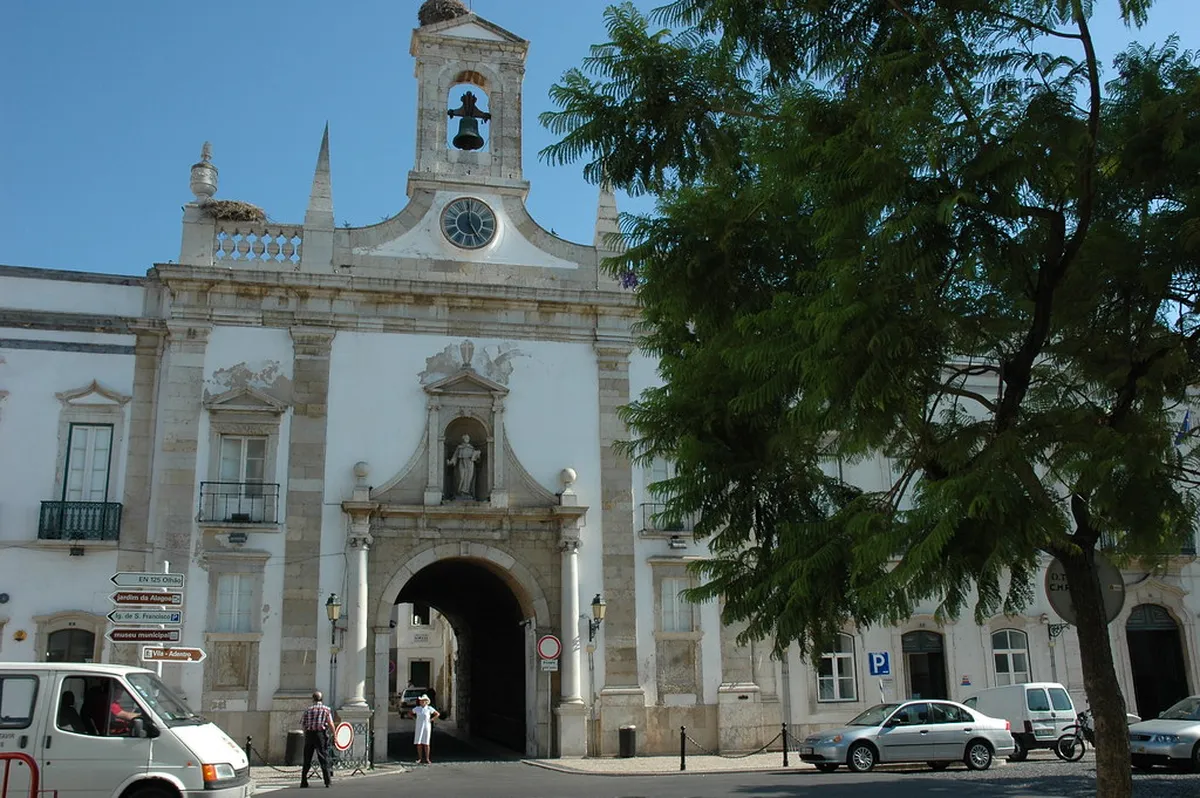
This neoclassical arch features a statue of Saint Thomas Aquinas. He is the city's patron saint. Above the arch, a stork's nest is often visible. Storks are a common sight in Faro. The gate opens into Largo da Sé square, home to the Faro Cathedral.
The Arco da Vila actually incorporates an ancient Arab gateway. Parts of the original Moorish wall are visible. Look closely as you pass through. It beautifully blends old and new architecture. You can explore Arco da Vila's history in detail.
The Arco da Vila was built in 1812 but encloses a much older Arab gateway — look to the sides as you pass through to spot the original Moorish stonework still embedded in the walls.
Porta Nova (Arco do Repouso): The Sea Gate
The Porta Nova, or 'New Gate,' offers a different charm. It provides direct access to Faro Marina. This gate is also known as Arco do Repouso. It has stood since the 15th century. It offers picturesque views of the Ria Formosa.
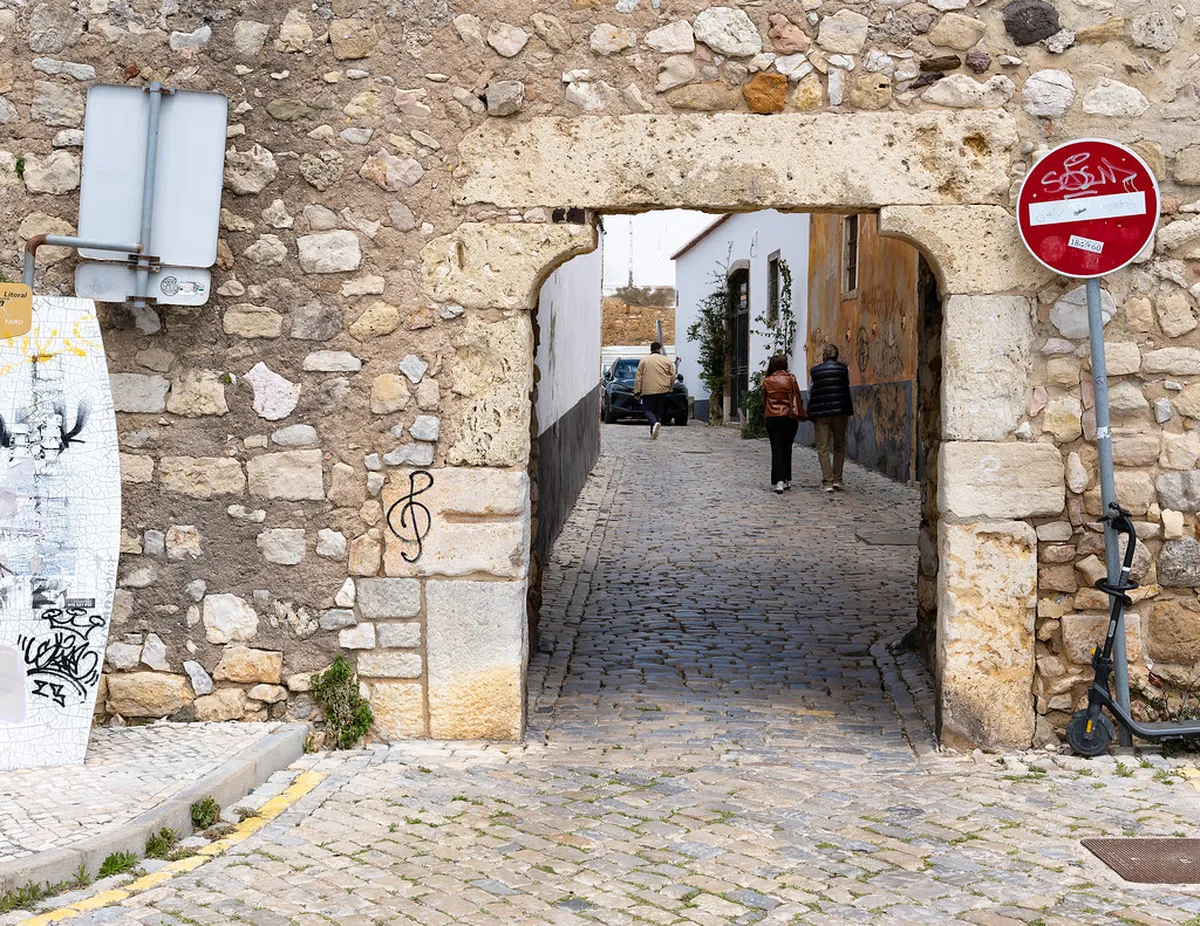
This smaller, more unassuming gate connects the city with the sea. Fishermen and merchants used it for centuries. It facilitates passage for pedestrians today. Its name, 'New Gate,' refers to its later construction. It was added after the older Moorish entrances.
Visitors often overlook this gate. However, its historical significance is great. It represents Faro’s maritime connection. It also links to the city's Moorish past. Find this gate near the ferry terminal. This makes it a key access point.
Arco do Repouso: A Moorish Legacy Preserved
The Arco do Repouso (Arch of Rest) is another critical gate. It is located on the eastern side of the Old Town. This gate has strong Moorish origins. It offers a glimpse into Faro's defensive past.
Its name comes from a legend. It suggests King Afonso III rested here. This happened after conquering Faro from the Moors. The gate is flanked by two defensive towers. These towers show its original military purpose.
Today, the Arco do Repouso provides a quieter entrance. It leads into charming cobbled streets. These streets are perfect for exploring. Consider a peaceful walk through this historic area. Experience the quiet beauty of ancient Faro.
Wall access near the gates can be restricted without notice. Always check local signage on the day of your visit — some viewpoint sections close periodically for maintenance.
Exploring Faro's Ancient City Walls in 2026
Beyond the gates, Faro's city walls invite exploration. Parts of the original Roman and Moorish walls still stand. These walls encircle the Cidade Velha. They offer a unique perspective on the city.
Walk along sections of these ancient fortifications. Imagine the past as you do. The walls reveal different construction techniques. Each era left its distinct mark. This makes for a fascinating historical journey.
Access points to the walls exist near some gates. You can sometimes climb to viewpoints. Check local signs for visitor access in 2026. This offers panoramic views of the city and beyond. You can also discover more about Faro city gates throughout the historic district.
| Gate | Also Known As | Period / Built | Location | Notable Feature |
|---|---|---|---|---|
| Arco da Vila | — | Built 1812 (neoclassical) | Main entrance, Old Town west side | Encloses original Moorish Arab gateway; statue of Saint Thomas Aquinas above arch |
| Porta Nova | Arco do Repouso (sea gate) | 15th century | Near the marina / ferry terminal | Former maritime passage for fishermen and merchants; views of Ria Formosa |
| Arco do Repouso | Arch of Rest | Moorish origins | Eastern side of Old Town | Flanked by two defensive towers; linked to legend of King Afonso III's rest after the Reconquista |
Frequently Asked Questions
What is the most famous city gate in Faro, Portugal?
The Arco da Vila is Faro's most famous city gate. It serves as the grand entrance. This impressive arch leads into the Old Town. It was built in the early 19th century.
Can visitors walk on Faro's historic city walls?
Yes, visitors can walk on certain sections of Faro's historic city walls. Access points vary. Some areas offer great views. Always check for current access information in 2026.
What historical periods influenced Faro's city gates?
Faro's city gates show influences from several periods. Roman foundations are present. Moorish rule brought significant fortifications. Christian Reconquista added new structures. These layers reveal Faro's rich, complex past.
The history of Faro's iconic city gates offers a captivating journey. From Roman foundations to neoclassical grandeur, they tell a powerful story. These structures are more than just old walls. They are living museums of Faro's resilient spirit.
Make sure to explore each gate in 2026. Feel the weight of history under your feet. Let these ancient sentinels transport you back in time. Plan your visit to Faro's Old Town soon.
Key Takeaways
- Faro's city gates blend Roman, Moorish, and Christian architectural styles.
- Arco da Vila is the main entrance, featuring a statue of Saint Thomas Aquinas.
- Porta Nova and Arco do Repouso offer insights into maritime and defensive history.
- Walk along parts of the ancient city walls for panoramic views of Faro.
- Visiting the gates provides a deep connection to Faro's historical identity.
Continue exploring Faro's historic quarter
- History of Faro's Iconic City Gates: A GuideDecember 13, 2025
 Explore Ancient City Gates in Faro, Portugal: A 2026 GuideDecember 12, 2025
 Explore Faro's Historic City Gates: A 2026 GuideDecember 11, 2025
 10 Tips for the Cheapest Time to Visit FaroJune 6, 2026
 Faro In Summer Travel Guide: Best Tips for 2026June 6, 2026