Discover the Rich Azulejo Tiles History in Lisbon
Table of Contents
Lisbon captivates visitors with its stunning architecture. Among its most iconic features are the beautiful Azulejo tiles. These ceramic artworks adorn countless buildings. Understanding Azulejo tiles history in Lisbon reveals much about the city's past.
They tell tales of culture and craftsmanship. From Moorish roots to modern designs, Azulejos are everywhere. This guide explores their rich evolution. Dive deeper into Lisbon's tiled buildings with our comprehensive guide.
Moorish Roots and Early Azulejo Beginnings
The story of Azulejo tiles began with Moorish influence. Invaders brought glazed ceramic traditions to the Iberian Peninsula. These early tiles featured intricate geometric patterns. They served both decorative and practical purposes.
By the 13th century, Portugal adopted this art form. They learned techniques from Seville, Spain. King Manuel I greatly admired these Spanish tiles. He ordered them for his palace in Sintra during the late 15th century.
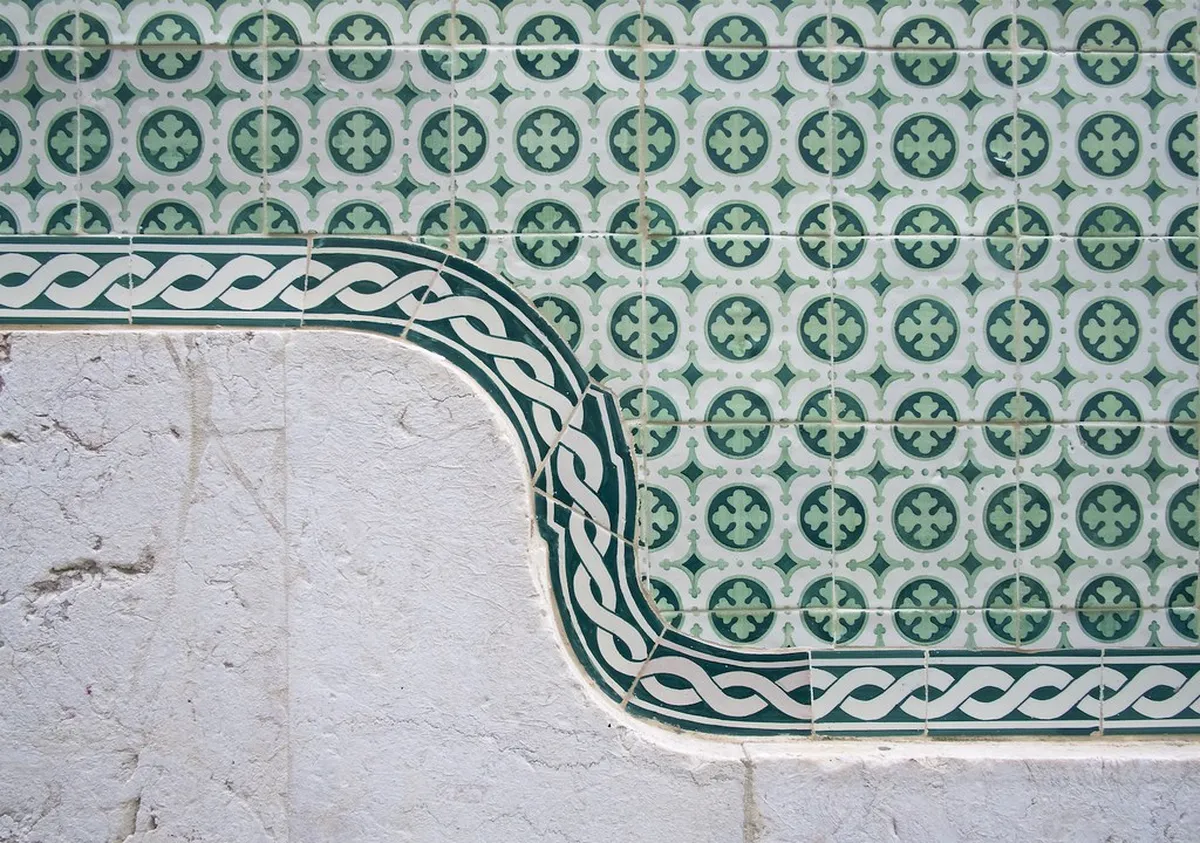
These early Portuguese Azulejos were known as Mudejar tiles. They showcased complex interlace and star motifs. The patterns used earth tones like green, white, and brown. They were perfect for large floor and wall coverings.
Over time, local workshops started appearing. Portuguese artisans began developing their unique styles. This marked the very first steps in Azulejo tiles history in Lisbon. It set the stage for centuries of artistic growth.
The Golden Age and Renaissance Influence
The 16th century brought a significant shift in Azulejo art. Italian Renaissance influences arrived in Portugal. Tiles began featuring pictorial themes. Narrative scenes from mythology and religion became popular.
Lisbon workshops started producing their own relief tiles. These were called azulejos de aresta or corda seca. They had raised borders separating colors. This technique allowed for vibrant, detailed imagery.
By the 17th century, Dutch influences transformed Azulejos. Blue and white patterns dominated the art form. This style became synonymous with Portuguese tiles. It mirrored the popular Delftware ceramics.
Large panels depicting historical events and landscapes emerged. Churches and palaces commissioned vast tile installations. These grand displays showcased wealth and devotion. This era truly marked Azulejo tiles' golden age.
Pombaline Reconstruction and 18th Century Styles
The devastating Lisbon earthquake of 1755 reshaped the city. It also impacted Azulejo production. The massive rebuilding effort created high demand. Tiles became essential for facade decoration and interior design.
The Pombaline style emerged during reconstruction. It was named after Prime Minister Marquês de Pombal. This style favored mass-produced tiles. They often featured repetitive patterns in blue and white.
Decorative tile panels adorned the new city buildings. These designs were functional and aesthetically pleasing. They protected structures and added beauty. Azulejos became crucial for Lisbon's urban identity.
Later in the 18th century, Rococo influences appeared. These tiles showed softer colors and whimsical designs. They often featured cherubs, flowers, and pastoral scenes. Azulejos continued to evolve with changing tastes.
19th Century Revival and Art Nouveau Designs
The 19th century saw a decline in traditional Azulejo production. Industrialization introduced new building materials. However, a strong revival movement soon began. It celebrated the unique art form.
New techniques allowed for more diverse colors. Tiles embraced Romanticism and Art Nouveau styles. Floral motifs, organic lines, and stylized figures appeared. These new designs adorned many city buildings.
Azulejos were once again a popular choice for facades. They made Lisbon's streets vibrant and distinctive. This period emphasized individual artistic expression. It moved away from repetitive industrial patterns.
Many beautiful examples from this era can still be seen today. They showcase the ingenuity of Portuguese artisans. The revival ensured Azulejos remained a beloved art form. Their legacy continues into 2026.
Modern Azulejos and Contemporary Creations
The 20th century brought new interpretations of Azulejo art. Artists experimented with abstract designs and bold colors. They pushed traditional boundaries while honoring the past. Azulejos found new life in public spaces.
Lisbon's metro stations are fantastic examples. Many feature stunning contemporary Azulejo murals. These works are by renowned Portuguese artists. They transform daily commutes into art experiences.
Today, Azulejos combine tradition with innovation. Artisans still use ancient methods. Modern designers also create fresh, unique pieces. This ensures the art form stays relevant and vibrant.
In 2026, you can find Azulejos everywhere in Lisbon. From historic facades to modern installations, they tell a continuous story. They reflect Portugal's rich cultural heritage. The art form remains dynamic and inspiring.
Where to Discover Lisbon's Azulejo Treasures
Lisbon is an open-air museum for Azulejo tiles. Walk through historic neighborhoods like Alfama and Mouraria. You will find buildings adorned with centuries of tile art. Each tile tells a unique part of Azulejo tiles history in Lisbon.

For a deeper dive, visit the National Azulejo Museum. It's housed in the Madre de Deus Convent. The museum showcases the entire history of Azulejos. Entry typically costs €5-€7 in 2026. Check their website for current hours and special exhibitions.
Entry to the National Azulejo Museum typically costs €5–€7 in 2026. Arrive early on weekday mornings to avoid tour groups and enjoy the panels at your own pace.
| Location | Type | Tile Highlights | Practical Notes |
|---|---|---|---|
| National Azulejo Museum (Madre de Deus Convent) | Museum | Complete chronological history of Azulejos from Moorish origins to modern art | Entry €5–€7; check website for hours |
| Alfama & Mouraria neighborhoods | Street facades | Centuries of tiled building fronts across winding medieval streets | Free; self-guided walking tour |
| São Vicente de Fora Monastery | Church / palace | Large narrative tile panels depicting historical and religious scenes | Admission required; central Alfama |
| Palácio dos Marqueses de Fronteira | Palace & gardens | Spectacular 17th-century blue-and-white tile panels in formal garden setting | Guided tours available; advance booking recommended |
| Lisbon Metro stations | Public transit art | Contemporary Azulejo murals by renowned Portuguese artists | Free with metro ticket; Oriente and Olaias are standouts |
| Feira da Ladra flea market | Market | Antique and salvaged individual tiles for sale | Tues & Sat; buy only from reputable dealers |
Many churches and palaces also feature magnificent tile panels. Look for them at São Vicente de Fora Monastery. Also, don't miss the beautiful panels at the Palácio dos Marqueses de Fronteira. These sites offer breathtaking artistic experiences.
You can also find Azulejos at flea markets like Feira da Ladra. Be careful to buy authentic pieces. Look for reputable antique dealers. Purchasing Azulejos directly from artisan workshops ensures authenticity and supports local craft.
When buying Azulejo tiles at flea markets or souvenir shops, be aware that some tiles are modern reproductions sold as antiques. Always ask for provenance and prefer purchasing directly from certified artisan workshops to guarantee authenticity.
Frequently Asked Questions
What is the historical significance of Azulejo tiles in Lisbon?
Azulejo tiles are deeply rooted in Lisbon's identity. They reflect Moorish, Spanish, and Portuguese artistic influences. Tiles tell stories of royal patronage and cultural exchange. They also represent the city's resilience after the 1755 earthquake.
These tiles protected buildings and beautified public spaces. They evolved from geometric patterns to complex narratives. Azulejos document centuries of artistic and architectural trends. They are a living testament to Lisbon's rich past.
Where are the best places to see Azulejos in Lisbon in 2026?
You can find incredible Azulejos all over Lisbon. The National Azulejo Museum is a must-visit. Explore the historic districts of Alfama, Mouraria, and Graça. Their streets feature countless tiled facades.
Look closely at churches like São Roque and São Vicente de Fora. Many metro stations also showcase modern Azulejo art. For more ideas, explore the best places to see Azulejos across the city.
How did the 1755 earthquake impact Azulejo tile production?
The 1755 earthquake devastated much of Lisbon. It created a massive demand for rebuilding materials. Azulejos became essential for quickly reconstructing facades. They were durable, decorative, and relatively inexpensive to produce.
This led to the widespread adoption of Pombaline-style tiles. These were typically simpler, mass-produced blue and white patterns. The earthquake cemented Azulejos as a core element of Lisbon's architecture. It spurred a new era of tile manufacturing.
Are modern Azulejos different from historical ones?
Yes, modern Azulejos often feature contemporary designs. They embrace abstract art, bold colors, and new themes. However, they still utilize traditional ceramic techniques. Many artists draw inspiration from historical patterns.
Older Azulejos tend to show geometric, religious, or narrative scenes. Blue and white schemes were dominant for centuries. Modern artists combine historical respect with innovative expression. They continue the evolving story of Azulejo art.
The Azulejo tiles history in Lisbon is a vibrant tapestry. It spans centuries of art, culture, and innovation. From humble Moorish beginnings to modern masterpieces, Azulejos tell Lisbon's story. They are an irreplaceable part of the city's charm.
Next time you walk Lisbon's streets, look closer. Appreciate the intricate beauty on every corner. Let these colorful tiles transport you through time. Plan your journey to explore this unique heritage today!
Key Takeaways
- Azulejo tiles in Lisbon have a rich history from Moorish origins to modern art.
- The 1755 earthquake significantly influenced Azulejo production and urban design.
- Visit the National Azulejo Museum and historic neighborhoods to see their evolution.
- Modern Azulejos blend traditional craftsmanship with contemporary artistic expression.
Continue exploring Lisbon's historic quarter
- Discover the Rich Azulejo Tiles History in LisbonDecember 13, 2025
 Explore Lisbon's Tiled Buildings: An Azulejo Guide for 2026December 13, 2025
 Best Places to See Azulejos in Lisbon 2026December 12, 2025
 Azulejo Museum Lisbon: Your Ultimate Visiting GuideDecember 11, 2025