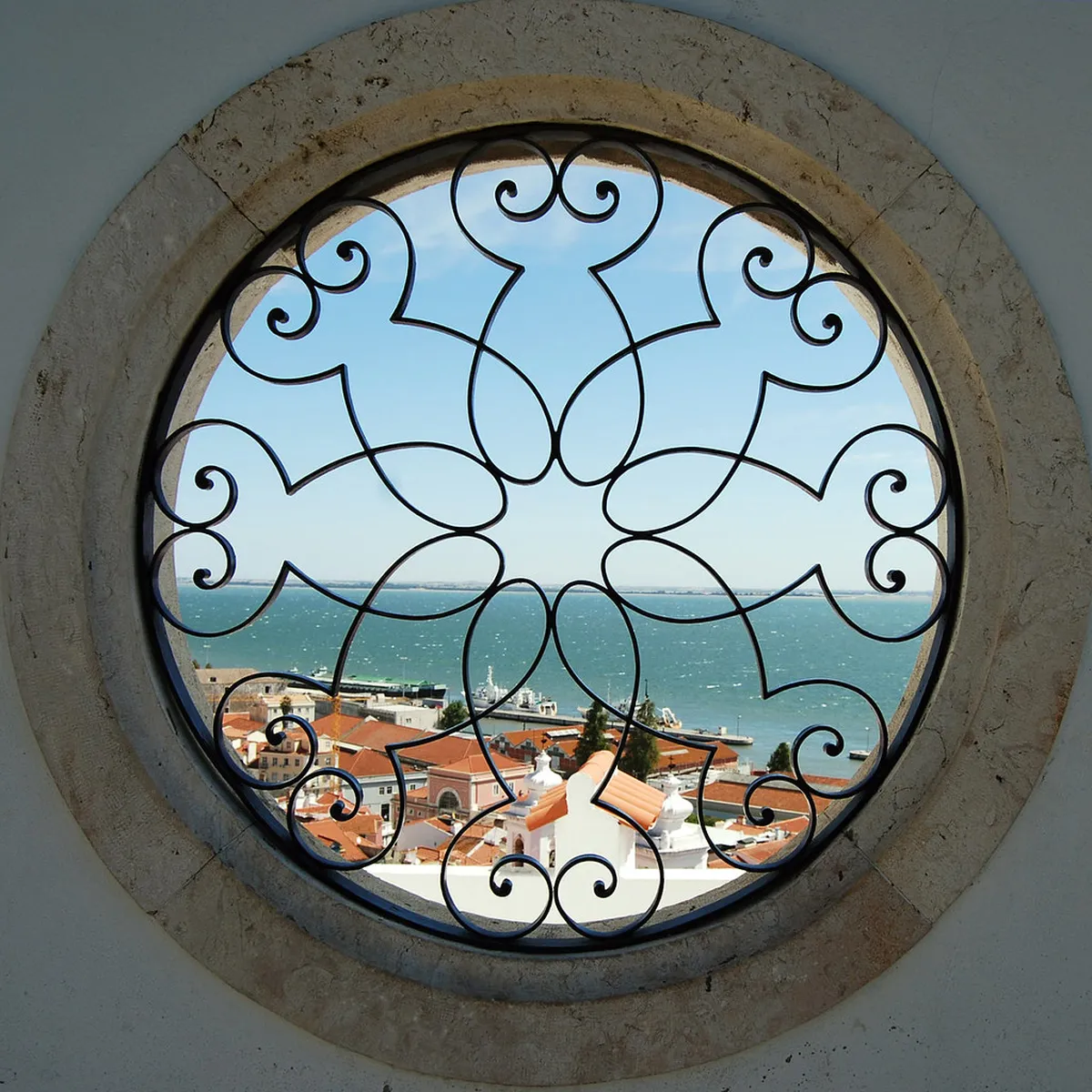
Discover Mouraria's Hidden Gems in Lisbon 2026
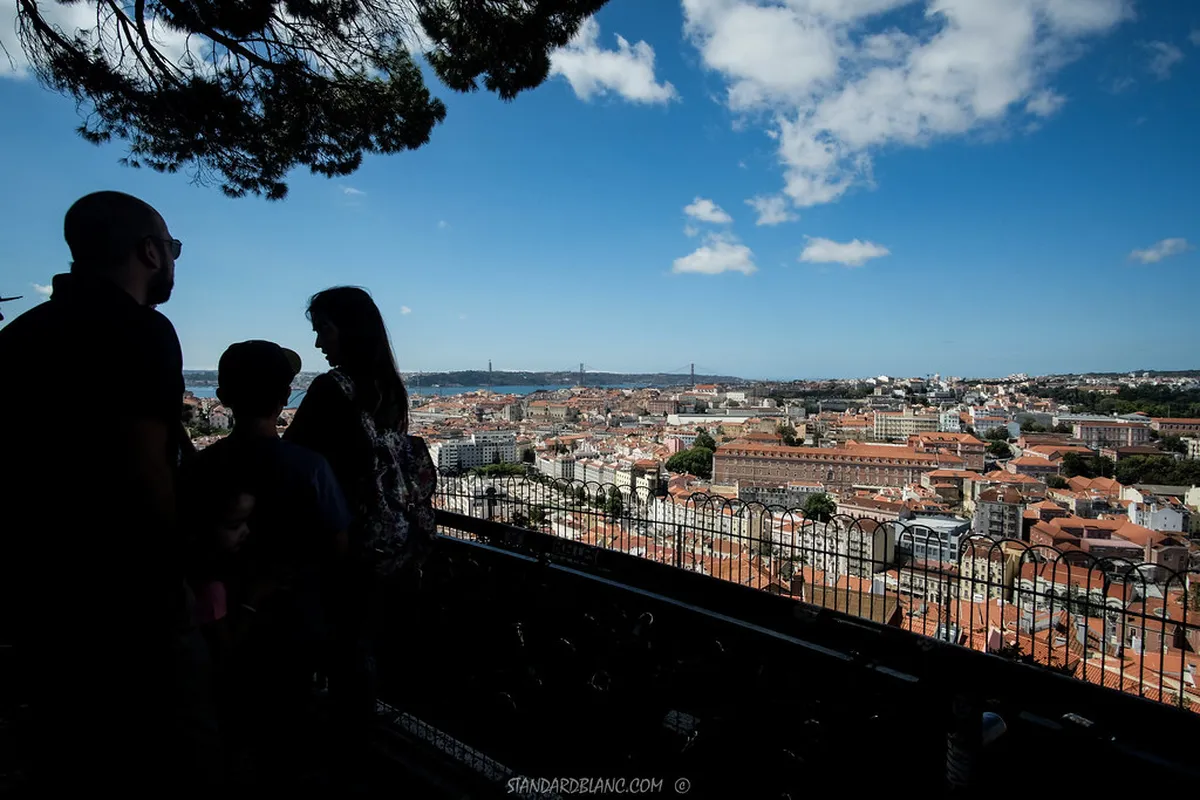
Table of Contents
Mouraria in Lisbon offers a truly authentic experience. It stands as one of Lisbon's most historic districts. This captivating neighborhood holds many hidden gems. Exploring Mouraria reveals a rich tapestry of culture and tradition.
Venture beyond the typical tourist trails in 2026. Discover the real heart of Lisbon's multicultural heritage. Mouraria's charm lies in its narrow alleys and vibrant atmosphere. Prepare to find unique sights and sounds here.
This guide highlights the best of Mouraria's lesser-known spots. Learn about its rich history and Fado music roots. Experience local life in a unique way. Lisbon's historic neighborhoods offer a step back in time.
Unveiling Mouraria's Rich History and Charm
Mouraria holds deep historical significance. It was once a Moorish quarter. After the Christian reconquest, Moors lived here. This heritage shaped its unique character profoundly.
The neighborhood became home to diverse communities. Immigrants from various cultures settled here. This blend created a vibrant cultural melting pot. Its narrow, winding streets tell many stories.
Walking through Mouraria feels like stepping back in time. Historic buildings line the cobblestone paths. You will find traditional Portuguese architecture everywhere. The local community thrives within these ancient walls.
Look for small plaques and street art. They depict famous residents and historical events. These details add to the neighborhood's allure. Discover hidden courtyards and charming staircases too.
Savoring Mouraria's Authentic Culinary Scene
Mouraria boasts an incredible food scene. It offers traditional Portuguese flavors. You can find many family-run restaurants here. These eateries serve delicious, hearty meals.
Try local specialties like Bacalhau à Brás. This codfish dish is a true classic. Fresh seafood is also readily available. Prices are generally very reasonable in 2026.
Visit O Velho Eurico for an authentic experience. It's a small, traditional spot. Expect to pay around €10-€20 per person for a full meal. Arrive early for dinner, as it fills up quickly.
O Velho Eurico is a small traditional spot that fills up fast — arrive by 7 pm to secure a table without a long wait. A full meal with wine runs roughly €10–€20 per person.
Explore the small grocery stores and bakeries. They offer fresh produce and local pastries. Taste a true pastel de nata from a local shop. Enjoy these simple, flavorful treats during your visit. For more options, explore traditional Lisbon restaurants.
| Spot | Type | Price Guide | Tip |
|---|---|---|---|
| O Velho Eurico | Traditional restaurant | €10–€20 per person | Arrive early; fills up quickly |
| Maria da Mouraria | Fado house | Cover charge / min. consumption | Book ahead for weekends |
| A Tendinha da Mouraria | Fado tavern | Cover charge / min. consumption | Cozy setting; intimate Fado nights |
| Largo da Severa | Historic square | Free | Named after a legendary Fado singer |
| Largo do Intendente | Renovated plaza | Free (cafes from ~€2) | Hosts cultural events; beautiful tiled facade |
The Soul of Fado: Mouraria's Musical Legacy
Mouraria is considered the birthplace of Fado. This melancholic music originated here. Many famous Fado singers called Mouraria home. The neighborhood lives and breathes this unique art form.
Seek out small, intimate Fado houses. They offer a more authentic experience. These venues differ from larger, tourist-focused shows. You will feel the true emotion of Fado music.
One notable spot is Maria da Mouraria. It's dedicated to a legendary Fado singer. The performances are captivating and deeply moving. Check their schedule for live Fado nights.
Another gem is A Tendinha da Mouraria. This small tavern offers Fado in a cozy setting. Expect to pay a cover charge or minimum consumption. Booking ahead is often recommended, especially on weekends. Learn more about Fado music in Lisbon.
Street Art and Unique Tiled Facades in Mouraria
Mouraria is a canvas for vibrant street art. Colorful murals adorn many walls. These artworks often depict local history and culture. They celebrate community figures and Fado singers.
Take a walk down Rua do Capelão. This street features several striking murals. The Ginga mural is particularly famous. It honors famous Fado artists from the area.
Beyond murals, admire the traditional Azulejo tiles. Many buildings showcase intricate patterns. These tiles are a hallmark of Portuguese architecture. They add color and texture to the streetscape.
Keep an eye out for smaller, hidden art installations. Artists use unexpected spaces for their creations. This art tells stories of the neighborhood's past and present. Explore Lisbon's street art neighborhoods for more.
Discovering Peaceful Plazas and Scenic Views
Mouraria offers several tranquil squares. These plazas provide perfect resting spots. They are often less crowded than those in other districts. Enjoy the peaceful atmosphere here.
Visit Largo da Severa, a charming small square. It's named after a famous Fado singer. Locals gather here for conversation. It offers a glimpse into daily Mouraria life.
Another serene spot is Largo do Intendente. This renovated square hosts cultural events. It features a beautiful tiled building. Enjoy a coffee at one of its inviting cafes.
While not a grand viewpoint, some higher streets offer peeks. You can catch glimpses of Lisbon's rooftops. These informal views are often the most rewarding. They provide a unique perspective on the city.
Mouraria's streets are narrow and hilly — wear comfortable shoes and avoid exploring the steeper lanes in the midday summer heat, when temperatures can make the climb uncomfortable.
Frequently Asked Questions
Is Mouraria safe for tourists to explore?
Mouraria is generally safe for tourists. Like any urban area, stay aware of your surroundings. Daytime exploration is very pleasant and safe. It offers an authentic local experience.
Exercise normal precautions, especially at night. Keep valuables secure in crowded areas. Many locals and families live here. It feels like a true neighborhood.
How can I best get to Mouraria and navigate its streets?
Mouraria is easily accessible by public transport. The metro station Martim Moniz is right there. Tram 28 also passes through its edges. Walking from Baixa or Rossio is also convenient.
Its streets are narrow and hilly. Wear comfortable shoes for walking. Navigating can be tricky, but it's part of the charm. Consider taking a Mouraria cultural tour for guidance.
What makes Mouraria different from Alfama?
Mouraria and Alfama share medieval roots. Both are historic, hilly neighborhoods. However, Mouraria often feels more residential and less touristy. It maintains a stronger local community feel.
Mouraria is known as Fado's birthplace. Alfama also has Fado, but Mouraria's connection feels more intimate. Mouraria's multicultural heritage is also very pronounced. It offers a distinct, authentic vibe.
What is the best time of day to visit Mouraria in 2026?
The best time to visit Mouraria is during the late afternoon. This allows you to explore before dinner. You can enjoy the transition to evening. Many Fado houses open in the evening.
Mornings are also good for seeing daily life. The streets are quieter then. Avoid midday in summer due to heat. Anytime in 2026 will be great for discovery.
Mouraria truly is a treasure trove of Lisbon's culture. Its hidden gems offer unique experiences. From Fado's soulful melodies to vibrant street art, there's much to explore. Immerse yourself in its rich history and flavors.
Plan your visit to Mouraria in 2026. Discover a side of Lisbon often overlooked. You will create unforgettable memories here. Seek out its authentic charm and connect with its spirit.
Key Takeaways
- Mouraria is Lisbon's historic multicultural heart, less touristy than Alfama.
- Explore authentic Fado houses, the birthplace of this soulful music.
- Savor traditional Portuguese dishes at family-run local restaurants.
- Admire vibrant street art and historic Azulejo-tiled buildings.
- Wear comfortable shoes to navigate its charming, hilly, narrow streets.
Continue exploring Lisbon's historic quarter
- Discover Mouraria's Hidden Gems in Lisbon 2026December 13, 2025
 Untold Stories of Mouraria Lisbon: A 2026 Travel GuideDecember 13, 2025
 Mouraria Local Hangouts: Your Authentic Lisbon GuideDecember 10, 2025
 Discover Mouraria Lisbon's Secret Spots in 2026December 10, 2025