
Explore the Rich History of Ribeira District Porto
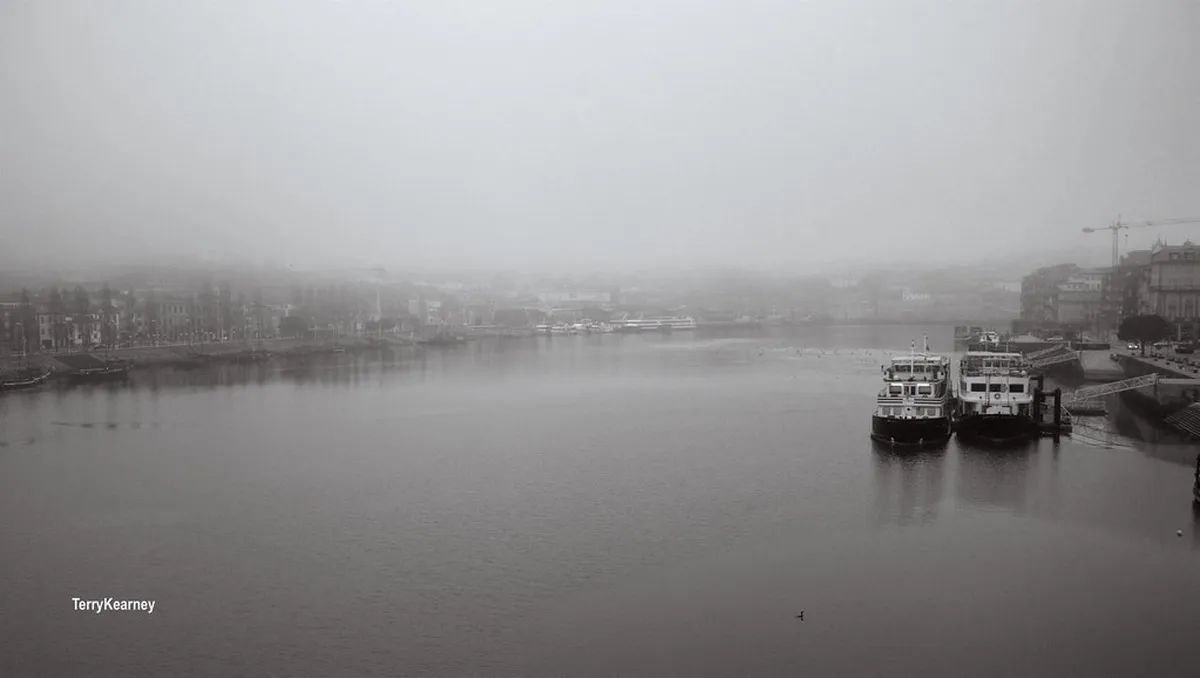
Table of Contents
Porto's Ribeira district sits proudly by the Douro River. Its cobblestone streets tell tales of centuries past. Understanding the history of Ribeira district Porto reveals the city's soul. This vibrant area is a UNESCO World Heritage site. It draws visitors from across the globe. Explore Porto's historic neighborhoods for more insights into its rich past.
Ancient Roots and Roman Influences in Ribeira
Ribeira's story began long before Porto was a city. Early Celtic settlements likely dotted the riverbanks. Fishermen and traders were among the first inhabitants. They utilized the Douro River for their livelihoods.
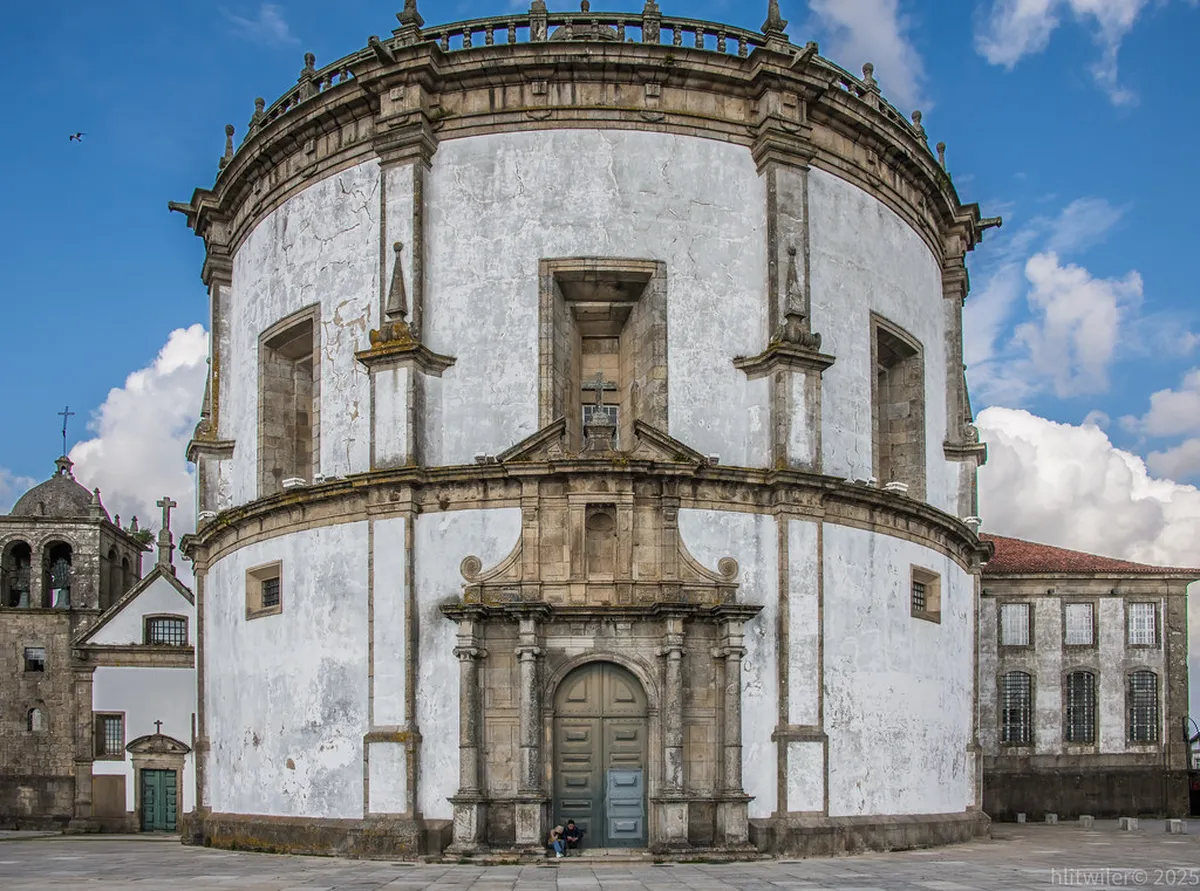
The Romans arrived in the 1st century BC. They established a significant presence in the area. Roman roads and port structures were built. These infrastructure improvements boosted local trade significantly. Their legacy laid the foundation for future growth.
Archaeological finds confirm Roman occupation here. Fragments of pottery and coins have been discovered. These artifacts provide clues about ancient daily life. The Roman influence shaped Ribeira's early development. It truly marks the beginning of the district's long history.
Understanding these initial periods is crucial. It helps us appreciate Ribeira's enduring significance. The district has always been a hub of activity. Its riverside location proved strategically vital over millennia.
Medieval Marvels: Ribeira's Golden Age of Trade
The medieval era saw Ribeira flourish significantly. It became Porto's commercial heart. Goods from across Portugal and Europe passed through its port. Merchants built grand houses and warehouses along the river.
Narrow, winding streets characterize the medieval layout. These alleys connected homes to the bustling docks. Daily life revolved around the river's rhythm. Fishermen brought in their catches each morning. This period defines much of the visible history of Ribeira district Porto. Discover more Ribeira medieval quarter facts for a deeper dive.
Architecture from this time remains visible today. Colorful facades and intricate balconies tell stories. They reflect the wealth and influence of its residents. Ribeira was a melting pot of cultures. This rich tapestry created a unique urban landscape.
The river was not just for trade. It provided transportation and sustenance. Rabelo boats, with their distinctive sails, were common sights. They carried goods and people up and down the Douro. This strong connection to the river persists.
The Rise of Port Wine Trade and Its Impact
The 17th and 18th centuries transformed Ribeira. Port wine production boomed during this period. English merchants played a crucial role in its development. They established strong trade links with Porto.
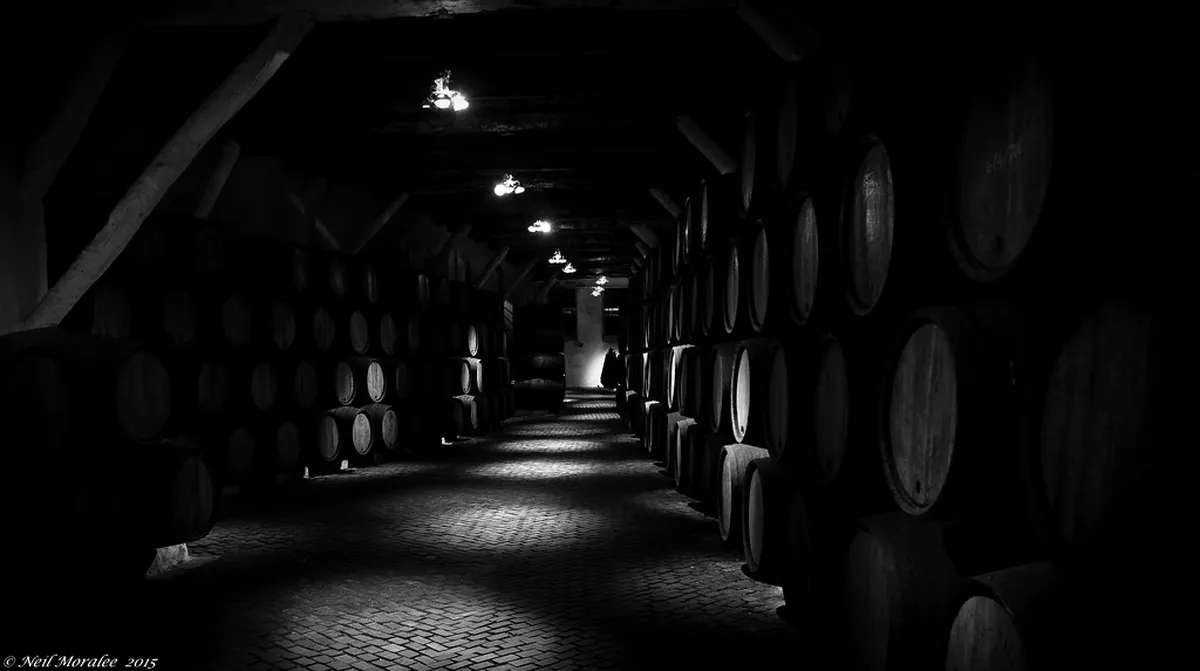
Ribeira's quayside became central to the wine trade. Barrels of port wine were loaded onto ships. These vessels carried the precious cargo worldwide. This trade brought immense prosperity to the district. The economic impact was profound and lasting.
Many merchant houses became wine storage facilities. They were known as 'caves' across the river. These establishments still exist in Vila Nova de Gaia. Visitors can tour them today for a small fee, typically €15-€25 per person. Tasting sessions are often included.
Port wine cave tours in Vila Nova de Gaia, directly across the river from Ribeira, typically cost €15–€25 per person and usually include a tasting session — a convenient addition to any Ribeira visit.
The port wine industry cemented Ribeira's global status. It connected Porto to distant lands. This rich heritage continues to define the region. The Douro Valley vineyards depend on this ancient route. The river remains a key part of this industry.
Decline, Revitalization, and UNESCO Recognition
By the 19th and early 20th centuries, Ribeira faced decline. Newer port facilities emerged further downstream. The district became less central for commercial activity. Many buildings fell into disrepair and neglect. Living conditions deteriorated in some areas.
Efforts to revitalize Ribeira began in the late 20th century. Local authorities recognized its historical importance. Preservation projects aimed to restore its unique charm. These initiatives focused on architectural integrity. They sought to bring life back to the district.
The culmination of these efforts came in 1996. The Ribeira district was declared a UNESCO World Heritage site. This recognition brought global attention. It also secured vital funding for ongoing preservation. The entire area gained protection and prestige.
UNESCO status highlighted Ribeira's universal value. It safeguarded its unique urban fabric. This designation ensures its history for future generations. It celebrates its architectural and cultural heritage. This makes Ribeira a truly special place to visit.
Ribeira's narrow medieval alleys can be very crowded during peak tourist season. Many buildings are still undergoing preservation work, so some facades may be obscured by scaffolding. Book popular riverside restaurants in advance.
Modern Ribeira: A Living, Bustling Heritage Site
Today, Ribeira is Porto's most iconic district. It successfully blends history with modern life. Tourists flock to its vibrant riverside promenade. Cafes, restaurants, and street performers fill the air.
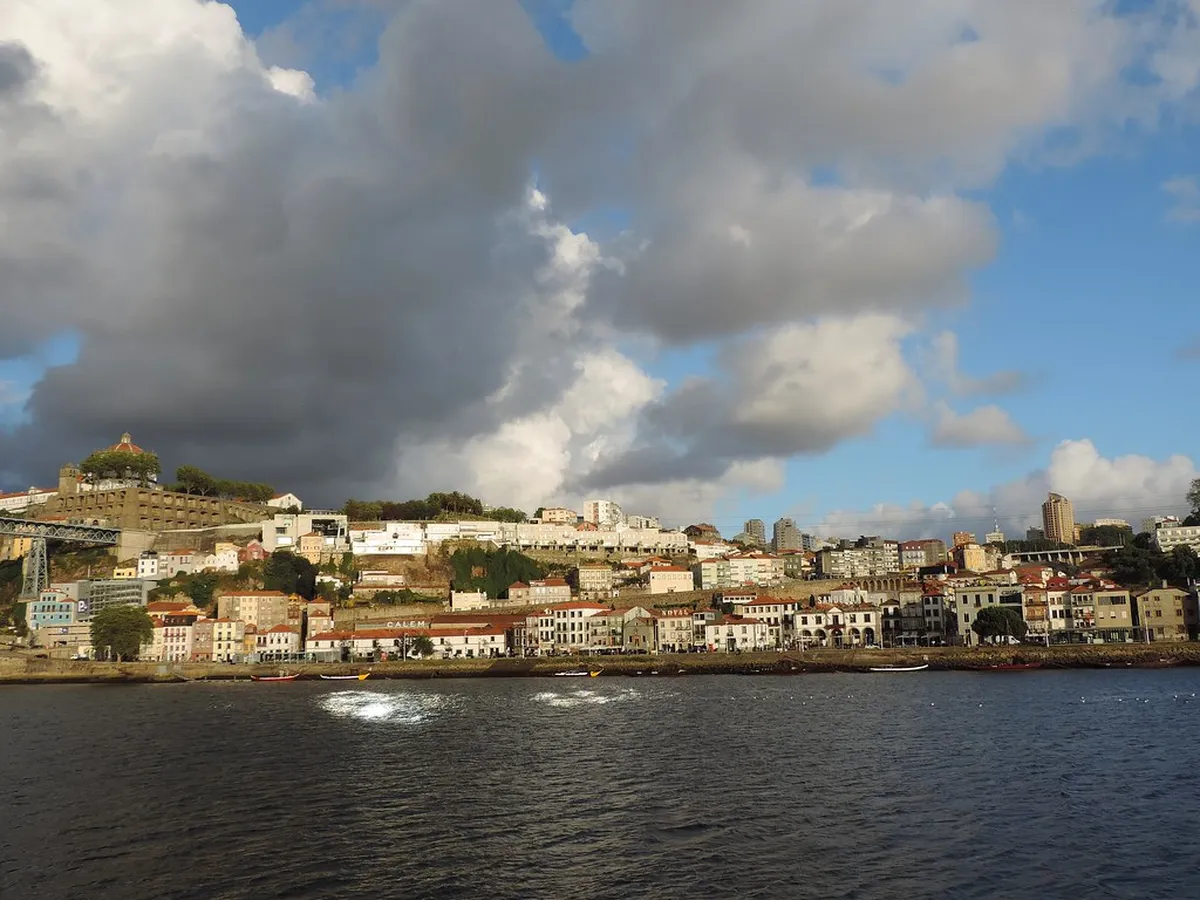
Visitors in 2026 can enjoy boat tours along the Douro. Many excellent restaurants offer traditional Portuguese cuisine. Expect dinner prices ranging from €20-€40 per person. Reservations are recommended for popular spots, especially during peak season.
| Experience | Typical Cost | Notes |
|---|---|---|
| Port wine cave tour (Vila Nova de Gaia) | €15–€25 per person | Tasting session usually included |
| Dinner at a riverside restaurant | €20–€40 per person | Reservations recommended in peak season |
| Douro River boat tour | Varies | Departs from Cais da Ribeira |
| UNESCO Historic Centre visit | Free | Self-guided walking; guided tours available |
The district hosts numerous cultural events. Fado music often echoes through the streets at night. Local artisans sell their crafts near the Cais da Ribeira. The atmosphere is always lively and inviting. Explore our full Ribeira district guide for more travel tips.
Preservation remains a key focus. Balancing tourism with local life is essential. Ribeira honors its past while embracing its future. It stands as a testament to Porto's enduring spirit. This district offers an unforgettable experience for all.
Frequently Asked Questions
What makes Ribeira district historically significant?
Ribeira district holds immense historical significance. It served as Porto's ancient Roman port. Later, it became a thriving medieval commercial hub. The district was central to the global port wine trade for centuries. Its rich past defines much of Porto's identity.
When was Ribeira designated a UNESCO World Heritage site?
The historic center of Porto, including the Ribeira district, received UNESCO World Heritage status in 1996. This recognition highlights its outstanding universal value. It emphasizes the importance of its preservation. The designation brought renewed focus to its unique heritage.
Are there Roman ruins visible in Ribeira Porto today?
Directly visible Roman ruins are scarce within Ribeira today. However, archaeological excavations have unearthed Roman artifacts. These finds confirm a significant Roman presence. The district's layout and some foundations might reflect Roman influence. Much lies beneath current street levels.
What role did the Douro River play in Ribeira's development?
The Douro River was absolutely fundamental to Ribeira's development. It served as the primary artery for trade. Goods, including the famous port wine, moved along its waters. The river facilitated commerce and connectivity for centuries. Its presence shaped Ribeira into a vibrant port city.
The history of Ribeira district Porto is a rich tapestry. It weaves together ancient roots with a vibrant present. From Roman influences to port wine prosperity, Ribeira has shaped Porto's identity. Its UNESCO status ensures its legacy endures in 2026. Visit this incredible district to walk through centuries of captivating history.
Key Takeaways
- Ribeira's history dates back to Roman times, serving as an ancient port.
- It flourished in the medieval era as Porto's main commercial and trade center.
- The district was crucial for the global port wine trade, bringing immense wealth.
- Ribeira gained UNESCO World Heritage status in 1996, highlighting its preservation.
- Today, it's a bustling, historic district offering rich cultural and culinary experiences.
Continue exploring Porto's historic quarter
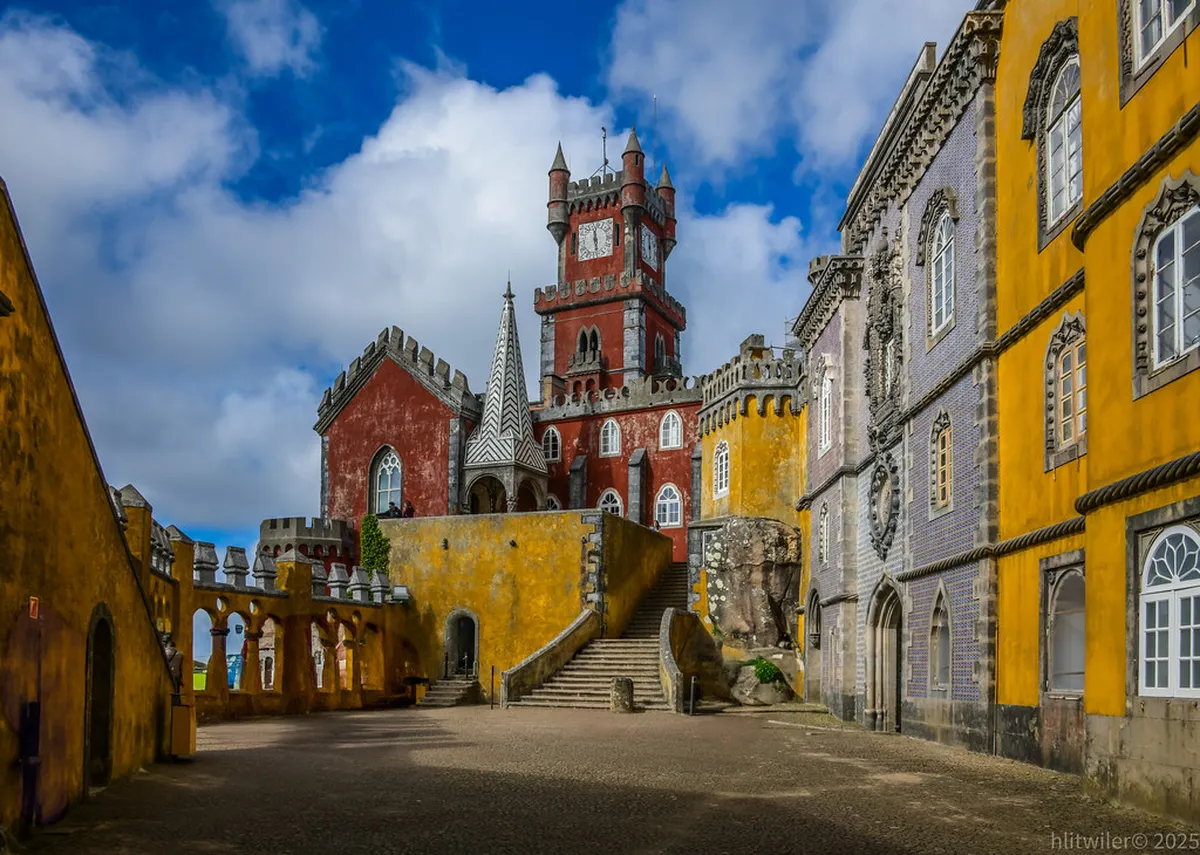 Ribeira Medieval Quarter Porto Facts & Guide 2026December 11, 2025
- Explore the Rich History of Ribeira District PortoDecember 10, 2025
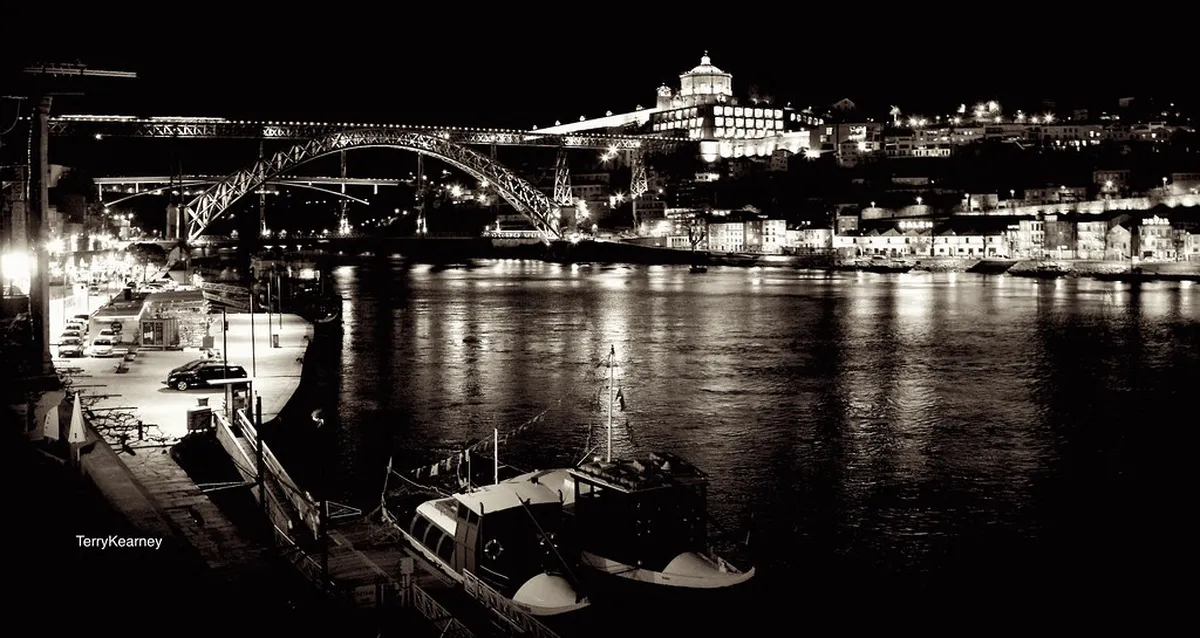 Ribeira History Facts Porto: Uncover its Ancient PastDecember 10, 2025
 Fun Activities for Kids in Porto Old Town 2026December 13, 2025
 Top Baixa Budget Restaurants Porto Options 2026December 13, 2025