
Porto's Most Beautiful Tiled Buildings in 2026
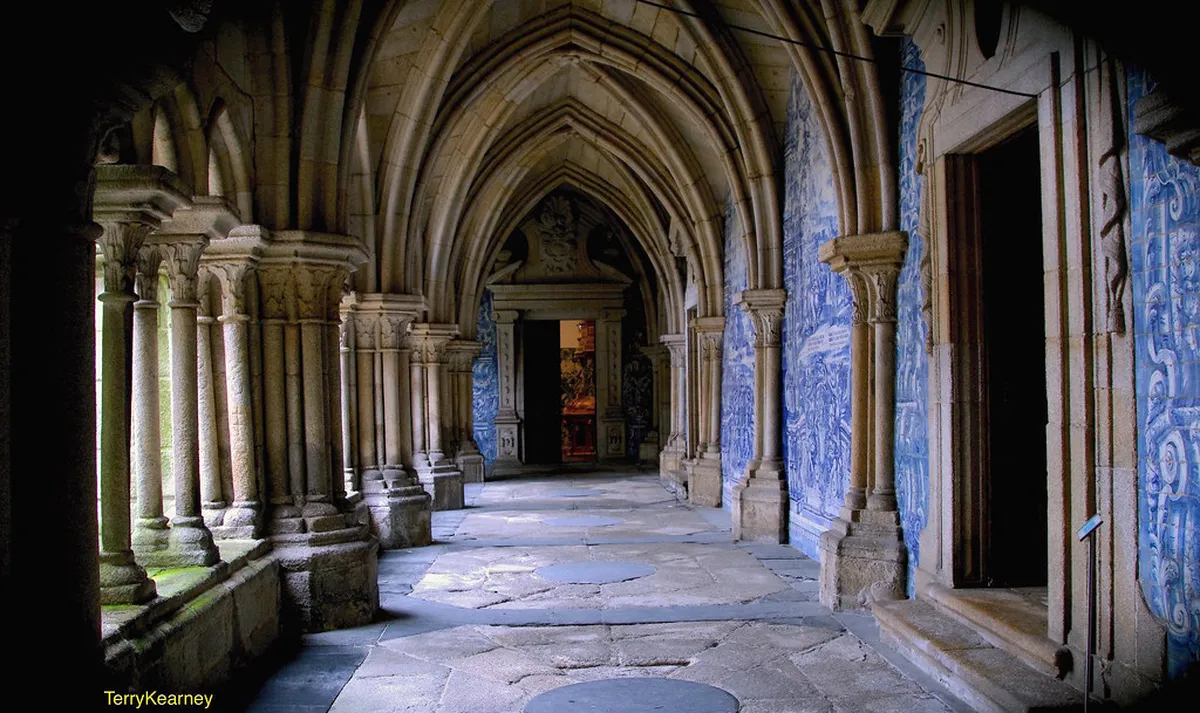
Table of Contents
Porto, Portugal, is famous for its stunning azulejo tiles. These ceramic works of art decorate countless buildings. They tell stories of history, culture, and faith. Exploring these tiled facades is a highlight for many visitors. This guide reveals the most beautiful tiled buildings Porto offers.
From grand train stations to ornate churches, azulejos are everywhere. They are a true symbol of Portuguese heritage. Plan your 2026 trip to witness these incredible architectural marvels. Prepare to be amazed by their intricate designs.
São Bento Railway Station: A Tiled Masterpiece
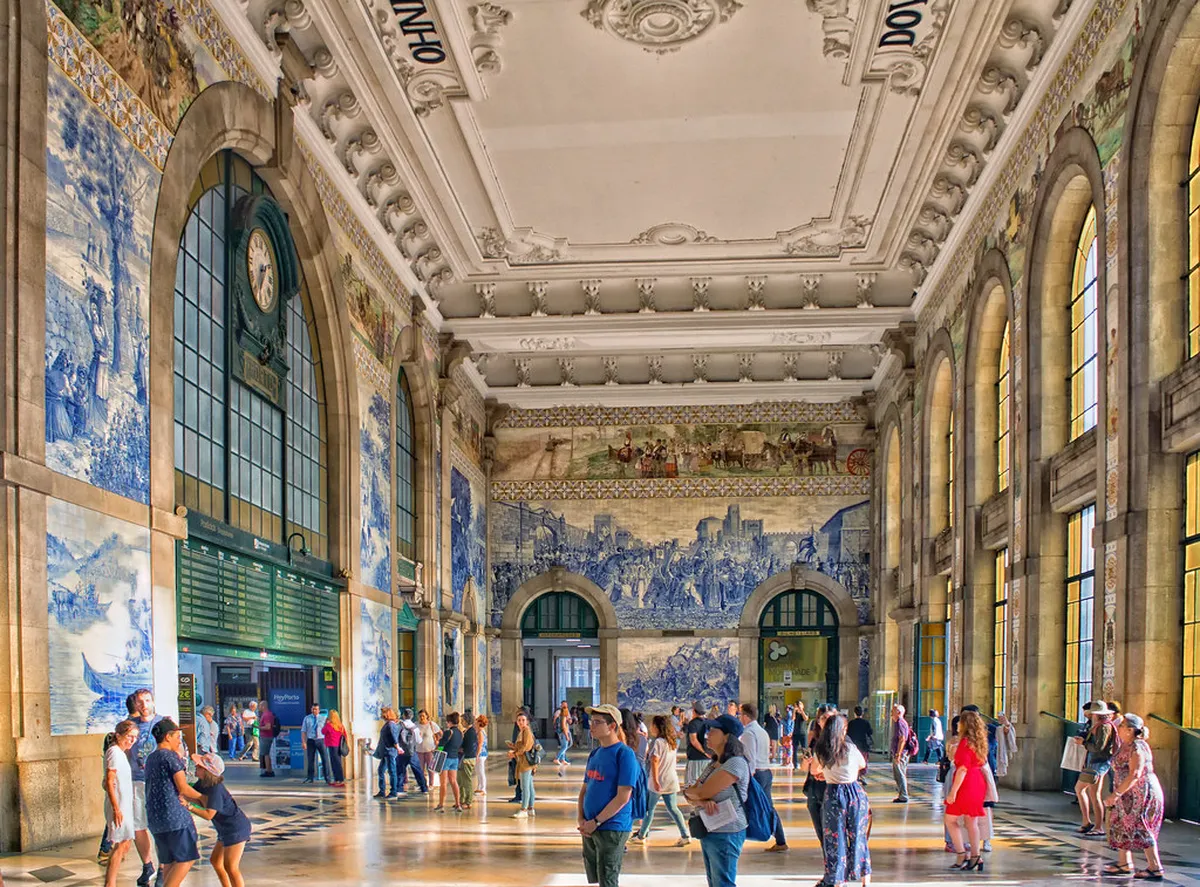
São Bento Railway Station is an absolute must-see. Its main hall boasts over 20,000 azulejo tiles. These magnificent panels depict moments in Portuguese history. Artist Jorge Colaço created them between 1905 and 1916.
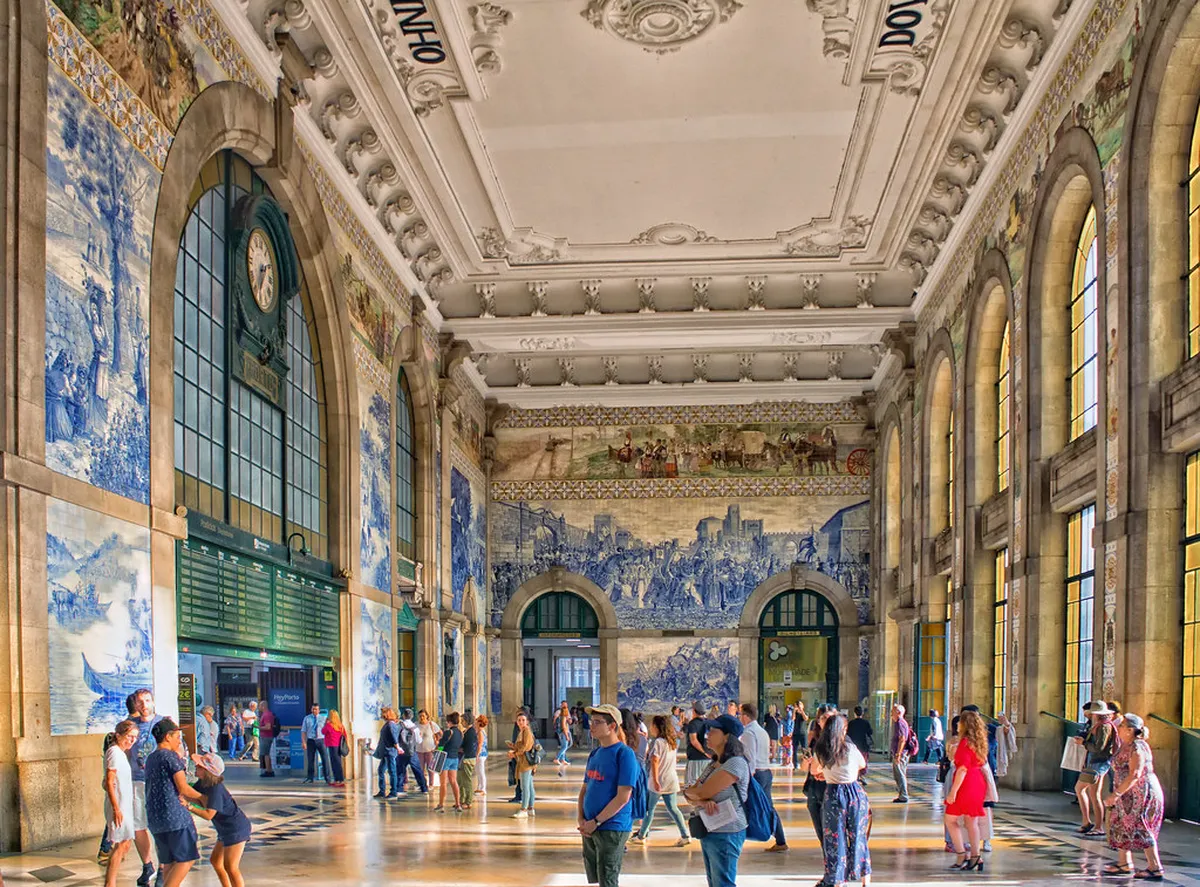
The station opened in 1916 and remains active today. You can simply walk in and admire the art. Entrance is completely free for all visitors. Allow at least 20-30 minutes for your visit.
The blue and white tiles primarily show battles and royal events. They also illustrate rural life and transportation. The detail in each scene is truly breathtaking. This historic site is a highlight for anyone exploring Porto's historic neighborhoods.
It is centrally located at Praça de Almeida Garrett. The station is easily accessible by metro or foot. This iconic building sets the standard for tiled grandeur.
Entry to São Bento Railway Station is completely free. You do not need a train ticket to walk in and admire the azulejo panels — simply enter through the main doors during station hours.
Igreja do Carmo and Carmelitas: Twin Tiled Churches
The Carmo and Carmelitas churches stand side-by-side. Their separation is famously due to a narrow house. Igreja do Carmo features one of Porto's most famous tile facades. It stands out with its grand blue and white panel.
The azulejo panel covers the entire side of the Carmo church. It portrays scenes from the Carmelite Order's history. Silvestre Silvestri designed this masterpiece in 1756. The tiles were added in 1910.
These beautiful churches are located near the university district. They are often visited together by tourists. Check their opening hours for interior visits. The exterior, however, is always available for viewing.
Both churches represent excellent examples of Baroque architecture. The contrast between the two buildings is striking. Do not miss this unique architectural pairing.
Capela das Almas: The Chapel of Souls' Charm
The Capela das Almas, or Chapel of Souls, is another tiled gem. It is located on Rua de Santa Catarina. The entire exterior is covered in bright blue and white tiles. These tiles depict scenes from the lives of saints.
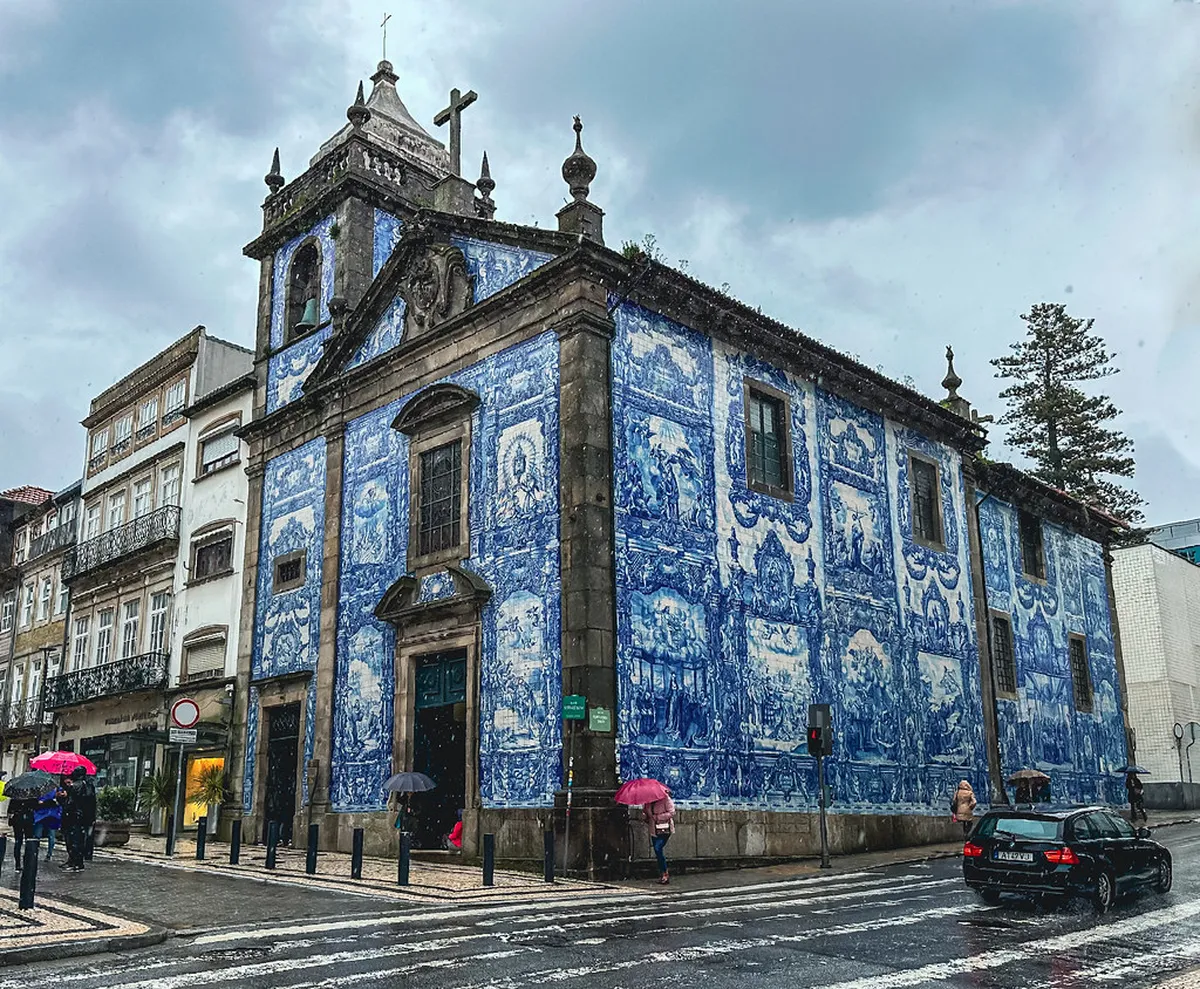
This chapel's azulejos were added in 1929. They were created by artist Eduardo Leite. The vibrant tiles illustrate the martyrdom of Saint Catherine. They also show the death of Saint Francis of Assisi.
The chapel is often surrounded by bustling shoppers. Its striking facade is hard to miss. Many visitors stop to photograph its beauty. It offers a stunning visual break from the modern street.
You can admire the chapel's exterior at any time. A quick interior visit is also possible. It provides a peaceful retreat from the city. Entry to the interior often requires a small donation.
Porto Cathedral (Sé do Porto): Ancient Azulejo Glory
The Porto Cathedral, or Sé do Porto, is one of the city's oldest monuments. While primarily a fortress-cathedral, it features beautiful azulejo work. These tiles are found mainly in the cloisters.
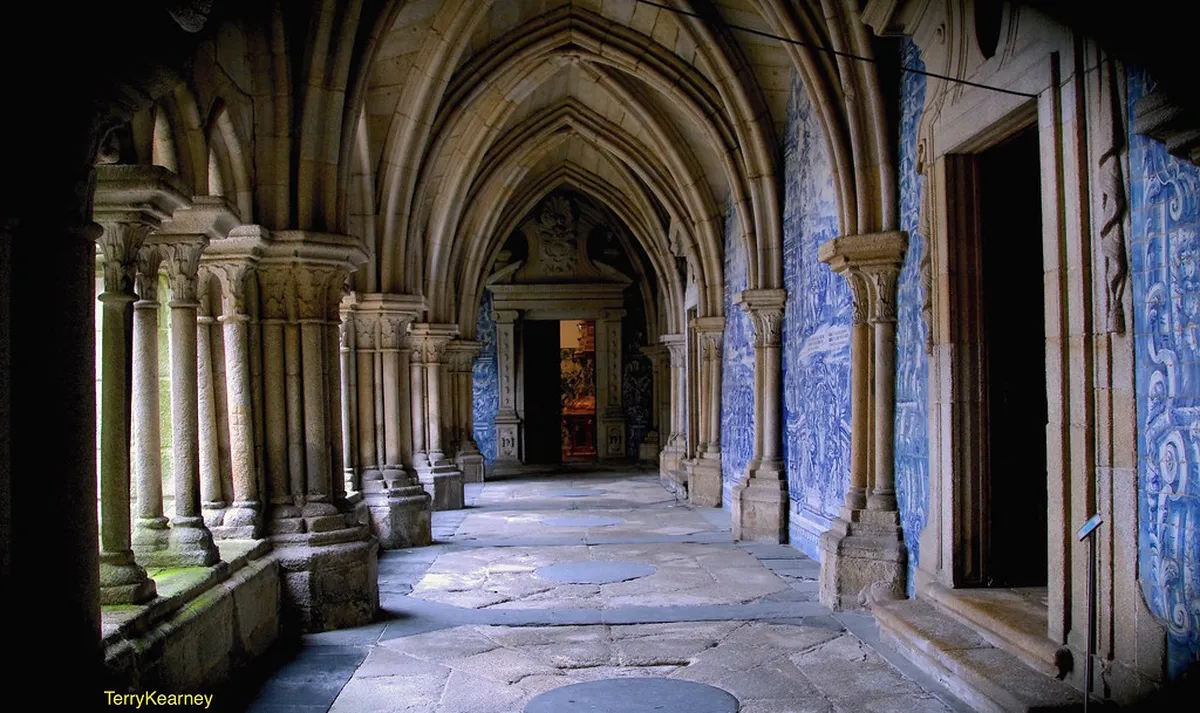
The Gothic cloisters are adorned with intricate tile panels. These date back to the 18th century. They depict scenes from the Song of Solomon. João de Freitas designed these impressive blue and white tiles.
Visiting the cloisters requires a small entrance fee. This fee usually costs around €3 per person. It is well worth it for the historical significance. The cathedral sits high, offering panoramic city views.
The Sé do Porto is located in the heart of the historic center. It is a vital part of Porto's rich heritage. Combine your visit with nearby landmarks. This ancient site blends various architectural styles.
Visiting the cloisters at Porto Cathedral (Sé do Porto) requires a small entrance fee of around €3 per person. The exterior of the cathedral is free to view, but the tiled interior cloisters are behind a paid gate — budget accordingly.
| Building | Location | Entry Cost | Tile Highlight |
|---|---|---|---|
| São Bento Railway Station | Praça de Almeida Garrett | Free | 20,000+ panels depicting Portuguese history (1905–1916) |
| Igreja do Carmo | Near university district | Free (exterior); varies for interior | Grand blue and white side panel by Silvestre Silvestri, 1910 |
| Carmelitas Church | Adjacent to Igreja do Carmo | Free (exterior) | Baroque facade; part of the famous twin-church pairing |
| Capela das Almas | Rua de Santa Catarina | Free (exterior); small donation for interior | Full exterior in blue and white tiles by Eduardo Leite, 1929 |
| Porto Cathedral (Sé do Porto) | Historic center | ~€3 (cloisters) | 18th-century Gothic cloisters with Song of Solomon panels |
Frequently Asked Questions
What are azulejos in Porto?
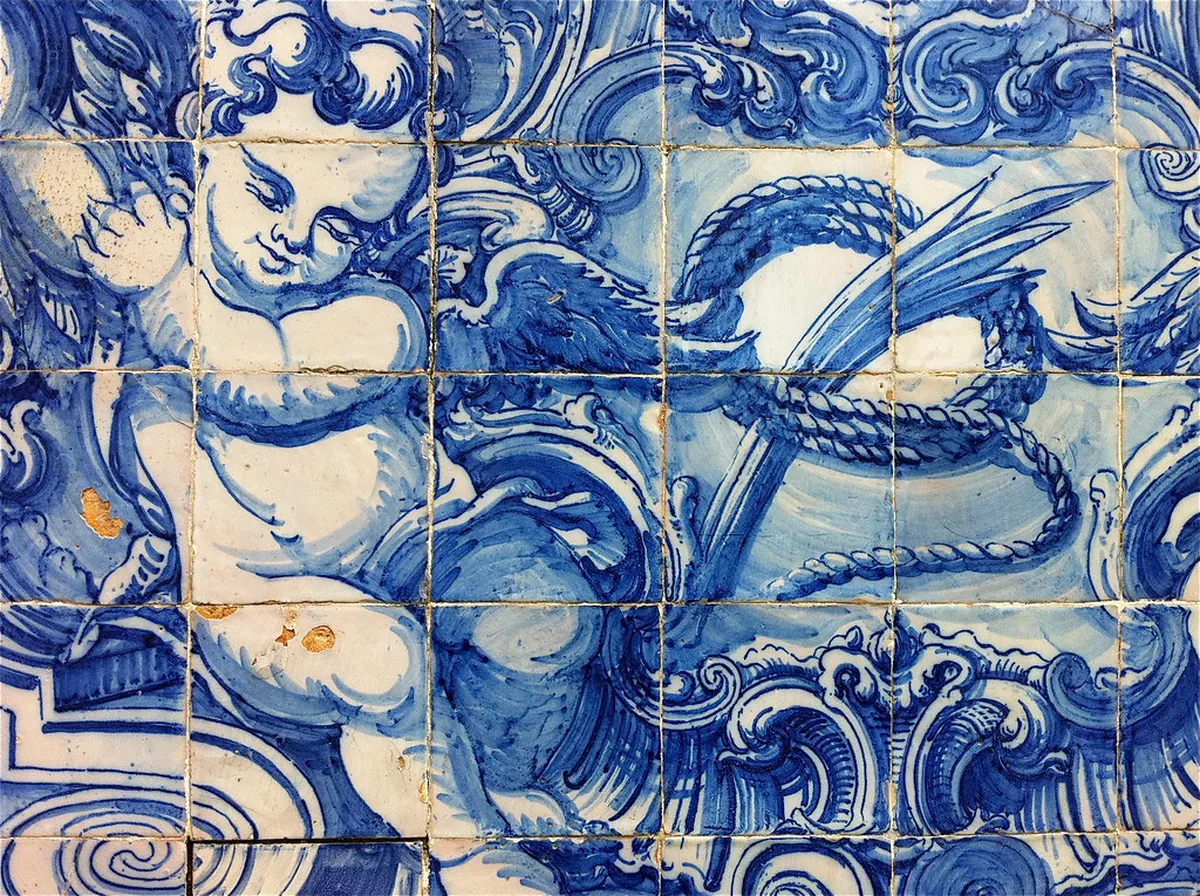
Azulejos are traditional Portuguese ceramic tiles. They are often blue and white, but come in many colors. These tiles decorate churches, houses, and public buildings. They are a distinctive feature of Porto's architecture.
Can I do a walking tour to see Porto's tiled buildings?
Yes, many self-guided and guided tours exist. These tours focus on Porto's tile art. You can discover incredible facades across the city. Consider joining a specialized Porto azulejo art walking tour to learn more.
Are there any modern buildings with azulejos in Porto?
While traditional azulejos are common, modern art also uses tiles. Some contemporary buildings incorporate tile designs. However, the most famous examples are historic. They showcase centuries of craftsmanship.
Porto's tiled buildings offer a captivating visual journey. Each azulejo panel tells a unique story. From grand stations to ornate churches, beauty awaits. Make sure to include these sites in your 2026 itinerary. Experience the truly unforgettable art of Portuguese tiles.
Key Takeaways
- São Bento Station is a free, must-see for its massive tile panels.
- The Capela das Almas offers a vibrant, easily accessible tiled exterior.
- Many historic buildings showcase incredible azulejo art across the city.
Continue exploring Porto's historic quarter
- Porto's Most Beautiful Tiled Buildings in 2026December 13, 2025
 Porto Azulejo Art Walking Tour: Explore Tiled BeautyDecember 13, 2025
 Porto Tiled Buildings Guide: A City of AzulejosDecember 13, 2025
 Fun Activities for Kids in Porto Old Town 2026December 13, 2025
 Top Baixa Budget Restaurants Porto Options 2026December 13, 2025