
Coimbra Medieval Architecture: A Features Guide
Table of Contents
Coimbra, Portugal, offers a captivating journey through history. Its medieval architecture tells stories of centuries past. You will find stunning Romanesque cathedrals and ancient fortifications. This guide explores the key features of Coimbra medieval architecture in 2026. Prepare to step back in time.
Sé Velha: A Fortified Example of Coimbra Medieval Architecture
The Old Cathedral of Coimbra, or Sé Velha, is a prime example. It showcases robust Romanesque architecture. Construction began in 1139 after Afonso Henriques' reconquest. This structure perfectly embodies Coimbra medieval architecture. Its fortified appearance reflects turbulent times.
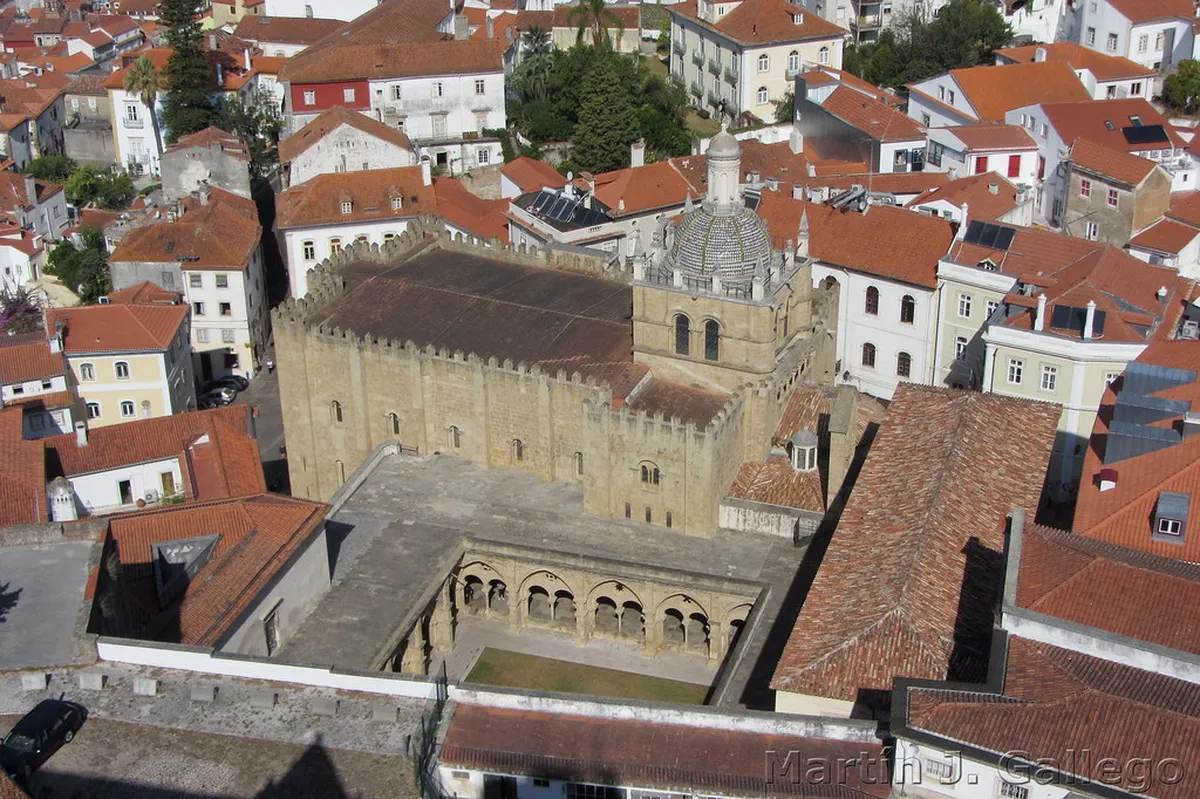
Thick walls and minimal windows were defensive features. Notice the impressive western façade. It resembles a medieval fortress. Two strong towers flank the main entrance. The portal features intricate carvings. These designs depict various religious and natural motifs.
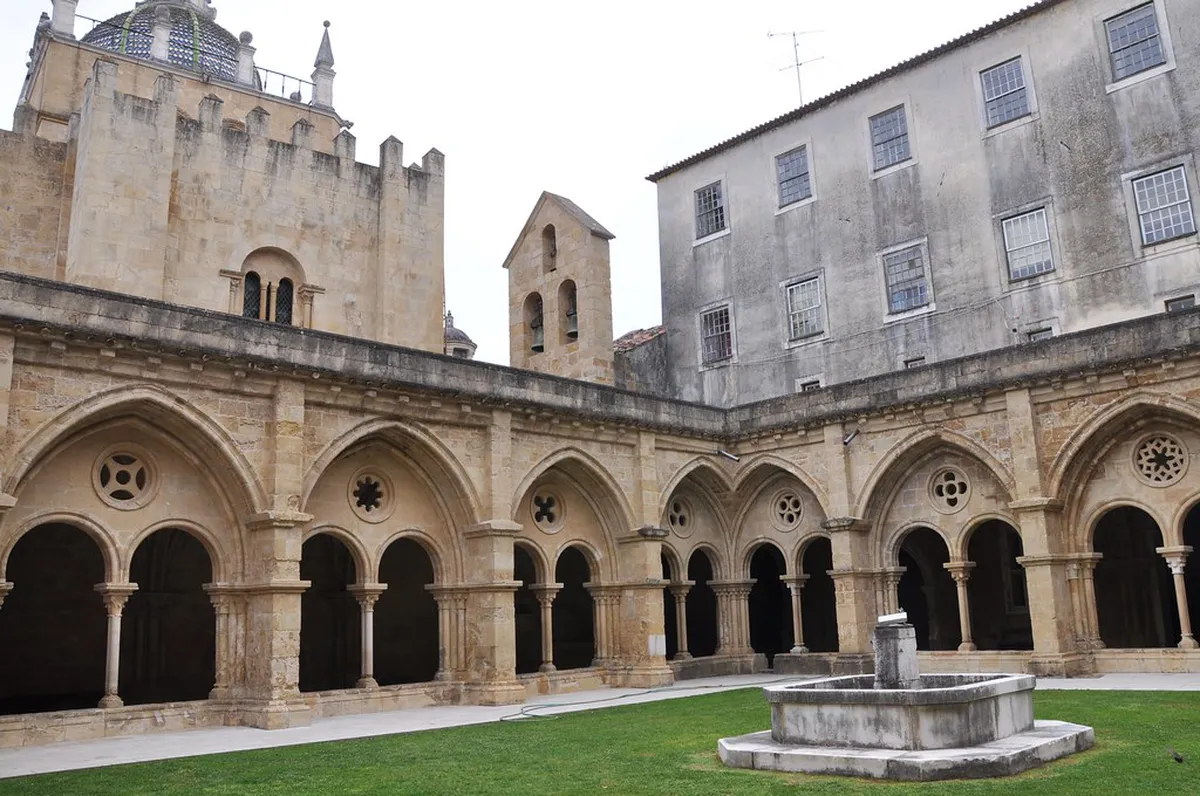
Its cloisters are among Portugal's oldest Gothic cloisters. They were added during the 13th century. This transition period shows early Gothic influences. The peaceful courtyard offers a moment of reflection. Entry costs around €2.50 for adults. Visit during opening hours: 10:00 AM to 5:30 PM daily.
Sé Velha is open 10:00 AM to 5:30 PM daily and admission is around €2.50 for adults. Arrive early in the morning to avoid tour groups and enjoy the cloisters in near-silence.
Expert Tip: Climb to the upper gallery for unique views. You can see the detailed interior from above. The experience provides a new perspective. Consider a guided tour of Sé Velha for deeper insights.
Exploring Coimbra's Medieval Streets and Quarters
Beyond the great monuments, Coimbra's medieval architecture thrives. Wander through the Alta Coimbra and Baixa Coimbra districts. The narrow, winding streets reveal hidden gems. Stone buildings with ancient doorways line these pathways. Many houses retain their original medieval foundations.
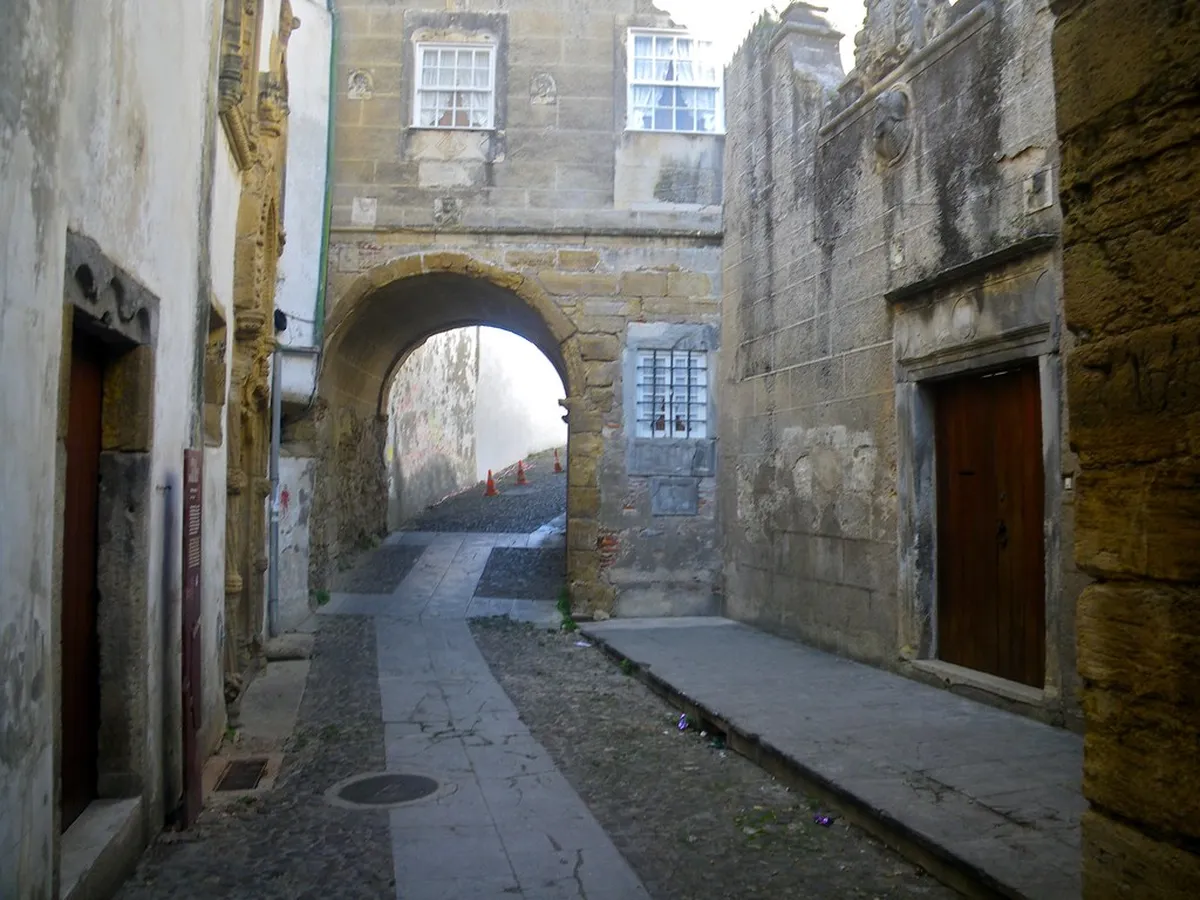
The city's layout itself reflects medieval planning. Streets often follow old Roman or Moorish routes. They climb steeply towards the university hill. Discover small squares and charming courtyards. These areas offer glimpses into daily life centuries ago.
Look for specific architectural details as you explore. Arched windows and wooden balconies are common. Some buildings feature coats of arms above their entrances. These indicate noble or ecclesiastical ownership. The entire Old Town forms a living museum.
The medieval streets of Coimbra are best explored on foot. Wear comfortable shoes for the uphill climbs. Many small cafes offer a chance to rest. Enjoy a traditional Portuguese pastry while soaking in the history.
The streets climbing towards University Hill are steep and uneven cobblestone. Wear sturdy, flat-soled shoes — sandals or heels will make the ascent genuinely uncomfortable and slippery when wet.
Fortifications and University Hill's Old Charm
Coimbra was once a fortified city. Remnants of its medieval walls still exist. The Porta de Almedina is a notable survivor. This ancient gate was part of the original defensive perimeter. It once controlled access into the lower city.

The University of Coimbra also boasts medieval structures. While many buildings are later additions, their foundations are old. The Paço das Escolas features the Royal Palace. It was originally a medieval royal residence. The Capela de São Miguel displays Gothic elements.
Explore the intricate details of the older university buildings. Many feature Manueline styles, but medieval influences persist. Stone arches and vaulted ceilings are common. The library, though Baroque, sits on historic ground. These buildings tell a story of evolving power.
Walking around University Hill is like time travel. Imagine scholars and kings walking these very paths. The blend of styles creates a unique historical tapestry. This area provides a strong sense of Coimbra's enduring legacy.
Other Notable Medieval Architectural Sights
Coimbra offers several other medieval architectural treasures. The Monastery of Santa Cruz is a significant site. It houses the tombs of Portugal's first two kings. The church features Romanesque and Gothic influences. Its cloister is a stunning example of Manueline art.
The Igreja de São Tiago, near the Praça do Comércio, is another gem. This small Romanesque church dates back to the 12th century. Its simplicity is truly charming. Note the detailed main portal and the robust stone construction. It's a peaceful retreat from city bustle.
Even residential areas hold medieval secrets. Look for stone arches connecting buildings. Some narrow alleys were part of the old Jewish Quarter. These paths weave a rich tapestry of history. Every corner seems to reveal something new.
Consider visiting these lesser-known spots. They provide a more intimate understanding of Coimbra's past. Each building has its own unique story. Discover the authentic charm of this historic city.
| Site | Style | Entry Fee (Adult) | Opening Hours |
|---|---|---|---|
| Sé Velha (Old Cathedral) | Romanesque / Early Gothic | ~€2.50 | 10:00 AM – 5:30 PM daily |
| Monastery of Santa Cruz | Romanesque / Gothic / Manueline | Slightly above €2.50 | Check locally |
| Igreja de São Tiago | Romanesque (12th century) | Free (exterior) | Always accessible (exterior) |
| Porta de Almedina | Medieval defensive gate | Free | Always accessible |
| Alta & Baixa medieval streets | Mixed medieval street layout | Free | Always accessible |
Frequently Asked Questions
What are the main styles of Coimbra medieval architecture?
Coimbra's medieval architecture primarily features Romanesque elements. This style is evident in the robust Sé Velha. Later, early Gothic influences appeared, especially in cloister additions. The city's foundations and street layouts also reflect its medieval past.
Where can I see the best examples of medieval architecture in Coimbra?
The Sé Velha (Old Cathedral) is the best starting point. Wander through the Alta and Baixa districts for medieval street layouts. The Monastery of Santa Cruz also displays key medieval features. Don't miss the Porta de Almedina, a surviving city gate.
Are there any tours focusing on Coimbra's medieval buildings in 2026?
Yes, many local companies offer historic walking tours. These tours often highlight medieval churches and fortifications. Look for guides specializing in the Old Town's history. Some university tours also cover its ancient structures. Check online for available options for Coimbra walking tours.
How much does it cost to visit medieval sites in Coimbra?
Entry fees vary per site in 2026. Sé Velha typically costs around €2.50 to €3.00. The Monastery of Santa Cruz might be slightly more. Many streets and exterior views are completely free. Budget around €5-€10 for visiting a few key attractions.
Coimbra's medieval architecture offers a profound historical experience. From the mighty Sé Velha to charming narrow streets, its past is tangible. Plan your visit in 2026 to explore these incredible features. This ancient city truly transports you back in time. Discover the beauty of Portugal's historic heart.
Key Takeaways
- Sé Velha is a must-see for Romanesque architecture.
- Explore Coimbra's winding medieval streets on foot.
- Look for remnants of city fortifications and ancient gates.
- The city's historic layout is a medieval architectural feature itself.
Continue exploring Coimbra's historic quarter
- Coimbra Medieval Architecture: A Features GuideDecember 13, 2025
 University of Coimbra Historic Buildings Guide 2026December 11, 2025
 Historic Architecture Styles in Coimbra, Portugal GuideDecember 10, 2025
 Explore Old Coimbra Architecture: A 2026 GuideDecember 10, 2025
 Aveiro Day Trip from Coimbra: 2026 GuideJune 6, 2026