
Coimbra Old Town History Facts: Uncover Portugal's Past

Table of Contents
Coimbra Old Town holds centuries of captivating stories. This historic heart of Portugal offers deep cultural insights. Explore its past through significant Coimbra Old Town history facts. Plan your 2026 visit to this incredible, ancient city. Discover why Coimbra remains so important to Portugal’s heritage with this essential Coimbra Old Town guide.
Coimbra's Royal Beginnings and Medieval Era
Coimbra boasts a history stretching back to Roman times. It was a significant settlement even before Portugal's nationhood. In the 11th century, Coimbra became the capital. This status lasted for over a century, profoundly shaping its identity. The city grew rapidly during this influential period.
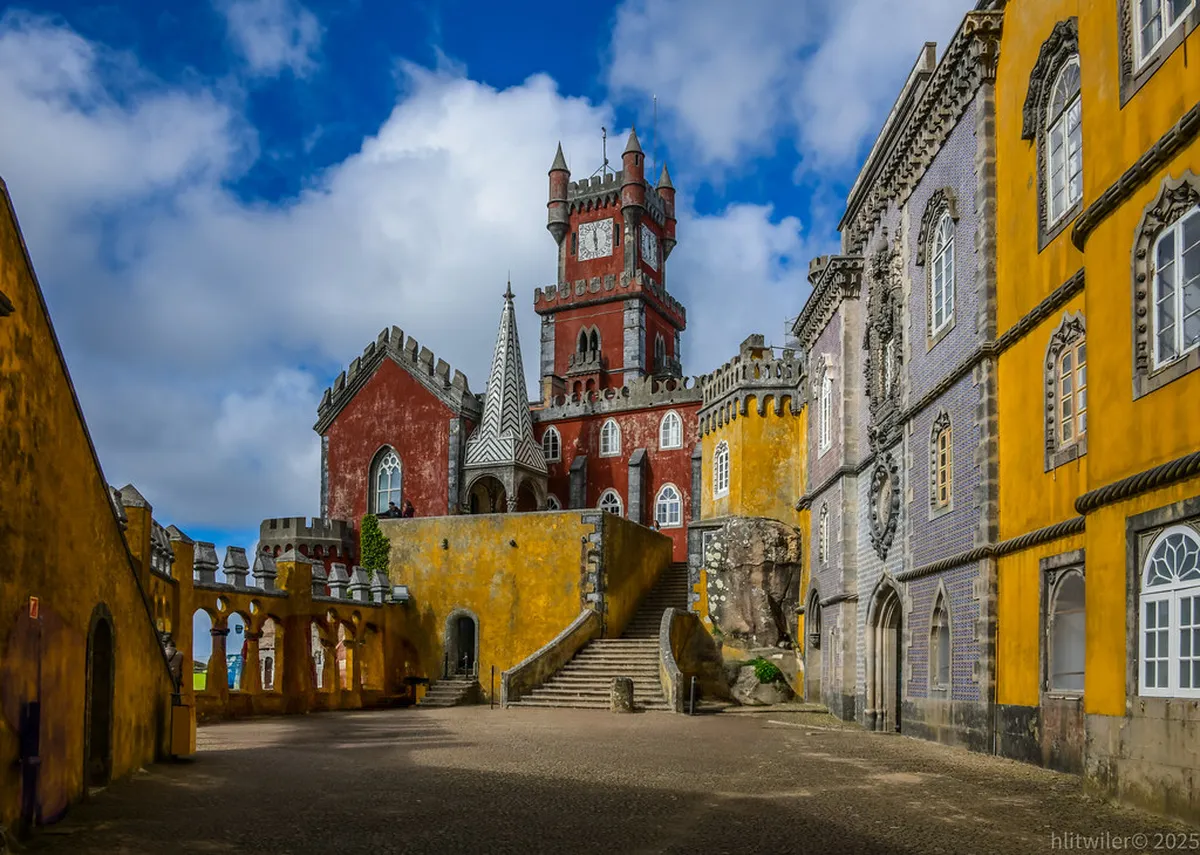
Afonso Henriques, Portugal's first king, was born here. He chose Coimbra as his capital in 1139. This decision cemented Coimbra's place in Portuguese history. The city's strategic location also played a key role. It served as a vital defense point against Moorish invasions. Many medieval structures still stand today.
During the medieval era, Coimbra thrived. Artisans, merchants, and scholars flocked to the city. The narrow, winding streets tell tales of daily life. The city's original walls offered protection. Parts of these ancient fortifications are still visible in 2026. Exploring these areas feels like stepping back in time.
The city's medieval layout remains largely intact. This includes the intricate network of alleys. These old passages connect historical sites beautifully. You can imagine knights and commoners walking these very paths. The history here is truly palpable.
The University of Coimbra: A Legacy of Knowledge
The University of Coimbra is one of Europe's oldest. It was established in 1290 in Lisbon. King Dinis founded this prestigious institution. The university moved permanently to Coimbra in 1537. It occupied the royal palace on Alta Hill.
This relocation transformed Coimbra into a university city. Students arrived from all over Europe. Their presence shaped the city's culture and architecture. The university's influence is evident everywhere. It is a UNESCO World Heritage site since 2013.
The Joanina Library is a university highlight. It is a magnificent baroque library. Construction began in 1717 and finished in 1728. The library houses over 250,000 ancient books. Its opulent interior is a must-see for visitors in 2026.
The Joanina Library draws large crowds, especially in peak season. Entry is timed and ticketed — book your slot in advance online through the University of Coimbra's official site to avoid missing out on this 250,000-book baroque masterpiece.
Students traditionally wear black capes called 'capas'. This tradition continues to this day. You will see students in their distinctive attire. The university's rich academic traditions persist. It remains a vibrant center of learning. Learn more about the University Hill's deep history.
Religious Heritage: Cathedrals and Monasteries
Coimbra Old Town is home to stunning religious sites. The Sé Velha (Old Cathedral) is a prime example. It is one of Portugal's finest Romanesque buildings. Construction began in the 12th century. It served as a significant spiritual center for centuries.
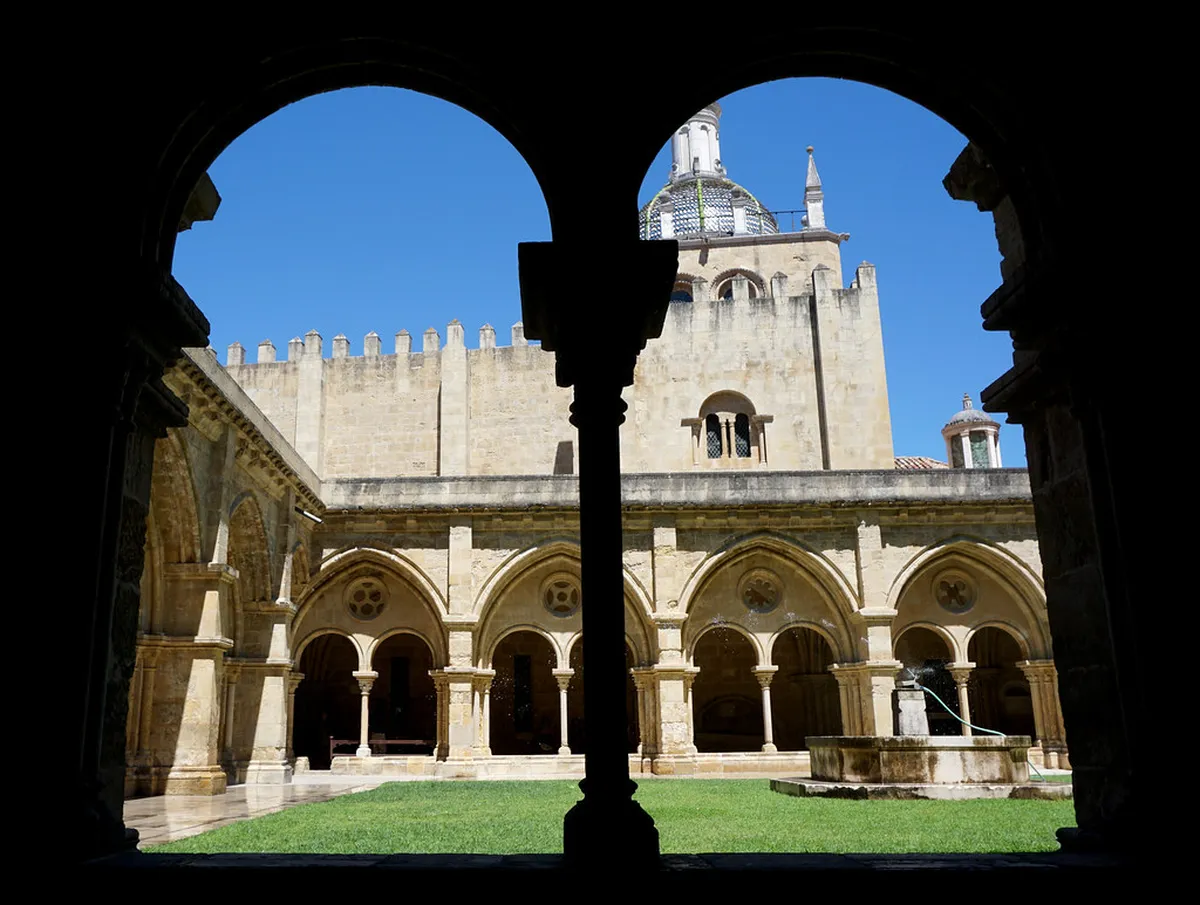
The Sé Velha showcases robust, fortress-like architecture. This design offered protection during conflicts. Its cloisters are peaceful and beautiful. Visitors can admire the intricate carvings. Explore its ancient chapels and rich history. Discover more about Sé Velha's profound past.
The Sé Nova (New Cathedral) was built much later. It originated as a Jesuit church. Construction started in 1593 and finished in 1698. Its facade is a prominent example of Mannerist style. The interior boasts impressive gilded altarpieces. It became the new cathedral in the 18th century.
Santa Cruz Monastery also holds great importance. King Afonso Henriques is buried there. It was founded in 1131 by the Augustinians. The monastery played a crucial role in medieval Portugal. Its beautiful cloisters and detailed tilework impress many. These religious sites are central to Coimbra Old Town history facts.
| Site | Type | Founded / Built | Notable Feature |
|---|---|---|---|
| Sé Velha (Old Cathedral) | Cathedral | 12th century | Portugal's finest Romanesque building; fortress-like design |
| Sé Nova (New Cathedral) | Cathedral | 1593–1698 | Mannerist facade; impressive gilded altarpieces |
| Santa Cruz Monastery | Monastery | 1131 | Burial site of King Afonso Henriques; ornate cloisters and tilework |
| University of Coimbra | University | 1290 (moved 1537) | UNESCO World Heritage site; housed in former royal palace on Alta Hill |
| Joanina Library | Library | 1717–1728 | Baroque interior; over 250,000 ancient books |
Coimbra's Jewish Quarter: A Hidden Past
Coimbra also once had a thriving Jewish community. Their quarter, or 'Judiaria,' was vibrant. It was located near the Old Cathedral. This area features narrow, twisting streets. These characteristics are typical of ancient Jewish neighborhoods.
The Jewish Quarter presence dates back to medieval times. They contributed significantly to the city's commerce. They also played a role in scholarship. Their community thrived for centuries. Many buildings still bear subtle historical markers. Finding these hidden details makes for a fascinating exploration.
The Expulsion Edict of 1496 changed everything. Jews were forced to convert or leave Portugal. This tragic event ended centuries of rich culture. The quarter's identity slowly faded. However, remnants of its past can still be seen in 2026. Look for specific architectural clues during your visit.
The former Jewish Quarter (Judiaria) has no dedicated signage or museum entrance — its historical markers are subtle architectural details embedded in ordinary buildings. Without prior research or a guided tour, it is easy to walk through without recognising its significance.
Today, visitors can walk these historic streets. Imagine the lives of those who lived there. The area provides a deeper understanding. It highlights the diverse past of Coimbra Old Town. Exploring the Jewish Quarter offers a unique historical perspective. It is a vital piece of Coimbra Old Town history facts.
Beyond the Walls: Expansion and Modernity
Coimbra's growth extended beyond its medieval walls. The Baixa Coimbra, or lower town, developed significantly. This area became the commercial hub. Merchants set up shops along its bustling streets. The Baixa reflects the city's economic evolution.
The 18th century brought Pombaline reconstruction. The devastating 1755 earthquake hit Lisbon hard. Coimbra also underwent significant urban changes. Marquis of Pombal initiated architectural reforms. These reforms modernized many Portuguese cities. The Baixa shows some of these planned elements.
The 19th and 20th centuries saw further development. New infrastructure and public spaces emerged. Coimbra adapted to modern needs. However, it always preserved its historical core. The city balances progress with tradition beautifully.
Even in 2026, Coimbra maintains its charm. It blends ancient history with vibrant student life. The city offers a dynamic yet timeless experience. From Roman foundations to university traditions, Coimbra continues to evolve. Yet, its Old Town remains a treasure trove of history.
Frequently Asked Questions
When was Coimbra Old Town founded, and what were its earliest roots?
Coimbra's roots trace back to Roman times. It was a significant settlement called Aeminium. The area gained prominence during the Visigothic period. It became a bishopric in the 6th century. This established its early importance.
The city's strategic location on the Mondego River was key. It facilitated trade and defense. This early history laid the foundation. It set the stage for Coimbra's future as a capital. Its ancient beginnings are fascinating to explore.
What is the significance of the University of Coimbra to the city's history?
The University of Coimbra defines the city's character. It moved permanently to Coimbra in 1537. This transformed Coimbra into a thriving academic center. Students brought new life and culture to the old town.
Its presence shaped architecture and traditions. The university influenced Coimbra for centuries. It remains a central pillar of the city. It attracts scholars and visitors globally. This institution is key to understanding Coimbra Old Town history facts.
Which kings ruled from Coimbra Old Town during its time as Portugal's capital?
Coimbra served as Portugal's capital from 1139 to 1255. King Afonso Henriques made it his first capital. He was Portugal's first king. His successor, King Sancho I, also ruled from Coimbra. Other early monarchs governed from here.
These rulers shaped the nascent Portuguese kingdom. Their decisions from Coimbra were crucial. The city was a center of power. This period is vital to understanding national development.
Are there any hidden gems or lesser-known historical sites in Coimbra Old Town?
Yes, many hidden gems await discovery. Explore the narrow alleys of the former Jewish Quarter. Seek out the small chapels tucked away. Visit the Santa Cruz Monastery for stunning architecture. It is often overshadowed by the cathedrals.
Look for subtle Roman ruins within existing buildings. Engage with local shopkeepers for stories. They often share unique insights. These smaller sites provide rich historical context. They truly enhance your visit to Coimbra.
Coimbra Old Town offers a profound journey through time. From royal beginnings to academic prowess, its history is rich. Explore medieval streets and grand cathedrals. Discover the enduring legacy of this Portuguese treasure. Plan your visit to immerse yourself in Coimbra Old Town history facts. This ancient city promises an unforgettable historical adventure in 2026.
Key Takeaways
- Coimbra was Portugal's first capital, significantly shaping the nation's early history.
- The University of Coimbra, established in 1290, became a permanent fixture in 1537, profoundly influencing the city's character.
- Explore the Sé Velha (Old Cathedral) and Sé Nova (New Cathedral) for stunning religious architecture.
- The hidden Jewish Quarter reveals a lesser-known but vital part of Coimbra's medieval past.
- Balancing ancient traditions with vibrant student life, Coimbra offers a unique cultural experience.
Related reads: historicquarters.com.
Continue exploring Coimbra's historic quarter
 Best Things to Do in Coimbra Old Town in 2026December 13, 2025
- Coimbra Old Town History Facts: Uncover Portugal's PastDecember 13, 2025
 Your Essential Coimbra Old Town Guide for 2026December 12, 2025
 Discover Coimbra Old Town: Your Ultimate Walking Tour GuideDecember 12, 2025
 Aveiro Day Trip from Coimbra: 2026 GuideJune 6, 2026