
Fascinating Coimbra Historical Facts for 2026 Visitors

Table of Contents
Coimbra, Portugal, offers a deep dive into history. This charming city boasts a rich and complex past. Discover fascinating Coimbra historical facts from its Roman beginnings. It was once Portugal's medieval capital. Today, its university is world-renowned.
Understanding Coimbra's heritage enhances any visit. Explore its ancient streets and storied buildings. Prepare to uncover layers of intriguing history. You will love learning about this vibrant city.
Coimbra's Royal Past: Portugal's First Capital
Coimbra held significant royal importance centuries ago. It served as Portugal's capital before Lisbon. This period spanned from 1139 to 1255. Many early Portuguese kings resided here.
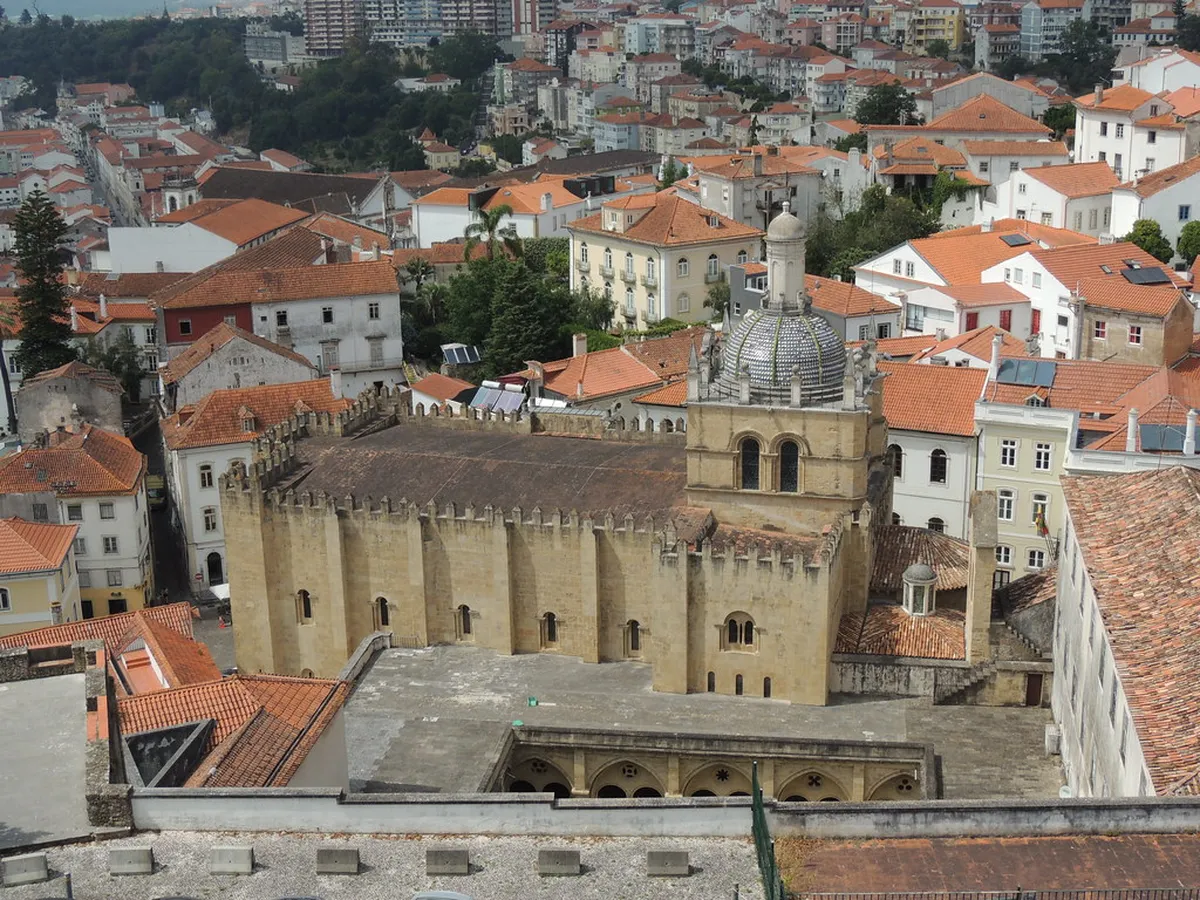
Afonso Henriques, Portugal's first king, was born near Coimbra. He chose the city as his administrative center. This decision solidified its early political power. The Se Velha (Old Cathedral) served as a royal pantheon. It housed tombs of several monarchs.
The Royal Palace of Coimbra was integral to governing. It later became part of the university. This transformation highlights the city's evolving role. The palace site still holds immense historical weight. Its grandeur remains visible in parts today.
Coimbra's strategic location along the Mondego River helped its growth. It was a crucial trade and defense hub. The city's early development shaped its enduring character. These fascinating Coimbra historical facts reveal its foundational role.
The Ancient University of Coimbra: A World Heritage Site
The University of Coimbra is one of Europe's oldest. It was founded in 1290 in Lisbon. King Dinis I established this prestigious institution. It moved permanently to Coimbra in 1537.
This university sits proudly on a hill overlooking the city. It occupies the former Royal Palace. Its Baroque library, the Biblioteca Joanina, is stunning. This library holds over 250,000 ancient volumes.
Students traditionally wear distinctive black capes. These capes are part of the academic tradition. They represent centuries of scholarly pursuit. The university's academic traditions continue strongly in 2026.
The university gained UNESCO World Heritage status in 2013. Its architecture and cultural legacy are significant. Visitors can explore its grand halls and historic courtyards. It remains a vibrant center of learning and culture.
The Biblioteca Joanina inside the University of Coimbra requires a timed entry ticket. Visitor numbers are strictly limited to protect the ancient volumes, so book your slot in advance — especially in summer.
The Tragic Love Story of Pedro and Inês de Castro
Coimbra is home to one of Portugal's most tragic tales. The story of Prince Pedro and Inês de Castro unfolds here. Pedro was heir to the throne. Inês was a noblewoman, lady-in-waiting to his wife.
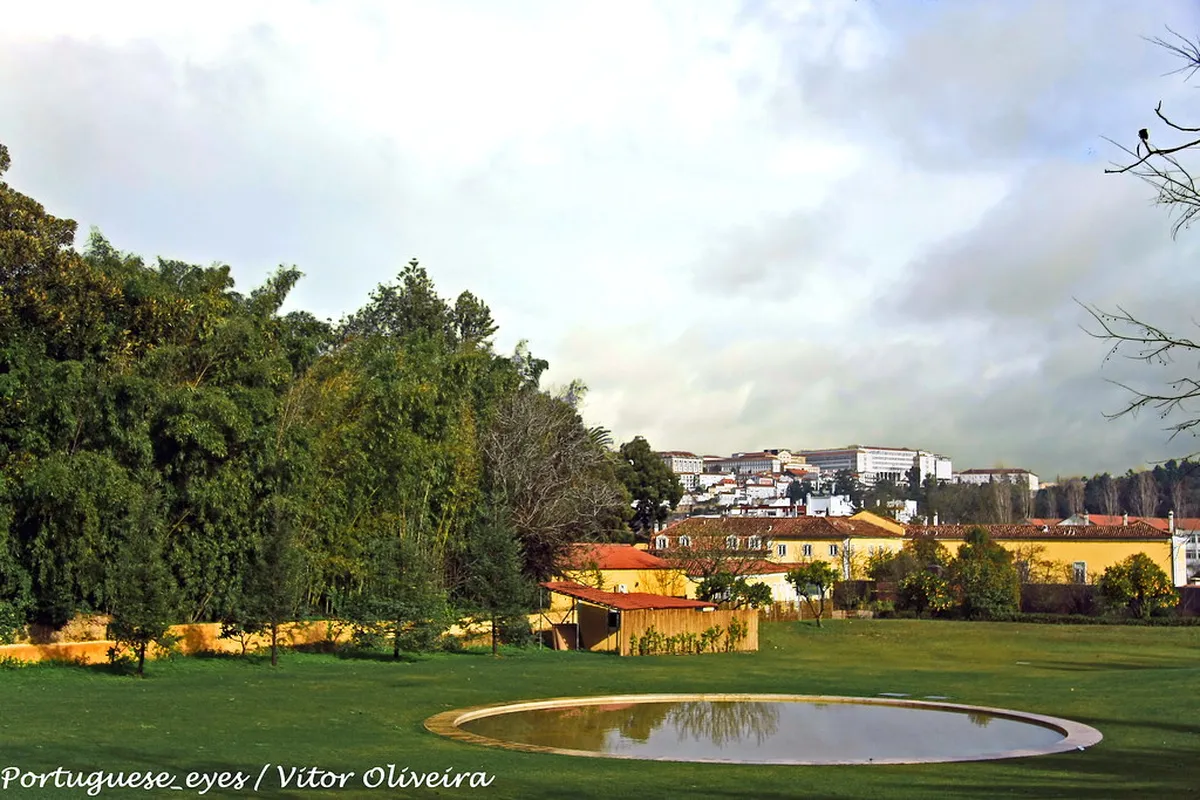
Their forbidden love caused a royal scandal. King Afonso IV, Pedro's father, opposed the union. He feared political complications. Inês was brutally murdered in 1355.
Pedro became king in 1357. He declared he had secretly married Inês. He then exacted a brutal revenge on her killers. He reportedly forced courtiers to kiss her decaying hand.
The Quinta das Lágrimas (Estate of Tears) is their legendary meeting place. Its gardens are said to be watered by Inês's tears. Their tombs lie in the Monastery of Alcobaça. This enduring legend is a key part of Coimbra's historical facts.
Coimbra's Roman Origins and Medieval Defenses
Coimbra's history predates Portuguese nationhood. The Romans established a settlement called Aeminium here. Evidence of Roman presence is still found. Their roads and structures laid the city's foundation.
After the Romans, Visigoths and Moors controlled the area. The Moors fortified the city significantly. They built strong walls and a formidable Alcáçova (fortress). These defenses protected Coimbra for centuries.
The city's medieval walls, or Muralhas de Coimbra, are partly preserved. Sections can be explored today. They offer a glimpse into its past. These walls saw many battles and sieges.
Exploring Coimbra's historic neighborhoods reveals its layers of history. Roman and Moorish influences are evident. The city's layout still reflects its ancient origins. This blend makes Coimbra unique.
Coimbra's medieval walls (Muralhas de Coimbra) are only partly preserved and not all sections are accessible to visitors. Check locally before planning a walking tour specifically around the walls, as some stretches are on private or restricted land.
Religious Heritage: Ancient Monasteries and Cathedrals
Coimbra boasts a rich religious history. Monasteries and cathedrals dominate its skyline. The Se Velha, or Old Cathedral, is a Romanesque masterpiece. Construction began in the 12th century. It resembles a fortress due to its defensive design.
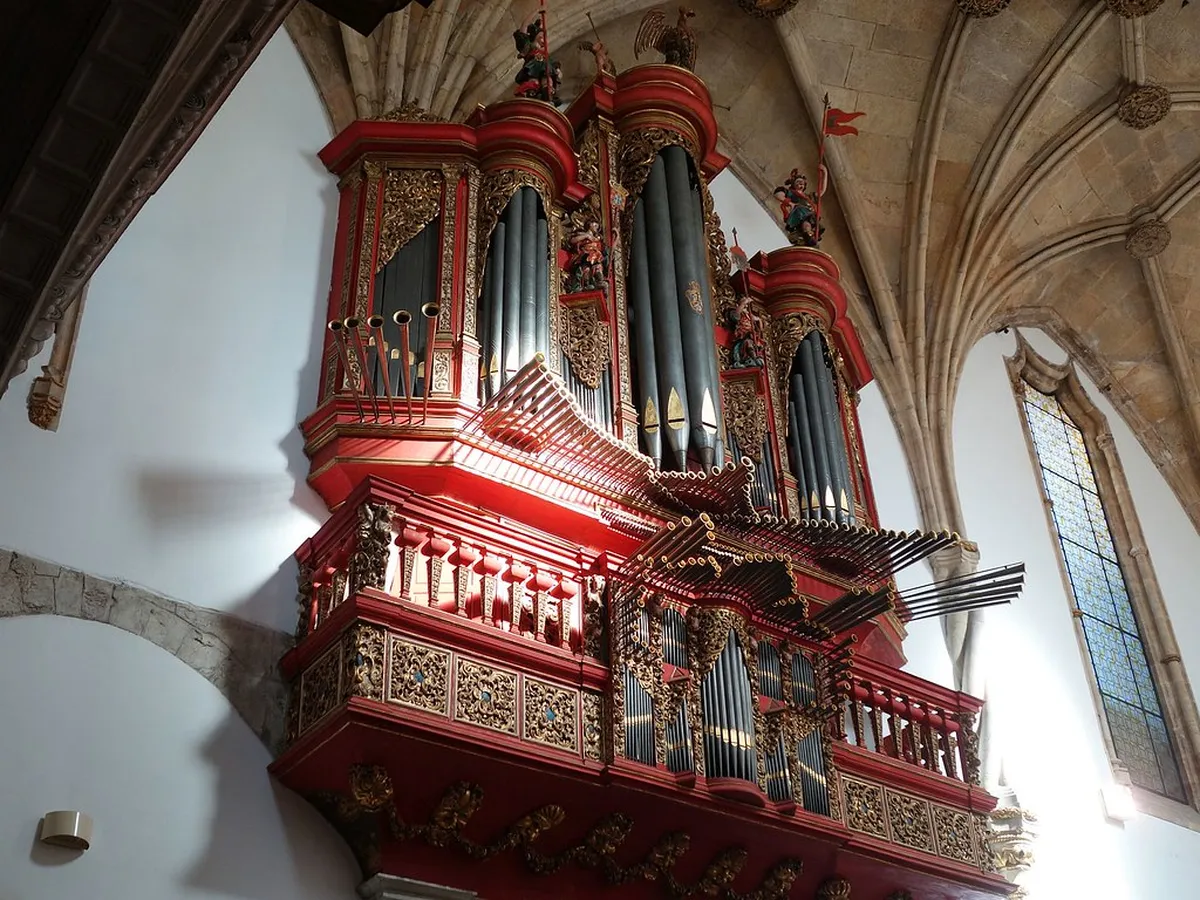
The Sé Nova, or New Cathedral, was built later. It began in 1593 as a Jesuit church. This cathedral showcases Baroque architecture. It now serves as Coimbra's main cathedral. Both cathedrals offer unique insights.
The Monastery of Santa Cruz holds great importance. It dates back to the 12th century. Portugal's first two kings, Afonso Henriques and Sancho I, are buried here. Its intricately carved tombs are magnificent. The monastery reflects Coimbra's deep spiritual roots.
Other religious sites dot the city landscape. They tell stories of faith and devotion. Visiting these sites provides a deeper understanding. They are vital elements of Coimbra historical facts.
| Site | Century Built | Style | Historical Significance |
|---|---|---|---|
| Sé Velha (Old Cathedral) | 12th century | Romanesque | Royal pantheon; tombs of early Portuguese monarchs |
| Sé Nova (New Cathedral) | Founded 1593 | Baroque | Originally a Jesuit church; now Coimbra's main cathedral |
| Monastery of Santa Cruz | 12th century | Manueline / Romanesque | Burial site of Portugal's first two kings, Afonso Henriques and Sancho I |
Frequently Asked Questions
What is Coimbra most famous for historically?
Coimbra is most famous for its ancient university. The University of Coimbra is a UNESCO site. It is one of Europe's oldest continually operating universities. It strongly influences the city's culture and identity.
Was Coimbra ever the capital of Portugal?
Yes, Coimbra served as Portugal's capital for over a century. It was the capital from 1139 to 1255. This period was crucial for the newly forming nation. It played a significant role in early Portuguese history.
What Roman history exists in Coimbra, Portugal?
Coimbra has significant Roman history. It was once the Roman settlement of Aeminium. You can find Roman ruins and artifacts. The city's layout still reflects some Roman influences.
How old is the University of Coimbra?
The University of Coimbra was founded in 1290. It makes it over 730 years old. It is among the oldest universities globally. Its long history is a source of great pride.
Coimbra offers a captivating journey through time. From Roman roots to royal capital status, its past is rich. The historic university continues to shape its identity. Every corner reveals another fascinating Coimbra historical fact.
Plan your 2026 visit to experience this legacy firsthand. Walk its ancient streets and explore its grand monuments. Coimbra promises an unforgettable historical adventure. Immerse yourself in Portugal's vibrant past.
Key Takeaways
- Coimbra was Portugal's first capital from 1139 to 1255.
- The University of Coimbra, founded in 1290, is a UNESCO World Heritage site.
- Explore Roman ruins and medieval walls throughout the city.
- Discover the tragic love story of Pedro and Inês de Castro.
- Visit the Old Cathedral and Santa Cruz Monastery for religious history.
Continue exploring Coimbra's historic quarter
- Fascinating Coimbra Historical Facts for 2026 VisitorsDecember 13, 2025
 Coimbra's Key Historical Events: A Journey Through TimeDecember 13, 2025
 Uncovering Coimbra Historical Facts for Your 2026 VisitDecember 12, 2025
 Coimbra Portugal: An Ancient History Timeline Guide 2026December 11, 2025
 Aveiro Day Trip from Coimbra: 2026 GuideJune 6, 2026