
The Enduring History of Évora's Ancient Aqueduct Guide
Table of Contents
Évora, a UNESCO World Heritage site, boasts incredible history. Among its treasures is the magnificent Água de Prata Aqueduct. This structure tells a story stretching back centuries. It remains a vital part of the city even today. Discover its ancient past and its journey to the present in this 2026 guide. You can find more visiting tips for the Évora Aqueduct here.
Évora's Ancient Water Supply: Roman Influence
Long before the current aqueduct, Évora needed water. Roman engineers provided an early solution. They built an intricate system for the city. Evidence of their original channels still exists today. This Roman legacy set the stage for future projects.
Évora was a significant Roman settlement. Its population required a reliable water source. The Romans mastered hydraulic engineering. Their methods inspired later builders in Portugal. This early infrastructure shaped Évora's development profoundly.
The city's growth depended on fresh water. Roman techniques ensured a steady supply. These ancient systems show remarkable foresight. They highlight the enduring importance of clean water. Understanding this foundation is key to Évora's history.
Building a Renaissance Marvel: The Água de Prata Aqueduct
By the 16th century, Évora needed a new aqueduct. The old Roman channels were no longer enough. King John III commissioned this ambitious project. Construction began in 1531, promising fresh water for all.
Francisco de Arruda designed the new structure. He was a renowned Portuguese architect. Arruda also worked on the Tower of Belém. His expertise shaped the aqueduct's grand scale. The project took several years to complete.
The Água de Prata Aqueduct opened in 1537. It stretched over 18 kilometers, a true engineering feat. It brought water from springs outside the city. The aqueduct features impressive arches and sturdy construction. It showcases distinct architectural styles of the era.
This Renaissance marvel transformed Évora. It provided clean drinking water. It also supplied fountains and public baths. The aqueduct improved public health significantly. Its impact was felt across all social classes.
Water for Évora: The Aqueduct's Vital Role
The Água de Prata Aqueduct played a critical role. It ensured Évora's continued prosperity. Water flowed freely into the city center. Residents no longer depended on distant wells. This access was revolutionary for daily life.
Public fountains became gathering places. They offered both water and community. The aqueduct also supported local industries. Mills and workshops relied on its consistent flow. It powered economic growth within Évora.
The aqueduct became a symbol of progress. It represented Renaissance ingenuity. Its sturdy construction withstood centuries. Even in 2026, parts of it still function. This speaks to its incredible design and craftsmanship.
A Living Monument: The Aqueduct's Modern Story
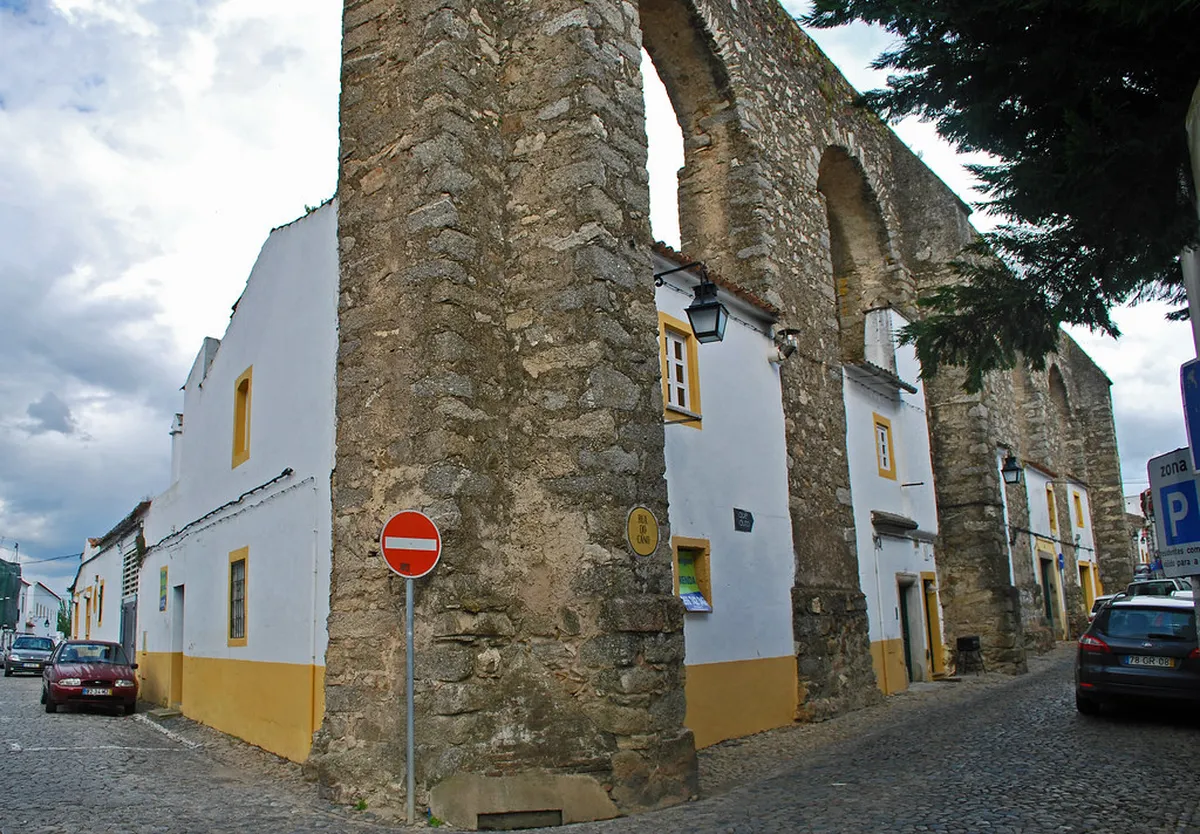
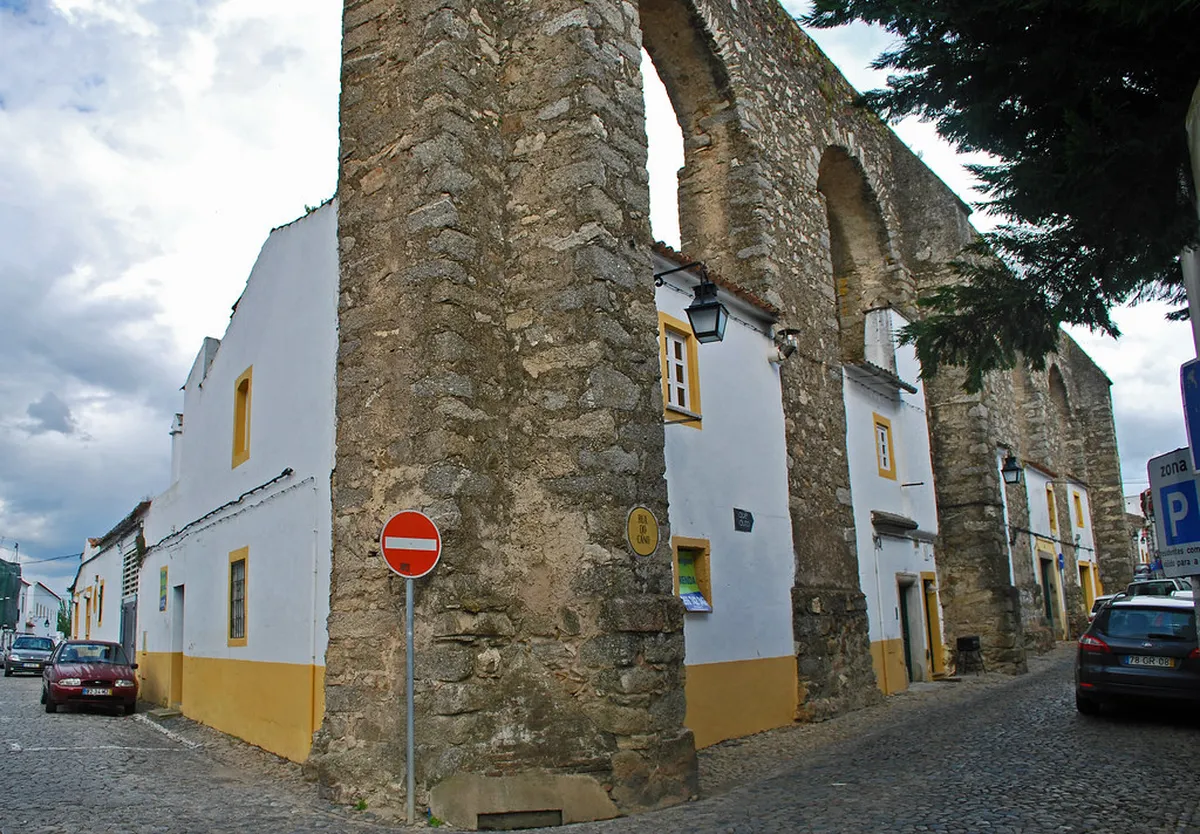
Today, the Évora Aqueduct is a living landmark. Many of its arches remain standing tall. Buildings and houses are integrated into its structure. You can walk beneath and even through its magnificent spans.
Some sections still carry water into the city. Modern pipes now supplement its ancient work. The aqueduct reminds visitors of Évora's past. It shows how history blends with modern life. It's a truly unique urban feature.
The aqueduct is a popular attraction. Visitors enjoy walking along its path. It offers stunning views and photo opportunities. Its presence adds immense character to Évora. This historic structure is a testament to human ingenuity.
Frequently Asked Questions
How old is the Évora aqueduct?
The main Água de Prata Aqueduct dates to the Renaissance. Construction began in 1531 and finished in 1537. However, its inspiration comes from earlier Roman water systems. These Roman elements are much older than the current structure.
Who designed the Évora aqueduct?
The renowned architect Francisco de Arruda designed the Água de Prata Aqueduct. He was a prominent figure in Portuguese Renaissance architecture. Arruda's vision shaped this grand engineering project. His work brought fresh water to Évora's citizens.
Can you walk along the Évora aqueduct?
Yes, you can absolutely walk along parts of the Évora Aqueduct. Many sections are easily accessible. Some parts even have houses built into their arches. For detailed information, check our guide on walking the aqueduct. It's a fantastic way to experience its history up close.
The Évora Aqueduct, Água de Prata, is more than just stone. It represents centuries of innovation and resilience. From Roman inspiration to Renaissance mastery, its history is captivating. This structure remains a defining feature of Évora. Plan your visit in 2026 to see this incredible landmark yourself. Experience the rich past of this UNESCO city.
Key Takeaways
- The Évora Aqueduct, Água de Prata, was built between 1531-1537.
- Architect Francisco de Arruda designed this Renaissance marvel.
- It replaced older Roman water supply systems.
- Parts of the aqueduct still carry water and are integrated into city life.
- Walking along its accessible sections offers a unique historical experience.
Continue exploring Evora's historic quarter
 Discover Évora Aqueduct: Your 2026 Visiting Tips GuideDecember 13, 2025
 Évora Aqueduct Walk Details: Discover This Ancient PathDecember 10, 2025
- The Enduring History of Évora's Ancient Aqueduct GuideDecember 10, 2025
 Top Accessible Hotels in Évora Center for 2026December 13, 2025
 Best Boutique Hotels Évora Center for Your 2026 StayDecember 13, 2025