
Évora Historic Architecture Styles: A 2026 Guide
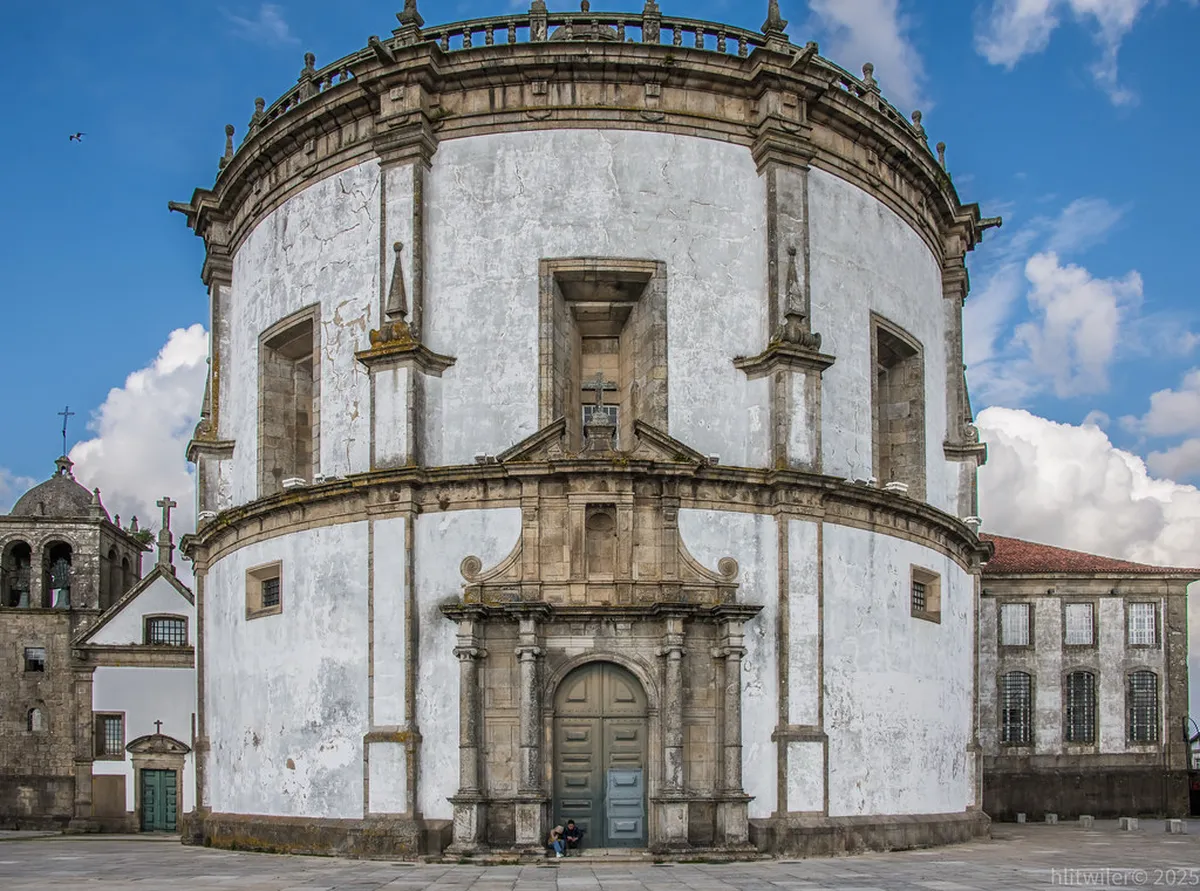
Table of Contents
Évora, Portugal, offers a captivating journey through time. Its rich history unfolds in diverse architectural styles. Exploring Évora's historic architecture styles reveals centuries of influences. This UNESCO World Heritage site is a true open-air museum.
Each building tells a unique story of its past. Roman, Moorish, Gothic, and Manueline elements blend beautifully. Prepare to be enchanted by its enduring charm. Discover the heart of Portugal's architectural heritage. Plan your visit to Évora's historic center in 2026.
Ancient Roman Foundations in Évora
Évora's architectural story begins with the Romans. The magnificent Roman Temple stands as a testament. It dates back to the 1st century AD. This iconic structure anchors the city's ancient past.
The temple features Corinthian columns and a raised platform. It once honored Emperor Augustus. Later, it served various purposes through history. Its preservation offers a glimpse into Roman rule.
Beyond the temple, Roman traces appear. Parts of the ancient city walls remain. These foundations shaped Évora's urban layout. Discover these enduring Roman contributions by reading more Roman Temple facts.
The city's aqueduct, the Água de Prata, also has Roman origins. While largely Renaissance, its path follows an ancient route. Consider visiting this impressive water system. It showcases Roman engineering brilliance.
Moorish Influence and Islamic Artistry
Following Roman rule, the Moors arrived in Évora. They brought distinctive architectural traditions. Évora became a vibrant Moorish city. Islamic influence profoundly shaped its character.
Moorish architecture emphasized intricate details. Look for geometric patterns and horseshoe arches. Courtyards provided cooling and privacy. These elements are still visible in parts of the city.
Many houses in Évora's old town show Moorish layouts. Narrow, winding streets characterize the area. These designs were functional and beautiful. They adapted well to the local climate.
Visit the Mouraria neighborhood to see remnants. Some buildings feature beautiful glazed tiles. These 'Azulejos' often display Moorish inspiration. They add vibrant color to the city's old buildings.
Gothic Grandeur and the Cathedral
The Christian Reconquista brought Gothic architecture. This style is evident in Évora's impressive Cathedral. Construction began in the 12th century. It took many centuries to complete.
The Évora Cathedral showcases early Gothic features. Its imposing facade dominates the cityscape. Look for rose windows and pointed arches. The interior provides a sense of vastness.
Climb to the cathedral's rooftop for views. You can see the city's diverse architecture. Admission costs around €5-€7 for adults. The bell towers offer spectacular panoramic vistas. Get ready for your Évora Cathedral visit guide.
The cathedral blends Gothic with later additions. Romanesque elements are also present here. Its cloisters offer peaceful reflection. It remains a key example of Évora's historic architecture styles.
Manueline Splendor and Royal Patronage
Portugal's Age of Discoveries fueled the Manueline style. This distinctively Portuguese Gothic emerged. It flourished under King Manuel I. Évora received many Manueline flourishes.
Look for maritime motifs and intricate carvings. Armillary spheres and ropes adorn doorways. These symbols celebrate naval exploration. They showcase Portugal's golden age.
The Royal Palace of São Francisco has Manueline details. The Palace of the Dukes of Cadaval also displays elements. Évora's university chapel is another example. These buildings reflect royal influence.
The Church of São Francisco features Manueline touches. Its famous Chapel of Bones is nearby. While grim, it's a unique architectural experience. The church itself exhibits this ornate style beautifully.
Renaissance and Baroque Adaptations
The Renaissance brought classical ideals to Évora. Symmetry, proportion, and order became prominent. New public buildings adopted these styles. The Évora University is a prime example.
The university courtyard reflects Renaissance design. It features elegant arcades and open spaces. Its construction began in the 16th century. It embodies intellectual and artistic rebirth.
Baroque elements added drama and ornamentation. You can find elaborate altarpieces in churches. These intricate designs appeared in the 17th and 18th centuries. They signify Évora's ongoing architectural evolution.
Many stately homes exhibit these later styles. They show a blend of classical and ornate features. Explore these hidden gems around the city. Évora's historic architecture styles tell a complete story.
Frequently Asked Questions
What are the most prominent Évora historic architecture styles?
Évora proudly showcases Roman, Moorish, Gothic, and Manueline styles. Renaissance and Baroque elements are also visible. This rich blend reflects centuries of history. Each period left its indelible mark.
Where can I best see Roman architecture in Évora?
The Roman Temple of Évora is the finest example. You can also find remnants of the city walls. Exploring the historic center reveals more traces. Évora's ancient Roman ruins are a must-see.
How does Moorish architecture influence Évora's buildings?
Moorish influence is seen in Évora's street layouts. Narrow alleyways and some building structures remain. Look for traditional white-washed houses. The Mouraria neighborhood offers insights.
Is Évora's architecture recognized internationally for its significance?
Yes, Évora's historic center is a UNESCO World Heritage site. This designation highlights its architectural importance. It protects the city's unique heritage. Visit to understand its global significance.
What is the best way to experience Évora's architecture in 2026?
Walking tours are highly recommended for 2026 visitors. Many guides specialize in architecture history. Consider a self-guided stroll with a map. Allow plenty of time to explore each unique style.
Évora's historic architecture styles offer a profound journey. From Roman temples to Manueline masterpieces, the city delights. Each era contributed unique designs and stories. Plan your 2026 visit to experience this heritage. Immerse yourself in Portugal's captivating architectural tapestry.
Key Takeaways
- The Roman Temple is crucial for ancient history insights.
- Moorish influence shaped Évora's distinct street design and details.
- The Gothic Cathedral is Évora's grandest and most enduring structure.
- Manueline style showcases Portugal's Age of Discovery through intricate motifs.
- Explore Évora's historic center on foot for the best architectural experience.
Continue exploring Evora's historic quarter
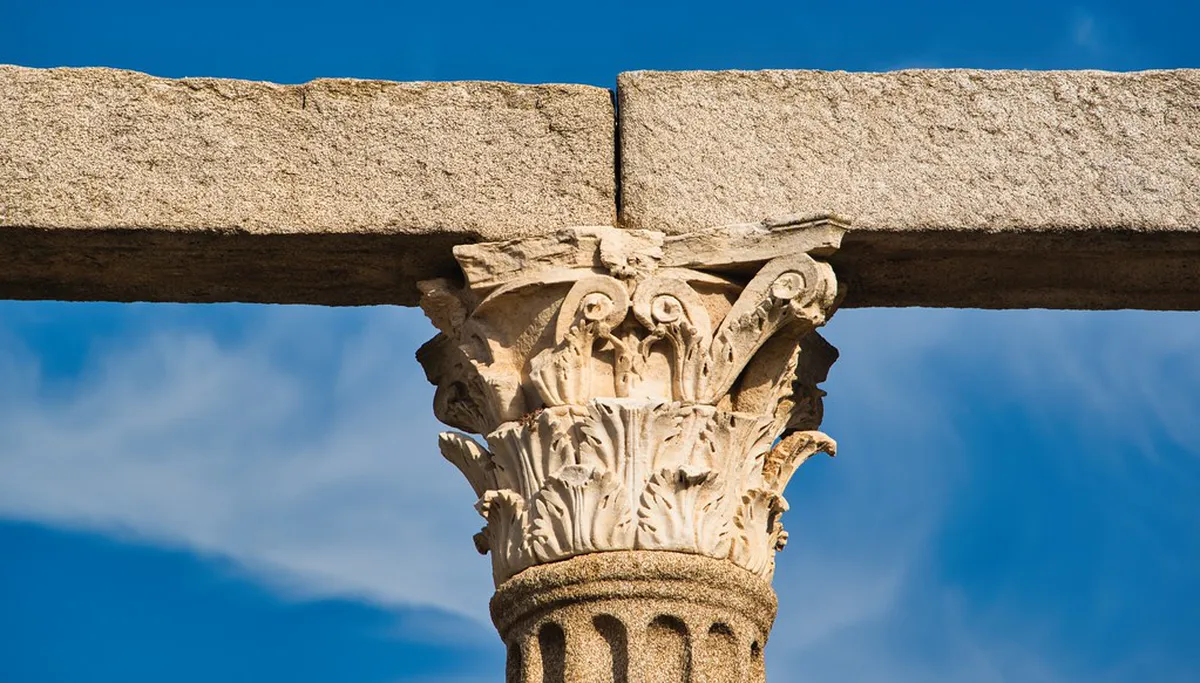 Discover Évora Romanesque Architecture FeaturesDecember 13, 2025
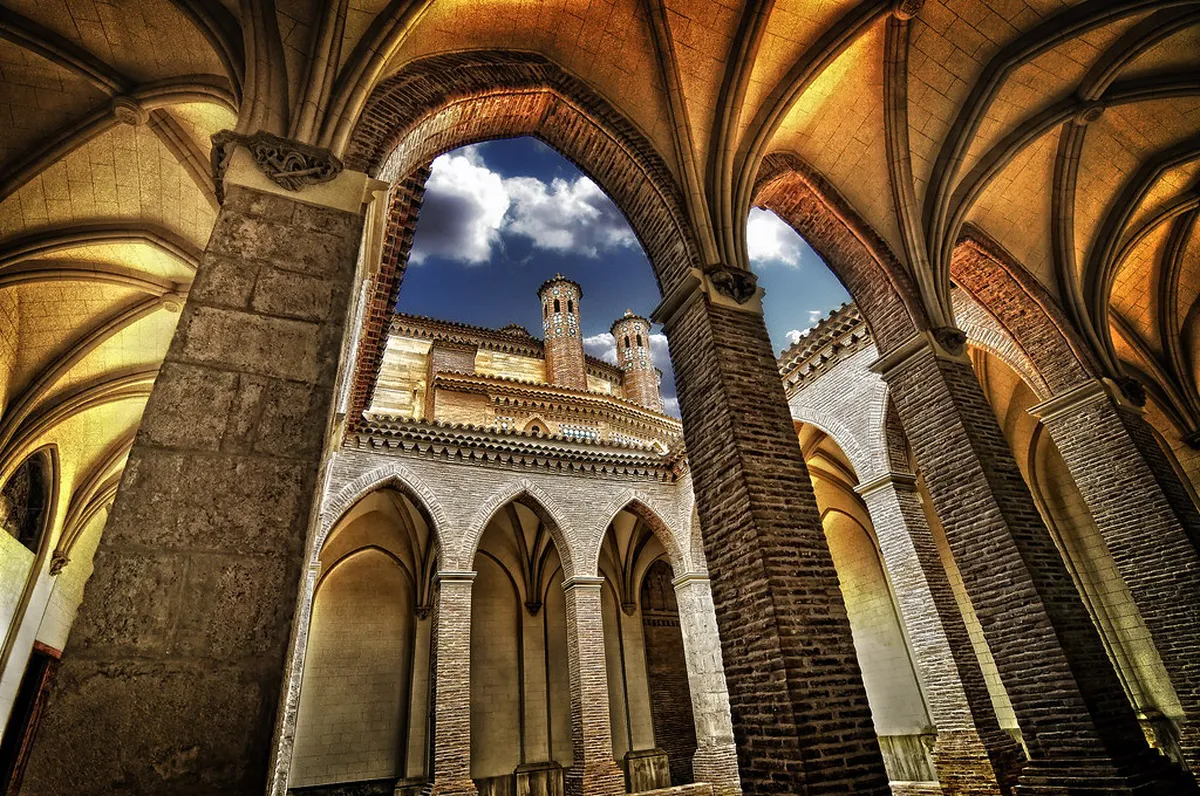 Moorish Tiles Évora: Old Buildings & History GuideDecember 13, 2025
- Évora Historic Architecture Styles: A 2026 GuideDecember 12, 2025
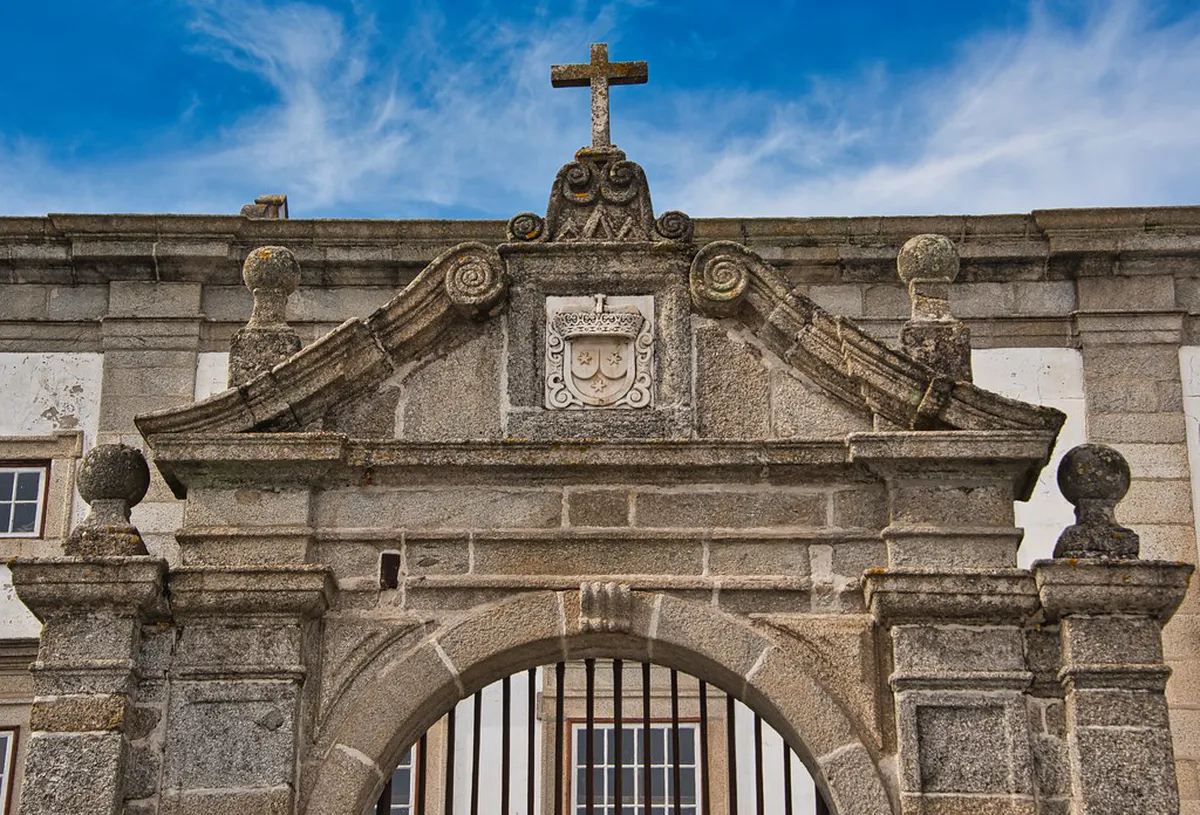 Top Accessible Hotels in Évora Center for 2026December 13, 2025
 Best Boutique Hotels Évora Center for Your 2026 StayDecember 13, 2025