
Évora Roman Temple Facts: History, Visit & Tips for 2026
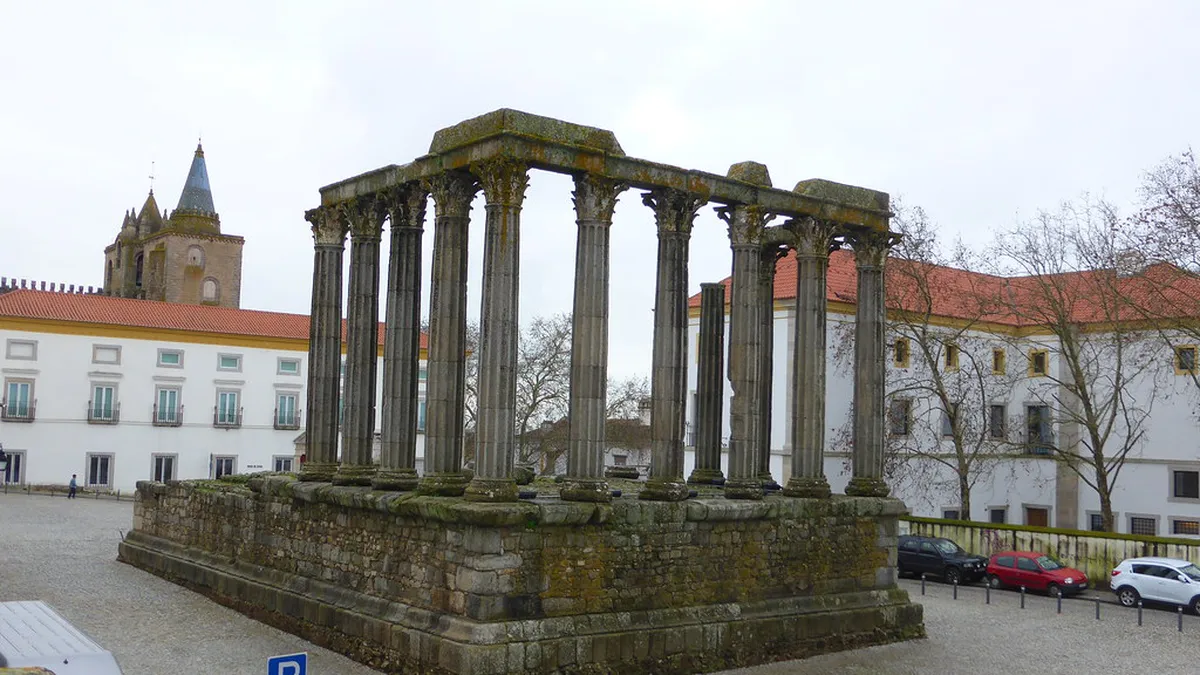
Table of Contents
Évora, Portugal, boasts incredible ancient treasures. The Évora Roman Temple is a true Roman marvel. It offers fascinating Évora Roman Temple facts to explore. Plan your unforgettable visit for 2026 with this comprehensive guide.
The Temple of Diana: Évora's Timeless Roman Legacy
Standing proudly in Évora's historic center, this temple is iconic. Many locals and visitors call it the Temple of Diana. This name is actually a misnomer from the 17th century. Its true dedication remains unknown to historians.
Archaeologists believe construction began in the 1st century AD. It honored Emperor Augustus during his reign. The temple served as a significant public building. It showcased Roman power and influence in the region.
Over centuries, the temple saw many transformations. It functioned as a fort during the medieval period. Later, it became a slaughterhouse and even a theatre. These varied uses helped preserve its structure remarkably.
The temple is a UNESCO World Heritage site since 1986. This recognition highlights its universal value. It stands as one of the best-preserved Roman monuments in Portugal. Learn more about Évora's UNESCO World Heritage status here.
Architectural Wonders and Surviving Temple Elements
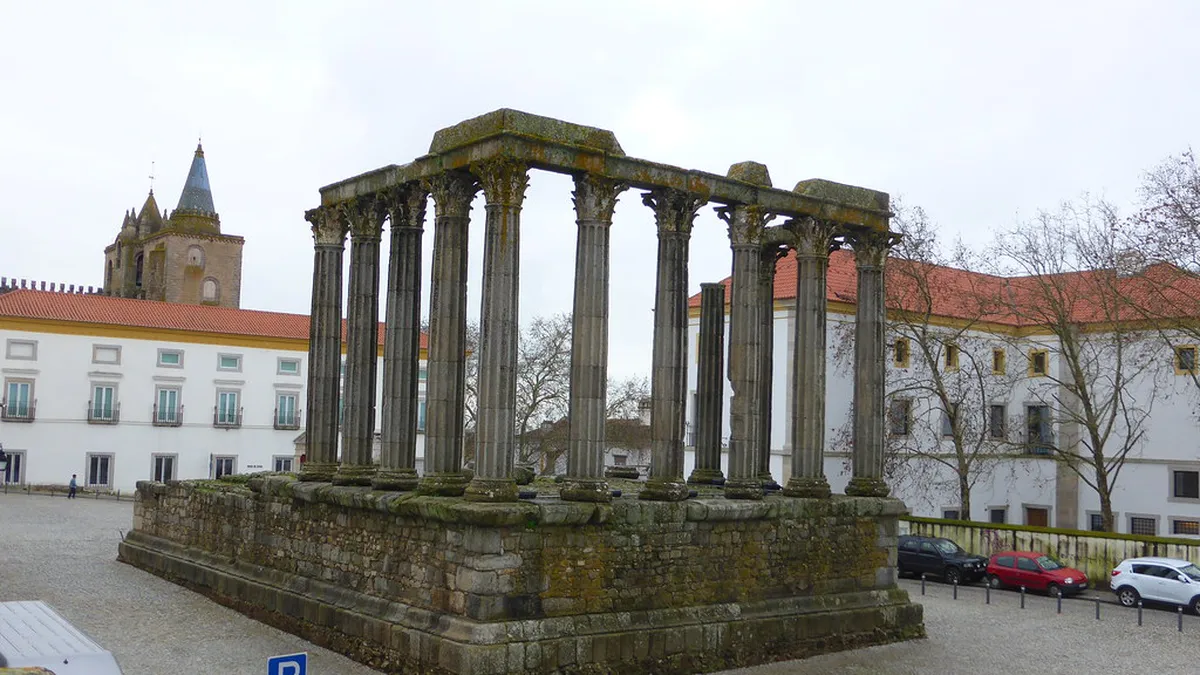
The temple features a classical peripteral design. This means columns surround its central cella, or inner chamber. You can admire 14 Corinthian columns still standing today. They are crafted from local Estremoz marble.
The column shafts are fluted and rise elegantly. Each capital showcases intricate acanthus leaf carvings. These details represent typical Roman Corinthian style. The temple rests on a sturdy granite podium.
Visitors can observe the platform's robust construction. The large granite blocks have stood for nearly two millennia. While the roof and cella walls are gone, the columns remain. They offer a vivid glimpse into Roman engineering.
Modern preservation efforts protect these ancient ruins. Experts work continuously to stabilize the structure. Their work ensures this historical gem lasts for future generations. Photography is encouraged to capture its enduring beauty.
Évora Roman Temple Facts: What to See and Know
The Évora Roman Temple is freely accessible to all. You can visit the exterior at any time of day or night. There is no entrance fee required. It remains an open-air historical attraction.
Take time to walk around the entire structure. Observe the various angles and details of the columns. Notice the different materials used in its construction. The lighting changes create distinct views throughout the day.
The temple sits near other major Évora attractions. The imposing Évora Cathedral is just a short walk away. The Évora Museum also stands close by. Consider a combined visit to these historical sites.
For a deeper dive, consider a guided tour in 2026. Local guides share captivating stories and insights. They can highlight specific architectural features. Explore Évora Cathedral's impressive history during your trip.
Planning Your Visit to Évora's Ancient Roman Ruins
The temple is located in Largo do Conde de Vila Flor. This central square is easy to find. It is just a short walk from Praça do Giraldo. Follow signs for 'Templo Romano' within the city.
Évora is a compact city, perfect for walking. Wear comfortable shoes for exploring its cobblestone streets. Parking is available outside the historic center. Public transport within the city is limited.
The best time to visit Évora is during spring or fall. Temperatures are mild, and tourist crowds are smaller. Summer brings warmer weather and more visitors. Winter offers a quieter, yet still charming, experience.
Remember to bring water, especially during summer months. Sunscreen is also advisable year-round. Plan for an hour to fully appreciate the temple and its surroundings. For more details, consult our complete guide to visiting the Roman Temple in Évora.
Beyond the Temple: Roman Évora's Enduring Legacy
The Roman Temple is not Évora's only Roman remnant. The city also features parts of its ancient aqueduct. This impressive structure brought water to the city. Sections are still visible around the urban landscape.
Évora's ancient city walls also have Roman origins. Though largely rebuilt, their foundations show Roman influence. These walls protected the city for centuries. They represent different eras of fortification.
Roman presence shaped Évora significantly. Its grid-like street plan in some areas reflects Roman urban design. The city flourished as a Roman administrative center. This rich history makes Évora a fascinating destination.
Discover other fascinating ancient Roman ruins in Évora. The city offers a journey through time. Its history extends far beyond the well-known temple. Each corner holds a piece of the past.
Frequently Asked Questions
What is the true name of the Évora Roman Temple?
While commonly called the Temple of Diana, this name is inaccurate. Its true dedication remains a mystery to historians. It was likely dedicated to Emperor Augustus. The common name arose from a 17th-century misinterpretation.
Does it cost money to visit the Roman Temple in Évora?
No, there is no entry fee for the Évora Roman Temple. It is an open-air monument. Visitors can view the temple's exterior at any time. It sits in a public square, accessible to everyone.
Can visitors go inside the Évora Roman Temple?
Visitors cannot enter the inner chamber or walk among the columns. The temple is viewed from the outside only. Barricades protect the ancient structure. This ensures its preservation for future generations.
What other historical sites are near the Évora Roman Temple?
The temple is centrally located within Évora's historic district. You can find the Évora Cathedral nearby. The Évora Museum is also just steps away. Explore the charming historic center of Évora for more attractions.
The Évora Roman Temple provides a profound link to ancient history. Its surviving columns tell a story of Roman grandeur. These Évora Roman Temple facts highlight its enduring legacy. Plan your 2026 trip to witness this incredible monument. Experience Évora's rich historical tapestry firsthand.
Key Takeaways
- The Évora Roman Temple is misnamed 'Temple of Diana' but dedicated to Emperor Augustus.
- It's a free, open-air site, always accessible for viewing from its exterior.
- The temple is a UNESCO World Heritage site and a prime example of Roman architecture.
Continue exploring Evora's historic quarter
 Visit Évora Roman Temple: Your Essential 2026 GuideDecember 13, 2025
- Évora Roman Temple Facts: History, Visit & Tips for 2026December 12, 2025
 Roman Temple Évora Opening Hours & Visiting Guide 2026December 11, 2025
 Top Accessible Hotels in Évora Center for 2026December 13, 2025
 Best Boutique Hotels Évora Center for Your 2026 StayDecember 13, 2025