
Évora's Ancient Roman Ruins: A Historic Journey
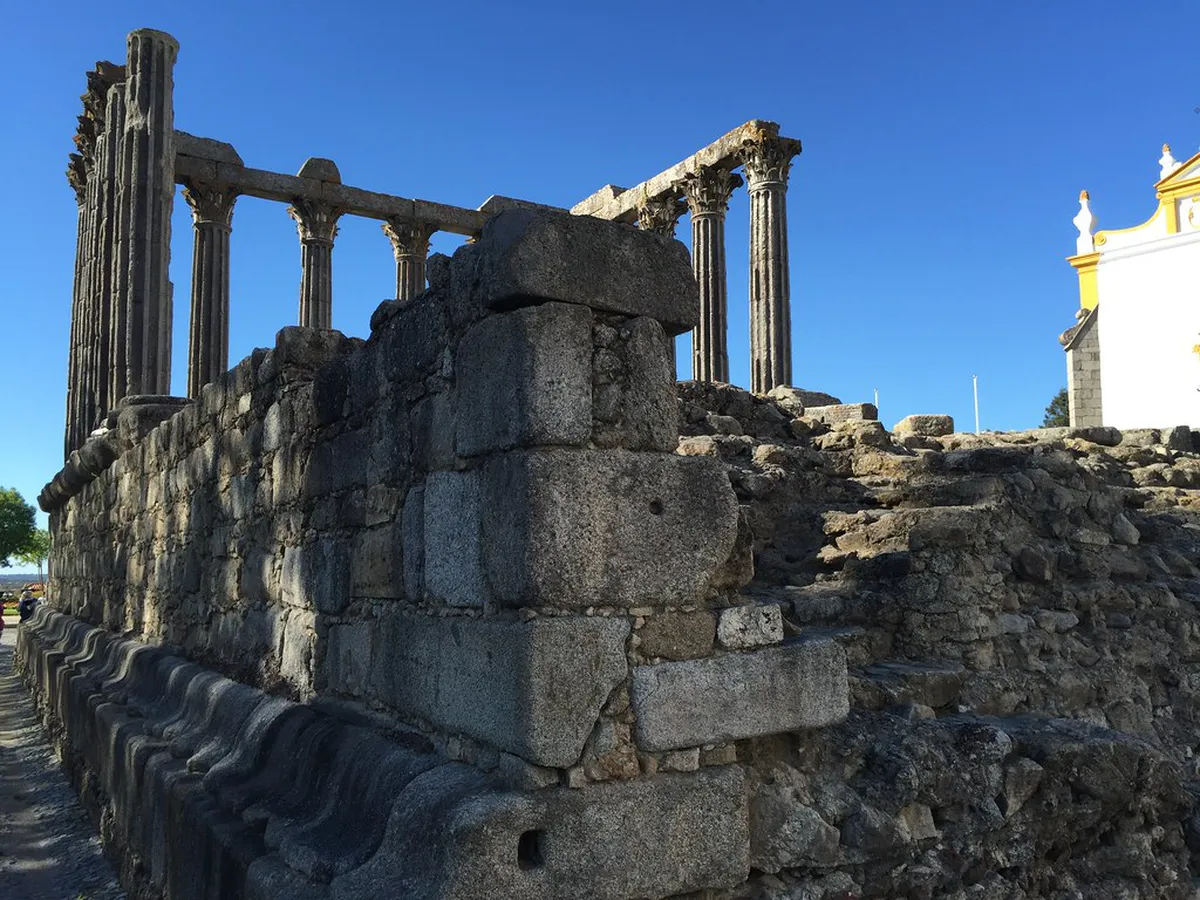
Table of Contents
Évora, a UNESCO World Heritage city, boasts incredible ancient Roman ruins. These historical treasures offer a glimpse into its rich past. Visitors in 2026 can explore centuries of Roman influence. This guide helps you discover Évora's most compelling Roman sites.
The city's strategic location made it vital for the Roman Empire. Roman engineers and architects left lasting legacies here. Discover temples, baths, and aqueducts across Évora. Prepare for an unforgettable journey through time.
The Iconic Évora Roman Temple
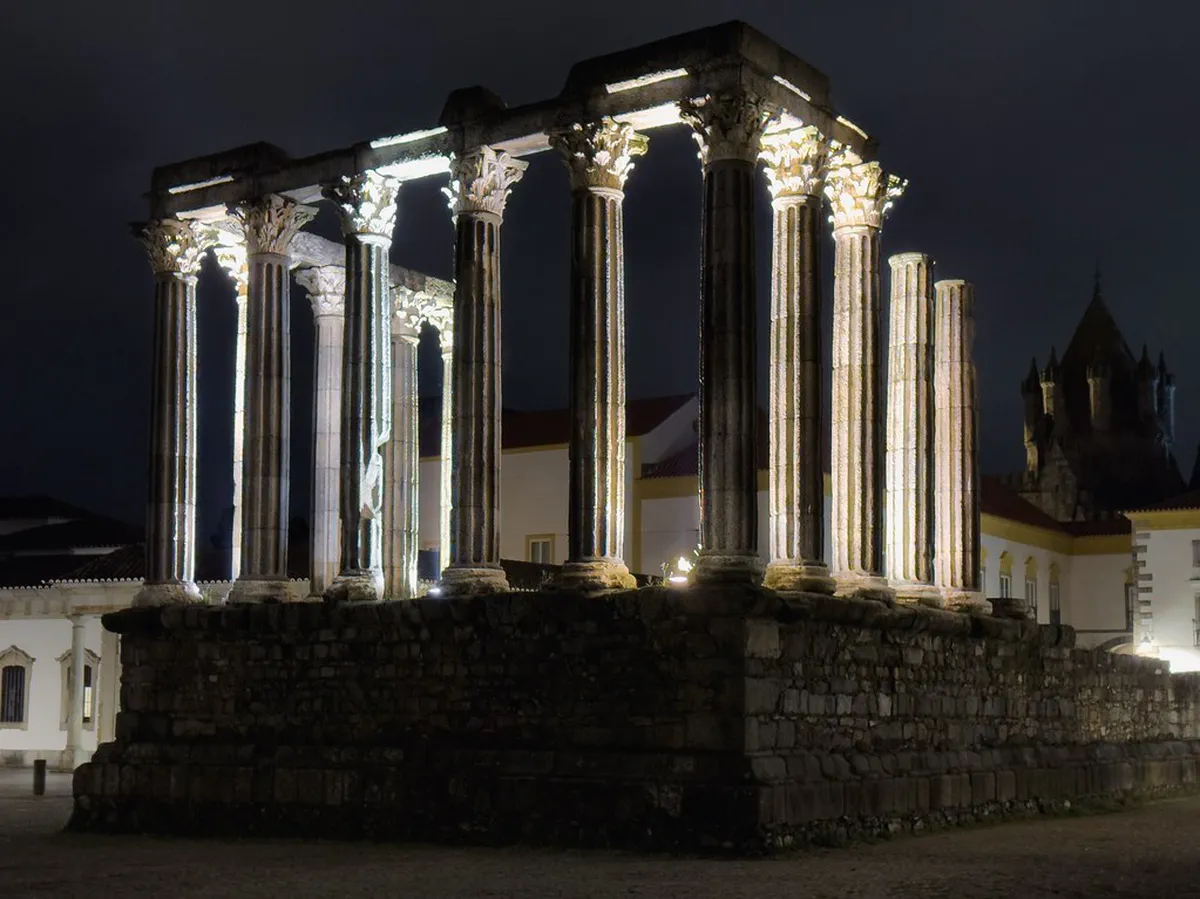
The Temple of Diana stands as Évora's most famous Roman ruin. It is often misnamed, but its Roman origins are clear. This majestic structure dates back to the 1st century AD. It proudly sits at the city's highest point.
Its grand Corinthian columns impress all who visit. The temple was likely dedicated to Emperor Augustus. Over time, it served many purposes. It became a fortress, then a butcher's shop. Today, its enduring beauty captivates tourists. Learn more about the Évora Roman Temple facts here.
Admission to the temple complex is free for all visitors. You can walk around its perimeter daily. Consider visiting early in the morning. Fewer crowds allow for better photographs. Nearby cafes offer refreshing breaks.
Uncovering Évora's Roman Baths
Beyond the famous temple, Évora hides Roman baths. These ancient public baths were discovered recently. They lie beneath Évora's Town Hall building. Their existence reveals daily Roman life.
Visitors can explore the bath complex's different rooms. You will see the frigidarium (cold room) and tepidarium (warm room). The laconicum (hot dry room) also remains. These insights bring Roman culture to life. Discover more about exploring Évora Roman bath ruins for yourself.
The Roman Baths are usually open during municipal office hours. It is best to confirm visiting times online. Entry typically costs a small fee. Guided tours provide deeper historical context. Allow about 30-45 minutes for your visit.
The Mighty Évora Aqueduct of Silver Water
The Aqueduto da Água de Prata is an impressive Roman legacy. This 'Aqueduct of Silver Water' still supplies water today. It stretches for nine kilometers. The aqueduct brought fresh water into Évora for centuries.
Its monumental arches dominate the landscape. You can walk along parts of its route. Some sections pass right through the city. Houses and shops are built directly into its arches. This unique sight blends ancient and modern life.
Accessing the aqueduct is free of charge. Start your walk near the city walls. The aqueduct offers fantastic photo opportunities. Consider a leisurely stroll in the late afternoon. This is a great way to experience Roman engineering. For more visiting tips, check out our guide to the Évora Aqueduct.
Évora's Roman Walls and Other Sites
Évora's ancient city walls have Roman foundations. Though largely medieval, their origins are Roman. These defensive structures protected the city. You can walk atop sections of these historic walls.
Several less prominent Roman sites dot Évora. Roman villas existed outside the city center. Archaeological digs sometimes uncover new artifacts. Keep an eye out for informational plaques around the city.
Exploring these additional sites enriches your understanding. A comprehensive visit reveals Évora's deep Roman roots. Consider a self-guided tour with a map. Our guide to Évora's ancient city walls provides more details. It offers a broader view of the city's ancient defenses.
Planning Your Évora Roman Ruins Adventure
The best time to visit Évora is during spring or fall. March to May and September to November offer pleasant weather. Temperatures are mild, perfect for walking. You will also experience fewer tourist crowds.
Most Roman sites are within Évora's historic center. This area is easily walkable. Wear comfortable shoes for exploring cobblestone streets. Allow a full day to properly visit all major Roman attractions.
Consider booking a local guide for deeper insights. They can share fascinating stories and hidden details. Guided tours often cover multiple sites efficiently. Many local companies offer walking tours. Find more information in a comprehensive Évora Historic Center Guide.
Public transport is limited within the old town. Taxis are available outside the city walls. Renting a car is not necessary for central Évora. Plan your itinerary to group nearby attractions. This maximizes your exploration time.
Frequently Asked Questions
What is the most famous Évora ancient Roman ruin?
The most famous Évora ancient Roman ruin is the Temple of Diana. It is also known as the Roman Temple. This iconic structure sits prominently in the city center. It dates back to the 1st century AD.
Can you visit the Évora Roman Baths?
Yes, you can visit the Évora Roman Baths. They are located beneath the Town Hall building. Access typically requires a small entrance fee. Check current opening hours before your visit.
How long should I allocate to see Évora's Roman sites?
You should allocate at least half a day for Évora's main Roman sites. This includes the Temple, Baths, and parts of the Aqueduct. A full day allows for a more leisurely exploration. It also provides time for other historic areas.
Are there guided tours for Évora's ancient Roman ruins?
Yes, several local companies offer guided tours of Évora's Roman ruins. These tours provide in-depth historical context. They often combine Roman sites with other city highlights. Booking in advance is recommended, especially in peak season.
Is there a cost to visit the Évora Roman Temple?
No, there is no cost to visit the Évora Roman Temple. You can freely explore the exterior. The surrounding area is also open to the public. It's one of Évora's best free attractions.
Évora's ancient Roman ruins tell a compelling story. From the majestic Temple of Diana to the impressive Aqueduct, history surrounds you. These sites offer a profound connection to the past. They showcase remarkable Roman engineering and culture.
Plan your 2026 visit to Évora and step back in time. Discover the enduring legacy of the Roman Empire. These incredible historical gems await your exploration. Enjoy your journey through this captivating Portuguese city.
Key Takeaways
- Prioritize the Roman Temple, Aqueduct, and Baths for your visit.
- Wear comfortable shoes; Évora's historic center is best explored on foot.
- Visit during spring or fall for ideal weather and fewer crowds.
Continue exploring Evora's historic quarter
 Exploring Évora Roman Bath Ruins in 2026December 13, 2025
- Évora's Ancient Roman Ruins: A Historic JourneyDecember 12, 2025
 Exploring Roman Sites in Évora Beyond the TempleDecember 10, 2025
 Top Accessible Hotels in Évora Center for 2026December 13, 2025
 Best Boutique Hotels Évora Center for Your 2026 StayDecember 13, 2025