
Exploring Évora Roman Bath Ruins in 2026
Table of Contents
Évora, a UNESCO World Heritage site, hides incredible Roman treasures. Among them are the lesser-known Évora Roman Bath ruins. These ancient public baths offer a glimpse into Roman daily life. They are a must-see for history enthusiasts in 2026. Uncover this fascinating part of Portugal's past.
These ruins sit remarkably beneath Évora's City Hall. They showcase advanced Roman engineering and culture. Prepare to step back in time. Learn about the Roman presence in this historic Alentejo city. Évora's rich history extends far beyond its famous Roman Temple.
Location and Discovery of the Baths
The Évora Roman Baths are situated uniquely. They lie beneath the current city hall building. This central location highlights Roman Évora's importance. Their discovery was quite accidental. Work on the city hall in the 1980s revealed these ancient structures.
Excavations uncovered an impressive Roman complex. It shows the sophistication of Roman urban planning. The baths served as a social and hygienic hub. Their presence confirms Évora's significant role in Roman Lusitania. This site adds much to Évora's ancient story.
Finding these baths under a modern building is truly remarkable. It represents layers of history. Visitors can now explore these ruins easily. They are accessible from within the city hall itself. This makes for a convenient and surprising visit.
A Glimpse into Roman Bath Culture
Roman baths were vital centers for public life. They were places for bathing, socializing, and exercise. The Évora Roman Bath ruins demonstrate this clearly. You can see remnants of the frigidarium, tepidarium, and caldarium.
The frigidarium was the cold bath section. It offered a refreshing end to the bathing ritual. The tepidarium provided a warm, intermediate chamber. Here, bathers prepared for hotter temperatures. These rooms reflect a structured daily routine.
The caldarium housed the hot baths. Its hypocaust system heated the floors and walls. This complex heating method used hot air circulating beneath. Exploring Évora ancient Roman ruins like these reveals engineering marvels. This ingenious system provided comfortable conditions for all.
What to See at the Évora Roman Baths
When visiting the baths, look for key architectural elements. The well-preserved frigidarium stands out. Its circular pool remains mostly intact. This area gives a strong sense of the original space. Imagine Romans relaxing in this very spot.
Pay close attention to the heating system's remnants. You can observe the brick pillars of the hypocaust. These once supported the raised floor. Hot air flowed through these spaces. This clever design warmed the entire bathhouse effectively.
Informative panels guide you through the ruins. They explain the function of each room. These descriptions enhance your understanding. They bring the ancient Roman experience to life. Allow ample time to appreciate all the details.
Planning Your Visit to Évora Roman Bath Ruins
The Roman Baths are located at Praça do Sertório, Évora. They are inside the Paços do Concelho (City Hall). Entry is generally free of charge. This makes it an accessible historical site for everyone.
The baths are typically open during city hall operating hours. Check current schedules for 2026 before your visit. Weekdays are usually best. It is wise to confirm opening times locally. This ensures a smooth and enjoyable experience.
Allow about 30-45 minutes for your exploration. The site is compact but rich in history. Combine your visit with other nearby attractions. Évora's historic center offers many points of interest. Consider a guide to Évora's historic center for a full day.
Other Roman Sites in Évora
Évora boasts more than just the Roman Baths. The iconic Temple of Diana is a must-see. It dominates the city's highest point. This impressive temple dates back to the 1st century AD. Its columns are a symbol of Roman grandeur.
The city's ancient walls also have Roman origins. Some sections still stand today. They reveal the city's defensive past. Visitors can walk along parts of these historic ramparts. This provides a different perspective of Évora.
Discover other less prominent Roman sites around Évora. These include sections of the Roman aqueduct. They offer further insight into ancient infrastructure. Évora truly is a treasure trove of Roman heritage. Explore all the Roman sites in Évora beyond the Temple.
Exact Location, Hours, and Access (2026)
The Roman baths occupy the ground floor of the Câmara Municipal de Évora (Paços do Concelho) at Praça do Sertório, the town hall built in 1882. They were uncovered in 1987 during municipal building works, and the excavated complex spans roughly 250 m² — likely the largest known Roman public building in the city. To reach them, walk into the town hall's main entrance hall; the exposed ruins sit behind a low railing in the lobby, with interpretive panels in Portuguese and English. There is no separate ticket office and no queue.
Because access is through a working municipal building, opening times follow town hall office hours rather than tourist-attraction hours: typically Monday to Friday, 9:00 to 17:30, closed on weekends and public holidays. Admission is free as of 2026. This makes the baths one of the few Roman sites in the Alentejo you can see at no cost, but it also means a weekend trip will find the doors shut — plan a weekday morning. The single best-preserved feature is the laconicum, a circular hot-air sweating chamber whose round floor basin survives almost intact, alongside the praefurnium (furnace) that fed the heating system. The open-air natatio (swimming pool) that once adjoined the complex is not visible today.
| Detail | Roman Baths (Câmara Municipal) |
|---|---|
| Address | Praça do Sertório, inside the Town Hall |
| Opening days | Monday–Friday (closed weekends/holidays) |
| Hours | approx. 9:00–17:30 (office hours) |
| Admission | Free (as of 2026) |
| Best-preserved feature | Circular laconicum chamber |
From the town hall it is a five-minute, mostly flat walk uphill to the Roman Temple of Évora (often called the Temple of Diana) on Largo do Conde de Vila Flor, the open colonnade that anchors the city's monumental core; pair the two for a complete Roman circuit, and check the Roman Temple of Évora opening hours before you set out since the temple square keeps different access than the town hall.
Frequently Asked Questions
Are the Évora Roman Baths free to visit?
Yes, entry to the Évora Roman Baths is generally free. They are located inside the Évora City Hall. This makes them an accessible historical attraction. Check for any specific exhibition fees during your visit in 2026.
How much time should I allocate for visiting the Roman Baths?
Plan to spend about 30 to 45 minutes exploring the Roman Baths. The site is relatively small but packed with information. This allows enough time to read the panels and appreciate the ruins. It is a worthwhile stop on your Évora itinerary.
What are the opening hours for Évora's City Hall and the Roman Baths?
The Roman Baths are typically open during Évora City Hall's operating hours. These are usually weekdays during standard business times. It's always best to verify specific opening times. Check local tourist information for the most current 2026 schedule.
Can I see the Roman Baths and the Temple of Diana on the same day?
Absolutely, visiting both sites on the same day is very easy. The Roman Baths are within the City Hall. The Temple of Diana is just a short walk away. Both are located in Évora's historic city center. They offer a comprehensive look at Roman Évora.
Évora's Roman Bath ruins offer a compelling journey into the past. This hidden gem provides valuable insight into Roman life. Its discovery under the City Hall is a testament to Évora's deep history. Plan your 2026 visit to uncover this unique heritage.
Do not miss this remarkable archaeological site. It perfectly complements Évora's other Roman attractions. Experience the layers of history in this enchanting Portuguese city. Start planning your unforgettable Évora adventure today.
Key Takeaways
- The Évora Roman Baths are located beneath Évora's City Hall and are free to visit.
- Explore the frigidarium, tepidarium, and caldarium, plus the intricate hypocaust heating system.
- Allocate 30-45 minutes for your visit and check current opening hours in 2026.
- Combine your visit with the nearby Temple of Diana and other Roman sites in Évora.
Continue exploring Evora's historic quarter
- Exploring Évora Roman Bath Ruins in 2026December 13, 2025
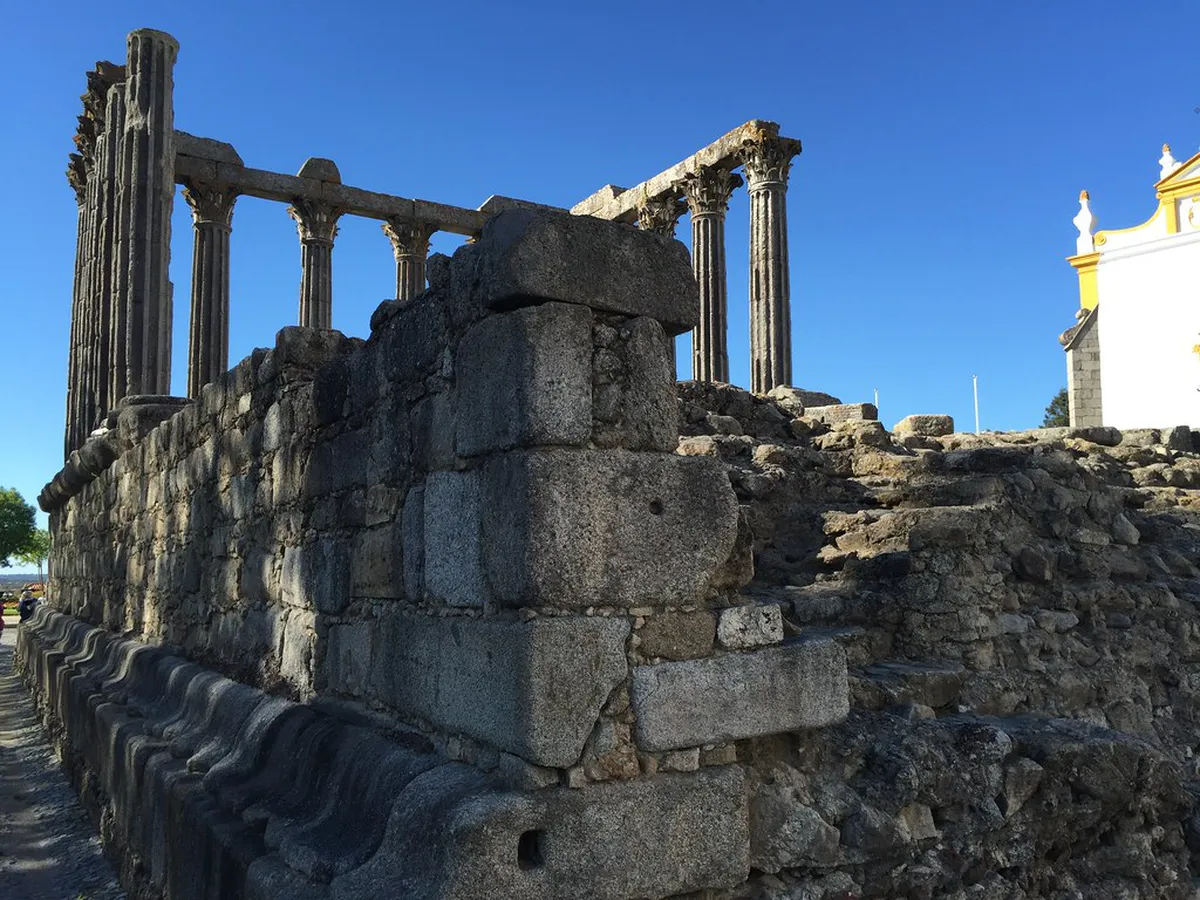 Évora's Ancient Roman Ruins: A Historic JourneyDecember 12, 2025
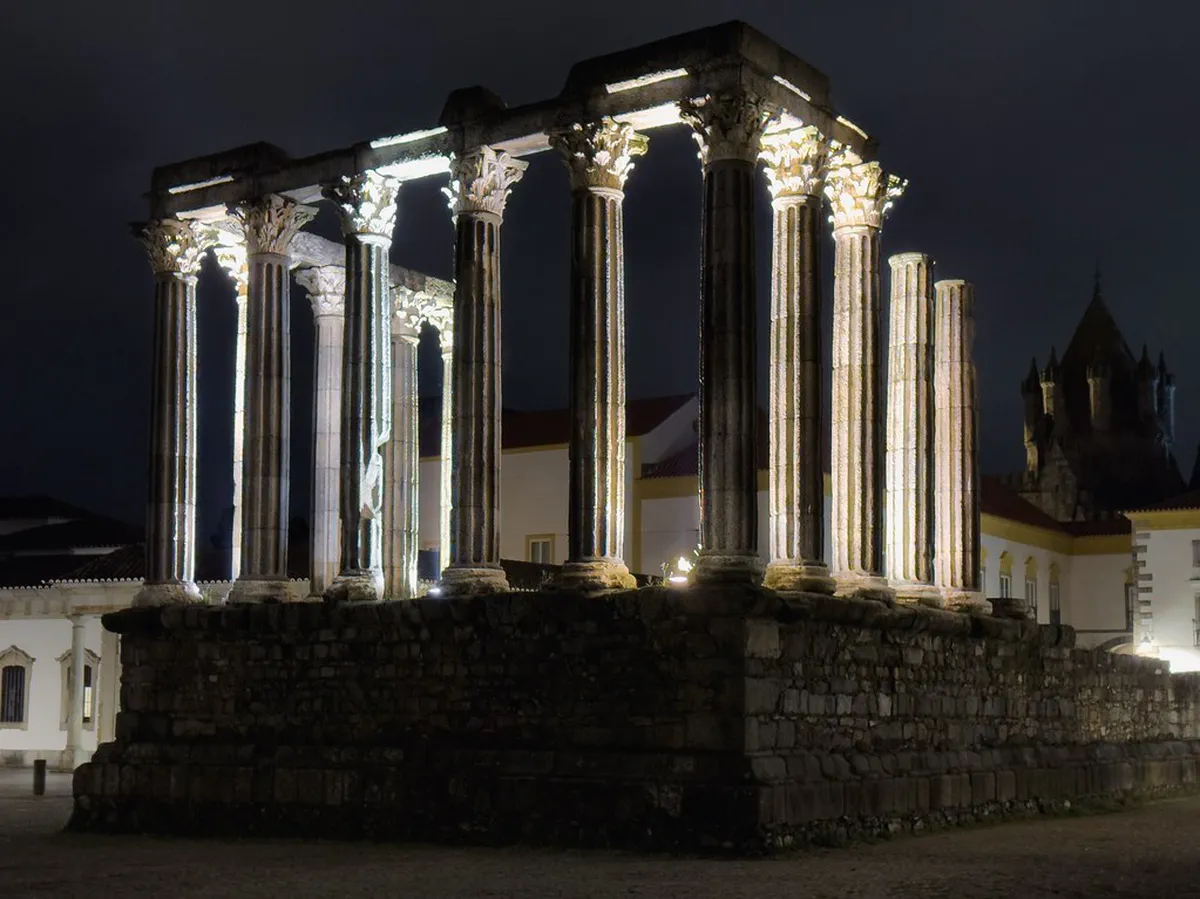 Exploring Roman Sites in Évora Beyond the TempleDecember 10, 2025
 Top Accessible Hotels in Évora Center for 2026December 13, 2025
 Best Boutique Hotels Évora Center for Your 2026 StayDecember 13, 2025