
Discover Évora Romanesque Architecture Features
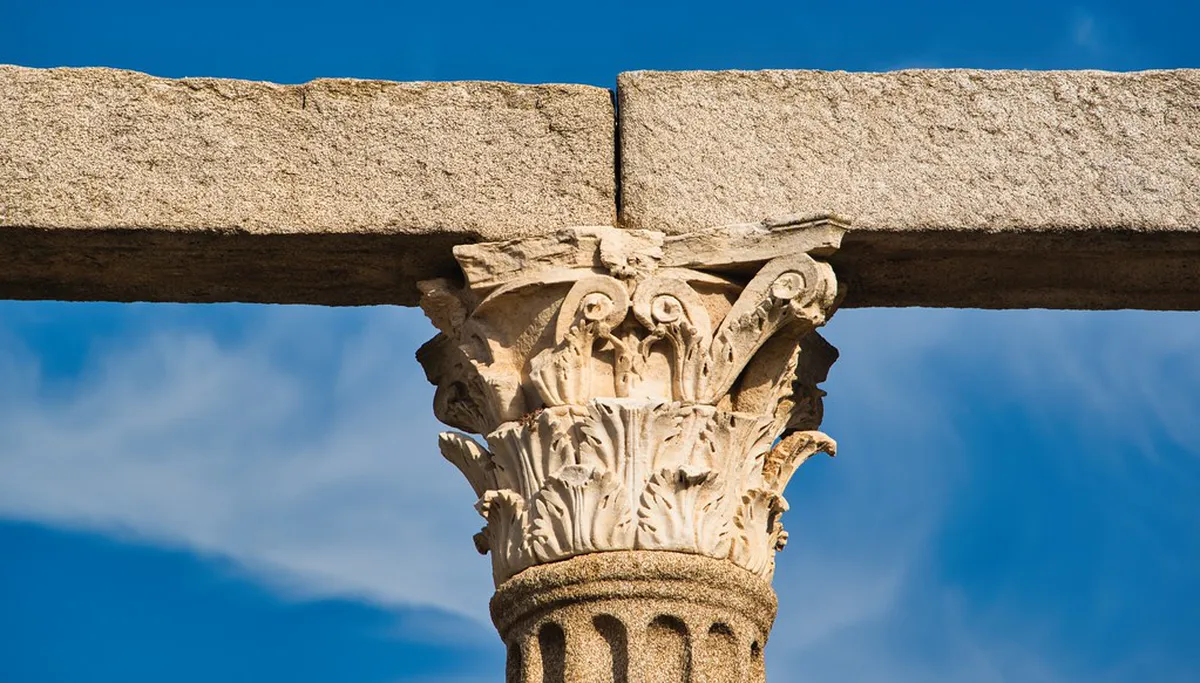
Table of Contents
Évora, a UNESCO World Heritage site, boasts rich history. Its ancient streets reveal many architectural styles. Among these, Évora Romanesque architecture features stand out. This guide will help you identify these unique elements. Prepare to explore this fascinating period in 2026. You can discover more about the city's past by reviewing our Évora historic center guide.
What Defines Romanesque Architecture?
Romanesque architecture emerged across Europe. It spanned from the 10th to the 12th centuries. This style followed Roman construction methods. It often features sturdy, thick walls and round arches. These structures provided stability and grandeur.
Key characteristics include barrel vaults and large towers. Buildings were typically robust and somewhat dark inside. Small windows limited light entry. This design offered both defense and spiritual awe. Think of a fortress combined with a church.
The style also incorporated sculptural decoration. Tympanums above doorways often depicted religious scenes. Capitals on columns showed intricate carvings. These elements communicated stories to worshippers. They added beauty to the powerful structures.
Évora Romanesque Architecture Features to Spot
Évora showcases distinct Romanesque influences. Look for heavy, solid construction materials. Many buildings feature sturdy granite and limestone. These materials give a sense of permanence. They reflect the style's emphasis on durability.
Notice the prominent use of rounded arches. These arches define doorways, windows, and arcades. They are a hallmark of Évora Romanesque architecture. You will see them throughout the city's older religious buildings. They signify strength and classic design principles.
Another feature is the limited but purposeful ornamentation. Carved details are often geometric or symbolic. These designs enhance the structural forms. They do not overwhelm the building's robust nature. Évora's Romanesque art is often subtle yet impactful.
Évora Cathedral: A Romanesque Masterpiece
The Cathedral of Évora, Sé de Évora, is a prime example. It began construction in 1186. The initial design was purely Romanesque. Its massive granite structure reflects this style. The cathedral dominates the city's skyline.
Observe its impressive façade and central portal. The rounded arches are clearly visible. Two imposing towers also show Romanesque influence. These elements speak to the architectural trends of the era. The original nave still retains its Romanesque character.
Inside, the cathedral offers a blend of styles. However, its foundational design is Romanesque. The strong columns and thick walls are unmissable. It's a must-visit for architecture enthusiasts in 2026. Plan your trip with our Évora Cathedral visit guide.
The cloister also presents Romanesque elements. Its early sections feature sturdy arches. These connect to the main structure's design. Exploring the cloister reveals more architectural details. It provides a peaceful contrast to the grand nave.
Exploring Other Romanesque Traces in Évora
Beyond the Cathedral, other sites hint at Évora's Romanesque past. Many churches underwent later renovations. Yet, their foundations often reveal earlier styles. Keep an eye out for any remaining rounded archways. These are clues to older construction.
Walking through the historic center, observe older doorways. Some buildings retain their original robust frames. These might showcase Romanesque characteristics. Even small details can tell a big story. The city itself is an open-air museum.
Consider joining a guided walking tour. Local experts can point out hidden gems. They often highlight less obvious architectural details. Such tours enrich your understanding of Évora. You'll gain a deeper appreciation for its history.
Tips for Your 2026 Évora Architecture Tour
Plan your visit during cooler months. Spring (April-May) and fall (September-October) are ideal. The weather is pleasant for walking. You can explore without extreme heat or cold. Check local opening times for churches and sites.
Wear comfortable shoes for walking. Évora's streets are often cobblestoned. Many attractions are within walking distance. Bring water and a hat, especially in summer. Stay hydrated while you explore.
Consider purchasing an Évora Card if available. It might offer discounts on entrances. This can save you money on multiple attractions. Always verify prices and hours before your visit. This ensures a smooth and enjoyable trip.
Frequently Asked Questions
What is the most famous Évora Romanesque building?
The Sé de Évora, or Évora Cathedral, is the most famous. It began in the late 12th century. Its foundational structure is largely Romanesque. It is a stunning example of the style.
Are there other historic architecture styles in Évora?
Yes, Évora features many styles. You can see Gothic, Manueline, and Renaissance influences. Roman and Moorish elements are also present. Explore the Évora historic architecture styles for more.
When is the best time to visit Évora for architecture tours?
The best time to visit is during spring or fall. April to May and September to October offer mild weather. This makes walking and exploring comfortable. You will avoid summer's intense heat and larger crowds.
Évora's Romanesque architecture offers a unique glimpse into the past. Its sturdy forms and rounded arches tell a story. The Évora Cathedral stands as a testament to this enduring style. Look for these features as you wander the ancient city. Plan your trip to Évora in 2026 for an unforgettable experience.
Key Takeaways
- Évora Romanesque architecture features thick walls and rounded arches.
- The Évora Cathedral is the city's best example of Romanesque style.
- Look for subtle carved decorations and robust construction materials.
- Visit in spring or fall for comfortable exploration of historic sites.
- A guided tour can reveal hidden Romanesque architectural details.
Continue exploring Evora's historic quarter
- Discover Évora Romanesque Architecture FeaturesDecember 13, 2025
 Moorish Tiles Évora: Old Buildings & History GuideDecember 13, 2025
 Évora Historic Architecture Styles: A 2026 GuideDecember 12, 2025
 Top Accessible Hotels in Évora Center for 2026December 13, 2025
 Best Boutique Hotels Évora Center for Your 2026 StayDecember 13, 2025