
Évora Historic Sites: Wheelchair Access Guide for 2026
Table of Contents
Évora, a UNESCO World Heritage city, offers rich history. Many visitors want to know about wheelchair access Évora historic sites. This guide provides essential information for 2026. It helps travelers with mobility challenges.
Portugal's ancient city welcomes everyone. We will cover key attractions and their accessibility features. You will find practical advice for a smooth visit. Prepare for an unforgettable journey to Évora.
Planning is crucial for an enjoyable trip. Our tips will help you navigate cobblestone streets. Discover how to access iconic landmarks easily. We focus on real-world accessibility details.
Understanding Évora's Terrain and General Accessibility
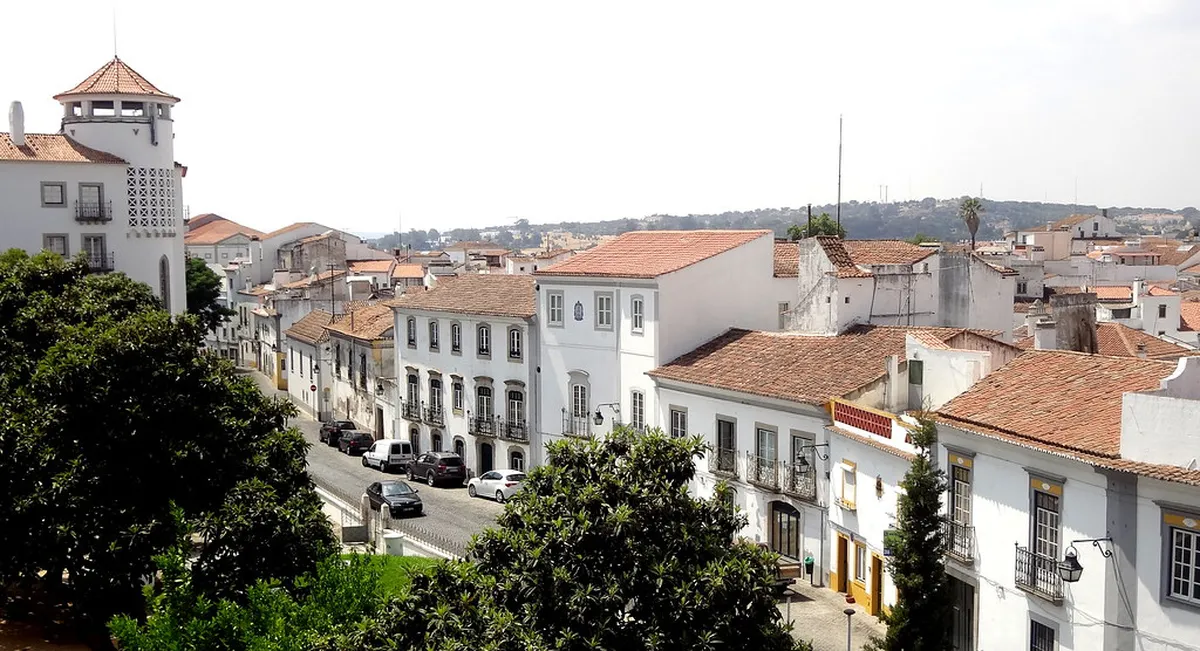
Évora's historic center presents unique challenges. Cobblestone streets are common throughout the old town. Many sidewalks are narrow or uneven. These factors require careful planning for Évora accessibility. Mobility scooters or power chairs may face difficulties exploring wheelchair access Évora historic sites.
The city's medieval layout means narrow passages. Some inclines exist, especially near the cathedral. Always consider your mobility aid's capabilities. Manual wheelchair users may need assistance. This preparation helps avoid unexpected barriers.
However, significant improvements are ongoing. Public spaces are slowly becoming more inclusive. City authorities aim to enhance visitor experience. This includes better access to key landmarks. New ramps and smoother paths are being introduced.
Consider the time of year for your visit. Spring (April-June) and fall (September-October) offer mild weather. Summer (July-August) can be very hot, especially in 2026. Cooler temperatures make navigating easier. Avoid the midday sun for comfort.
A good starting point is the Tourist Office. Located at Praça do Giraldo, they offer maps. Inquire about the most accessible routes. They can provide current information on site access. This local insight is invaluable for your trip.
Accessible Highlights: Roman Temple and Évora Cathedral
The Roman Temple of Évora is a must-see. It stands prominently in the city center. The surrounding area, including Largo do Conde de Vila Flor, is relatively flat. Visitors can get very close to the temple for photos. This helps those seeking wheelchair access Évora historic sites.
There are no steps to reach the temple area. The ground around it is paved and generally smooth. This allows for comfortable viewing from various angles. You can truly appreciate its historical grandeur. Spend time taking in this remarkable ruin.
Évora Cathedral offers some accessible routes. The main entrance has a ramp for wheelchairs. Inside, the nave is generally flat and spacious. You can admire the stunning architecture comfortably. Access to the chapels is also usually barrier-free.
However, accessing the upper terraces or bell towers is often difficult. These areas typically involve stairs. Plan to enjoy the ground floor and main sanctuary. The main cathedral experience remains profound. Its historical significance is undeniable.
Always contact sites directly before your visit. Confirm the current accessibility status for 2026. Opening hours for the Cathedral are usually 9:00 AM to 5:00 PM. Entrance fees are around €5-€7. Reduced rates may apply for visitors with disabilities; inquire upon arrival.
Capela dos Ossos and Other Points of Interest
The Chapel of Bones (Capela dos Ossos) is fascinating. It is located near the Church of St. Francis. The main entrance has a ramp for wheelchair users. The chapel interior is usually accessible. This unique site is generally easy to navigate, improving wheelchair access Évora historic sites options.
The adjacent Church of St. Francis also offers good access. Its main nave is open and spacious. You can admire the beautiful altars and artwork. Check for any temporary closures or special events. Both sites are part of the same complex.
Giraldo Square (Praça do Giraldo) forms Évora's heart. This central square is mostly flat. You can enjoy outdoor cafes and observe local life. Many surrounding shops are also accessible. It's a great spot for people-watching and relaxation.
The University of Évora features historical buildings. Some courtyards and ground floor areas are accessible. Accessing ancient libraries or upper floors might be challenging. Focus on the main campus areas. These offer beautiful architecture and quiet spots.
Consider a visit to the city walls. Certain sections offer flat paths. Check specific entry points for ramp access. The Aqueduct of Silver Water also has accessible viewing spots. These provide great photo opportunities outside the bustling center.
Getting Around Évora with Mobility Aids
Public transportation in Évora is improving. Many city buses have ramps for wheelchairs. Check specific bus routes and schedules beforehand. The main bus terminal offers good access. This can be a reliable option for longer distances.
Taxis are another option for shorter distances. Some taxi companies offer accessible vehicles. It is best to book these in advance. Specify your needs when making a reservation. Confirm the availability of suitable vehicles for 2026 travel.
Renting an accessible vehicle provides flexibility. Several rental companies operate in Portugal. Book your vehicle in advance, especially for 2026 travel. This allows you to explore Évora and its surroundings at your own pace. Ensure the vehicle has proper adaptations.
Navigating the historic center is often best on foot or by chair. Remember the cobblestones and narrow paths. Use our getting around Évora center guide. Planning your routes carefully helps ensure better wheelchair access Évora historic sites.
When planning your routes, prioritize larger streets. These often have smoother paving. Avoid very steep or narrow alleyways. Google Maps can help identify less challenging paths. Ask locals for advice on the best routes.
Accommodation and Dining Accessibility in Évora
Finding accessible accommodation is crucial. Many modern hotels offer suitable rooms. Look for properties with ramps, elevators, and roll-in showers. Always confirm specific features directly with the hotel. Book early, especially for peak season in 2026.
Several hotels cater to guests with disabilities. Some are within the historic center. Consider accessible hotels Évora center for convenience. These often provide enhanced accessibility services. Check reviews from other wheelchair users for insights and recommendations.
When booking, specify your accessibility requirements. Ask for photos of the accessible room and bathroom. Confirm the width of doorways and availability of grab bars. This ensures a comfortable and safe stay. Always get confirmation in writing.
Dining out can also be accessible in Évora. Many restaurants have ground-level entrances. Look for establishments with spacious interiors. Outdoor seating areas are usually very accessible. Enjoy delicious Alentejo cuisine comfortably and safely.
Always inquire about restroom accessibility. Some restaurants might have small or difficult-to-access facilities. Larger, modern restaurants often provide better options. Use online reviews or call ahead to verify. Enjoy local specialties like migas and porco preto.
Frequently Asked Questions
Are all Évora historic sites wheelchair accessible?
No, not all sites offer full wheelchair access. Many have limitations due to their age. However, main areas of popular sites are often accessible. The Roman Temple is generally easy to approach. The Cathedral and Chapel of Bones have improved access for those seeking wheelchair access Évora historic sites.
What are the best ways to get around Évora with a wheelchair?
Manual wheelchairs may struggle with cobblestones. Power chairs or mobility scooters are better. Taxis can be helpful for longer distances. Some city buses are equipped with ramps. Always plan your specific routes carefully.
Can I rent accessible equipment in Évora for my trip?
Renting accessible equipment locally can be difficult. It is advisable to bring your own if possible. Some specialized travel agencies might assist. Inquire with your hotel for local rental options. Pre-booking equipment is highly recommended for 2026.
How can I find accessible restrooms in Évora's historic center?
Accessible public restrooms can be scarce. Larger museums and modern shopping centers often have them. Many accessible restaurants also provide suitable facilities. Always inquire at tourist information centers. Plan your stops strategically throughout the day.
Is it possible to visit Évora's smaller museums and churches with a wheelchair?
Access to smaller museums and churches varies greatly. Many are housed in ancient buildings. They may lack ramps or elevators. Always check their official websites or call ahead. Prioritize the main, more frequently visited sites.
Évora offers a memorable experience for all visitors. While challenges exist, wheelchair access Évora historic sites is improving. Planning ahead makes a huge difference. Research specific sites and routes for 2026. Enjoy the rich history and culture of this ancient city.
With careful preparation, you can explore Évora confidently. Embrace the city's charm and ancient wonders. Your accessible journey awaits. We hope this guide helps you plan perfectly. Make the most of your incredible adventure.
Key Takeaways
- Always confirm accessibility directly with sites and hotels before visiting.
- Cobblestone streets are common; power chairs or assistance are highly recommended.
- Book accessible accommodations and transportation well in advance for your 2026 trip.
- Plan your routes carefully, prioritizing smoother and flatter streets.
Related reads: historicquarters.com, historic neighborhoods in evora.
Continue exploring Evora's historic quarter
 Top Accessible Hotels in Évora Center for 2026December 13, 2025
- Évora Historic Sites: Wheelchair Access Guide for 2026December 11, 2025
 Your Évora Accessibility Guide for 2026 TravelDecember 10, 2025
 Best Boutique Hotels Évora Center for Your 2026 StayDecember 13, 2025
 Évora's Best Panoramic Views: A 2026 GuideDecember 13, 2025