
Pelourinho de Faro History: Uncovering Portugal's Past
Table of Contents
Faro, Portugal, boasts a rich and layered history. Its ancient streets tell stories of centuries past. At the heart of its Old Town stands the Pelourinho de Faro. This historic pillory is more than just a stone monument. It represents a significant part of the city's civic and judicial past. Understanding its role helps us appreciate Faro's historic Old Town even more.
This guide dives into the Pelourinho de Faro history. We will explore its origins and transformation. You will learn about its importance through the ages. Prepare to step back in time in this captivating Portuguese city.
The Pelourinho de Faro: A Glimpse into its Past
The Pelourinho de Faro stands as a silent sentinel. It dates back to medieval times in Portugal. Pillories were once common in Portuguese towns. They symbolized municipal autonomy and justice. Faro's pillory marked the city's jurisdiction.
Historically, the Pelourinho de Faro served multiple functions. It was a place for public proclamations. Laws were announced and grievances heard. The pillory also served as a site for punishments. This practice reflected the stern justice of the era.
Over centuries, the Pelourinho de Faro evolved. Its original structure likely changed. Earthquakes and rebuilding efforts impacted many structures. The 1755 earthquake, in particular, devastated much of Faro. The pillory stood resilient through these events.
The current Pelourinho de Faro dates to the 19th century. It replaced older versions lost to time. This structure embodies the city's enduring spirit. It reminds visitors of Faro's long and complex past. This monument offers a unique perspective on Portuguese history.
Locating Faro's Historic Pillory: Your Visit Guide
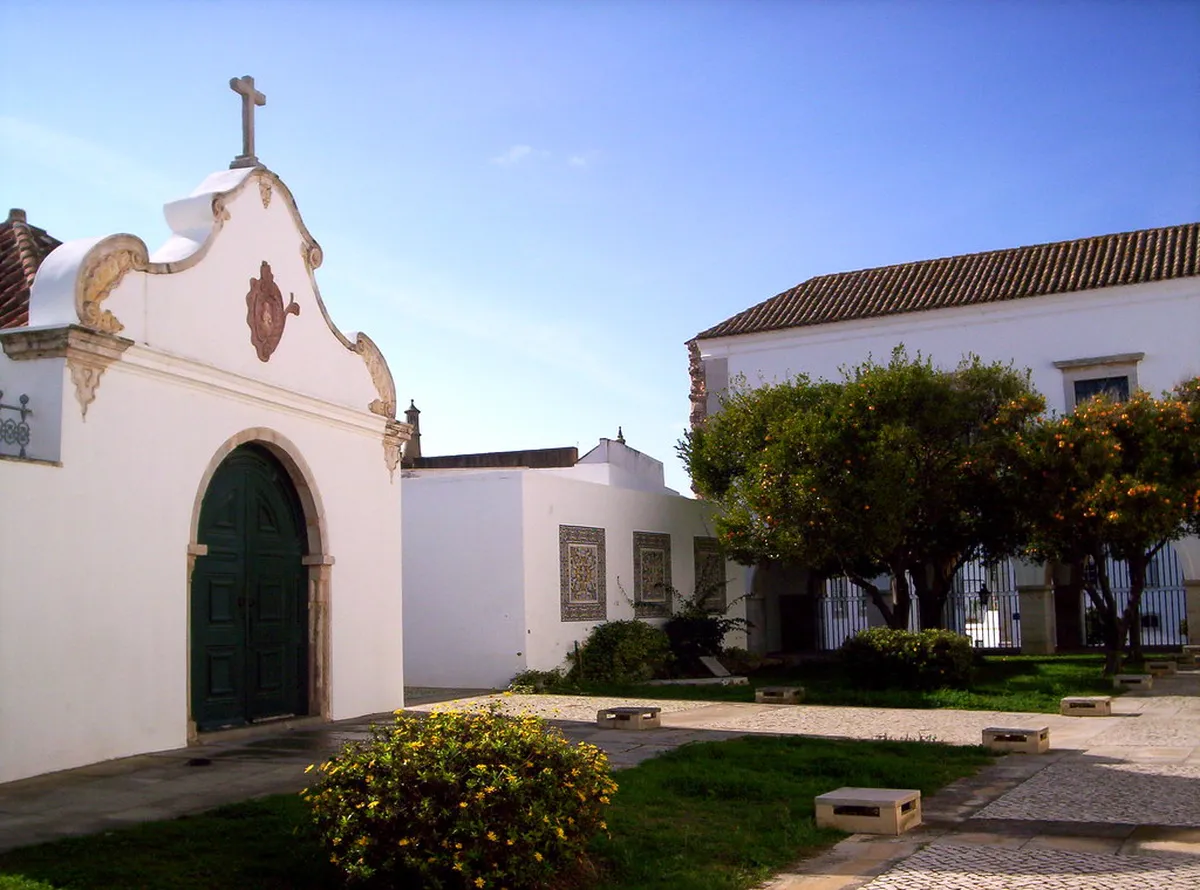
Finding the Pelourinho de Faro is easy. It is prominently located in the Cidade Velha. This area is also known as Faro's Old Town. The pillory stands within the Largo da Sé, a central square.
The Largo da Sé is a beautiful and historic plaza. It sits adjacent to the Faro Cathedral. You can access the Old Town through the iconic Arco da Vila. This grand archway leads directly into the historic core.
Visitors in 2026 will find the area well-preserved. There is no specific entrance fee to see the pillory. It is an outdoor public monument. You can view it at any time of day or night. Early mornings offer peaceful photographic opportunities.
Parking is available outside the city walls. Faro's Old Town is largely pedestrianized. Plan to walk and explore the cobbled streets. Wear comfortable shoes for your historic adventure. The Pelourinho is a focal point for any Old Town tour.
Symbolism and Significance of the Pelourinho
The Pelourinho de Faro holds deep symbolic meaning. It represented the town's right to self-governance. A pillory was a mark of municipal independence. It signified a town's legal autonomy from feudal lords.
Beyond self-rule, it embodied local justice. Public shaming and corporal punishments occurred there. These acts reinforced social order. They served as deterrents to crime in the community. The pillory was a powerful tool of the state.
Today, its significance is historical. It no longer functions as a judicial site. Instead, it is a reminder of past societal structures. The Pelourinho tells a story of evolving laws and governance. It invites reflection on human rights and justice through time.
Its unique design often features intricate carvings. These designs can reflect local culture. They might also showcase the monarch's symbols. The Faro pillory contributes to the city's rich architectural heritage. It remains a key landmark for visitors. Its presence adds to the historical ambiance of the square.
There is no entry fee to visit the Pelourinho de Faro — it is a public outdoor monument accessible at any time. Early mornings offer the best light for photography and far fewer crowds in Largo da Sé.
Experiencing Faro's Old Town: Beyond the Pillory
Exploring the Pelourinho de Faro is just the beginning. The surrounding Cidade Velha offers much more. Spend time wandering its charming, narrow streets. Discover hidden courtyards and traditional houses. These details bring Faro's history to life.
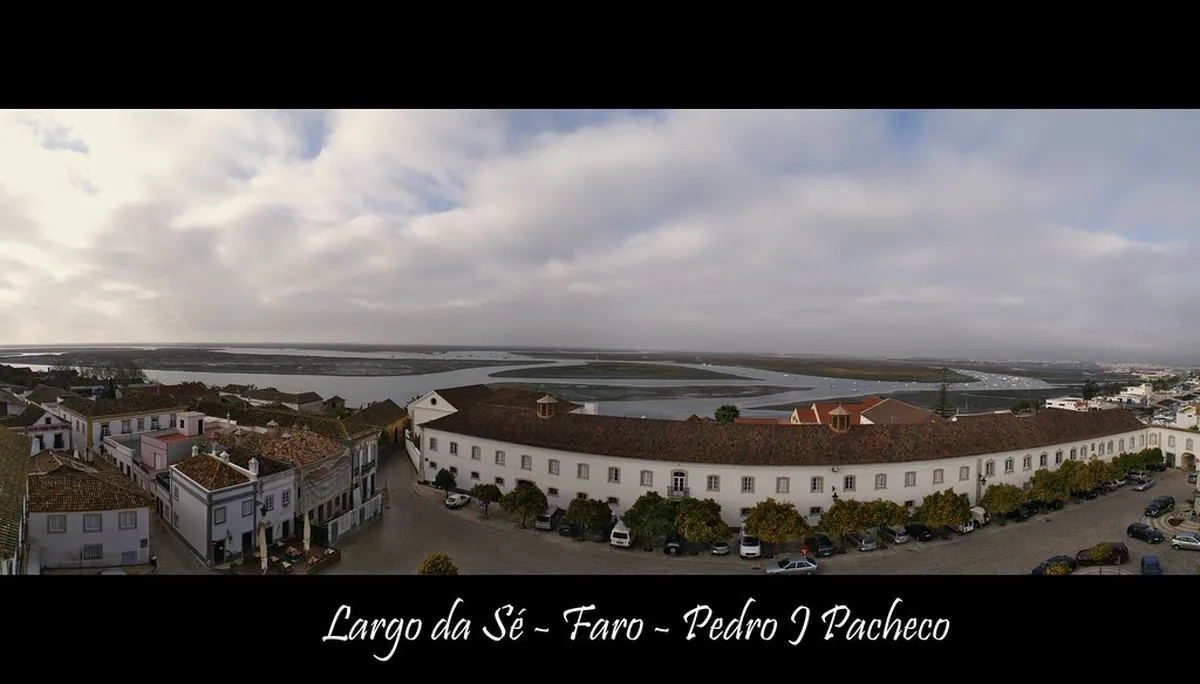
Visit the impressive Faro Cathedral located nearby. Its origins trace back to the 13th century. Climb its bell tower for panoramic views. You will see the city, the Ria Formosa, and the ocean. Entry costs around 3-5 Euros per person in 2026.
The Episcopal Palace is another notable site. It sits directly opposite the cathedral. Its grand façade is very striking. Although usually not open to the public, its exterior is beautiful. The palace adds to the square's historic grandeur.
Many local restaurants and cafes dot the Old Town. Enjoy authentic Algarve cuisine after your explorations. Try fresh seafood or traditional stews. Support local businesses during your visit. The ambiance of the Old Town is truly captivating. Discover artisanal shops for unique souvenirs.
Faro's Old Town is largely pedestrianized — there is no car access within the city walls. Park outside the walls and plan to explore entirely on foot over cobbled streets, so wear comfortable shoes before you set off.
Frequently Asked Questions
What is the primary historical function of a Pelourinho in Portugal?
A Pelourinho in Portugal historically symbolized municipal autonomy. It also served as a public space for justice. Local authorities used it for announcements and punishments. It represented the town's right to govern itself. This civic monument was central to community life.
Is there an entry fee to visit the Pelourinho de Faro in 2026?
No, there is no entry fee to visit the Pelourinho de Faro. It is a public monument located outdoors. You can view it freely at any time. Enjoy exploring this historical landmark in Faro's Old Town.
What other historic sites are near the Pelourinho de Faro in Cidade Velha?
Many historic sites surround the Pelourinho de Faro. These include Faro Cathedral and the Episcopal Palace. You can also see the Arco da Vila entrance. Explore the ancient city walls as well. Learn more about Cidade Velha's rich history during your visit.
What is the best time of day to photograph the Pelourinho?
The best time to photograph the Pelourinho is often early morning. The light is soft and golden then. Also, fewer tourists will be present. Late afternoon offers beautiful light too. Both times provide excellent photographic opportunities.
The Pelourinho de Faro stands as a testament to history. It reminds us of Faro's past as a center of justice. Visiting this monument offers a unique insight. You connect with centuries of Portuguese heritage. It is a vital part of any Faro exploration.
Plan your 2026 trip to Faro and immerse yourself. Discover the stories etched in its ancient stones. The Pelourinho awaits your visit. Experience the magic of Faro's Old Town firsthand.
Key Takeaways
- The Pelourinho de Faro symbolizes municipal autonomy and historical justice.
- It is freely accessible in Faro's Old Town, specifically in Largo da Sé.
- Combine your visit with nearby sites like Faro Cathedral for a rich historical experience.
Continue exploring Faro's historic quarter
 Uncovering the History of Pelourinho de Faro PillarDecember 11, 2025
- Pelourinho de Faro History: Uncovering Portugal's PastDecember 11, 2025
 Discover the Pelourinho de Faro: Its True SignificanceDecember 10, 2025
 10 Tips for the Cheapest Time to Visit FaroJune 6, 2026
 Faro In Summer Travel Guide: Best Tips for 2026June 6, 2026