
Faro's Cidade Velha: A Deep Dive into History
Table of Contents
Faro's Cidade Velha, also known as the Old Town, holds centuries of compelling stories. Its ancient streets whisper tales of past civilizations. This guide explores the deep Cidade Velha history of Faro. You will uncover its Roman, Moorish, and Christian heritage. Prepare for an unforgettable journey through time in 2026.
This historic core remains beautifully preserved today. It invites visitors to step back in time. Discover iconic landmarks and hidden corners. Experience the true essence of Faro's past.
Ancient Beginnings: Roman and Moorish Faro
Faro's history extends far beyond its current form. The area first attracted settlers during the Paleolithic era. Major development began with the Romans around the 2nd century BC. They established a significant port named Ossonoba. This port facilitated trade across the Mediterranean.
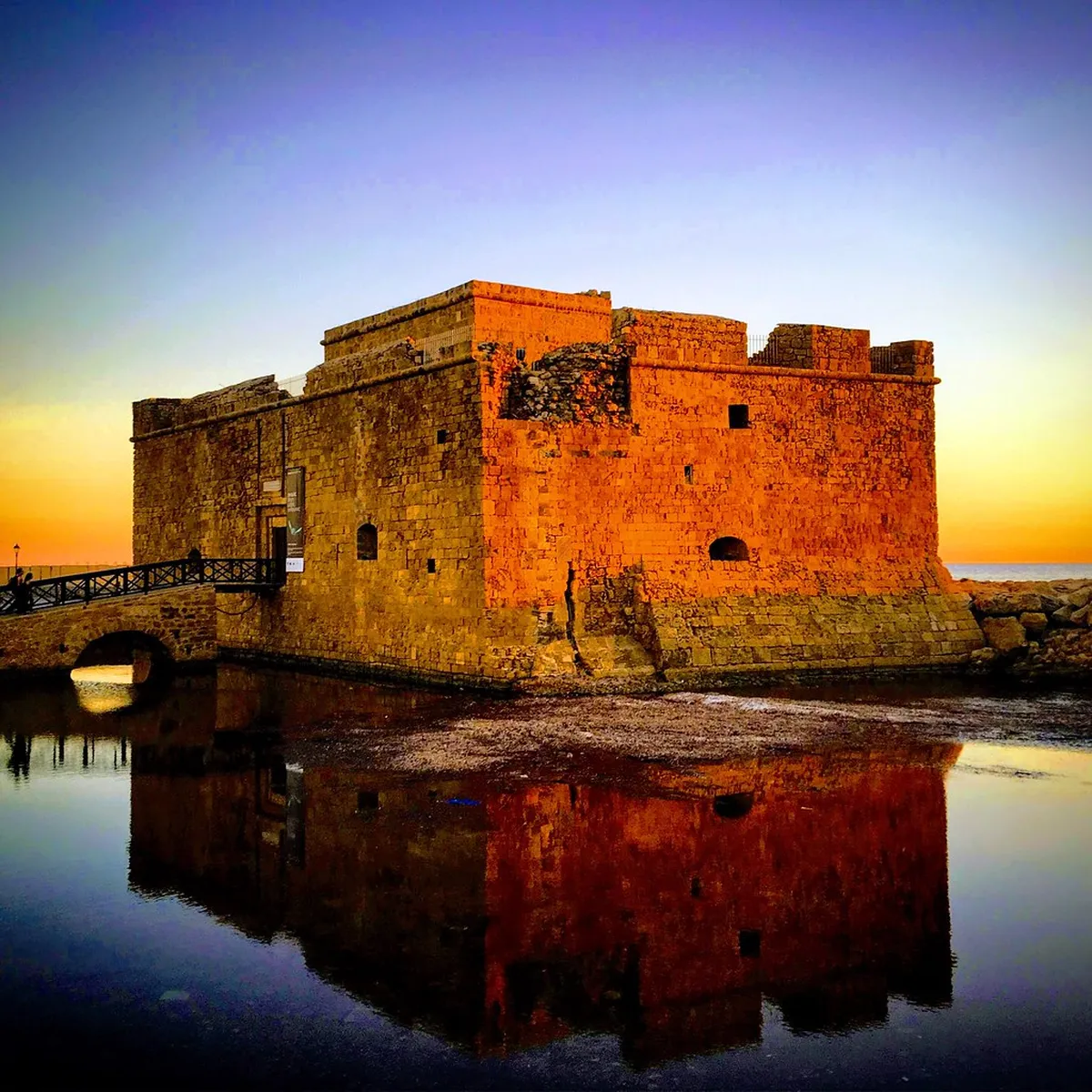
The Roman influence shaped early Faro. It provided a foundation for future growth. Evidence of Roman settlements still surfaces today. Excavations reveal ancient pottery and structures. These findings underline the city's strategic importance.
Following Roman decline, Moorish rule took hold in the 8th century. They renamed the city Santa Maria. Under Moorish control, Faro flourished as a cultural center. Agriculture and trade thrived significantly. The city became known for its intellectual pursuits.
Moorish architects left a lasting legacy. Intricate designs and fortified structures were common. Their presence lasted for over 500 years. This long period greatly influenced the historic neighborhoods in Faro. Many aspects of daily life were shaped by their culture.
The Reconquista and Christian Rule
The Christian Reconquista slowly advanced southward. Faro, then known as Harun, fell in 1249. King Afonso III led the conquest. This marked a significant turning point for the region. The city was officially incorporated into Portugal.
Christian rule brought new architectural styles. Churches replaced mosques in many areas. The old city walls were reinforced. Faro grew in importance as a regional capital. Its strategic location remained crucial.
The 15th and 16th centuries saw maritime expansion. Faro became a key port for exploration. Trade routes expanded across the globe. Wealth flowed into the city during this period. Many impressive buildings were constructed.
However, this prosperity also attracted attacks. English privateers led by the Earl of Essex sacked Faro in 1596. Many valuable artifacts were lost. The historic library of the Bishop of Faro was among the casualties. This event marked a difficult chapter.
Earthquakes and Rebuilding the Cidade Velha
A devastating earthquake struck Lisbon in 1755. Its impact extended throughout Portugal. Faro suffered immense destruction from the quake and subsequent tsunami. Many historic buildings were severely damaged. The entire city required extensive rebuilding.
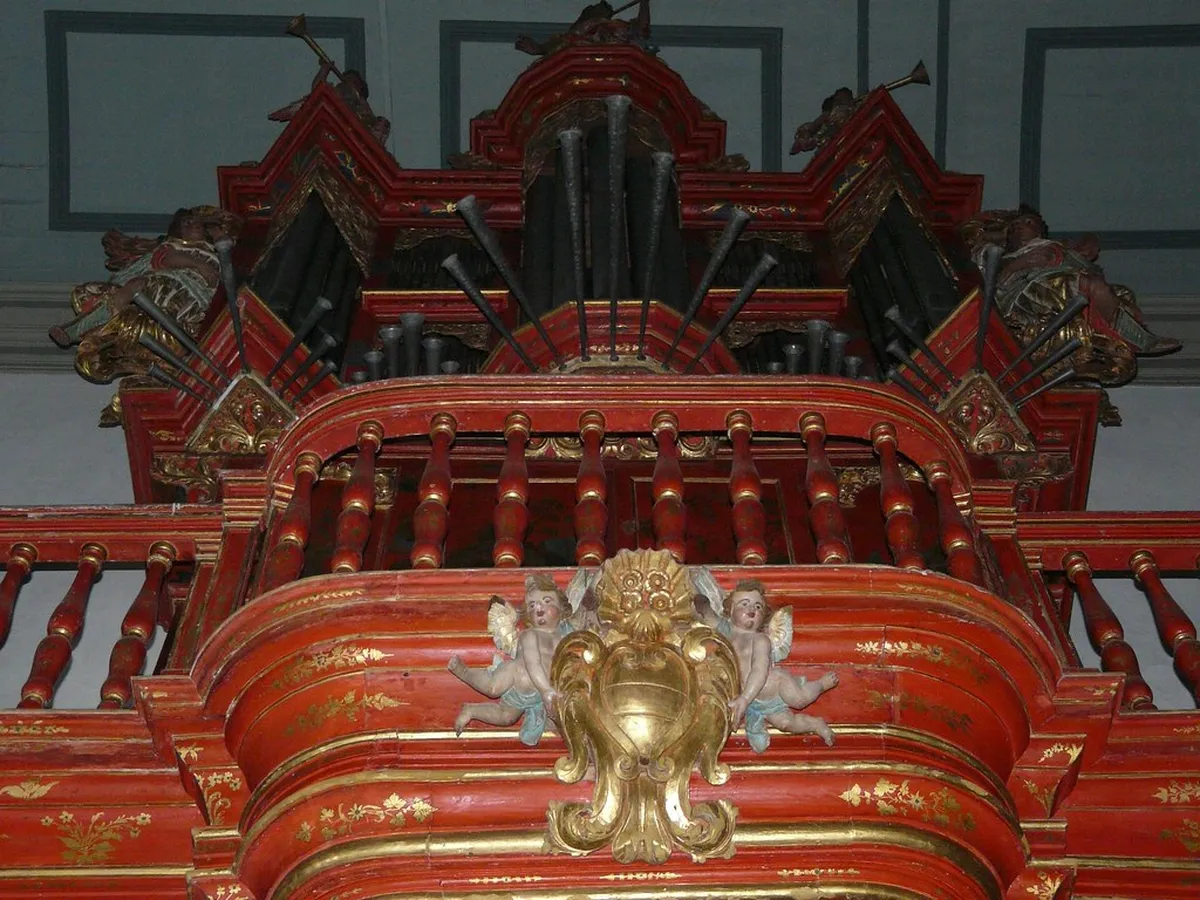
The recovery effort was monumental. Architect Manuel Gomes guided much of the reconstruction. He blended traditional styles with new ideas. Many buildings you see today date from this rebuilding period. The city carefully preserved its original layout.
The new city design included wider streets. This helped improve urban planning. Rebuilding strengthened the city’s resilience. Faro emerged stronger from the disaster. Its charm now reflects centuries of architectural evolution.
Visitors to Cidade Velha will notice various architectural styles. Baroque influences are particularly evident. The resilience of Faro's people is clear. Their determination rebuilt a vibrant city from ruins.
Key Landmarks and Their Historical Significance
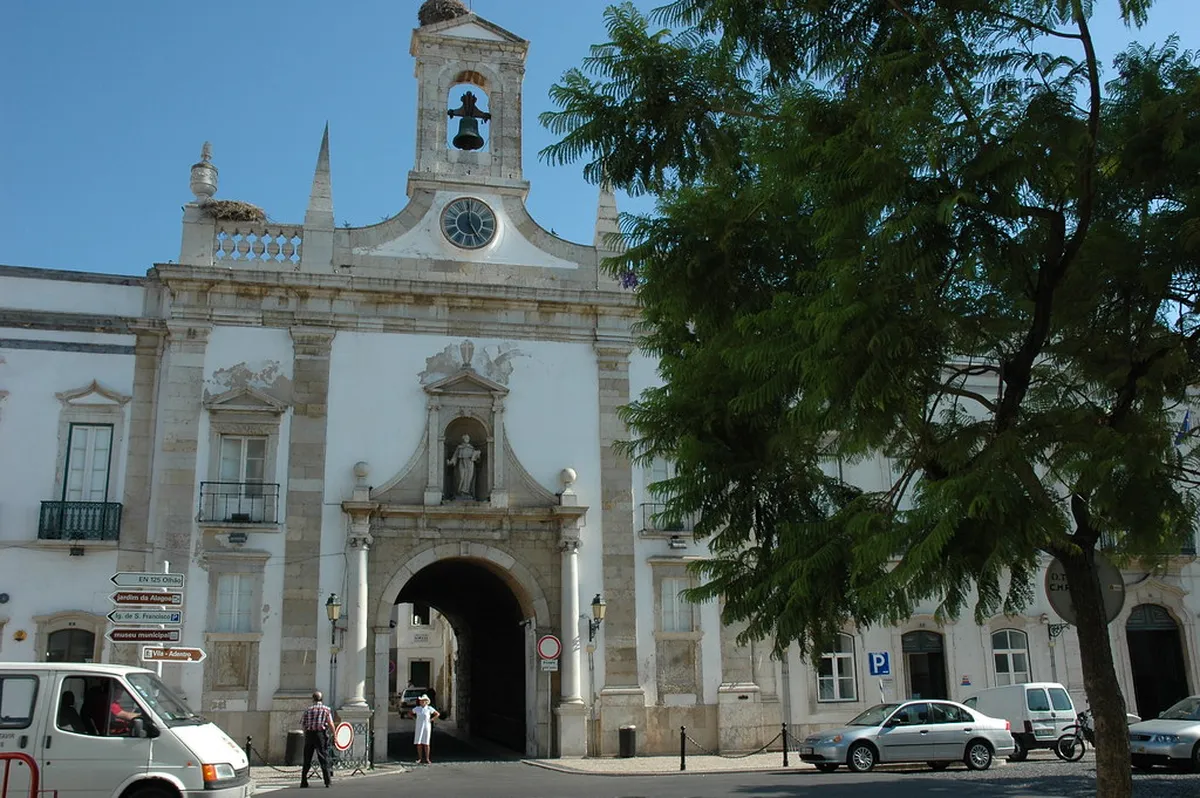
The entrance to Cidade Velha is often through the Arco da Vila. This neoclassical arch dates from 1812. It stands on the site of an earlier Moorish gate. The arch features a statue of St. Thomas Aquinas. Look up to see nesting storks overhead. Consider a visit to the Arco da Vila entrance during your trip.
Inside, the Largo da Sé is a central square. It is home to the imposing Faro Cathedral. This site has hosted religious buildings since Roman times. A mosque once stood here during Moorish rule. The current cathedral dates from the 13th century.
The cathedral boasts a rich interior. Explore its chapels and bell tower. Climb for panoramic views of the city. Entry costs about 3.50 EUR in 2026. It opens daily from 10:00 AM to 5:00 PM. Learn more about the Faro Cathedral visit guide.
The Faro Cathedral opens daily from 10:00 AM to 5:00 PM and entry costs around 3.50 EUR. Climbing the bell tower rewards you with sweeping panoramic views over the rooftops of Cidade Velha — well worth the ticket price.
Next to the cathedral is the Bishop's Palace. Its grand facade showcases Baroque design. The city walls themselves are an ancient marvel. They contain remnants from Roman and Moorish eras. You can walk along sections of these historic Faro city walls. This offers a unique perspective on the city's defenses.
Don't miss the Pelourinho de Faro, a stone pillar. It stands near the Arco da Vila. This monument symbolizes municipal autonomy. It also served as a place of public punishment. Its detailed carvings tell a story. It reflects Faro's long legal history.
Visiting Cidade Velha: Experiencing History in 2026
Today, Faro's Cidade Velha is a pedestrian-friendly area. It invites visitors to explore at a leisurely pace. Wander cobblestone streets and discover hidden courtyards. The atmosphere is calm and captivating. Many visitors find it incredibly charming.
The best way to experience the area is on foot. Consider joining a walking tour. Knowledgeable guides provide fascinating insights. They share stories often missed by solo travelers. Tours typically last 1.5 to 2 hours. They usually cost around 15-20 EUR per person in 2026. You can find more information about best walking tours in Faro.
Cidade Velha's cobblestone streets are uneven and can be slippery, especially after rain. Wear comfortable, flat-soled shoes — heels and thin sandals make the historic lanes genuinely difficult to navigate safely.
| Attraction | Entry Fee (2026) | Opening Hours | Notes |
|---|---|---|---|
| Faro Cathedral (Sé) | ~3.50 EUR | Daily 10:00 AM – 5:00 PM | Bell tower offers panoramic views |
| Municipal Museum of Faro | ~2 EUR | Tue–Sun (check locally) | Housed in the Nossa Senhora da Assunção Convent; Roman artifacts & local art |
| Guided Walking Tour | 15–20 EUR/person | Various times | Tours last 1.5–2 hours; expert historical commentary |
| Cidade Velha streets & walls | Free | Open access | Roman and Moorish wall remnants; walkable sections |
| Arco da Vila | Free | Open access | Neoclassical arch (1812) with nesting storks above |
Explore the Municipal Museum of Faro. It is housed in the Nossa Senhora da Assunção Convent. The museum displays Roman artifacts and local art. It offers a deeper look into the region’s past. Entry is usually 2 EUR. It is open Tuesday to Sunday.
Enjoy local cuisine at charming restaurants. Many eateries line the historic streets. Savor fresh seafood and traditional Portuguese dishes. Stop for a coffee at a quaint cafe. Soak in the historic ambiance. This area is a true cultural gem.
Preserving Faro's Historic Core
Faro remains committed to preserving Cidade Velha. Strict regulations protect its architectural integrity. Restoration projects occur regularly. These efforts ensure its history endures for future generations. This commitment is vital for heritage tourism.
Local authorities work with residents and businesses. They aim to balance preservation with modern life. Events and cultural programs bring the area to life. These activities celebrate Faro's rich heritage. Visitors can often find festivals happening.
Maintaining the ancient walls is a continuous task. Experts work to prevent decay and erosion. Historic buildings receive careful attention. They are restored using traditional methods. This safeguards their authenticity and charm.
The future of Cidade Velha looks bright. It continues to be a living museum. Its stories are shared with thousands of visitors. This ensures the Cidade Velha history of Faro is never forgotten. Experience its magic firsthand in 2026.
Frequently Asked Questions
What is the best way to explore Cidade Velha in Faro?
The best way to explore Cidade Velha is on foot. It is a pedestrian-friendly area. Comfortable shoes are highly recommended. Consider taking a guided walking tour. This will enrich your historical understanding.
What historical periods shaped Faro's Old Town?
Faro's Old Town was shaped by several key historical periods. Roman influence laid early foundations. Moorish rule brought significant cultural growth. Christian Reconquista established Portuguese identity. The 1755 earthquake also led to major reconstruction.
Are there any entrance fees for attractions in Cidade Velha?
Yes, some attractions have entrance fees. The Faro Cathedral typically costs around 3.50 EUR. The Municipal Museum of Faro charges about 2 EUR. Many outdoor areas and streets are free to explore. Budget accordingly for specific site visits.
Can I find food and drinks within Faro's historic center?
Absolutely, Faro's historic center offers many dining options. You will find charming restaurants and cafes. They serve traditional Portuguese cuisine. Enjoy fresh seafood or a strong espresso. It is a perfect place to relax and refuel.
Faro's Cidade Velha is a treasure trove of history. Its ancient stones tell tales of empires and resilience. From Roman origins to modern-day charm, its past is vibrant. Plan your visit to this incredible historic district. Discover the enduring Cidade Velha history of Faro in 2026. You will create lasting memories of Portugal's rich heritage.
Key Takeaways
- Explore on foot to fully appreciate the historic details of Cidade Velha.
- Visit the Faro Cathedral and Municipal Museum for deeper historical insights and panoramic views.
- Allocate 2-3 hours minimum to wander and soak in the atmosphere of Faro's Old Town.
- Consider a guided tour for expert insights into Faro's complex past.
- Enjoy local cuisine in the historic center's charming restaurants.
Continue exploring Faro's historic quarter
 A Short History of Faro Old Town: Cidade Velha's PastDecember 13, 2025
 Discovering the Roman Origins of Faro's Historic DistrictDecember 11, 2025
- Faro's Cidade Velha: A Deep Dive into HistoryDecember 10, 2025
 10 Tips for the Cheapest Time to Visit FaroJune 6, 2026
 Faro In Summer Travel Guide: Best Tips for 2026June 6, 2026