Faro is the Algarve's capital city and its most underrated destination. Most visitors spend only a night here before catching a connection — a mistake. In summer 2026, the city offers a genuinely Portuguese urban experience alongside boat access to pristine barrier-island beaches, a rich historic old town, and enough nightlife to keep evenings interesting. This guide covers what to see, how to reach the beaches, where to eat, and how to use Faro as a base for the wider Algarve region.
Peak summer runs mid-June through mid-September. Temperatures reach 28–32°C / 82–90°F daily, with the Levante wind occasionally pushing highs toward 38°C / 100°F for several days at a time. August is the busiest month by far — domestic Portuguese tourists fill the city alongside international arrivals. Book accommodation at least three to four months ahead if you plan to arrive in July or August. Review our month-by-month weather and climate guide for temperature and rainfall data.
Highlights of Faro
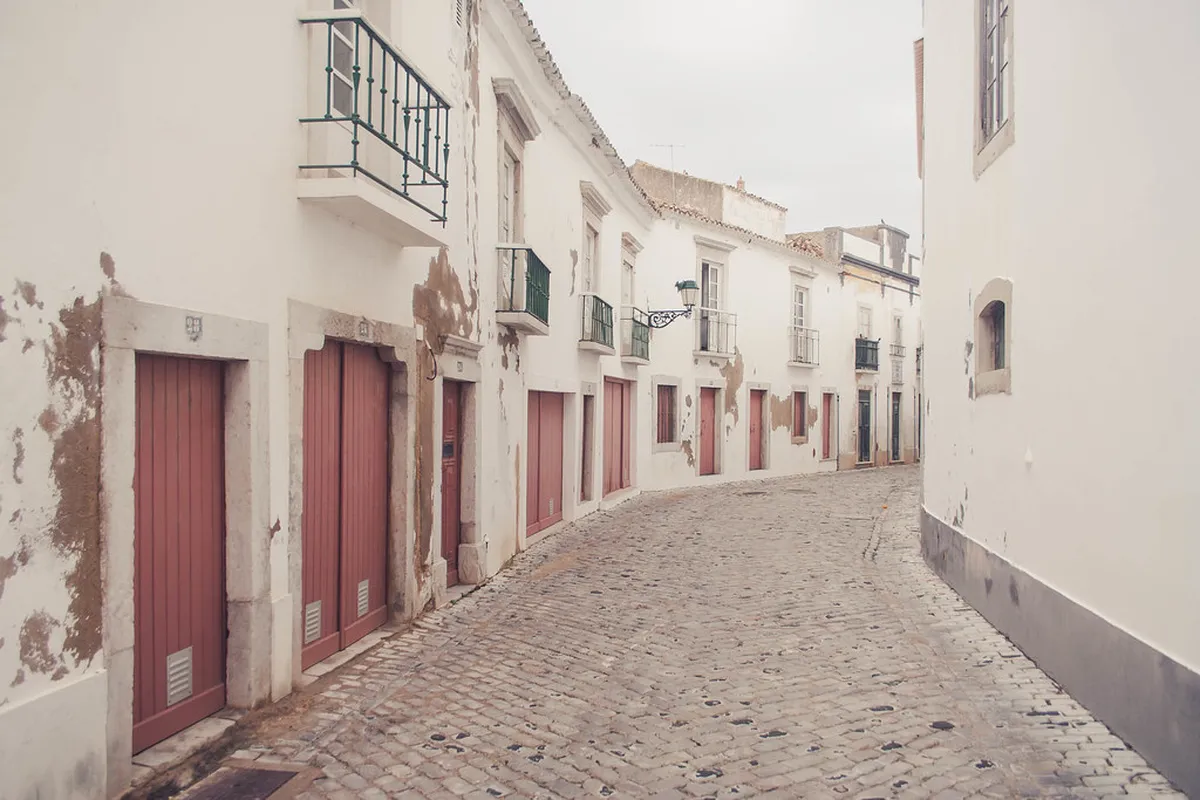
The Cidade Velha (Old Town) is enclosed by Moorish-era city walls and is the natural starting point for any visit. Inside the walls, cobbled streets lead to the Largo da Sé, a quiet plaza surrounded by the Gothic Sé Cathedral, the Bishop's Palace, and the city hall. The Arco da Vila gateway — a Baroque arch built over the original Arabic entrance — is the main pedestrian entrance and a favourite nesting site for Faro's resident stork colony.
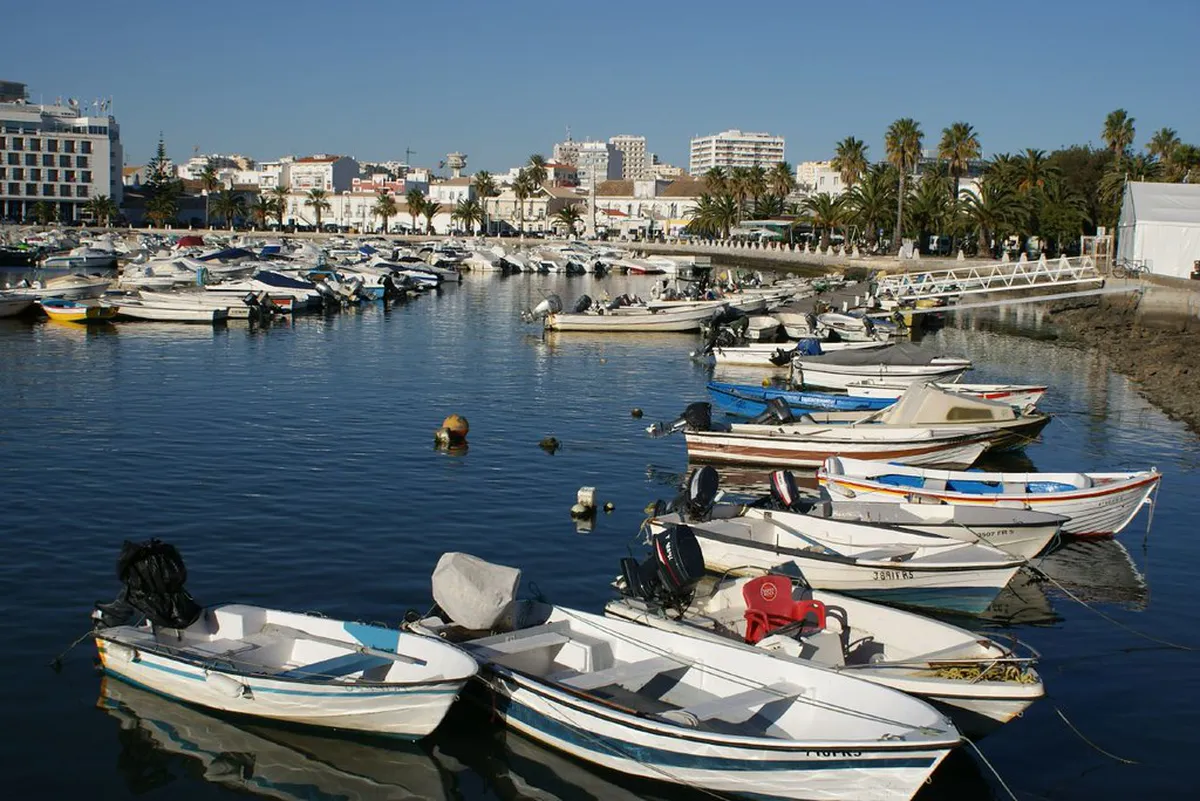
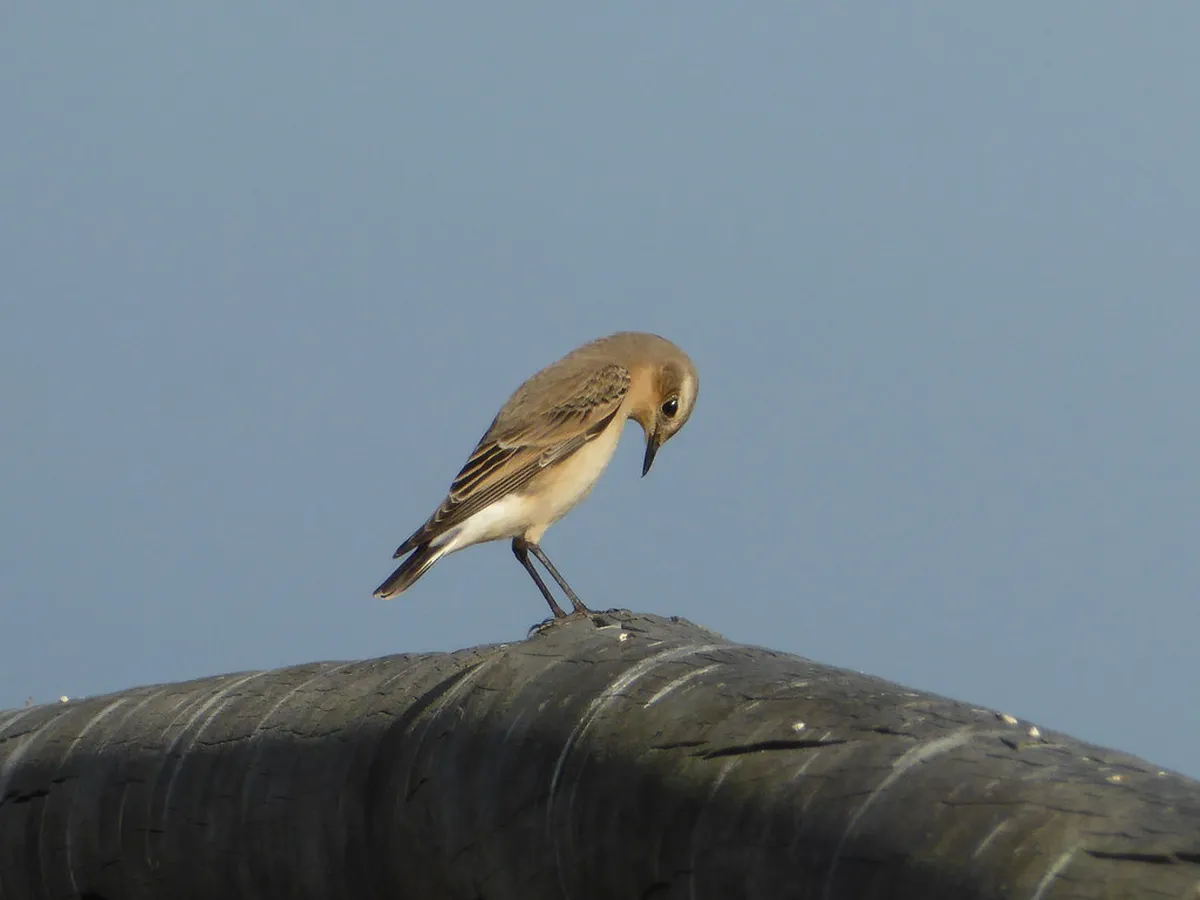
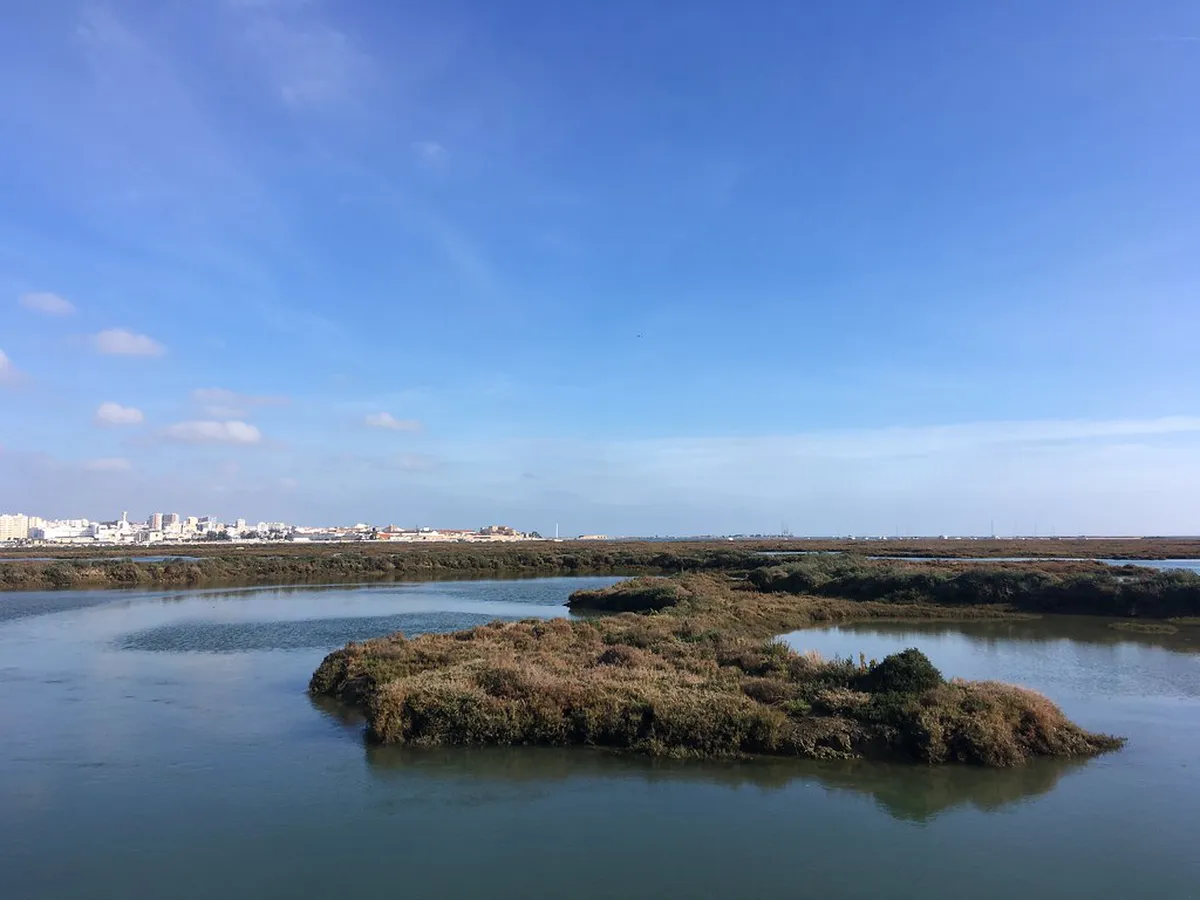
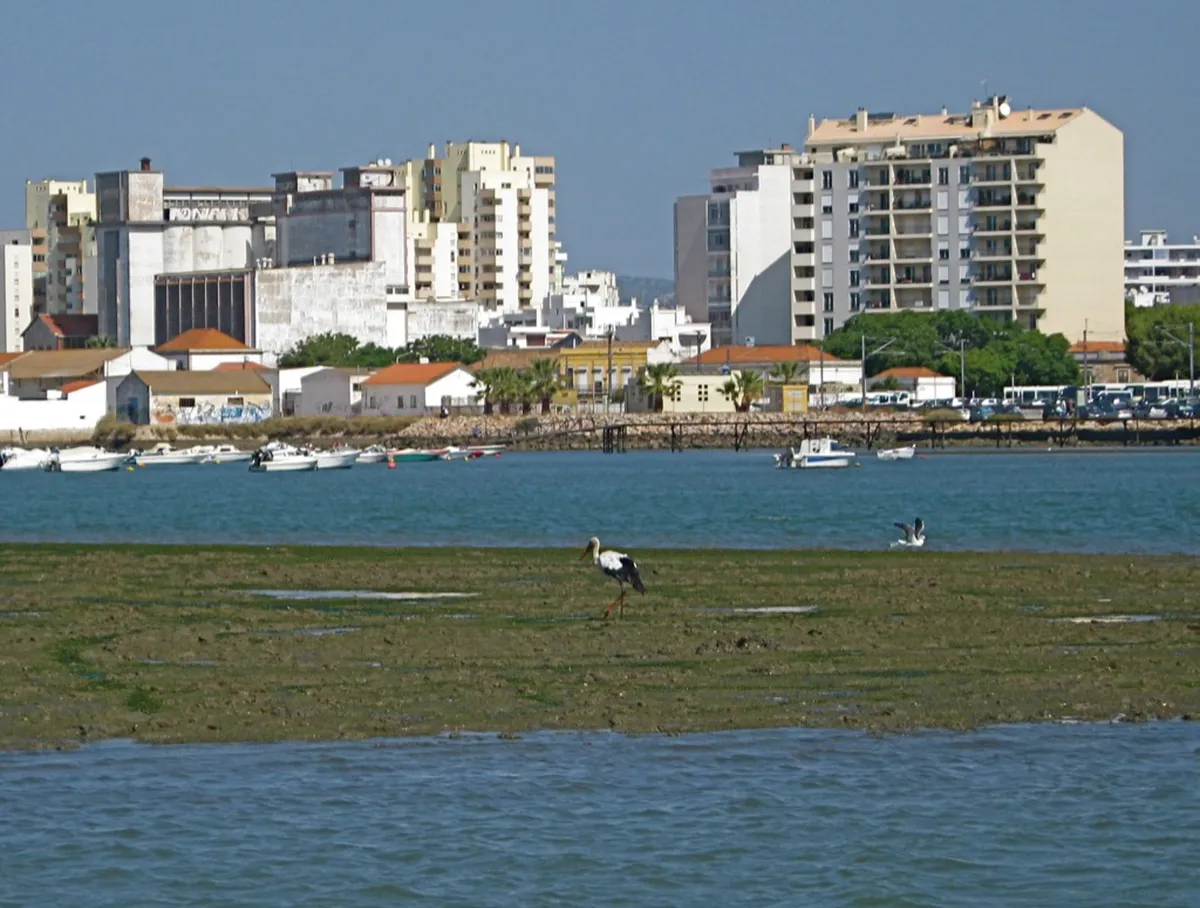
The Parque Natural da Ria Formosa defines Faro's southern edge. This 60-kilometre system of tidal lagoons, saltwater marshes, and sandbar islands shelters seahorses, flamingos, and rare migratory birds. During summer the lagoon is at its most active and boat tours operate daily from the Cais de Embarque near the Porta Nova gateway. A guided tour lasting around three hours will visit two of the sandbar islands and return you to the city by early afternoon.
Beyond the old town, Faro's modern centre offers pedestrianised shopping on Rua de Santo António, the shaded Manuel Bívar Garden overlooking the marina, and a genuinely local dining and bar scene concentrated on Conselheiro Bivar Street. This is not a resort town — it is a working Portuguese city of 70,000 residents whose population triples in August, and that distinction is exactly what makes it worth visiting.
Must-See Faro Attractions
The Sé Cathedral (Catedral de Faro) was built in the 13th century and survived both the Reconquista and the 1755 earthquake, though it wears multiple architectural layers as a result. The bell tower climb costs around €3.50 and delivers one of the best panoramas over the Ria Formosa available without a boat. Read our complete Old Town walking guide for a full route through the historic core.
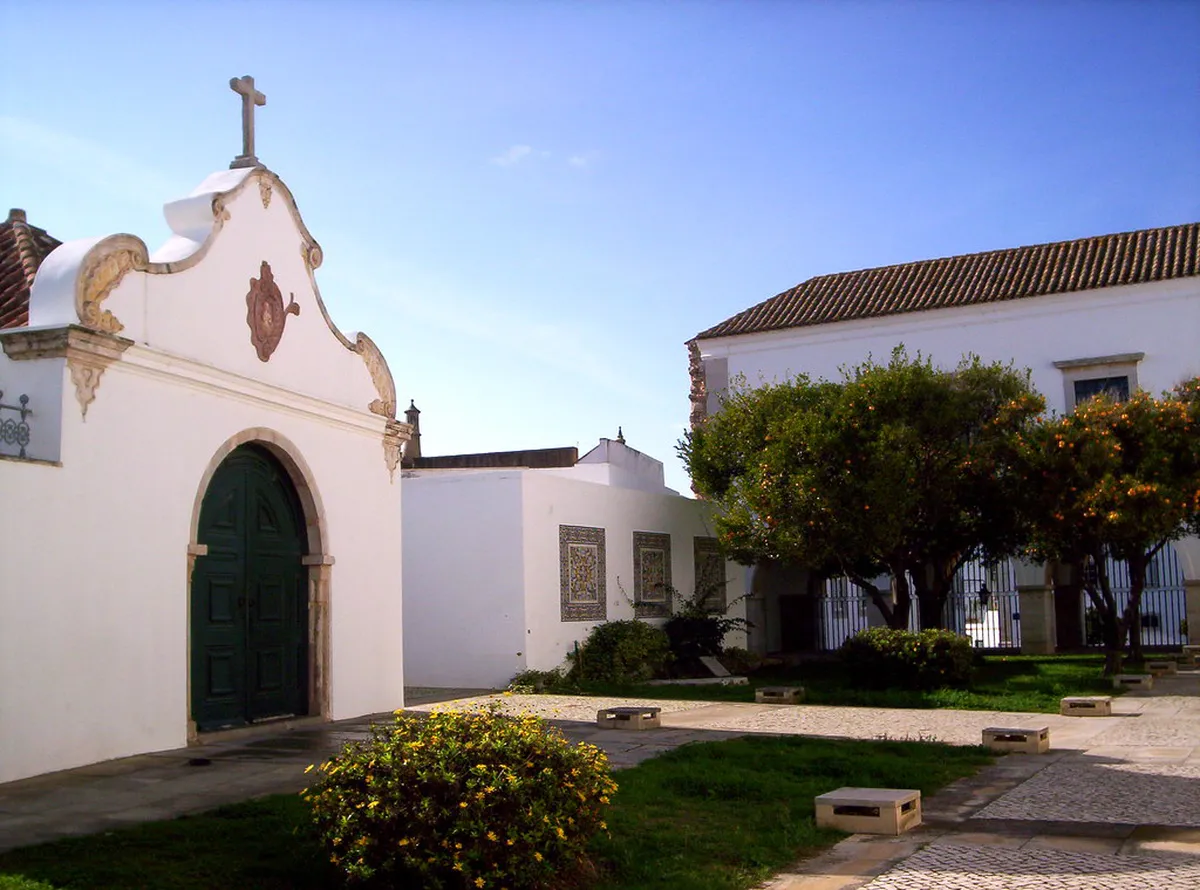
The Igreja de Nossa Senhora do Carmo contains two gilded Baroque altars and, in the courtyard behind it, the Capela dos Ossos (Bone Chapel). Built in 1719, the chapel's interior is decorated with the remains of over 1,200 monks arranged in geometric patterns — skulls included. It is open in summer from 09:00 to 18:00, Monday to Saturday. Admission is around €4.
The Arco da Vila and the adjacent city walls offer a free and visually striking introduction to the old town. Beyond the gate, the Faro Municipal Museum occupies a 16th-century convent and holds Roman mosaics, prehistoric ceramics, and medieval artifacts from excavations across the Algarve. Use our historic landmarks map to plan a logical walking sequence between these sites without doubling back.
The Beaches of Faro
Faro's beaches are not in Faro — they sit on barrier islands to the south and require a bus or ferry to reach. This surprises many first-time visitors who expect a beachfront city. None of the island beaches are visible or walkable from the city centre, and that misconception leads to poorly planned summer days.
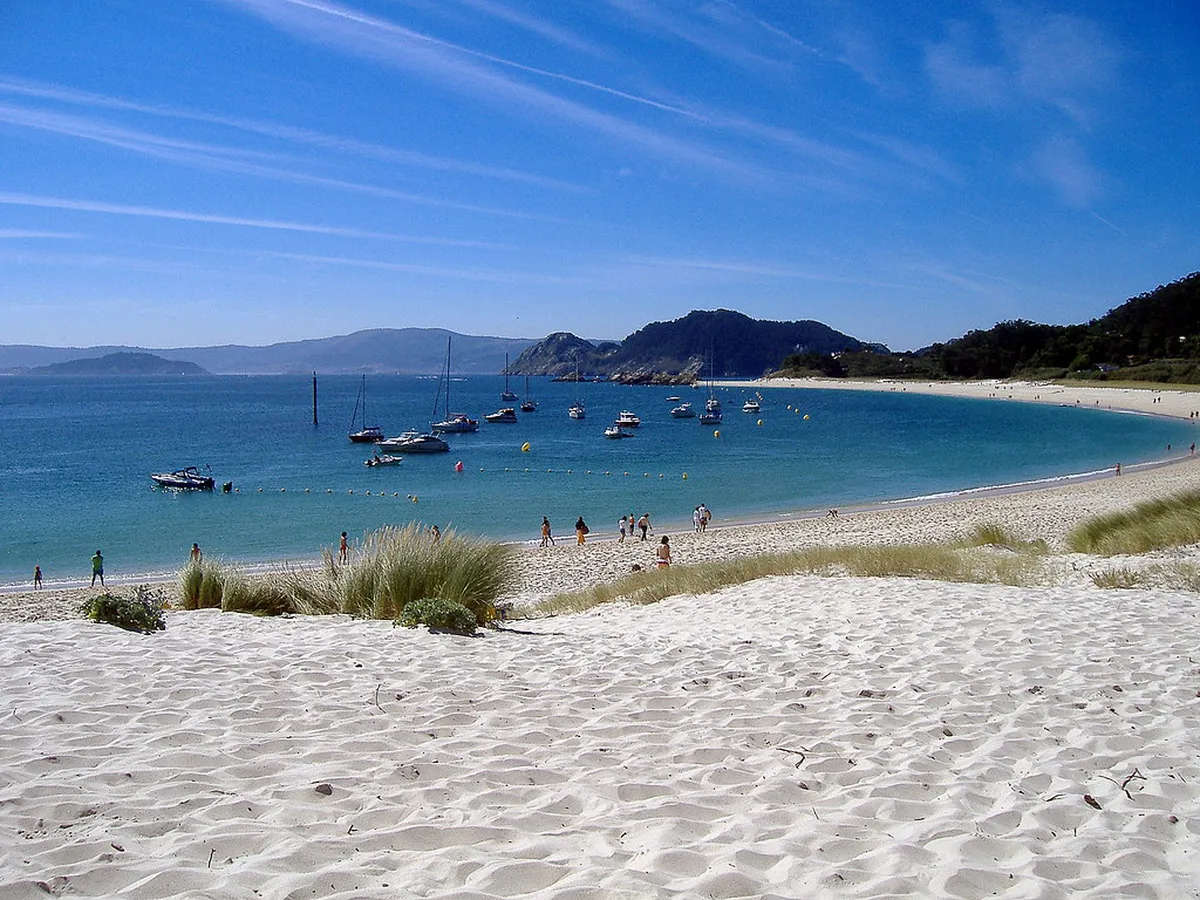
Praia de Faro is the most accessible. The beach spans five kilometres of golden sand on Ilha de Faro, connected to the mainland by a road bridge. Bus Route 16 (Próximo) departs from the city bus terminal roughly every 30 to 50 minutes between 05:00 and midnight; a single adult ticket costs €2.85. Uber and Bolt also serve the route and are faster. Waters are calm and shallow, making this the best option for families. Small restaurants and beach bars run the length of the island.
Ilha Deserta is accessible only by ferry from the Cais de Embarque, near the Porta Nova gateway in the old town. The island is uninhabited — a single wooden boardwalk crosses the scrubland to the southern beach — and the Cabo de Santa Maria at its tip is the southernmost point of Portugal. The ferry runs multiple times daily in summer; the crossing takes around 25 minutes. Praia do Farol and Praia da Ilha da Culatra on the Ilha da Culatra offer a third option, with a small fishing village alongside the beach. Always check the last return ferry time before committing to an island day in high season.
The Levante wind from the Sahara can hit Faro between June and September, pushing temperatures to 36–40°C (97–104°F) for several days at a time. When it arrives, avoid outdoor activities between 11:00 and 17:00, stay in shaded areas, and drink water constantly. The warning appears only a day or two in advance, so flexibility in your itinerary is essential.
Museums, Art, and Culture in Faro
The Museu Municipal de Faro inside the Convento de Nossa Senhora da Assunção is the most substantial cultural stop in the city. The 16th-century cloister alone is worth the entrance fee of around €2. The permanent collection spans Prehistory to the medieval period and includes a large Roman mosaic retrieved from Milreu, a Roman villa site 10 kilometres north of the city.
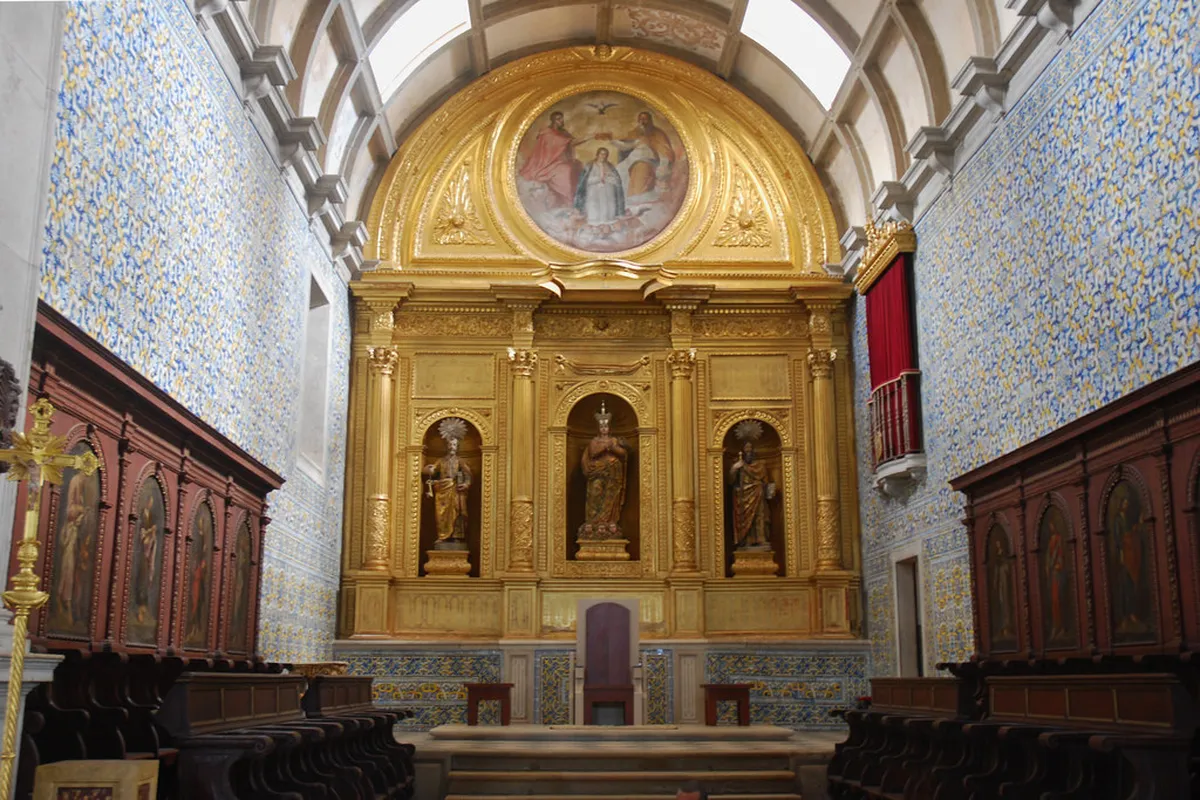
The Igreja da Misericórdia on Largo da Misericórdia dates to 1583 and displays a golden altar from the 17th century alongside azulejo tile panels depicting acts of charity. The building's Baroque facade was rebuilt after the 1755 earthquake and sits above a vaulted basement used for temporary art exhibitions in summer. The São Francisco Church on the edge of the old town holds a gilded wood altarpiece considered one of the finest examples of Baroque religious art in the Algarve.
For visitors with children, the Centro de Ciência Viva on Rua Comandante Francisco Manuel offers hands-on science exhibits, a rooftop garden, and activities including solar cooking and marine-animal touch tanks. It is open Tuesday to Sunday, 10:00 to 18:00, and costs around €5 per adult.
Parks, Gardens, and Outdoor Spots in Faro
The Manuel Bívar Garden is the city's main green space, a 19th-century riverside garden between the marina and the Arco da Vila. In summer it fills with locals escaping the afternoon heat under mature palm and fig trees. The garden overlooks the Ria Formosa and is one of the few spots in the city centre where the lagoon and distant sandbar islands are visible.
The Parque Natural da Ria Formosa is best explored by boat in summer when water levels are high and bird activity is at its peak. Guided kayak tours of the lagoon channels offer a quieter alternative to motor boats and typically cost around €35 per person for a two-hour session. Birdwatchers should ask operators specifically about flamingo colonies, which congregate in the shallow marshes closest to Faro between June and September.
The Milreu Roman Ruins near the village of Estoi, 10 kilometres north by bus or car, are set in an open-air site with preserved mosaic floors, a fish pond sanctuary, and the remains of a 4th-century Christian basilica. Entry costs approximately €2 and the site is shaded enough to visit comfortably even at midday in July.
Family-Friendly and Budget-Friendly Options in Faro
Faro is significantly cheaper than Albufeira or Lagos during peak season. A meal for two at a local tasca away from the marina costs €20–30 including wine. The Route 16 bus to Praia de Faro at €2.85 each way is far cheaper than resort shuttle buses or taxis from the larger beach towns. Accommodation at a mid-range hotel in the city centre runs €80–150 per night in July compared to €200+ at equivalent quality in Vilamoura.
Families with young children benefit from Praia de Faro's shallow, calm water on the lagoon-facing side of the island. The Centro de Ciência Viva keeps children engaged on days too hot for the beach (peak heat 13:00 to 16:00). The Manuel Bívar Garden has shaded benches and a safe walking perimeter. None of these require a car.
Budget travelers should use public transport exclusively: the airport bus (Route 16, €2.85), trains to Tavira (€3.50, 40 minutes) and Olhão (€2.20, 15 minutes), and the intercity bus to Lagos (around €8, 2 hours). Buying tickets directly from Comboios de Portugal (cp.pt) or the Vamus bus app avoids the surcharges on third-party resellers — a meaningful saving on multi-day Algarve travel.
Book ferries to Ilha Deserta and guided Ria Formosa boat tours at least one day in advance in July and August — peak-season capacity fills by midday. Book accommodation three to four months ahead for July and August travel, and reserve restaurant tables at dinner time during the same period.
| Beach / Island | Access | Travel Time | Cost | Best For |
|---|---|---|---|---|
| Praia de Faro (Ilha de Faro) | Bus Route 16 from city terminal | 15–20 minutes | €2.85 per person | Families; calm, shallow water |
| Ilha Deserta | Ferry from Cais de Embarque (old town) | 25 minutes | €5–7 return | Solitude; unspoiled wilderness |
| Ilha da Culatra | Ferry from Cais de Embarque | 30–40 minutes | €5–7 return | Fishing village beach experience |
| Ria Formosa Lagoon (boat tour) | Guided motor boat or kayak from pier | 2–3 hours | €25–35 per person | Birdwatching; flamingos; natural marshes |
Restaurants and Dining in Faro
Faro's dining scene is anchored in straightforward Portuguese cooking — grilled fish, cataplana seafood stews, and black pork (porco preto) from the Alentejo interior. The city's restaurants serve a predominantly local clientele, which keeps standards high and menus honest. Avoid the tourist-facing terrace restaurants along the marina promenade, where prices are higher and menus lean on English-language specials boards.
Tasca do João in the city centre offers a tapas-style menu of small plates suited to grazing over a long lunch. The octopus salad and garlic-fried black pork strips are the dishes most recommended by regulars. Os Manos is the reference point for grilled fish — a no-frills room where the daily menu changes with whatever arrived at the morning market. Go hungry: portions are sized for fishermen, not tourists. Cidade Velha restaurant, close to the cathedral, offers a more composed menu of local cuisine and is the best option for a sit-down dinner inside the old town walls.
Seafood markets in nearby Olhão, a 15-minute train ride east, are open Tuesday through Saturday mornings and sell clams, percebes (barnacles), and fresh tuna at prices well below any restaurant. Buying from the market and picnicking on the waterfront is a practical option for budget-conscious visitors willing to travel slightly out of the city.
How to Plan a Smooth Faro Attractions Day
Start before 09:30. The Cidade Velha is best explored in the morning before heat builds in the narrow cobbled lanes. A logical walking sequence runs: Arco da Vila → Largo da Sé → Sé Cathedral bell tower → Faro Municipal Museum → Arco do Repouso → Rua de Santo António → Igreja do Carmo and Bone Chapel. This circuit takes 2.5 to 3 hours at a comfortable pace.
Lunch between 12:30 and 14:00 gives the temperature time to peak and pass. Use this break to eat at a tasca away from the waterfront, then head to the beach or lagoon in the late afternoon when the air cools slightly and the light becomes better for photography. Ferries to Ilha Deserta run until early evening in summer — check the return schedule at the pier before boarding.
Allow three days minimum for a complete visit: one day for the old town and city attractions, one day for a beach island, and one day for a day trip to Olhão, Tavira, or Estoi. For a purely summer stay focused on beaches and boat tours, the sequence changes — prioritise the Ria Formosa boat tour on your first morning before tour capacity fills, then alternate city and beach days.
Faro is the Algarve's Transport Hub
Faro is the only point in the Algarve from which the entire region is reachable by public transport. The train station and intercity bus terminal sit side by side, 200 metres from the airport bus stop and 400 metres from the old town. Eastbound trains reach Olhão in 15 minutes (€2.20) and Tavira in 40 minutes (€3.50). Westbound trains reach Lagos in approximately 2 hours (€10) with a change at Tunes. Find detailed transport logistics in our city navigation and transport guide.
The airport bus (Route 16) runs every 30 to 50 minutes and costs €2.85 to the city centre. A taxi from arrivals costs €15–20 with the meter running; always confirm the meter is on before moving. Uber and Bolt are available at the airport in summer but waits can stretch to 15–20 minutes during peak arrival slots in July and August. Pre-booked private transfers start from around €25 and include a meet-and-greet at the arrivals gate.
One practical warning: third-party ticket resellers charge significant booking fees for train and bus tickets. Buy directly from Comboios de Portugal (cp.pt) for trains, Vamus (vamusalgarve.pt) for regional buses, and Rede Expressos for intercity coaches. Passengers with direct-purchase tickets receive priority rebooking when services are cancelled or overbooked — a real consideration during the August peak.
Day Trips from Faro
Olhão is the easiest and most rewarding day trip. The 15-minute train journey deposits you directly in front of the town's famous covered markets, which operate Tuesday through Saturday. The fish market and produce market occupy two adjacent waterfront buildings and are busiest between 08:00 and 13:00. From Olhão's pier, ferries also depart for the Culatra and Armona islands — an alternative beach day for visitors who have already done the Faro island circuit. For more day-trip recommendations from Faro, consult our regional guide.
Tavira, 40 minutes east by train, is consistently described as the most architecturally charming town in the Algarve. A Roman bridge crosses the Gilão River through the centre of town, and the old quarter preserves a concentration of 16th and 17th-century churches. From Tavira's pier, a small ferry crosses to Ilha de Tavira, a long barrier island with calm, uncrowded beaches that rival any in the region. Loulé is worth a Saturday visit for its weekly market on the edge of town, where local farmers sell produce alongside craft vendors.
Estoi village (10 kilometres north by bus) pairs the Palácio de Estoi — a Rococo manor with terraced gardens decorated with blue-and-white azulejo tiles — with the Milreu Roman ruins next door. The combination takes 2 to 3 hours and works well as a half-day trip. Our regional day-trip guide covers transport options and logistics for all of these destinations, including Lagos' beaches on the western Algarve coast.
When is the Best Time to Visit Faro?
Summer (June–August) is the peak season for beaches, boat tours, and nightlife, but it is also the hottest and most expensive period. August in particular sees crowds in every supermarket, restaurant, and ferry queue — Faro's resident population of 70,000 effectively triples. If you are here primarily for the Ria Formosa islands and evening city life, summer is the obvious choice. Just book everything well in advance.
September offers the best balance: sea temperature is still warm (around 22–23°C), crowds thin noticeably after the first week, and hotel rates drop by 20–30% compared to July. May and early June are strong alternatives for sightseeing and hiking without the heat intensity. For a broader seasonal comparison and month-by-month detail, see the best time to visit Faro overview.
The Levante — a hot dry wind from the Sahara — can hit at any point between June and September, pushing temperatures to 36–40°C for two to five days at a time. There is no predicting it in advance. When it arrives, move sightseeing to the shaded old town in the morning and skip outdoor beach time between 11:00 and 17:00. The Ria Formosa lagoon provides some wind-driven relief at the beach bars on the island shore.
Frequently Asked Questions
Is Faro too hot in August?
August in Faro is very hot with temps near 30°C / 86°F. It is also the busiest month for tourism in the Algarve. Expect crowded beaches and higher prices for most hotels.
Can I visit Faro on a budget in summer?
Yes, you can visit Faro on a budget by staying in hostels. Eat at local tascas away from the main marina to save money. Use the public ferries instead of private water taxis.
How long should I spend in Faro?
Most travelers find that two or three days are enough for Faro. This allows time for the old town and one island trip. Use extra days for regional day trips by train.
Faro in summer is a fantastic destination for sun and history. The city provides a unique mix of culture and coastal beauty. Plan your trip carefully to avoid the most intense heat waves. Enjoy the vibrant atmosphere of the Algarve's capital this year. If you are comparing seasons, our winter travel guide offers a compelling alternative with quieter crowds and lower prices.
Remember to book your island ferries and tours in advance. Faro serves as a perfect gateway to the rest of Portugal. We hope this guide helps you plan an unforgettable summer trip.