Faro serves as the sun-drenched gateway to Portugal's stunning Algarve region. Most travelers pass through Faro Airport without realizing the city behind it is one of southern Portugal's most rewarding places to spend three full days. This guide is built for first-timers who want culture, islands, and day trips without wasting a morning on guesswork.
Three days is enough to walk the medieval Cidade Velha, take a boat into the Ria Formosa lagoon, and reach at least one nearby town. You will not feel rushed, and you will not feel like you ran out of things to do. Planning your optimal Faro visit length is essential before you arrive. This itinerary balances those anchors and leaves room for your own pace.
Prices remain considerably lower here than in Lisbon or Porto. A full lunch with wine runs around 15 EUR at a local restaurant. Public transport covers most of what you need, and the historic center is entirely walkable. Keep a small amount of cash for markets and ferry kiosks.
Faro in 3 Days At a Glance
Each day in this itinerary anchors itself to a specific area to cut transit time. Day 1 stays entirely inside the old town and the modern baroque quarter. Day 2 moves out to the Ria Formosa lagoon and the barrier islands. Day 3 combines the municipal market with a short inland trip to Estoi and Milreu.
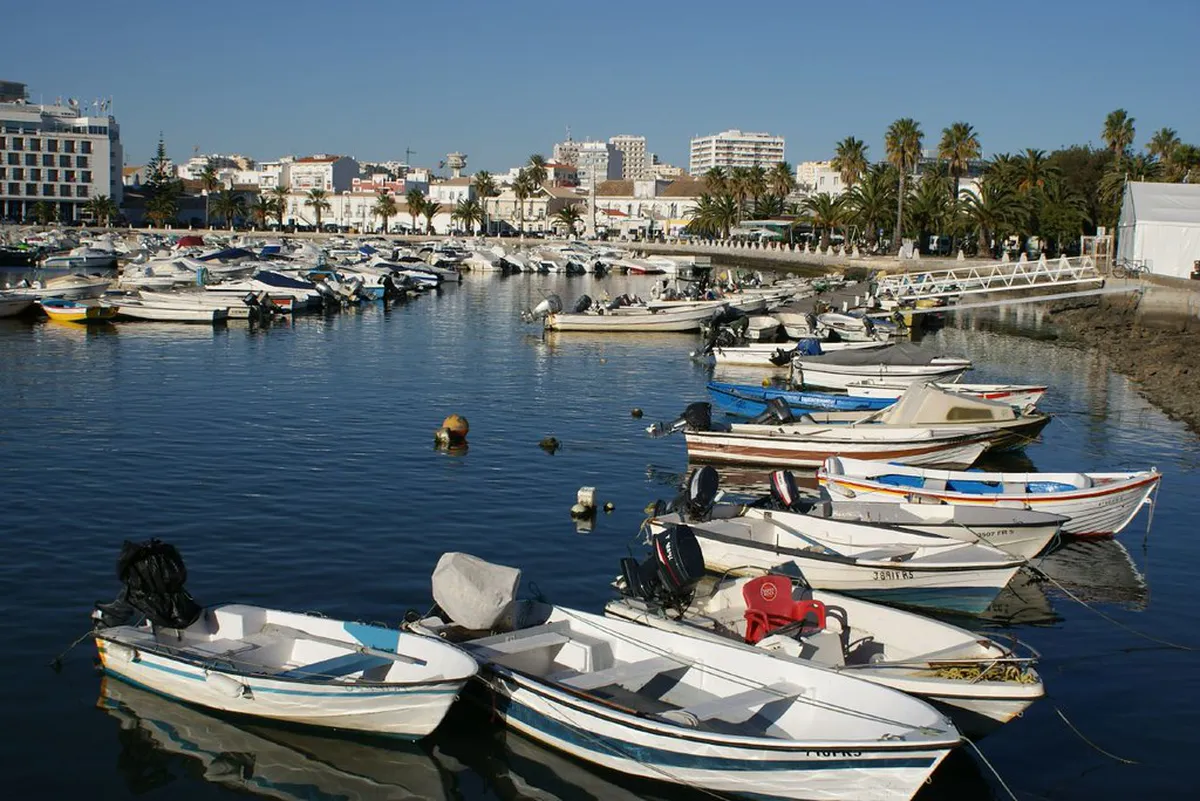
The city is compact enough that a car is unnecessary for the core plan. Public ferries and small shuttle boats run regularly from the pier near the historic district. Early mornings reward you with soft Atlantic light and thinner crowds at the cathedral. Evenings belong to the marina, where fresh seafood restaurants stay open until around 22:00.
- Day 1: Historic Old Town and the Baroque Quarter
- Morning: Arco da Vila, Largo da Sé, and the Cathedral tower
- Afternoon: Igreja do Carmo, Bone Chapel, and the Municipal Museum
- Evening: Seafood dinner in the Jardim Manuel Bivar area
- Day 2: Ria Formosa Nature Park and Island Hopping
- Morning: Guided boat tour through the lagoon channels
- Afternoon: Ilha Deserta beach or Ilha da Culatra fishing village
- Evening: Marina cocktails and tapas
- Day 3: Local Market, Estoi Palace, and Roman Ruins
- Morning: Mercado Municipal de Faro
- Afternoon: Bus to Estoi Palace and Milreu Roman ruins
- Evening: Final seafood dinner or walk along Praia de Faro
Choosing the Right Time to Visit Faro
May and early October are the best months for this itinerary. Temperatures sit around 22–25°C, ferry services run full schedules, and accommodation costs 30–40% less than peak summer rates. The beaches are swimmable, the old town is not overwhelmed, and restaurant tables do not require advance booking weeks out.
July and August are the busiest months. Temperatures climb past 35°C and the Bone Chapel queues extend outside. Ilha Deserta ferry boats sell out by mid-morning on weekends. If you visit in summer, book island boat tours at least two days ahead and arrive at popular sites right when they open at 10:00.
Summer ferries to Ilha Deserta run roughly hourly from Cais da Porta Nova, but weekend boats can be fully booked by mid-morning. Book your ferry at least one day ahead if visiting in July or August, and arrive at the pier by 09:30 for the best departure times.
Winter (November–February) is mild by northern European standards, averaging 17°C, but island ferry services run reduced schedules. The Ilha Deserta ferry from Cais da Porta Nova typically cuts to three or four departures daily between October and April, compared to roughly hourly in summer. Confirm the latest schedule at the pier before planning Day 2 around an island visit. Winter works well if your focus is the old town, day trips to Tavira or Loulé, and unhurried restaurant meals.
The Santos Populares festival in June fills the streets with music and food stalls around Praça da Pontinha. Festival F in early September brings concerts into the historic centre. Both are worth planning around if you enjoy street culture.
The Ultimate 3 Days in Faro Itinerary
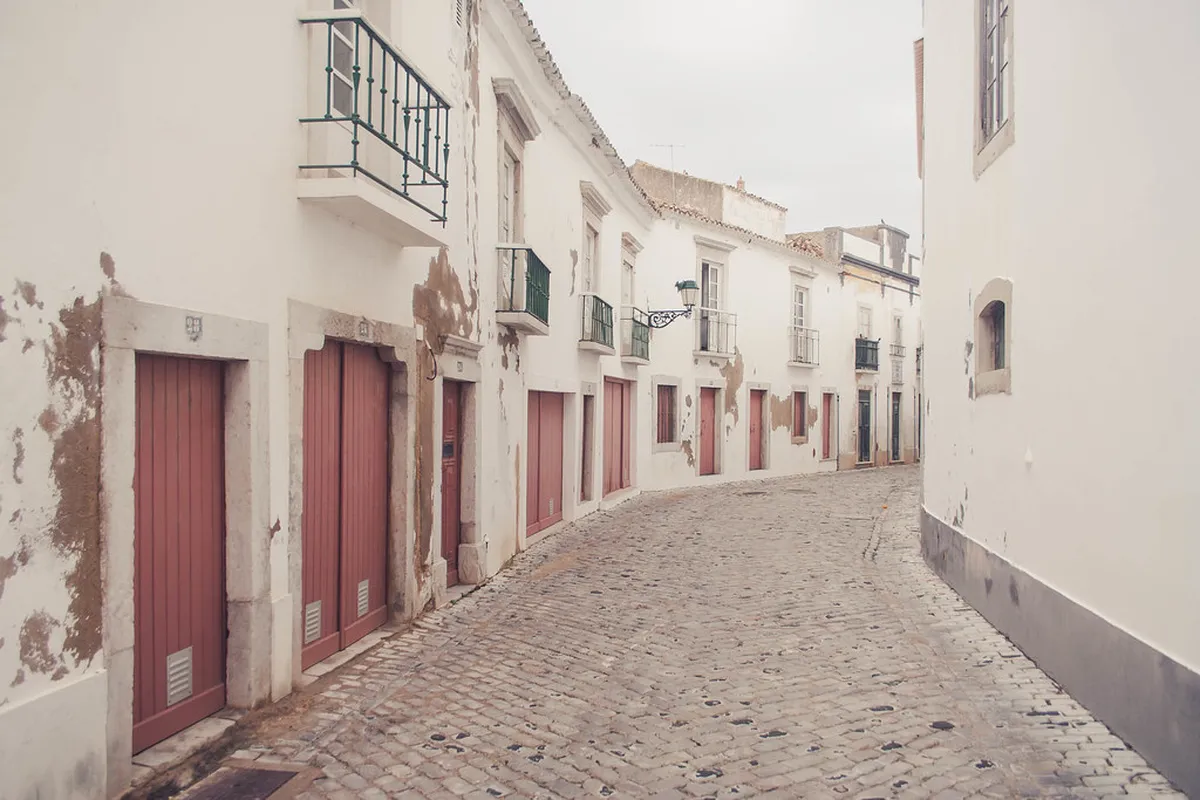
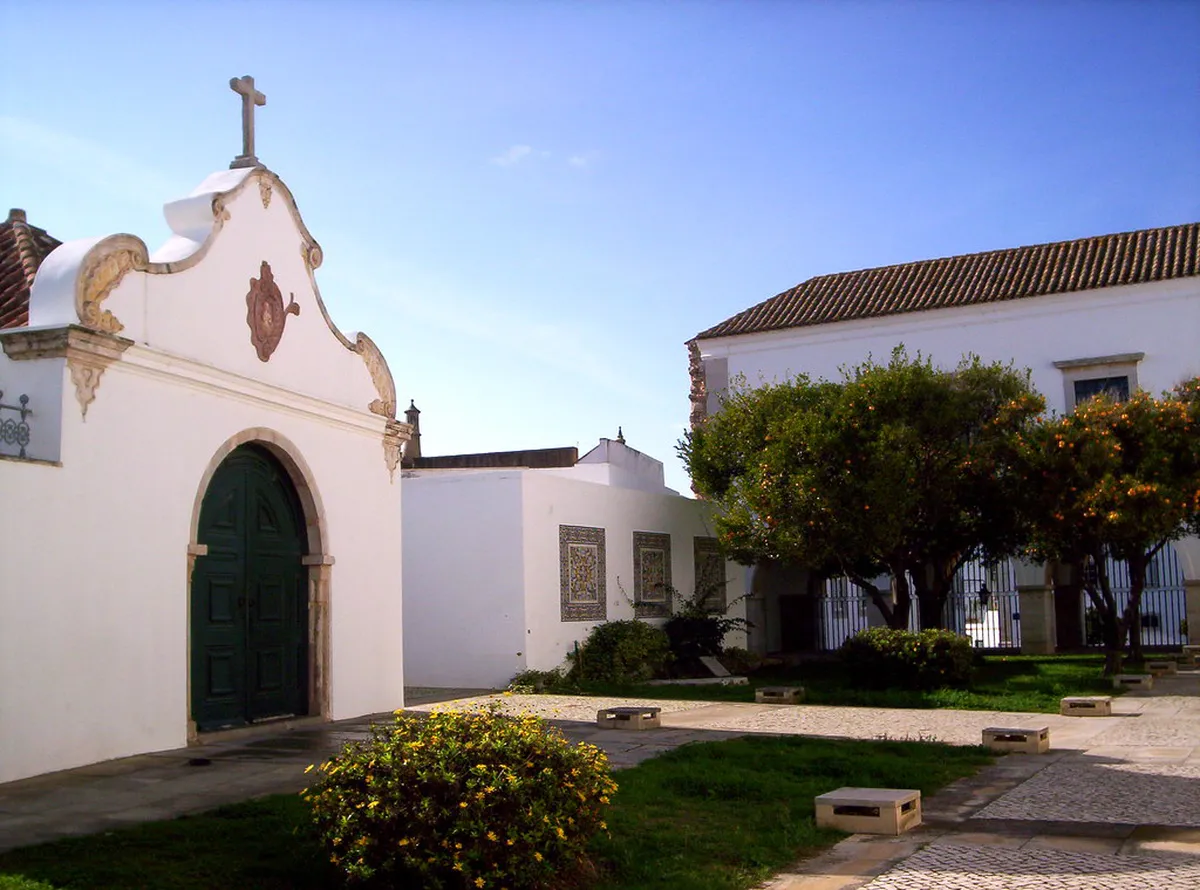
Day one begins in the Faro's historic Old Town, known locally as Cidade Velha. Pass through the neoclassical Arco da Vila to enter the walled city. The arch is a composite structure: the outer neoclassical shell dates from 1812, but it frames an original 11th-century Moorish archway within. Beyond it, the Largo da Sé opens into one of the most peaceful squares in southern Portugal, shaded by orange trees and framed by the Episcopal Palace.
Climb the Cathedral tower for the best panoramic view over the terracotta rooftops and the Ria Formosa lagoon beyond. The cathedral dates to 1251 and survived the 1755 earthquake that flattened much of Portugal. Inside, look for the organ decorated with Chinese motifs — a quiet reminder of Portugal's Age of Discovery. Entry costs 3.50 EUR and includes the tower; it opens at 10:00 and closes Sunday mornings for mass.
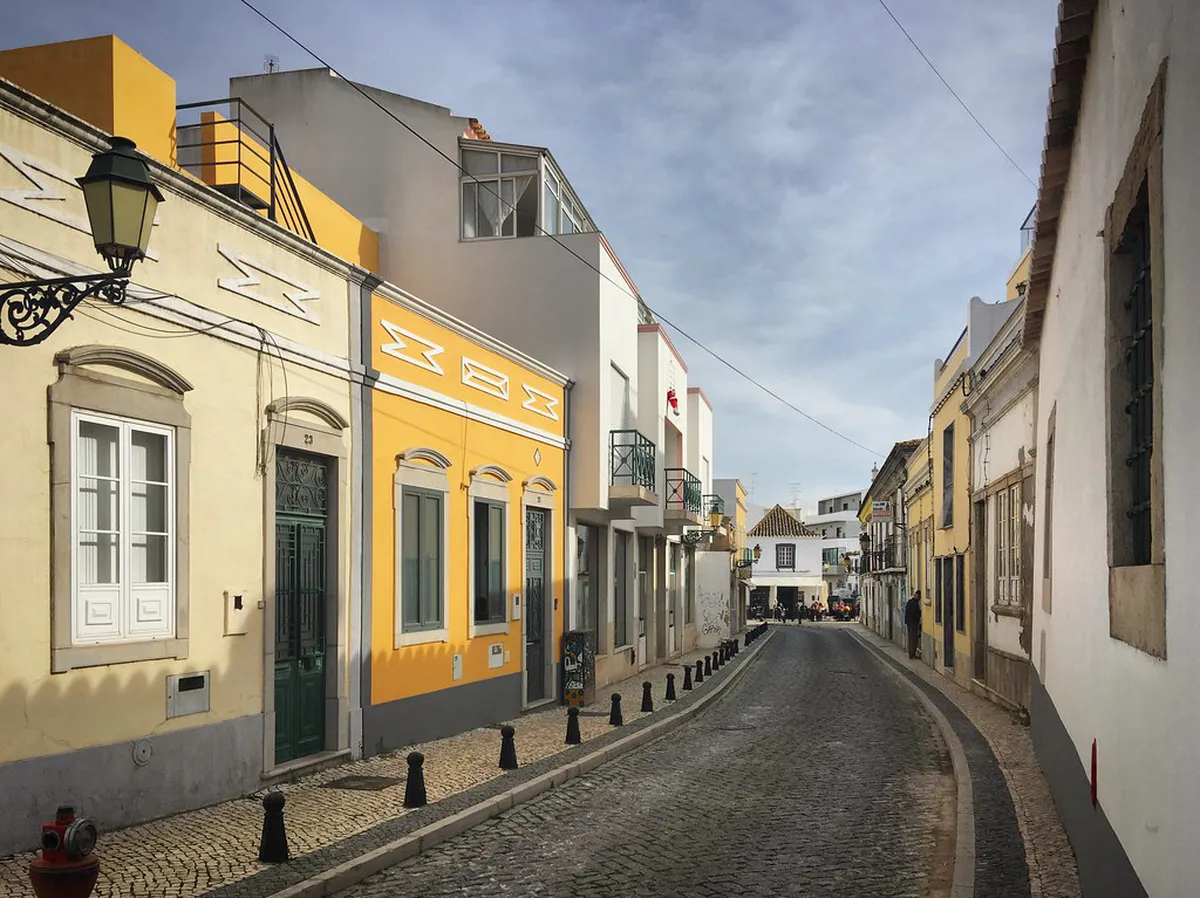
Afternoon on Day 1 belongs to Igreja do Carmo and the Bone Chapel behind it. The church is one of Portugal's finest baroque buildings, its white facade capped by stork nests. Behind the main building is the Capela dos Ossos, where the walls and ceiling are lined with the skulls and bones of over 1,000 monks, exhumed from a nearby cemetery in the 19th century. Entry costs 2 EUR. Arrive at the 15:00 afternoon reopening to avoid the morning tour buses. Finish the day at the Museu Municipal de Faro, inside the old convent cloister, where Roman mosaics and regional artefacts fill the rooms around a courtyard watched over by stone gargoyles.
The Bone Chapel (Capela dos Ossos) closes during morning and lunch hours, reopening at 15:00. This timing is built into the itinerary on purpose — visiting at the afternoon window keeps you away from tour-bus crowds and gives the interior a more contemplative atmosphere.
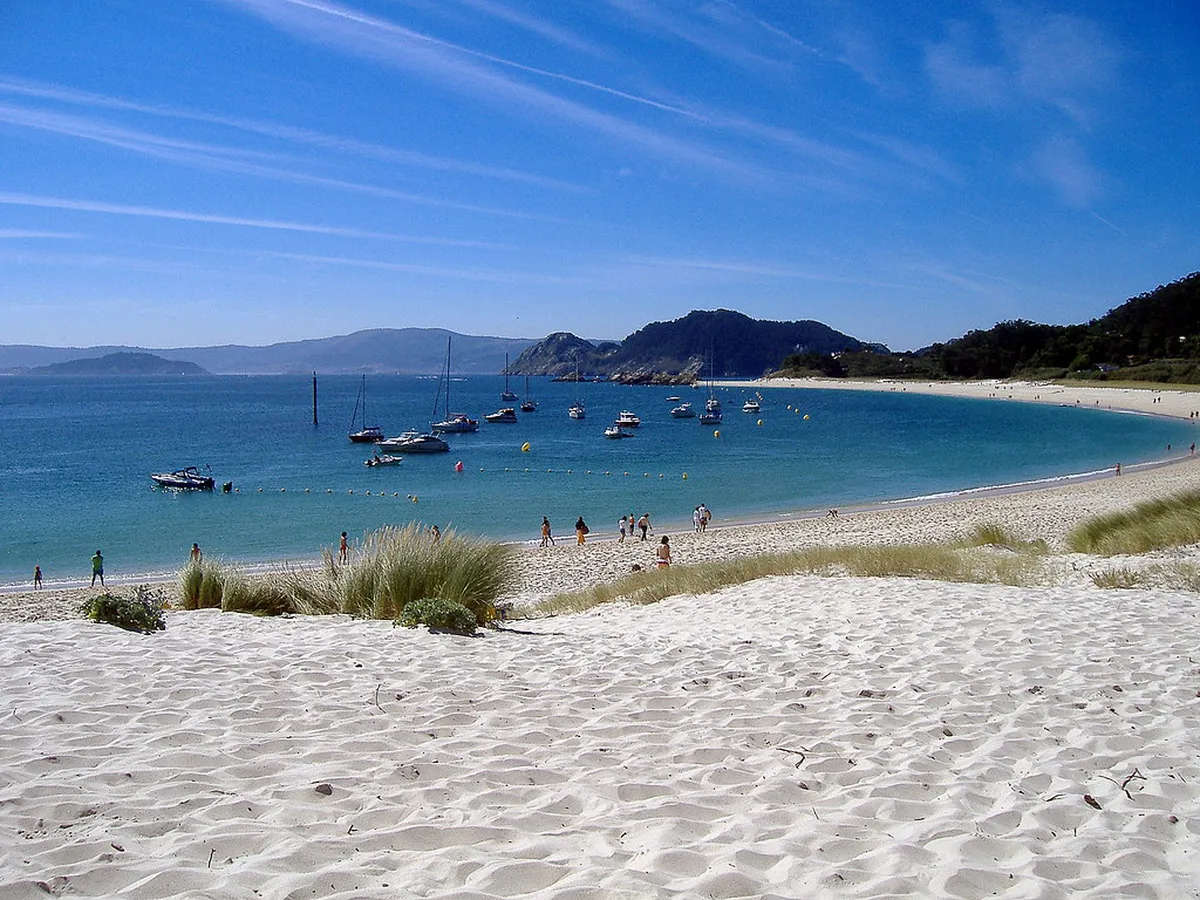
Day two is the Ria Formosa. This coastal lagoon stretches 60 kilometres along the Algarve coast and is one of Portugal's Seven Natural Wonders. Ferries depart from Cais da Porta Nova, near the historic district. The most rewarding single island is Ilha Deserta — uninhabited, seven kilometres long, and home to one of Europe's largest seahorse populations in its shallow channels. The only facility on the island is the Estaminé restaurant, which specialises in sea bass, clams, and sea bream caught the same day. A return ferry costs around 10 EUR. Alternatively, Ilha da Culatra offers a glimpse of a working Algarve fishing community, its wooden boardwalks and cottages unchanged for generations.
Day three brings you back to the mainland with a morning at the Mercado Municipal de Faro. The market is a proper working food hall — fresh Atlantic fish, local cheese, bread, and produce. After the market, Bus 65 from the main station reaches Estoi in about 25 minutes (fare under 2 EUR). In the village, the Palácio de Estoi stands behind its unmistakable pink facade, its French-style gardens open to visitors even though the palace itself is now a luxury hotel. A ten-minute walk from the palace brings you to the Milreu Roman Ruins, where 1st-century mosaics depicting sea creatures remain largely intact. Return to Faro by late afternoon in time for a final dinner near the marina.
| Day | Morning | Afternoon | Evening | Total Time |
|---|---|---|---|---|
| Day 1: Old Town | 09:30–12:30 Arco da Vila, Largo da Sé, Cathedral tower | 14:00–17:00 Igreja do Carmo, Bone Chapel, Municipal Museum | 19:00–21:30 Seafood dinner (Jardim Manuel Bivar) | ~7 hours |
| Day 2: Ria Formosa | 10:00–13:00 Ferry or guided boat tour | 13:30–17:00 Ilha Deserta or Ilha da Culatra | 18:30–21:00 Marina tapas & wine | ~8 hours |
| Day 3: Market & Ruins | 09:00–11:30 Mercado Municipal de Faro | 13:00–16:30 Bus 65 to Estoi Palace & Milreu ruins (~25 min) | 18:00–20:30 Final dinner or sunset walk | ~7 hours |
- Day 1: Walking through the Historic Old Town
- Morning: 09:30–12:30, Arco da Vila, Largo da Sé, Cathedral tower, and city walls.
- Afternoon: 14:00–17:00, Igreja do Carmo, Bone Chapel, and Municipal Museum.
- Evening: 19:00–21:30, Seafood dinner near the Jardim Manuel Bivar.
- Time: ~7 hours of active exploration.
- Logistics: Entirely walkable; historic streets are mostly flat but the limestone cobbles are uneven.
- Optional: Swap the museum for a wine tasting or local craft beer bar in the modern quarter.
- Day 2: Exploring Islands and the Ria Formosa
- Morning: 10:00–13:00, Guided boat tour or ferry into the lagoon channels.
- Afternoon: 13:30–17:00, Ilha Deserta beach or Ilha da Culatra fishing village.
- Evening: 18:30–21:00, Tapas and wine at a marina-side bar.
- Time: ~8 hours including ferry travel.
- Logistics: Ferries to Ilha Deserta cost ~10 EUR return; private guided tours range from 30–50 EUR.
- Optional: Visit Ilha da Culatra for the fishing village atmosphere rather than beach time.
- Day 3: Local Market, Estoi, and Roman Ruins
- Morning: 09:00–11:30, Mercado Municipal and local coffee shops.
- Afternoon: 13:00–16:30, Bus trip to Estoi Palace (Bus 65, ~25 min) and Milreu Roman ruins.
- Evening: 18:00–20:30, Final dinner near the marina or a sunset walk toward Praia de Faro.
- Time: ~7 hours of sightseeing plus transit.
- Logistics: Bus 65 from the main bus station; the Estoi stop is right in the village centre.
- Optional: Walk to the Milreu ruins (~10 min from the palace) to see the intact 1st-century floor mosaics.
What to Eat in Faro
Most of what ends up on your plate in Faro comes directly from the Ria Formosa. Clams, oysters, sea bass, and razor clams are the staples. The dish to order at least once is the cataplana — a stew cooked in a copper clam-shaped pot, typically made with amêijoas (clams) or tamboril (monkfish). Arroz de lingueirão (razor clam rice) is the quieter local favourite that tourists rarely think to order.
For a relaxed lunch, the area around the Jardim Manuel Bivar and the marina has several straightforward seafood restaurants. Afecto, near the city centre, serves octopus cataplana and black rice with crispy squid. São Domingos is the reliable choice for traditional seafood rice. Checkin, run by Michelin-starred Chef Leonel Pereira, operates as an informal sharing-plate restaurant open for dinner only — it is worth reserving ahead.
Budget meals are easy to find in the streets north of the cathedral. A prato do dia (daily lunch plate) with a drink costs 9–12 EUR. The municipal market has small cafés where locals eat breakfast for under 4 EUR. Avoid the restaurants immediately at the marina entrance — they charge a premium the quality rarely justifies.
Is Faro a Base or a Destination?
Many people ask if Faro is worth a dedicated three-day stay or just a stopping point. It works as both, but using it purely as a base for resort towns means missing one of the Algarve's most underrated historic centers. You can find a helpful comparison of Faro or Tavira? to help decide which suits you better.
Faro's train station connects you to every major town along the coast in under an hour. Tavira is 40 minutes east by rail. Loulé is 15 minutes north by bus. Olhão, the fishing port with its own access to the Ria Formosa islands, is just 8 minutes by train. Staying in Faro lets you access Portugal's eastern Algarve efficiently without the inflated prices of coastal resort hotels.
If you want large sandy beaches directly outside your door, Faro is not the right base. Praia de Faro requires a 30-minute bus ride or a short boat crossing to reach. But if your priority is authentic city life, varied food, and convenient transport, Faro outperforms almost every alternative in the region.
What's Worth It in Faro (and What You Can Skip)
The Cathedral tower and the Bone Chapel are both genuinely worth the entry fee. Neither takes more than 45 minutes, and both deliver something you will not see in a typical Algarve beach town. The Milreu Roman ruins are also underrated — most visitors skip them because they do not photograph as dramatically as the palace next door, but the intact floor mosaics are among the best-preserved in southern Portugal.
The Museu Regional do Algarve, on the other hand, is skippable for most first-timers. It covers the region's history through photographs and traditional objects, but the Municipal Museum inside the old convent cloister is more atmospheric and covers similar ground with better artefacts. Do not visit both on a short trip.
The tourist train is worth considering if you have young children or aching feet, but it skips the old town's interior lanes. The Centro de Ciência Viva do Algarve suits families with kids aged 6–12 — live animals and interactive exhibits on earthquakes and tides. Adults without children can safely skip it.
For day trips, Tavira is the one most worth the train fare. Olhão is excellent on Saturday mornings when the fish and produce markets both run on the waterfront. São Brás de Alportel, with its cork factory and costume museum, suits those with a specific interest in traditional industries — it moves too slowly for most general itineraries.
Where to Base Yourself in Faro
The historic district accommodations offer the most atmospheric stays for a 3-day itinerary. You will be within walking distance of the cathedral and the ferry pier. Note that some streets inside the walls are pedestrian-only, which means dragging luggage a short distance. The Hotel Faro and Beach Club, facing the marina, is well-positioned and offers Ria Formosa views from the upper floors.
The Marina area suits travelers who want water views and easy ferry access. Most upscale hotels and the RoofTop Eva bar are clustered here. Eva Senses Hotel is a reliable four-star option facing the marina with a seasonal rooftop pool. Budget travelers should look for guesthouses near the train station, ten minutes north of the historic centre, where prices drop considerably and supermarket access is easier.
For an unusual stay, the Pousada Palácio de Estoi — 10 km north of Faro — is a 19th-century palace converted into a hotel. Bus 65 connects it to the city. The Rococo lounge and gardens are exceptional, and they still serve afternoon tea in the original kitchen.
Add an Extra Day: Best Day Trips from Faro
If you have more time, several regional day-trip options are worth considering. Tavira is the first choice for most visitors — it has a Roman bridge, 37 churches, a hilltop castle, and access to the beaches of Ilha de Tavira. Trains run frequently from Faro station and take about 40 minutes (fare around 3 EUR). The town is easy to explore on foot in half a day.
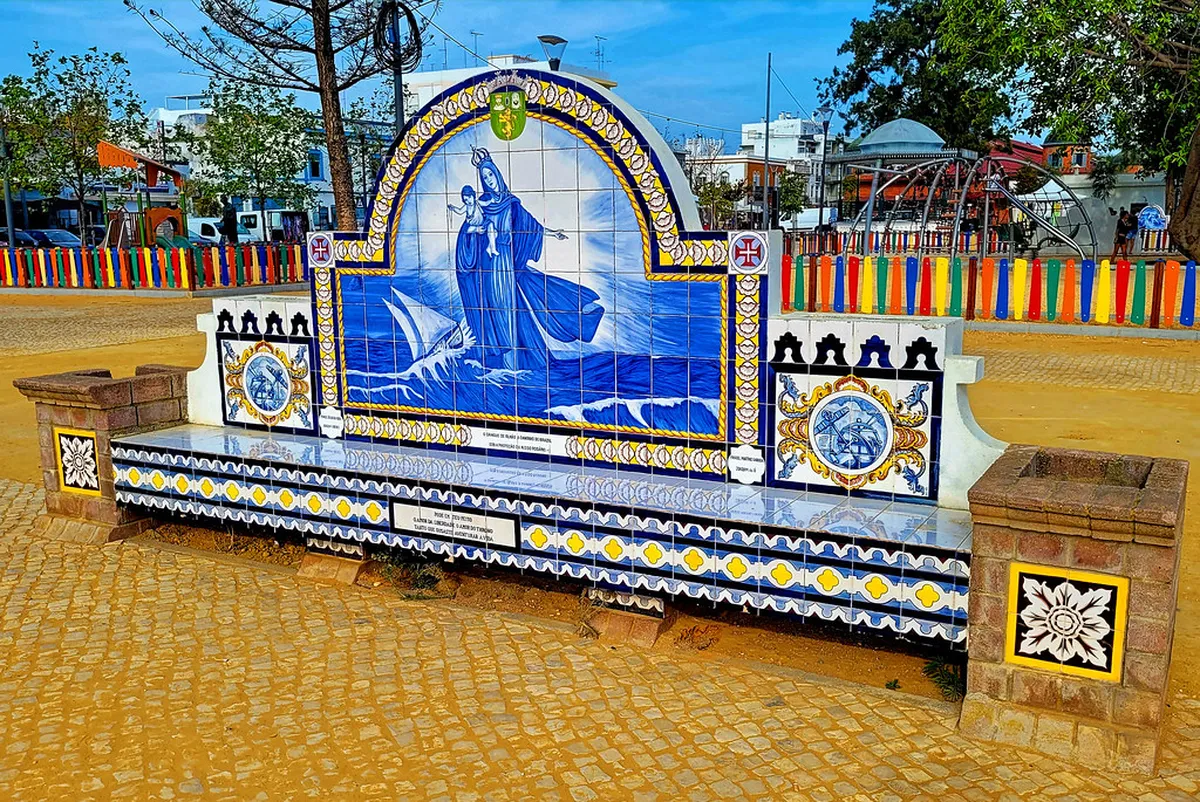
Olhão is a faster and often overlooked alternative. The train ride takes only 8 minutes and costs under 2 EUR. Olhão's Saturday waterfront market combines the fish market and the produce market in one place. From Olhão, ferries to Ilha da Culatra and Ilha da Armona are cheaper and less crowded than the equivalent boats from Faro — worth knowing if you want a second island day without the peak-season queues.
Loulé is another option for a morning excursion, reachable by bus in about 20 minutes using local transit connections. The town is famous for its 1908 Neo-Arab covered market, which sells fresh produce and handicrafts. A Moorish castle and contemporary galleries fill out the afternoon. For nature lovers who want dramatic sea caves, the Benagil Cave is popular but requires a longer journey west — a guided van tour is the most practical option from Faro.
Frequently Asked Questions
Is 3 days in Faro enough for a first visit?
Yes, three days is the ideal duration for exploring the historic center and the Ria Formosa islands. It allows you to see the main landmarks without feeling rushed. You can also include a half-day trip to Estoi or a nearby beach.
How long should you stay in Portugal for a full tour?
Most travelers spend 7 to 10 days to cover major regions like Lisbon and the Algarve. For a focused coastal trip, how many days in Portugal? depends on your interest in history versus beach time. Three days in Faro is a perfect start.
Do I need a car for this Faro itinerary?
A car is not necessary for this specific three-day plan. The city center is walkable, and boats or buses reach the islands and Estoi. You only need a vehicle if you plan to explore remote western Algarve beaches.
Faro is a destination that rewards travelers who take the time to look deeper. Beyond the airport lies a city rich in history and natural splendor. I hope this itinerary helps you make the most of your Portuguese coastal escape. Enjoy the fresh seafood and the warm hospitality of the Algarve people. To see exactly where all these landmarks sit relative to each other, our Faro historic landmarks guide with full mapping provides the complete spatial picture.
Remember to check ferry schedules and museum hours locally for the latest updates in 2026. Walking through these ancient streets is a highlight of any European journey. Safe travels as you explore the beautiful corners of southern Portugal.