For most travelers, Faro is just a name on a boarding pass — the airport, the rental car desk, the highway west. That is a mistake. Faro is the administrative capital of the Algarve and one of the most underrated cities in Portugal, particularly in winter. Updated for 2026, this guide covers what the city is actually like between December and February: the weather, the open restaurants, the quiet streets, and the details that make the off-season the best season to visit.
The city does not close in winter. Locals eat out, coffee shops fill up on rainy afternoons, and the historic quarter is completely walkable without a crowd in sight. Prices for four-star hotels often fall below what a summer hostel costs. If you want to understand when Faro is at its best, winter is a strong answer. Check the Faro Official Tourism site for current seasonal event listings.
Why Visit Faro in Winter? The Off-Season Appeal
Faro works in winter because it is a real city, not a seasonal resort. As the regional capital, it has government offices, a university, a working market, and a dining scene that runs year-round for the people who live there. When the summer tourists clear out, what remains is entirely authentic.
The practical benefits are real. Accommodation prices drop significantly — a well-rated four-star hotel near the marina can be booked for under €80 per night in January. Flights from northern Europe are cheap, and the airport is never busier than a medium-sized regional hub. You can eat at a restaurant without a booking, park your car within walking distance of the old town, and move through the city at whatever pace you like.
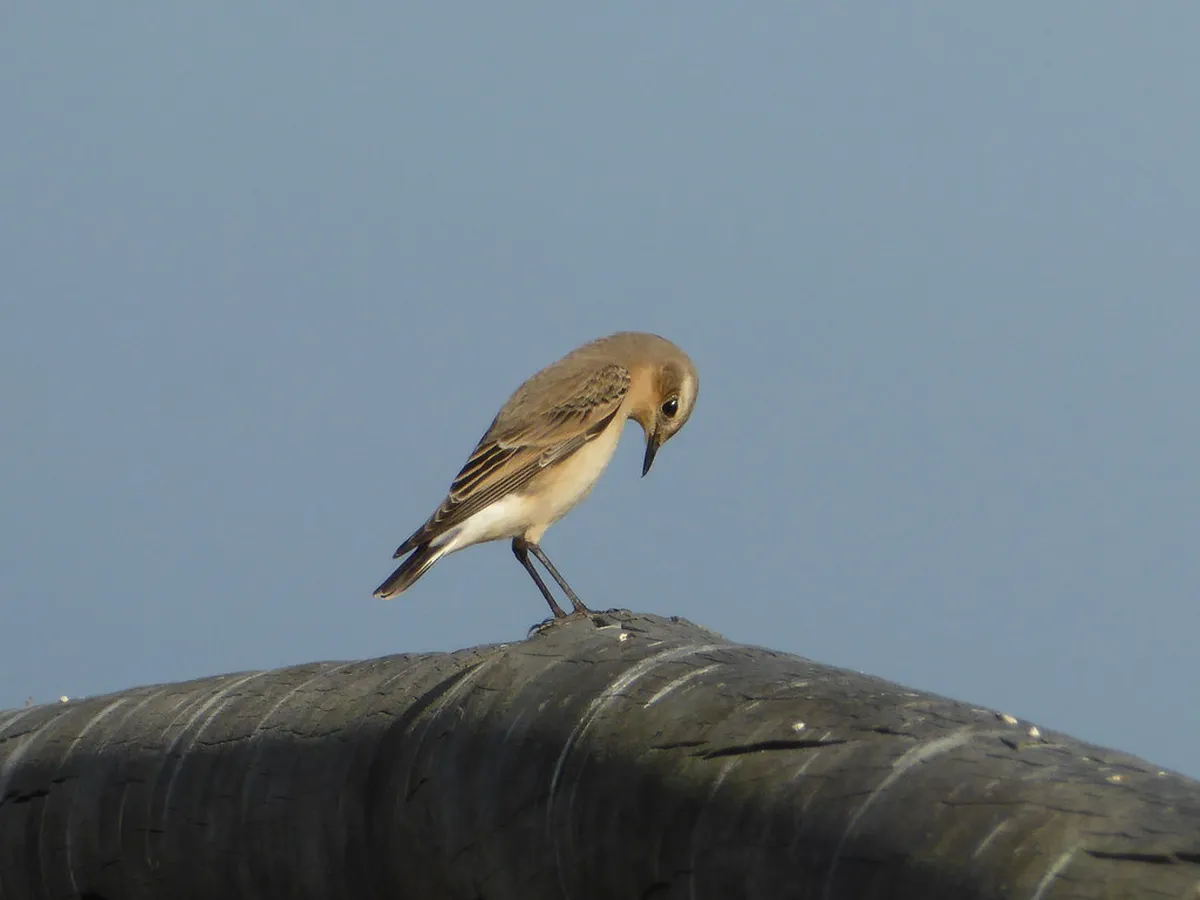
There is also the nature. The Ria Formosa lagoon is a year-round habitat for migratory birds, and winter is when flamingos, spoonbills, and waders are most concentrated in the shallows. The stork nesting season starts in January — a detail most summer visitors never experience. Faro in winter offers a side of the Algarve that the beach-and-party crowd genuinely misses.
Weather and What to Expect: Temperature and Packing
Faro has a Mediterranean climate with mild, occasionally wet winters. Daytime temperatures in December and January typically sit between 12–17°C / 54–63°F, with nights dropping to 8–10°C / 46–50°F. The sun appears regularly even in January — Faro averages around 300 days of sunshine per year — but Atlantic fronts can bring heavy rain for two or three days at a stretch.
Pack for variability rather than cold. A waterproof shell jacket matters more than a heavy winter coat. Atlantic humidity makes 14°C feel significantly colder than it reads, especially near the waterfront. Layering — a long-sleeve base, a mid-layer fleece, and a wind-resistant outer — covers almost every scenario you will encounter.
One item that almost every guide underemphasizes: shoes with proper grip. The traditional calçada limestone pavements in the old town are polished smooth by centuries of foot traffic. When wet, they become genuinely slippery. A flat-soled leather shoe or worn trainer can send you sideways on a damp morning. Waterproof walking shoes or rubber-soled trainers are the correct choice. Sunglasses are also essential — the winter sun stays low and reflects intensely off the white buildings and the lagoon surface.
| Month | Daytime Temp. | Nighttime Temp. | Avg. Rainy Days | Key Venues Open |
|---|---|---|---|---|
| December | 14°C / 57°F | 9°C / 48°F | 10–11 | Cathedral, Museum, Market (mornings), Restaurants (year-round) |
| January | 12°C / 54°F | 8°C / 46°F | 10–12 | Cathedral, Museum, Chapel of Bones, Boat tours (reduced), Market |
| February | 13°C / 55°F | 8°C / 46°F | 10–11 | Cathedral, Museum, Market, Lagoon tours, Ferry (weather-dependent) |
- Waterproof outer shell — more useful than a heavy coat
- Mid-layer fleece or wool sweater — evenings cool quickly after 17:00
- Waterproof walking shoes with grip — essential for wet calçada
- Sunglasses — the low winter sun is strong and reflective
- Small daypack — for layers you remove as the afternoon warms
Top Things to Do in Faro During the Winter Months
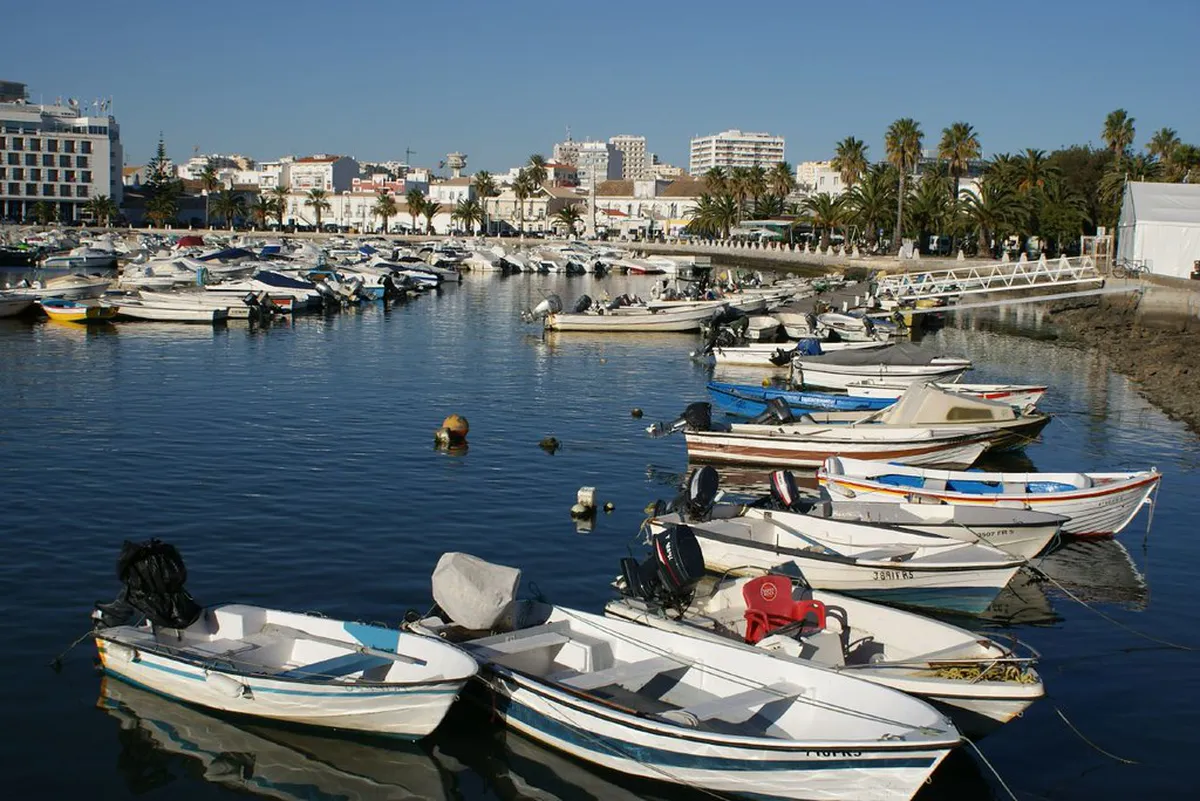
The activity list in winter is nearly identical to summer — minus the beach crowds and plus the birds. Start at the marina (Doca de Faro) on a clear morning: the light on the Ria Formosa at 09:00 in January is a different quality from anything you see in July, soft and low, with the water almost perfectly still. Walk south along the waterfront toward the Jardim Manuel Bivar and then through the Arco da Vila into the old town.
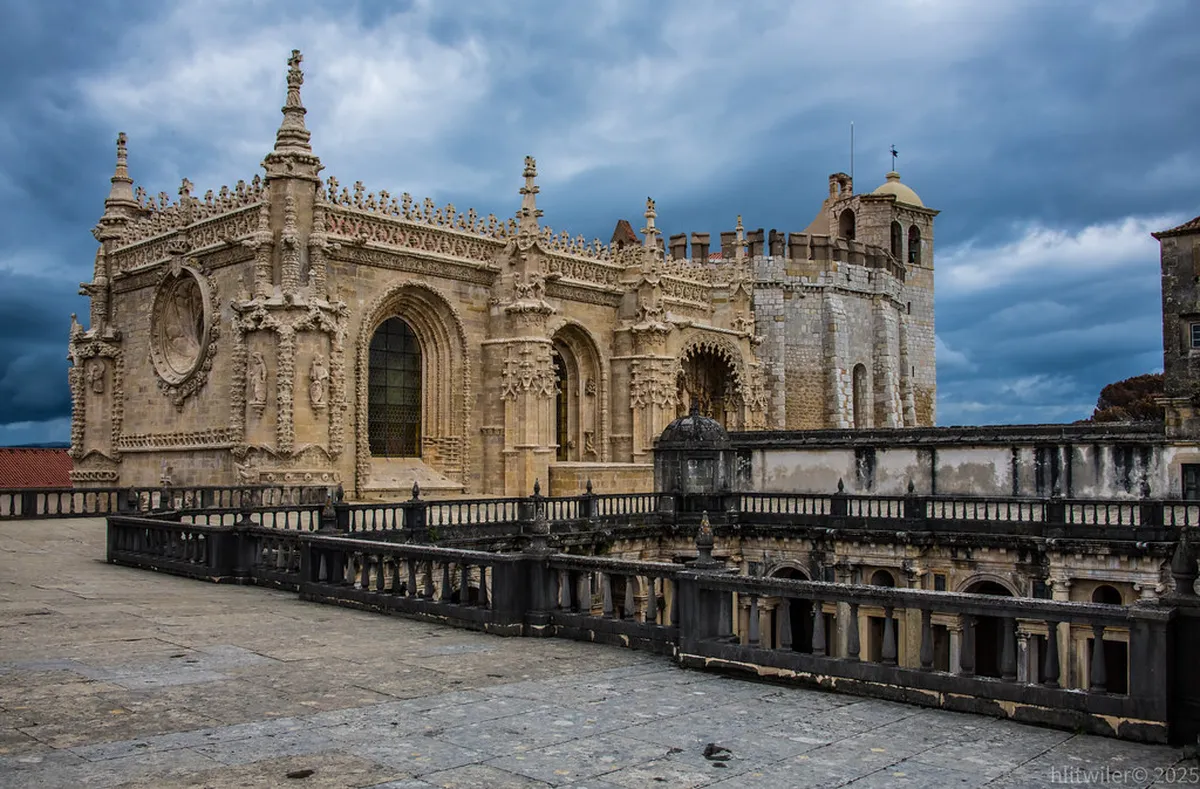
The Faro Cathedral (Sé de Faro) is worth the €3.50 entrance. The rooftop terrace gives a view over the terracotta rooftiles of Cidade Velha and, in January and February, directly onto the stork nests on adjacent chimneys. If you prefer something stranger, the Igreja do Carmo holds the Chapel of Bones — a small ossuary lined with the skulls and femurs of exhumed monks. It costs €4 to enter and takes about twenty minutes. Unexpected and genuinely memorable.
The Mercado Municipal (Municipal Market) on Largo Dr. Francisco Sá Carneiro is best visited between 08:00 and 12:00 on weekdays. Stalls sell local cheese, dried figs, smoked sausages, and fresh catch from the Ria Formosa. Bring cash — most vendors do not take card. This is where Faro's morning rhythm is clearest. On calmer days, a lagoon boat tour from the marina runs approximately €30 per person and takes around 90 minutes. The winter version has fewer passengers and better wildlife sightings.
For those who want a structured itinerary, our 1-day itinerary covers the core circuit efficiently, including the old town, lagoon waterfront, and key landmarks.
Ria Formosa Natural Park: A Winter Highlight
The Ria Formosa Natural Park is the reason Faro has a reason to exist. The lagoon system stretches 60 kilometres along the Algarve coast, protected by a chain of barrier islands, and in winter it becomes one of the best birdwatching sites in southern Portugal. Flamingos concentrate in the shallower channels. Spoonbills, grey herons, and dozens of wader species work the mudflats at low tide. The park records over 200 species annually, with the highest counts between November and March.
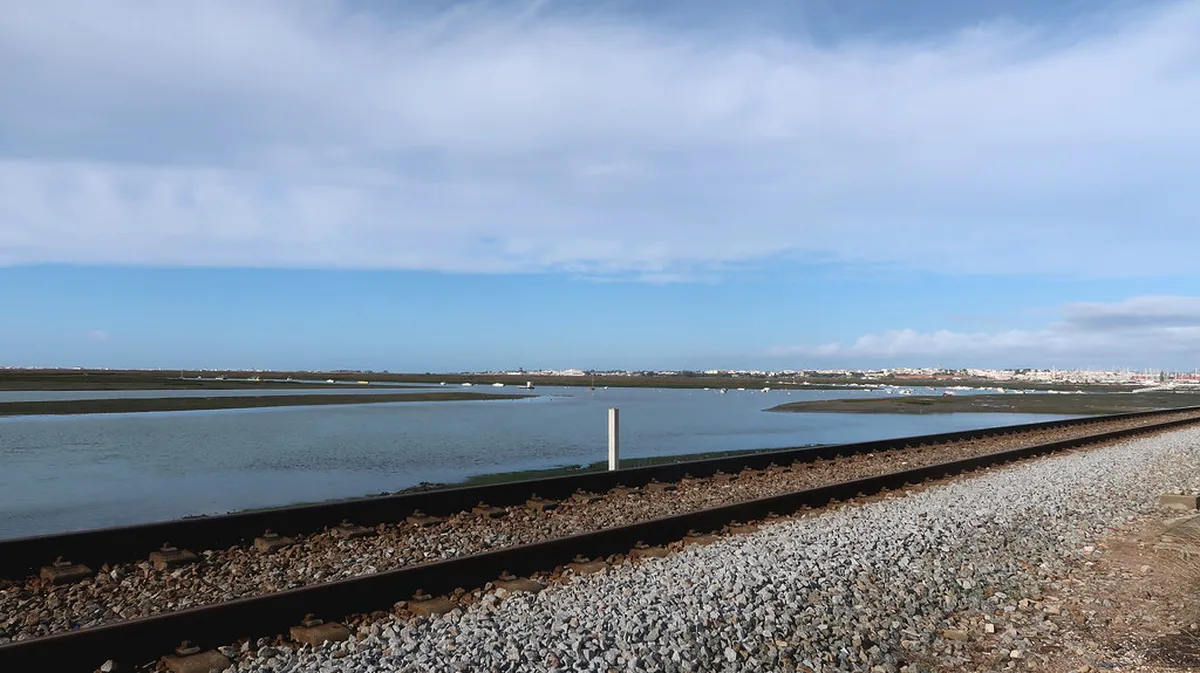
The Ludo Hiking Trail is the most accessible entry point. Park at the Praia de Faro carpark on the mainland side of the bridge — free in winter — and follow the signed path east along the lagoon edge toward Ponte da Quinta do Lago. The return walk is around 8 kilometres and takes two to three hours at a comfortable pace. The path is flat and well-marked. In winter the light is extraordinary: at around 16:00, the low sun strikes the water at a shallow angle, turning the lagoon surface a deep gold and the sky behind it a faint purple. This is not a summer phenomenon. The harsh midday light that dominates in July flattens everything; the winter sun does not reach high enough to do that.
Boat tours from the marina are a faster way to access the outer channels. Most winter tours run at 10:00 and 14:00, last around 90 minutes, and cost between €25–35 per person. On calm days the water is mirror-flat. Flamingos and occasional dolphins are both possible. Ilha Deserta, the barrier island accessible by ferry in summer, runs reduced winter services — check the schedule at the pier before planning your day around it.
Winter is the premium season for birdwatching in the Ria Formosa. Over 200 species are recorded annually, with the highest concentrations between November and March. Bring binoculars and plan boat tours for calm mornings when the water is smooth and wildlife visibility is clearest.
Cidade Velha: Exploring History Without the Rush
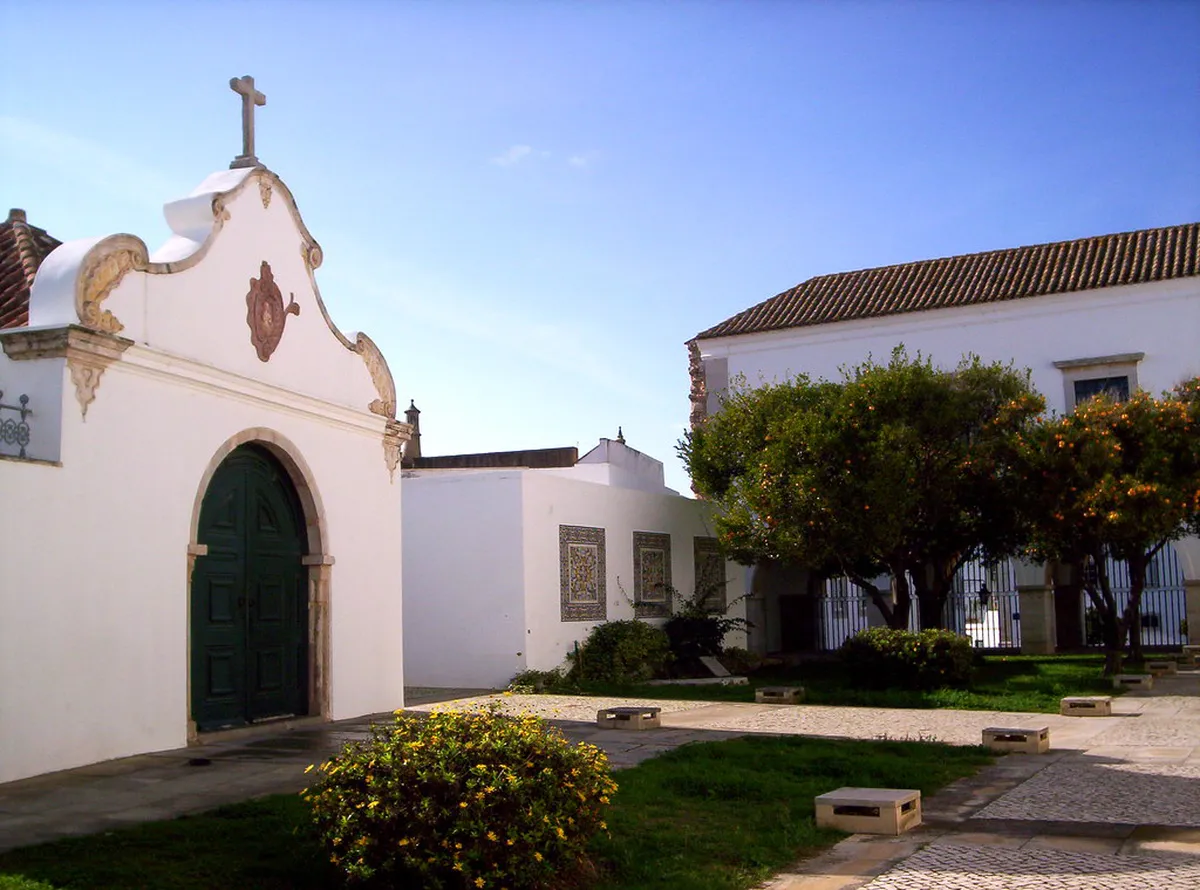
The old town, Cidade Velha, is what Faro's architecture looks like when it has not been over-restored for tourism. The walls are Roman in foundation, extended by the Moors, and rebuilt after the 1755 earthquake. The Arco da Vila, the main entrance gate, was added in the 19th century in a neoclassical style — but the archway it replaced is far older. In winter, you walk through it into a space that has perhaps twenty other people in it. In August, the same arch funnels hundreds.
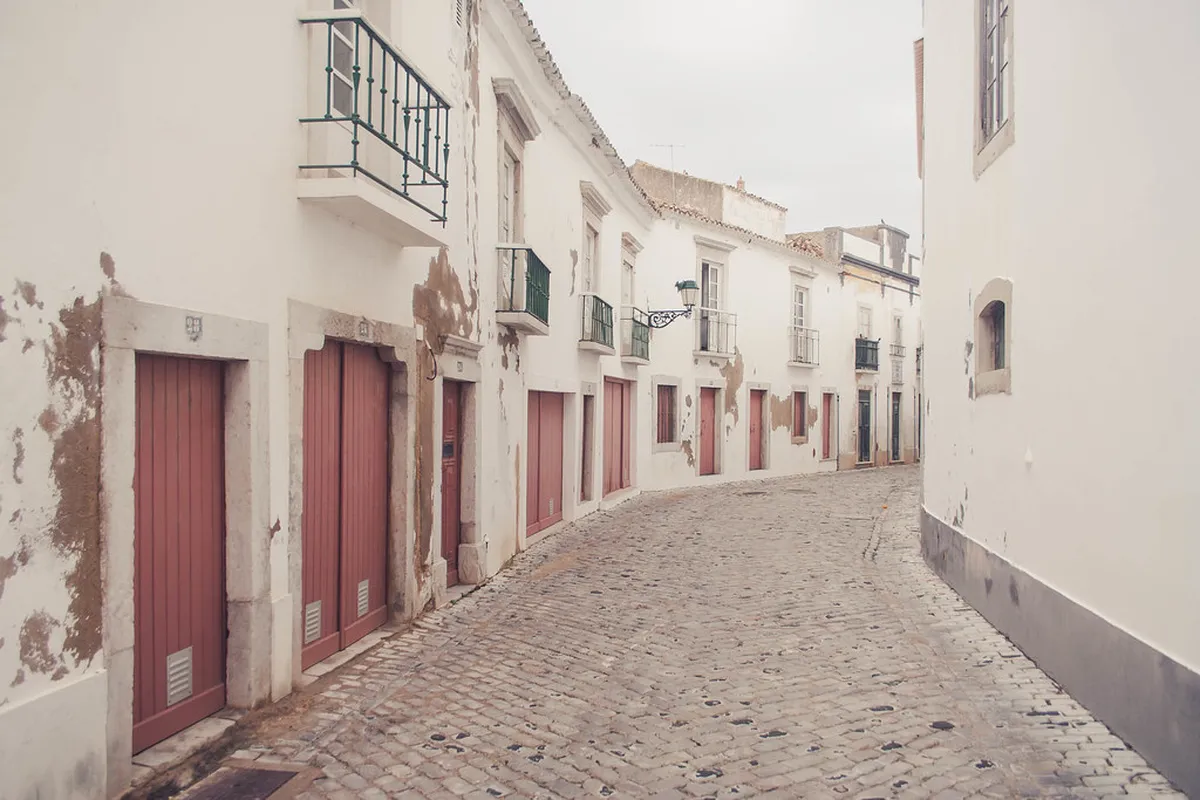
The streets inside Cidade Velha are narrow, the buildings predominantly whitewashed with yellow trim, and the calçada underfoot is uneven in the way that centuries of use creates. The Sé de Faro dominates the central square. In January and February, look up at the chimneys on the buildings immediately surrounding the cathedral — this is where the storks nest. They return from West Africa in late December and early January, build massive stick platforms on chimney pots and old structures, and announce themselves by clattering their beaks in a rapid drumming sound that echoes around the square. The sound is distinctive and surprising if you are not expecting it. The best viewing positions are from the cathedral rooftop and from the public square directly below the town walls at the southeastern corner.
Beyond the storks, the old town rewards slow walking. The Museum of Faro (Museu Municipal de Faro) on Praça Afonso III houses Roman mosaics, Moorish ceramics, and a collection of paintings in a converted convent. It opens Tuesday through Sunday, 10:00–18:00, and costs €2. Worth at least 45 minutes. If you are exploring the Faro old town in detail, this museum anchors the visit.
Winter Dining: Authentic Food Without the Performance
Faro's dining scene is the most convincing argument for visiting in winter. The restaurants that survive year-round survive on local custom, which means they are focused on quality and value rather than tourist throughput. Service slows down in a good way — waiters have time for conversation, and meals are not rushed.
Cataplana — a copper-pot seafood stew — is the dish to order in winter. Most restaurants along the waterfront and in the old town serve it for two, typically priced between €28–38. It takes 20–25 minutes to prepare and arrives at the table in the sealed pot it cooked in. Arroz de marisco (seafood rice) is similar in spirit and usually cheaper, around €16–20 for a generous portion. Local wine from the Algarve — Wines of Algarve DOC — is consistently good and reasonably priced; a bottle at a mid-range restaurant runs €15–22.
A practical note on Sundays: more restaurants close on Sunday evenings than in any other season. If you are arriving on a Sunday or have an early Monday flight, plan your main dinner for Saturday. This is not a Faro problem specifically — it is a Portuguese rhythm — but it catches a surprising number of winter visitors unprepared. The old town area has a higher concentration of restaurants that do stay open on Sundays than the marina strip.
Rainy Day Faro: A Practical Indoor Contingency
Winter in Faro averages 10–12 rainy days per month in December and January. Most pass quickly, but a full day of heavy Atlantic rain is possible. The good news is that Faro has better indoor options than most Algarve towns of its size, precisely because it is a functioning city rather than a seasonal resort.
The Museu Municipal de Faro (Praça Afonso III, open Tue–Sun 10:00–18:00, €2) covers two floors of Roman and Moorish heritage inside a 16th-century convent. The cloisters alone are worth the entrance fee on a wet day. The Igreja do Carmo and its attached Chapel of Bones (Largo do Carmo, open Mon–Sat, approx €4) is a 20-minute stop that is genuinely unlike anything else in the Algarve. The Maritime Museum (Rua da Comunidade Lusíada, free entry) is smaller but shows the fishing and trade history of the lagoon in detail that outdoor visits do not convey.
For a less structured rainy day, the covered section of the Mercado Municipal works until noon. After that, the pedestrianized shopping streets behind Jardim Manuel Bivar have independent bookshops, ceramic shops, and cafes that are reliably open regardless of weather. A long lunch at a tiled interior restaurant with a bottle of local white wine is, frankly, the correct response to a Faro rainy day. The city is built for exactly this kind of slow afternoon.
Best Day Trips from Faro in the Off-Season
Faro's position in the eastern Algarve makes it the most practical hub for regional exploration in winter. The train runs east to Tavira (30 minutes, around €3) and west to Lagos (2 hours, around €8) with reliable year-round frequency. Many day-trippers rent a car, which opens up the inland villages that public transport cannot reach. See these incredible day trip options for a full regional breakdown.
Tavira is the strongest day trip in winter. It is a smaller town than Faro with a Roman bridge, a castle ruin, and a riverside market that operates daily. The crowds are even thinner than in Faro, the restaurants are excellent, and the drive or train ride takes under 30 minutes. Estói, 12 kilometres north of Faro, has a well-preserved Roman archaeological site (Milreu Ruins, open Tue–Sun, €2) and a hilltop palace converted to a pousada. Both are easy morning excursions that return you to Faro by lunchtime.
Lagos and Sagres are further — around 75 minutes by car — but viable as a long day. Lagos retains more winter life than most western Algarve towns because of its university student population. Sagres, at the southwestern tip of continental Europe, is bleak and dramatic in winter in a way that is genuinely compelling. The wind at Cape St. Vincent can be ferocious in January. Take this as a feature, not a problem. For a more detailed look at options, our regional day-trip guide covers distance, transport, and costs for each destination.
Faro vs. Albufeira in Winter: A Direct Comparison
The most common debate for Algarve winter visitors is whether to base themselves in Faro or Albufeira. The short answer: Faro is the better winter base for anyone who wants to feel like they are in Portugal rather than in a resort on pause.
Faro is a working capital city. Its cafes, restaurants, and shops serve a year-round population of around 65,000. Albufeira, by contrast, is built around the summer season. In January, the famous Strip area is largely shuttered, the beach promenades are deserted, and the few restaurants that stay open serve a much-reduced and sometimes tourist-priced menu. There is nothing wrong with Albufeira in winter if you want beach access and quiet — it can be genuinely peaceful — but if you want a city with daily rhythm, Faro is the correct choice.
Practically: Faro has the airport, the train station, and the long-distance bus terminal, so logistics are simpler. Day trips by public transport are easier from Faro. Driving and parking in Faro itself is manageable — there is a large free car park just east of the old town walls. Albufeira requires a car for almost everything except the immediate center. If your plan is to explore the wider Algarve, Faro's transport connections give it a significant advantage.
Practical Logistics: Parking, Driving, and Getting Around
Faro is easy to navigate. The historic center is compact — you can walk from the train station to the old town gate in under 10 minutes. The marina, old town, and main pedestrianized streets are all within a 1-kilometre radius. Public buses connect the airport to the city center (Bus 16, approximately €2.35, running every 20–40 minutes), and the train station is central and well-served by regional services to Tavira and Lagos.
If you are driving, the free car park on the east side of the old town walls is the correct approach. It sits adjacent to the Jardim da Alameda, requires no ticket, and puts you within a 5-minute walk of Arco da Vila. Avoid trying to drive into the old town itself — the streets are single-lane and navigation inside Cidade Velha is disorienting for anyone unfamiliar with the layout. Street parking in the center exists but is metered and limited; the free east-side car park eliminates the stress entirely.
For the Ria Formosa hiking trails, park at Praia de Faro on the mainland side of the bridge — free in winter. The toll road system in Portugal uses electronic tags or rental car agreements; if renting, confirm with your agency how tolls are handled before departure. The roads between Faro and regional destinations are well-maintained dual carriageways. For a full breakdown of transport within the city, the getting around Faro guide covers buses, taxis, and walking routes.
When Faro Doesn't Work
Faro is not for everyone in winter. Be honest about this before you book. If your idea of a successful trip requires a beach you can swim from, winter Faro is not it. The Atlantic is around 15°C / 59°F in January — cold enough that almost no one goes in. The barrier island beaches (Ilha Deserta, Culatra) require ferry access, and those ferries run on reduced schedules that can strand you if weather changes. Walking on a deserted beach in a winter coat is available; swimming is not.
Nightlife is limited. A few bars around the pedestrianized center stay lively until midnight on weekends, and Fado performances do occur in select restaurants, but if you are expecting the evening options of Lisbon or even summer Albufeira, you will be disappointed. Sunday nights in particular are very quiet across the city.
Many small restaurants, boat tours, and attractions operate on reduced winter schedules or close for extended periods without notice. Confirm opening hours before traveling — particularly Sunday dinners, island ferries, and lagoon tours. Museums are generally reliable (Tue–Sun, 10:00–18:00), but cafes and independent shops often have shorter hours or irregular schedules.
If you hit a rainy week with consecutive fronts — not common but possible in January — the outdoor activities that define most Faro guides (lagoon walks, old town wandering, waterfront cycling) become less appealing. Faro's indoor options are decent but limited to a few museums and the market. A sustained bad-weather stretch requires patience and a good book. Know this going in, and it will not surprise you. Know this going in after reading only the sunny-photo version online, and it might.
Frequently Asked Questions
Is Faro worth visiting in winter?
Yes, Faro is excellent in winter for those seeking culture and peace. You can enjoy lower prices and authentic local life. It is perfect for bird watching and historic walks.
Can you swim in Faro in December or January?
The Atlantic Ocean is generally too cold for swimming in winter. Water temperatures hover around 15°C / 59°F. Most visitors prefer walking along the shore instead of entering the water.
How many days do you need in Faro in winter?
Plan how long to spend in Faro based on your interests. Three days is usually enough to see the main sights. Add more days for regional trips.
Faro in winter rewards the traveler who is not chasing a postcard. The storks nesting on cathedral chimneys, the 16:00 gold light on the lagoon, the cataplana arriving at a half-empty restaurant — these are the details that define the city at its most honest. The crowds have left, the prices have dropped, and what remains is a working Portuguese city living its actual life. That is, for a certain kind of traveler, exactly the point. Our Faro historic landmarks guide with detailed mapping shows you exactly where each major site sits so you can plan your winter walks with precision.
If you are deciding between this and peak season, read our budget travel guide for the full cost comparison. Winter is not just cheaper — it is a genuinely different and often better experience for anyone who prefers depth over volume.