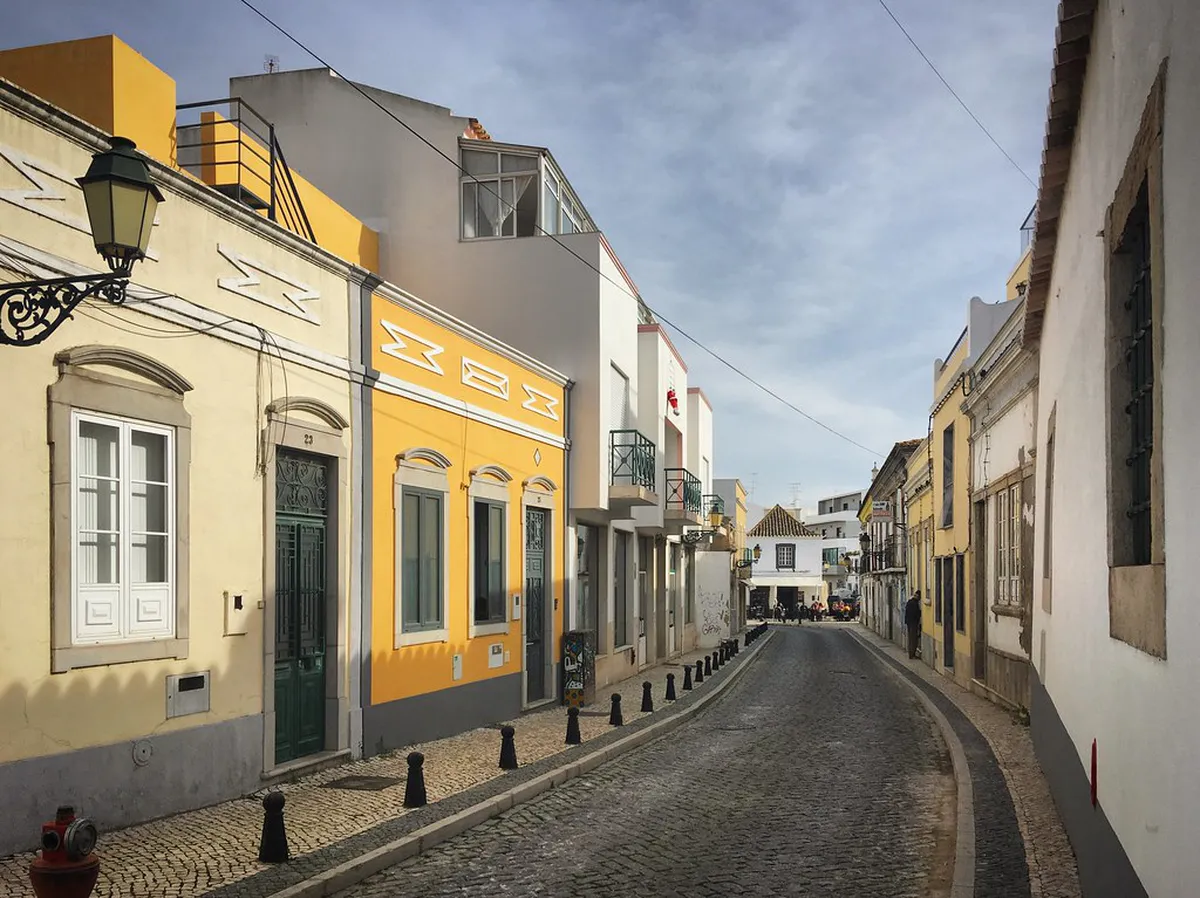
Most travelers pass through Faro for a few hours between flights and leave thinking they've seen enough. They're wrong. Faro's Cidade Velha — its walled medieval old town — rewards slower visitors with Roman foundations, Baroque churches, and a genuine Portuguese city rhythm that the Algarve's beach resorts have long since traded away.
This guide answers the core question directly: how many days in Faro do you actually need, and how should you structure them? Whether you have one afternoon, a full weekend, or three nights, the answer depends on what kind of traveler you are. We've broken that down below, then linked to the detailed day-by-day itinerary spokes so you can plan without guesswork.
Prices and hours are current for 2026. The Sé Cathedral tower (€3.50) closes on Sundays at 13:00 — a detail that catches first-timers off guard. Read the timing section before you commit to a schedule.
How Long to Stay in Faro
Three days is the consensus among locals and returning visitors. That's enough time to walk the Cidade Velha thoroughly, join a boat tour of the Ria Formosa lagoon, and still have a half-day for a day trip to Olhão or Tavira by regional train. The city is compact — roughly walkable in a morning — but the surrounding natural park and nearby towns reward the extra nights.
Two days is workable if you prioritize the old town and one island excursion, and skip the day trips. You'll cover the Sé Cathedral, the Bone Chapel at Igreja do Carmo, the Arco da Vila city gate, and the Manuel Bívar waterfront garden without feeling rushed. What you lose is breathing room: two days becomes a checklist rather than a visit.
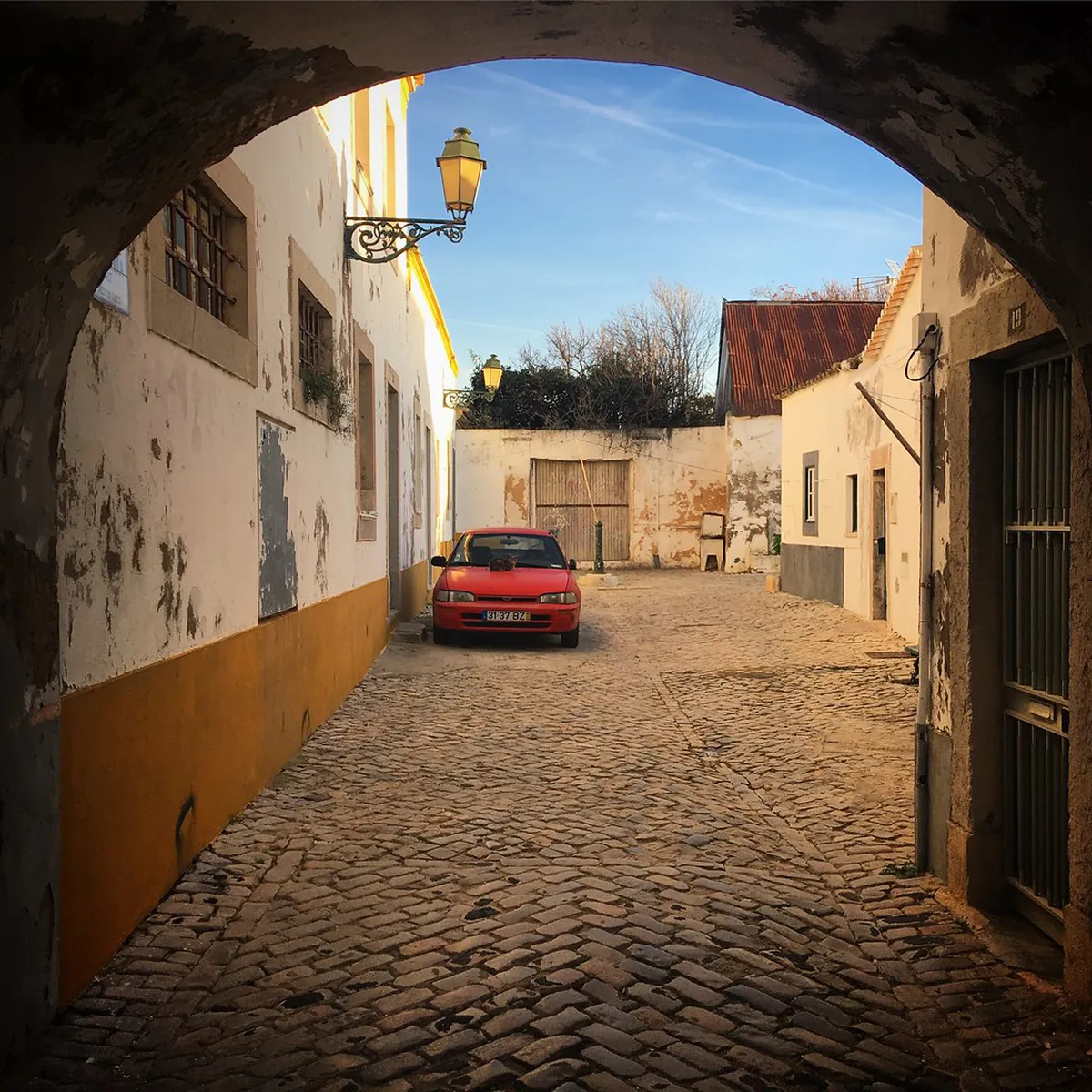
One day is enough only if you arrive early and treat Faro purely as the Cidade Velha circuit — walls, cathedral, museum, Arco da Vila, marina lunch. Do not attempt an island tour on a single day unless your ferry departs before 09:30. The Ria Formosa boats run frequently but the return crossing plus beach time easily fills five hours.
- 1 day: Old town circuit only. Best for airport-connection stopovers or those who have seen the Algarve before.
- 2 days: Old town + one Ria Formosa island. Suits culture-first travelers who don't plan day trips.
- 3 days: Old town, islands, and one day trip to Tavira or Olhão. The right call for first-time visitors.
- 4+ days: Add the inland villages of Estoi and São Brás de Alportel, or use Faro as a base for the wider Algarve.
| Days | Main Activities | Best For |
|---|---|---|
| 1 day | Old town circuit (walls, cathedral, Arco da Vila) | Airport stopovers |
| 2 days | Old town + one Ria Formosa island tour | Culture-first travelers |
| 3 days | Old town, islands, day trip to Tavira or Olhão | First-time visitors |
| 4+ days | Estoi, São Brás, wider Algarve base exploration | Extended stays |
Is Faro a Base or a Destination?
Faro works as both, but the answer shapes how many nights you book. As a destination, three nights let you cover the Cidade Velha, Ria Formosa, and at least one neighboring town at a relaxed pace. As a base for the wider Algarve, four to seven nights make sense — the train station connects east to Tavira (40 min, €3.50) and west toward Albufeira and Lagos without the cost of a hire car.
The city is noticeably cheaper than the resort strips west of it. Mid-range hotels in the marina district run €90–€130 per night in summer 2026, compared to €180–€250 in Albufeira or Lagos for equivalent quality. That price gap alone convinces many visitors to base themselves here and commute to the beaches. Consider the Faro or Tavira? comparison if you're weighing up the eastern Algarve.
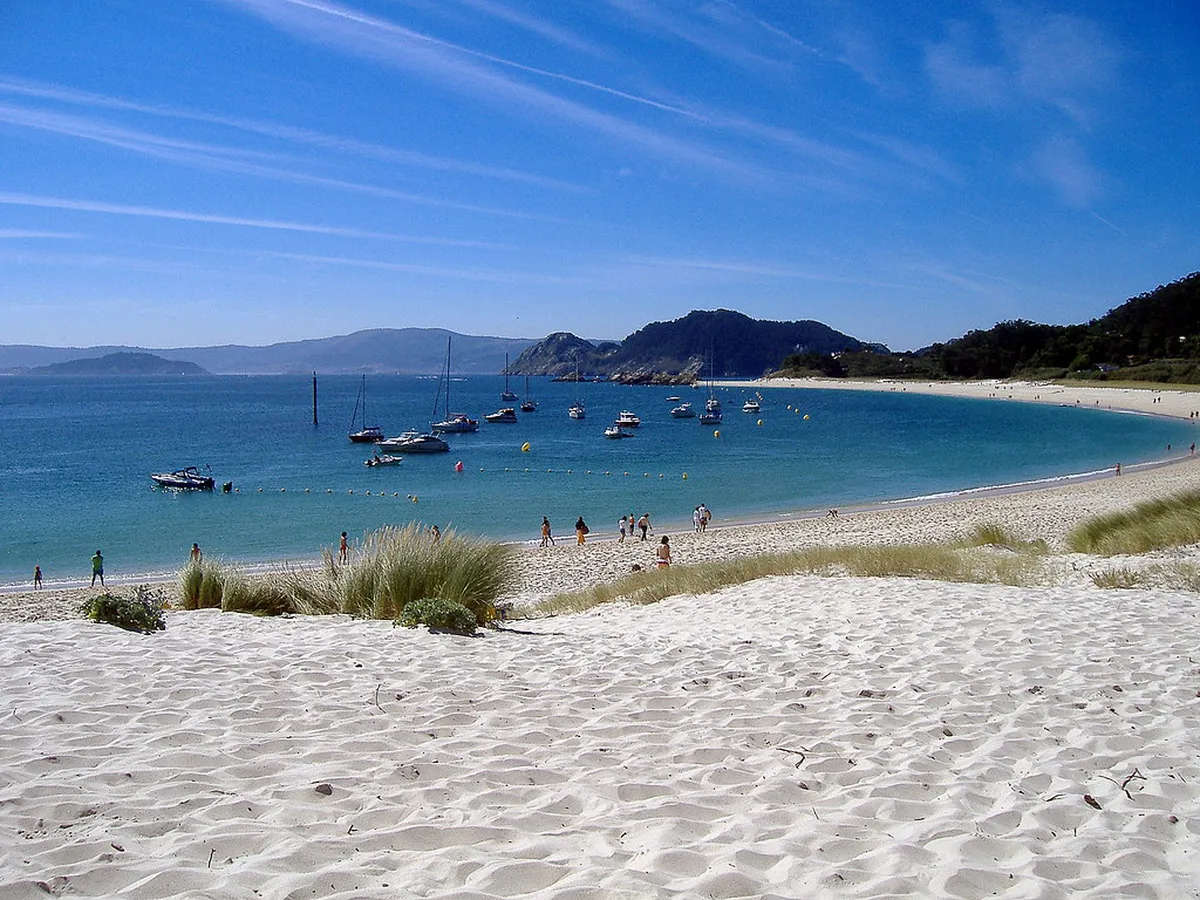
Where Faro falls short as a beach base: the city's own beach (Praia de Faro) is a 15-minute bus ride across the lagoon bridge, and the sand is pleasant but not the dramatic cliff-and-cove scenery visitors come to the Algarve for. If postcard Atlantic beaches are your primary goal, staying in Lagos or Carvoeiro and doing a single day trip into Faro makes more sense than the reverse.
Best Time to Visit Faro
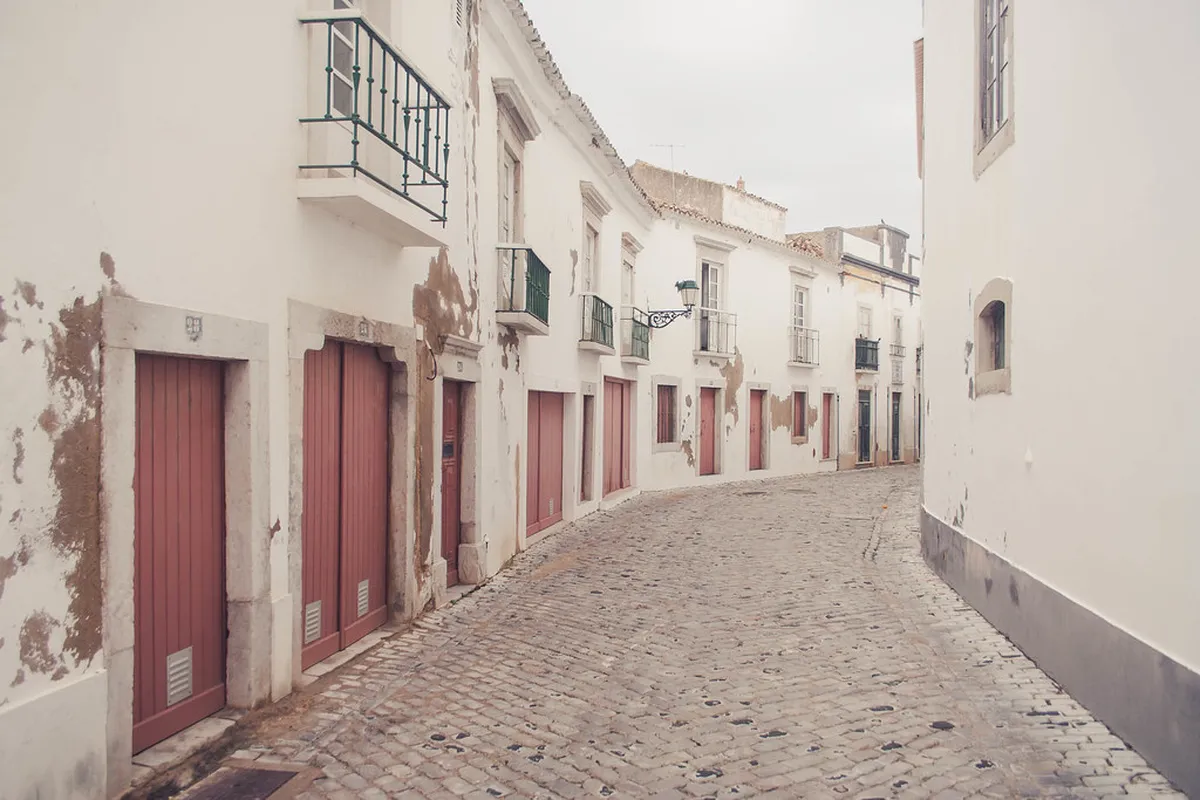
Spring (April to June) and early autumn (September to October) are the most practical months. Temperatures sit between 18°C and 27°C, the Ria Formosa boat tours run full schedules, and accommodation prices are 30–40% lower than the July–August peak. The Cidade Velha crowds thin out noticeably before 09:00 and after 18:00, letting you photograph the cobblestone lanes without tour groups in frame.
Summer (July and August) brings the Algarve's highest occupancy. Faro itself is less overwhelmed than Albufeira or Lagos — locals actually live here year-round, which keeps the city from feeling purely seasonal — but hotel availability tightens fast. Book accommodation at least 60 days out if you plan to visit in July or August. Boat tours to the Ria Formosa islands sell out 10–14 days in advance during peak weeks.
Winter (November to March) is surprisingly viable for culture-focused visitors. Daytime temperatures reach 15°C–18°C, most old-town restaurants stay open, and you'll pay €60–€100 per night for hotels that cost twice that in summer. The tradeoff is that island ferries run reduced schedules, and some beach-facing businesses close entirely. If your interest is the Cidade Velha architecture and the Municipal Museum rather than the coast, winter is genuinely good value.
What the Cidade Velha Rewards — and What You Can Skip
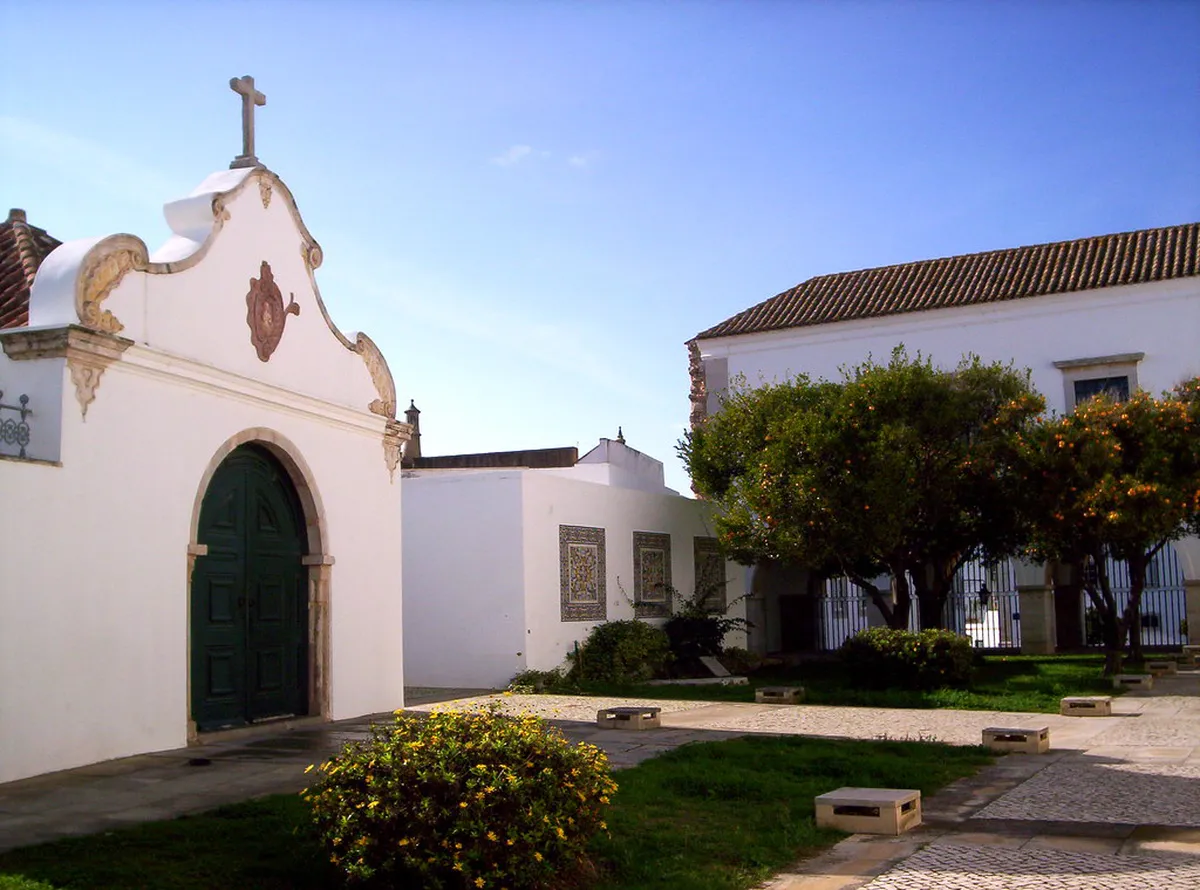
The old town circuit covers roughly 800 metres and most visitors walk it in two to three hours. The Sé Cathedral (€3.50, open 10:00–18:00 Mon–Sat, closes 13:00 on Sundays) is the anchor — climb the bell tower for the best overhead view of the Roman-era walls and the lagoon. The Arco da Vila city gate, a neoclassical arch rebuilt in 1812 over a surviving Moorish horseshoe arch, sits just outside the walls on Rua da Misericórdia and is free to photograph. The Igreja do Carmo Bone Chapel (€2) is small but worth 20 minutes of anyone's time.
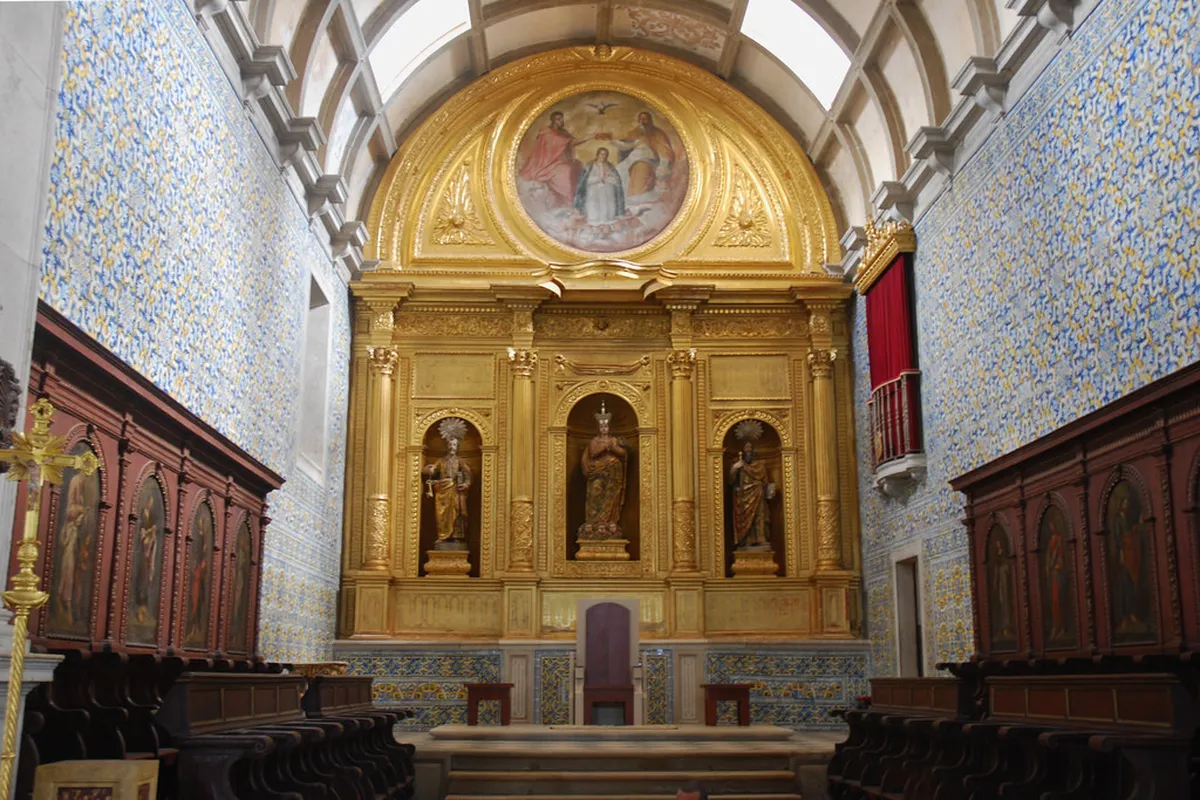
The Municipal Museum inside the 16th-century Convento de Nossa Senhora da Assunção covers Faro's Roman and Moorish layers with excavated mosaics and ceramics. It's genuinely interesting if you have 90 minutes, but more general visitors find the old town streets themselves more engaging. Skip the museum if you're working to a tight two-day schedule — spend the saved hour at the waterfront Manuel Bívar Garden instead.
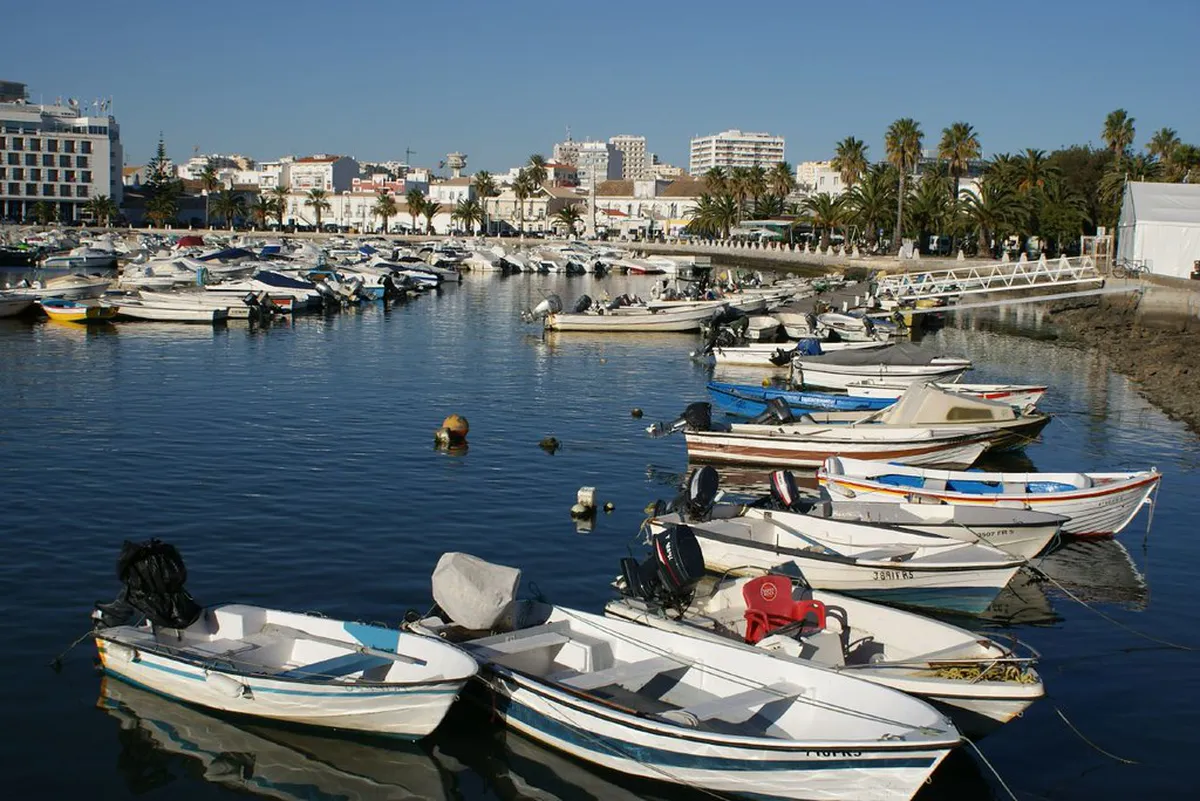
The marina area is lively for evening dining but underwhelming by day — most of its visual interest is the view back toward the Cidade Velha walls across the water. Santo António Street is Faro's main shopping corridor and worth a stroll for Portuguese linen, regional ceramics, and local bakeries selling carob-based sweets unique to the Algarve. The Centro de Ciência Viva is worth noting for families with children under 12 — it's hands-on and genuinely entertaining — but adult visitors without kids can skip it entirely.
One timing detail competitors consistently miss: the Sé Cathedral bell tower is best entered at 10:00 sharp on weekdays. By 11:30 in summer, a queue forms and the wait stretches 20–30 minutes. Go first, then do the Bone Chapel and Arco da Vila in sequence — you'll be finished by 13:00 and ready for a marina lunch before the afternoon heat peaks.
The Sé Cathedral closes at 13:00 on Sundays, so plan your visit carefully if you're in Faro for a weekend. Weekday mornings before 10:00 have the thinnest crowds in the Cidade Velha.
Day Trips vs. Staying Put in Faro
Faro's train station (adjacent to the bus terminal on Largo da Estação) is one of the few places in the Algarve where public transport actually makes day tripping viable. Tavira — often called the most architecturally beautiful town in Portugal's south — is 40 minutes east and costs €3.50 each way on the Alfa Pendular. Olhão, the fishing-port town with the Algarve's best covered market, is 10 minutes east at around €2. Both are comfortable half-day excursions. Read the full options in our complete day-trip guide.
The inland villages are harder to reach without a car. Estoi (the pink palace and adjacent Milreu Roman ruins) and São Brás de Alportel (the Algarve Costume Museum and mountain-town calm) both require a taxi, rental, or infrequent rural bus. They're worth including on a four-day itinerary but genuinely difficult to fit into three days if you also want the coast. Prioritise coastal day trips by rail if you're working with three nights.
Benagil Cave — the iconic sea arch cave in the western Algarve — is frequently asked about as a Faro day trip. It is possible: you'd take the train to Portimão or Lagos and connect by taxi. But the journey each way is 90+ minutes and the cave itself is accessed only by boat or kayak tour from Carvoeiro or Albufeira. If Benagil is a priority, base yourself further west for at least one night rather than attempting it as a Faro day trip. See the 1 Week in Tavira guide for extended eastern-Algarve planning if you want to slow-travel the region.
Hidden Gem Towns Near Faro
Loulé sits 20 minutes north of Faro by bus (roughly €2.50) and is worth a morning visit for its Moorish-inspired covered market and the copper craft workshops along the lanes behind it. Saturday is market day and the most atmospheric, but it draws the most visitors. Weekday mornings are calmer and the produce stalls are better stocked with local almonds, figs, and smoked sausage from the Caldeirão hills.
Olhão's fishing port waterfront and covered municipal market are arguably the most authentic spots in the eastern Algarve. The market building dates to 1906 and sells fresh fish, octopus, clams, and regional cheeses. Arrive before 10:00 to see it at its best — stalls close early. The narrow streets of the old quarter behind the market are lined with North African-influenced flat-roofed buildings (the distinctive açoteias) that reflect Olhão's historical trading ties with Morocco. An afternoon here pairs well with a morning in Faro's Cidade Velha.
Olhão's 1906 market building closes early, so plan arrival before 10:00 to catch the full selection of fresh fish, octopus, and regional cheeses at their best.
Estoi provides an easy half-day escape for those with a rental car. The Palácio de Estoi — a Baroque-Rococo palace converted into a pousada — opens its terraced gardens to non-guests and admission is free. The Milreu Roman ruins, 500 metres away, are among the most legible Roman sites in southern Portugal, with fish-mosaic bathing pools still visible. Neither site gets the visitor numbers their quality deserves, which makes them relaxed even in summer.
How to Plan Your Faro Itinerary
Once you've decided how many days to spend, the itinerary spokes on this site give you the hour-by-hour structure. The one-day Faro itinerary covers the tight old-town circuit for short-stay visitors. The two-day Faro itinerary adds a Ria Formosa boat tour and a proper evening in the marina district. The three-day Faro itinerary is the full version with a day trip to Tavira built in.
Budget roughly €50–€80 per day for food and activities if you're staying mid-range. The Sé Cathedral and Bone Chapel together cost under €6. Boat tours to the Ria Formosa islands run €25–€40 per person depending on duration — the 09:30 departure is worth booking even a week ahead in summer. Most Cidade Velha restaurants serve a lunch menu (prato do dia) for €10–€14 that includes soup, main, and a glass of wine or water.
Getting around the city itself requires no transport — everything in the Cidade Velha and marina is walkable in under 15 minutes. For day trips, the train station is a five-minute walk from the old town. Uber and local taxis cover the gaps for inland excursions. Renting a car is only necessary if you plan to reach the western Algarve beaches or the inland mountain villages without joining a tour.
Pack comfortable flat shoes for the old town's irregular cobblestones, especially on the stepped lanes inside the Cidade Velha walls. Sunscreen is non-negotiable from May through September. The best accommodation sits in the marina-adjacent streets — close enough to walk the old town but quieter than the centro comercial area after 23:00 when the nightlife picks up on Conselheiro Bivar Street.
Frequently Asked Questions
Is 2 days in Faro enough?
Two days are sufficient to see the main historic sites and the Bone Chapel. However, you will likely miss the beautiful Ria Formosa islands. I recommend three days for a more complete experience.
Do I need a car in Faro?
You do not need a car if you stay within the city center. Most attractions are walkable, and trains connect to nearby towns. Rent a car only for exploring remote western beaches.
Is Faro expensive for tourists?
Faro is generally more affordable than Lisbon or the western Algarve resorts. Expect to pay €15 for a good lunch and €2 for a coffee. Many historic sites cost less than €5.
Three days in Faro gives you the Cidade Velha walls, the lagoon, and a neighbouring town — enough to understand why the Algarve's capital deserves more than an airport transfer. Two days is a solid compromise if your schedule is tight. One day, done right with an early start, still covers the core of the historic old town.
Use the itinerary guides linked above to build your actual schedule once you've settled on your trip length. The planning time is worth it — Faro rewards visitors who arrive with a loose structure and leave room to follow the cobblestones wherever they lead. For a complete overview of the city's key sites and their locations, consult our comprehensive map of Faro's historic landmarks.