Faro is the Algarve's capital and one of Portugal's most underrated cities. Most travelers pass through its airport and nothing else — which is a genuine mistake. Two full days here gives you the medieval Old Town, a Baroque bone chapel, the Ria Formosa lagoon system, and the barrier islands, all at a relaxed pace.
This guide is structured as a true day-by-day itinerary with specific times, entry costs, and restaurant names. Check the best time to visit Faro before booking: spring (April–June) and early autumn (September–October) offer mild weather, fewer crowds, and lower hotel rates than the peak July–August season.
Everything in Faro's historic core is walkable. On Day 2 you will need the public ferry from Cais da Porta Nova pier, which costs around €10 return and runs frequently between 09:00 and 18:00. No car is required for this itinerary.
2 Days in Faro At a Glance
Day 1 is spent entirely inside the city: the walled Old Town (Cidade Velha), the Cathedral tower, the Bone Chapel, the city museum, and a marina dinner. Day 2 moves outside to the Ria Formosa Natural Park, the barrier islands, and a relaxed seafood lunch on Ilha Deserta or Ilha do Farol before returning for an evening tapas crawl.
- Day 1: Old Town, culture, and the historic core
- Morning 09:00–13:00: Cidade Velha walk, Cathedral tower, and Arco da Vila.
- Afternoon 14:00–17:30: Bone Chapel, Municipal Museum, Jardim da Alameda João de Deus.
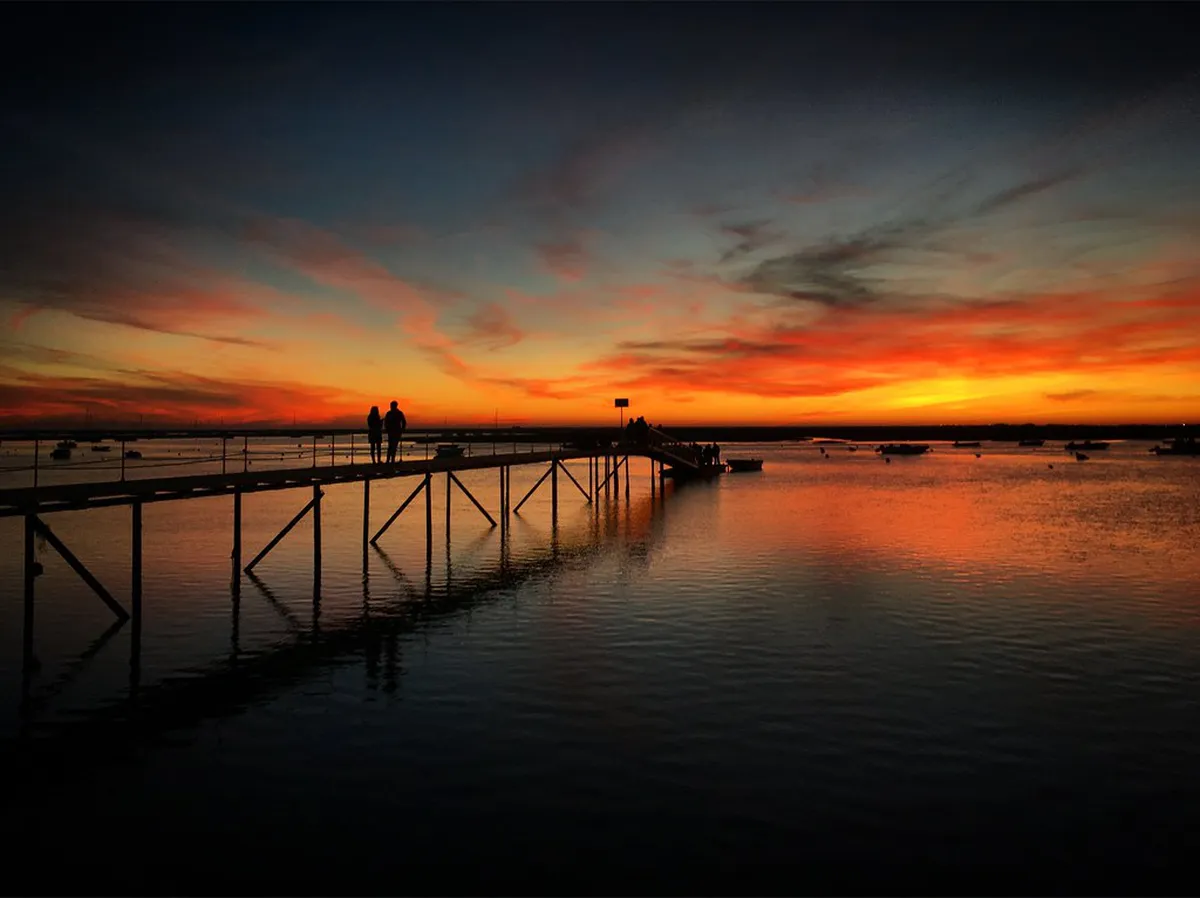
- Evening 19:00–22:00: Marina dinner with Ria Formosa sunset views.
- Day 2: Islands, lagoons, and nature
- Morning 09:30–13:00: Ferry to Ilha Deserta or Ilha do Farol through the Ria Formosa.
- Afternoon 13:00–17:00: Beach time and lunch at Estaminé (Ilha Deserta) or waterside bars on Farol.
- Evening 19:00–22:00: Rua de Santo António tapas crawl and pastry stop.
| Day | Time Block | Activity | Cost (per person) |
|---|---|---|---|
| Day 1 | 09:00–13:00 | Cidade Velha, Cathedral tower, Arco da Vila | €3.50 (Cathedral) |
| Day 1 | 14:00–17:30 | Bone Chapel, Municipal Museum, gardens | €4 (Bone Chapel + Museum) |
| Day 1 | 19:00–22:00 | Marina dinner with lagoon views | €15–25 |
| Day 2 | 09:15–09:30 | Walk to Cais da Porta Nova pier | Free |
| Day 2 | 09:30–13:00 | Ferry to islands through Ria Formosa | €10 (return fare) |
| Day 2 | 13:00–17:00 | Beach, swimming, lunch on island | €12–20 (lunch) |
| Day 2 | 19:00–22:00 | Rua de Santo António tapas and pastries | €8–15 |
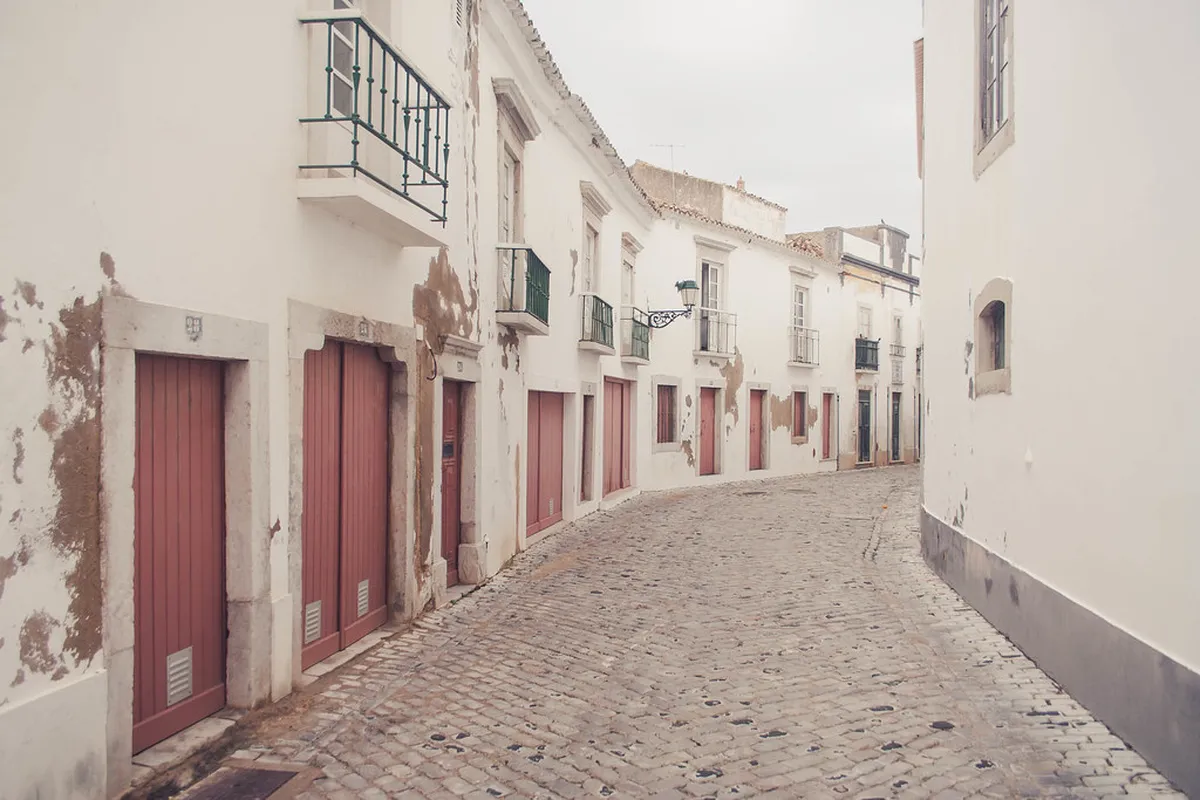
The city is compact enough that you will not need taxis or buses on Day 1. Keep comfortable shoes — the Cidade Velha uses traditional Portuguese calçada cobblestones that can be uneven. Learn more about navigating the Faro city center before you arrive.
The Cathedral bell tower climb is narrow and steep with 95 steps. If you have mobility concerns or prefer to skip the tower, the Cathedral itself remains worth visiting for its Renaissance and Baroque interior details.
Day 1: Must-See Attractions in Faro's Historic Core
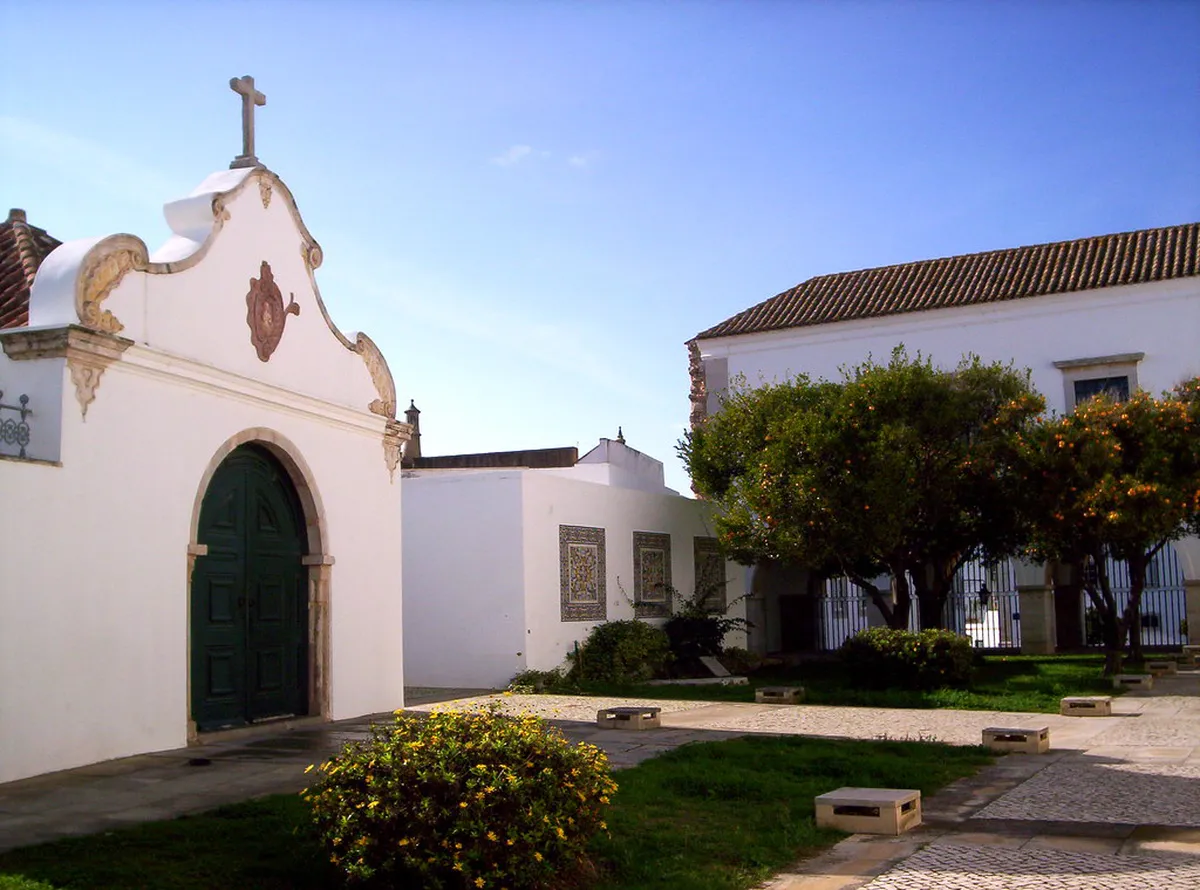
Start at 09:00 at the Arco da Vila, the neoclassical gateway that marks the entrance to Cidade Velha. Pass through and follow the orange-tree-lined lanes to the Largo da Sé square. The Paço Episcopal (Bishop's Palace) sits on the left — built between the 15th and 17th centuries, it still serves as the bishop's residence and its tiled façade is one of the finest in the Algarve.
From the square, enter the Sé Cathedral (Faro Cathedral), built in the 13th century on the site of a former mosque. Entry costs €3.50 and includes access to the bell tower. Climb the tower for panoramic views over the Ria Formosa lagoon — this is the best free viewpoint in Faro, especially around 10:00 before the day warms up. Inside the cathedral, look for the mix of Renaissance, Gothic, and Baroque details that survived several earthquakes and the 1596 English raid.
Allow about 90 minutes for the Cathedral complex, then walk the medieval walls. Three gateways remain: Arco da Vila, Arco do Repouso, and Arco da Porta Nova. The walls date to the Roman and Moorish periods and were reinforced in the 13th century. The stretch near Arco do Repouso offers quiet shaded benches and a good spot to rest before the afternoon.
Break for lunch at the Mercado Municipal de Faro on Largo Dr. Francisco Sá Carneiro (open 07:00–13:00 weekdays). Stalls sell fresh seafood, local cheeses, and fruit. Several small cafés inside serve snacks for under €5 — a much cheaper option than the marina restaurants.
Museums, Art, and Culture in Faro
After lunch, walk ten minutes north to the Igreja do Carmo. Built in 1719, this Baroque church has a bright yellow window frames and twin towers frequently occupied by stork nests. Entry to the church is free; the adjacent Bone Chapel (Capela dos Ossos) costs €2 and is open 09:00–18:00 daily in summer. Inside, the bones of over 1,000 monks are arranged in geometric patterns on the walls, exhumed from an overcrowded 19th-century cemetery. A quote above the entrance reads: "Stop here and consider the fate that will befall you." Allow 30 minutes.
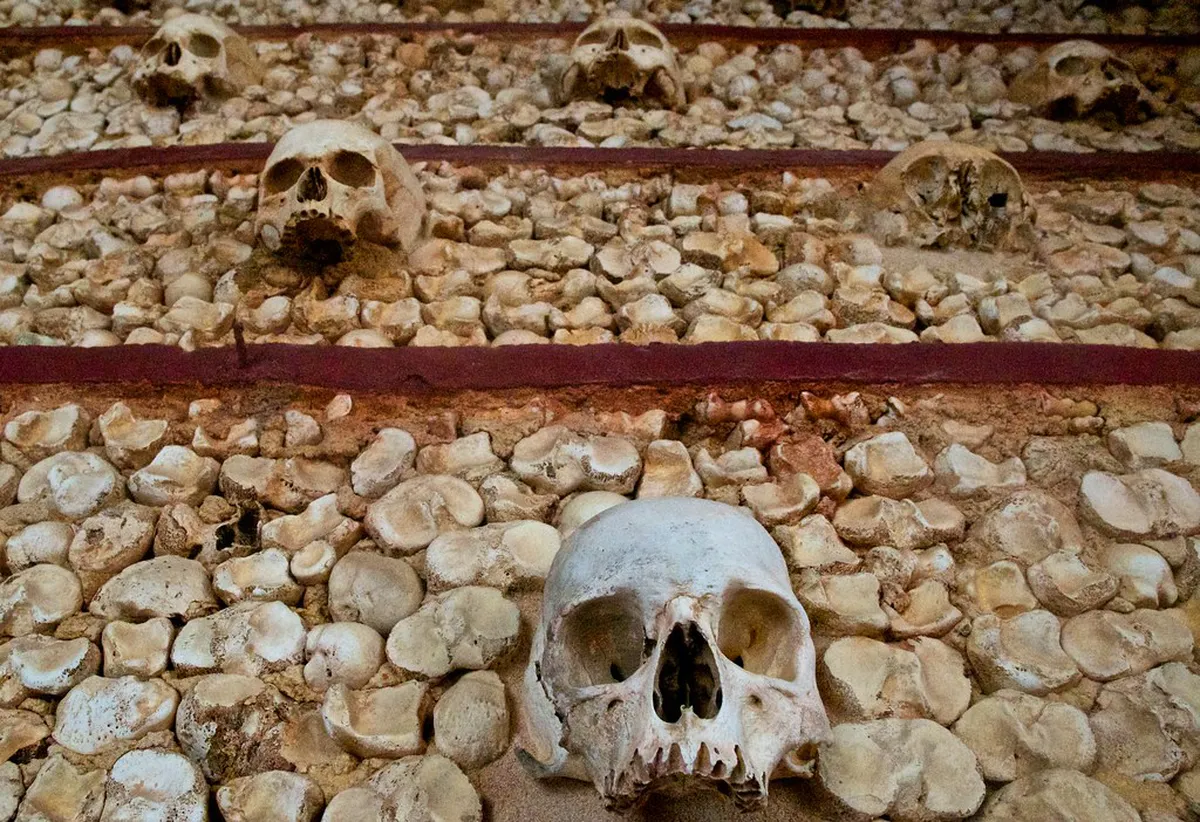
From the Bone Chapel, walk back toward the Old Town to the Faro Municipal Museum (Museu Municipal de Faro), housed inside the 16th-century Convento de Nossa Senhora da Assunção. Entry is €2. The collection runs from the prehistoric era through the Roman and medieval periods. The standout pieces are the large Roman floor mosaics and the cloister garden with its gargoyle-flanked walkway. If a fado performance is scheduled — the museum occasionally hosts them — check the notice board at the entrance.
A less-visited option worth 30 minutes is the Regional Museum of the Algarve (Museu Regional do Algarve) on Praça da Liberdade. It traces the evolution of the Algarve through photographs, fishing equipment, and traditional costumes. Entry is free. Locals rarely suggest it to tourists, which means you will almost certainly have the rooms to yourself.
End the afternoon at the Jardim da Alameda João de Deus, the largest garden in Faro. Follow the palm tree corridor south toward the waterfront. Watch for the resident peacocks and the two Neo-Arab buildings — a former slaughterhouse now serving as the city library, and a small striped structure with Islamic geometric details. It is a genuinely peaceful 20-minute detour before the evening marina walk.
Parks, Gardens, and Outdoor Spots in Faro
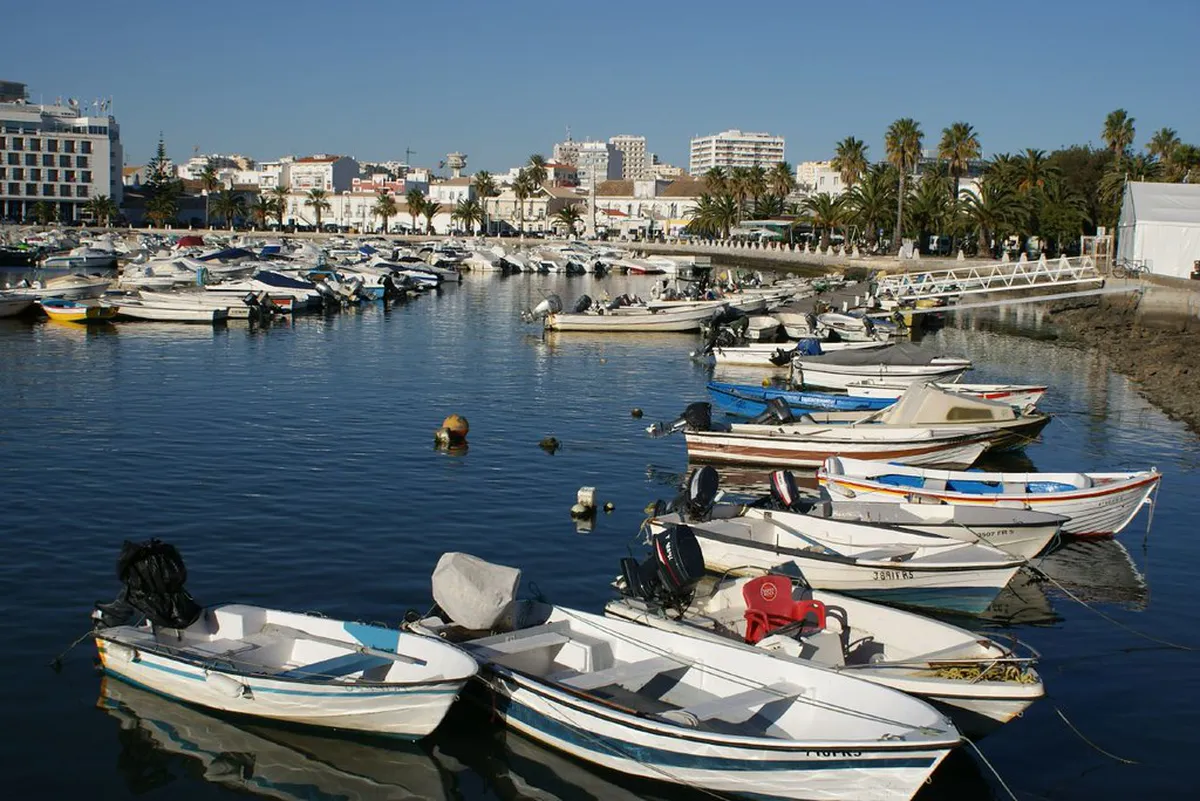
Faro has more green space than most visitors expect. The Manuel Bívar Garden sits beside the marina, overlooking the water on two sides. Dating to the 19th century, it is the most central resting point in the city and a good place to watch the boat traffic while drinking an evening coffee. The garden is steps from the Arco da Vila and links the historic center to the waterfront promenade.
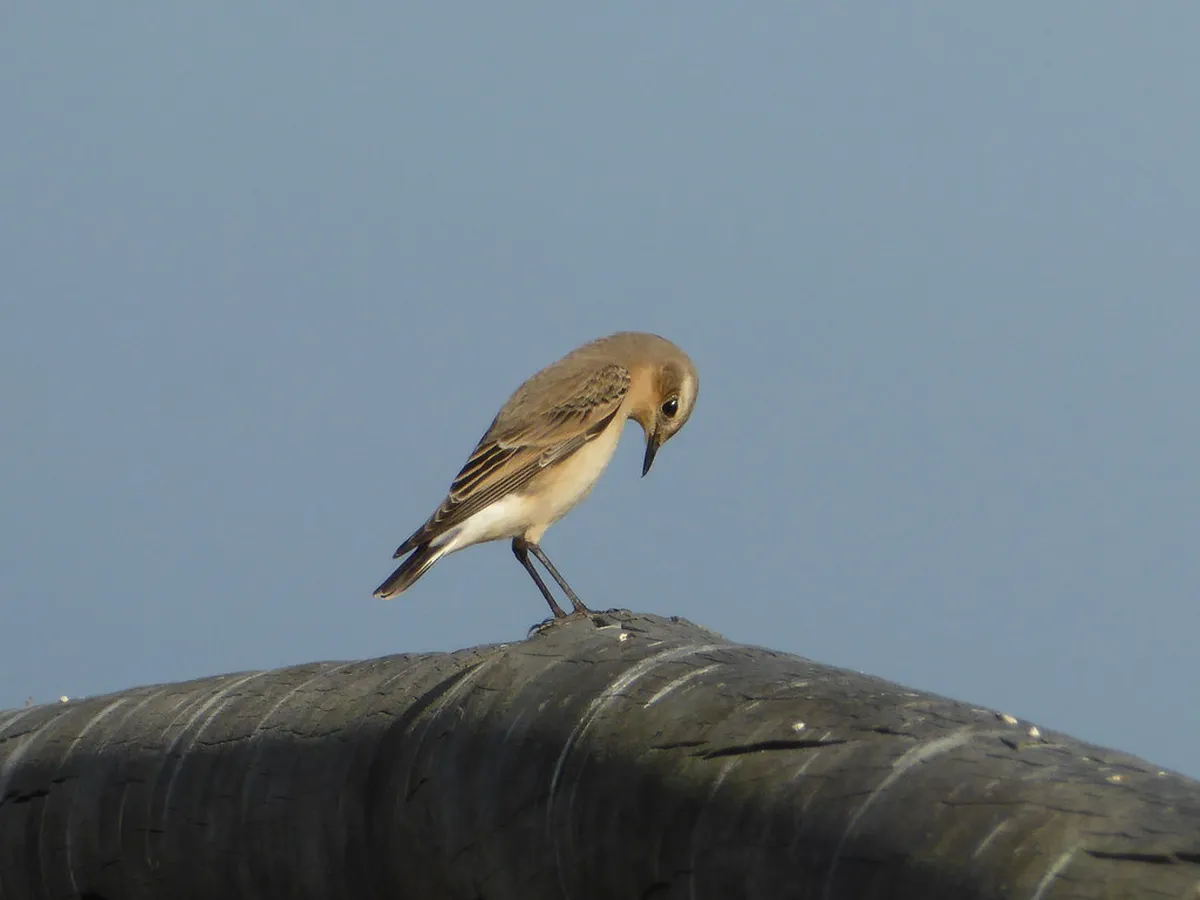
The Ria Formosa Natural Park borders Faro to the south and east, stretching 60 kilometers along the Algarve coast. It is one of Portugal's Seven Natural Wonders and a major staging point for migratory birds between Europe and Africa. Within the park you can spot flamingos, spoonbills, ospreys, storks, and dozens of wader species. Bird activity is highest in the early morning hours and at dusk.
The Parque Ribeirinho de Faro is a 16-hectare riverside park along the Ria Formosa, about a 15-minute walk east of the marina. It has a cycle lane, bird-watching platforms, and a children's playground — a quiet alternative to the busy center. Early morning joggers and local families use it throughout the week. If you have time on the morning of Day 2 before the ferry, a 30-minute walk through this park is a good way to see the lagoon up close before heading to the islands.
The Santa Maria Boardwalk on Ilha Deserta runs through salt marsh, dune systems, and seagrass beds. Hiring a local guide for this walk costs roughly €15–20 per person and adds significant context to the birdlife and plant communities you will pass. Most visitors skip the guided option, which means the boardwalk itself is rarely crowded even in summer.
Day 2: Ria Formosa, Islands, and the Coast
Leave your accommodation by 09:15 and walk to Cais da Porta Nova, the small pier just outside the Old Town walls. Public ferries depart throughout the day to three island destinations: Ilha da Barreta (Ilha Deserta), Ilha da Culatra, and Ilha do Farol. The return fare to Ilha Deserta is approximately €10; Ilha do Farol costs slightly more. Ferries run roughly every 30–60 minutes between 09:00 and 18:00, with reduced schedules outside peak season.
Ferry schedules and prices can change seasonally. Arrive at Cais da Porta Nova at least 15 minutes before your ferry departure, especially in summer, as boats fill up quickly with day-trippers.
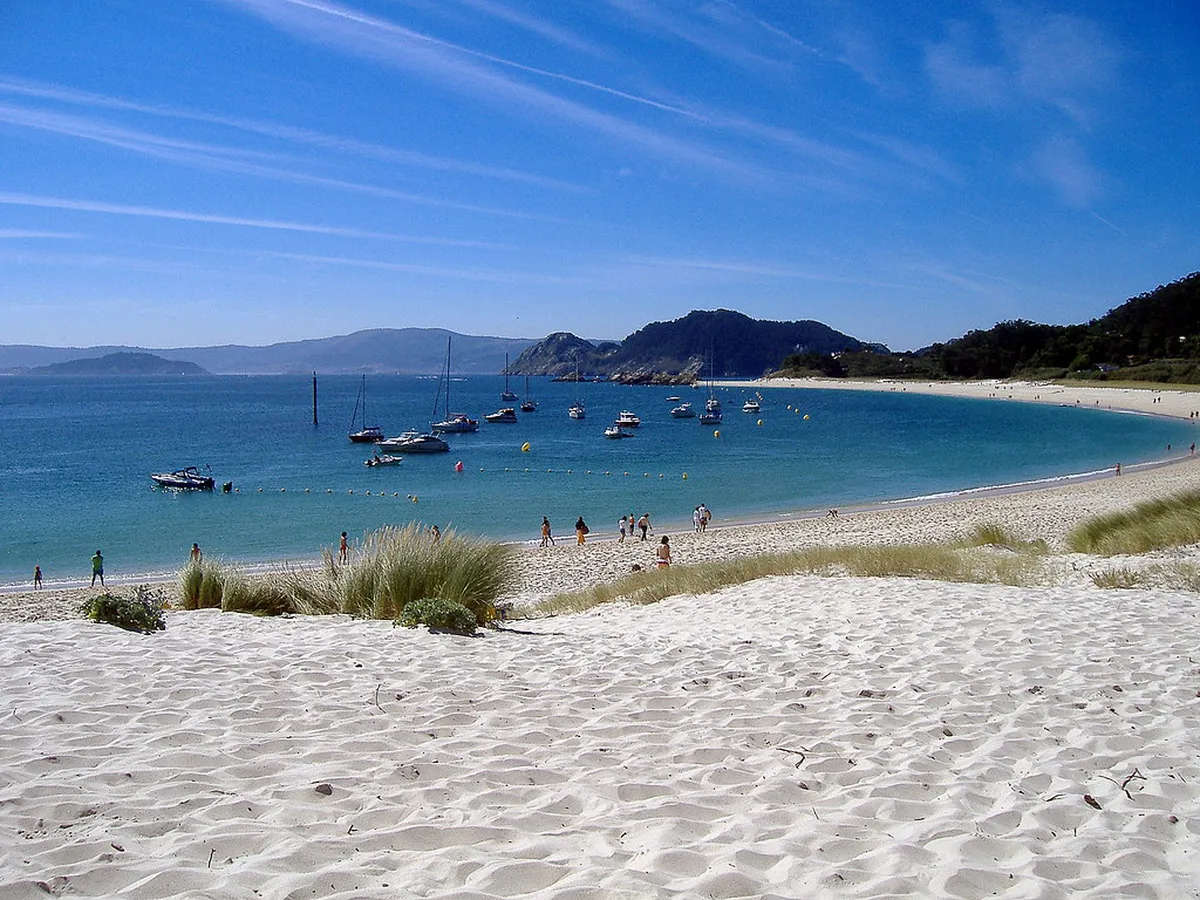
Ilha Deserta is the quieter choice — no permanent residents, no roads, no bars except Estaminé restaurant. The beach is backed by boardwalk through the dunes and stretches for several kilometers with almost no one on it even in summer. The water is calm, clear, and very shallow near the shore. Ilha do Farol has a small fishing community, a lighthouse (built 1851, 35 meters tall), and several beach bars where you can order grilled fish and cold beer under a parasol. Both options are worthwhile; the choice depends on how much solitude you want.
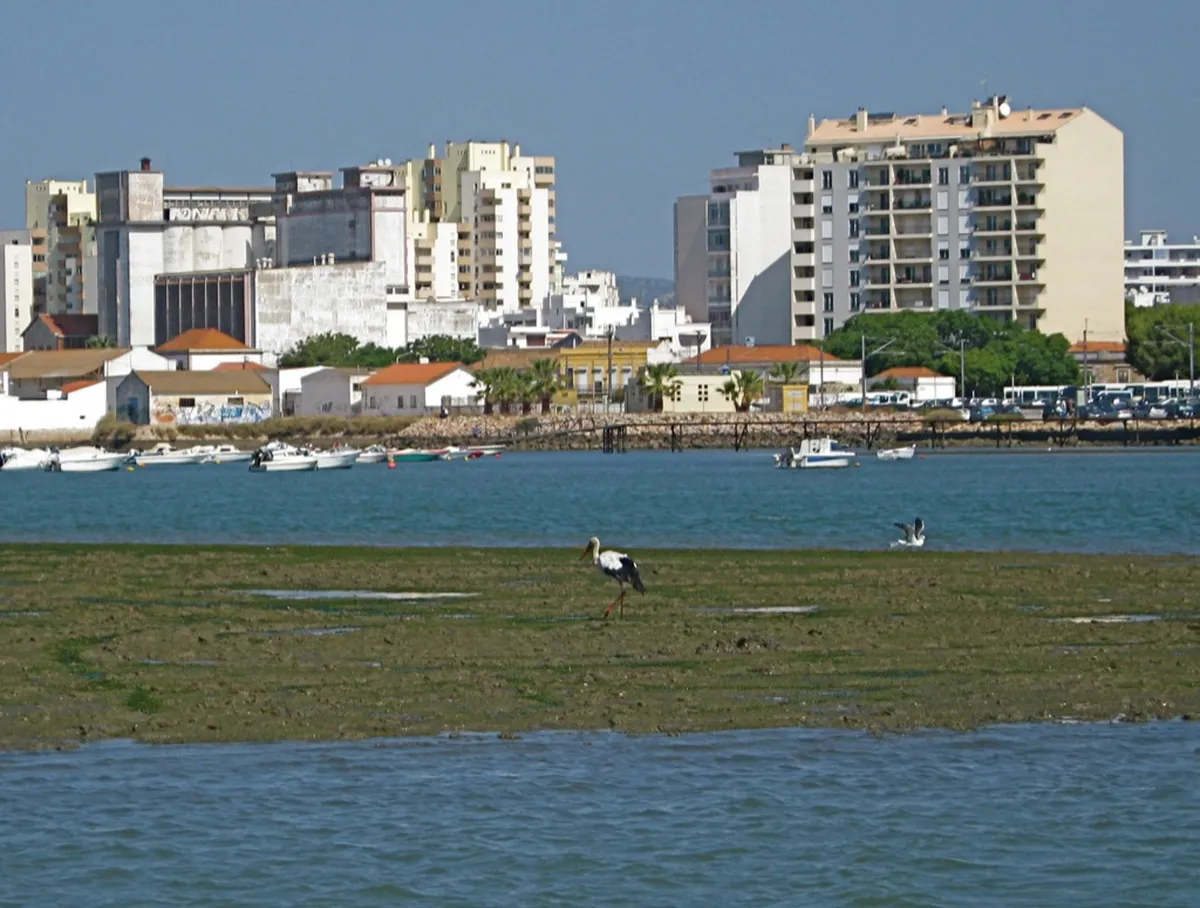
Plan to take the return ferry by 16:30 to leave enough time for the evening. The boat ride back through the lagoon channels frequently passes flamingos feeding in the shallows — the late afternoon light makes for the best photographs. If you prefer to stay on the Faro side, Praia de Faro (accessible by bus line 16 from the city center) is a 5-kilometer barrier beach with restaurants and beach clubs and is very popular with local families on weekends.
Restaurants and Dining in Faro
Faro's cuisine is built on the Ria Formosa's shellfish: clams, oysters, and razor clams harvested from the lagoon. The signature local dish is cataplana — named after the copper clam-shaped pan used to cook it. Amêijoas na Cataplana (clam cataplana) and Cataplana de Tamboril (monkfish cataplana) are the versions to order. Arroz de lingueirão (razor clam rice) and caldeirada (fish stew) are equally regional. Plan to spend €15–25 per person for a main course at a mid-range seafood restaurant.
For Day 1 dinner at the marina, the Hotel Faro and Beach Club rooftop restaurant offers views over the Ria Formosa that justify the slightly higher prices. Checkin, a Michelin-recognized restaurant run by Chef Leonel Pereira, opens only for dinner and focuses on sharing plates inspired by Algarve traditions — book in advance, as seats go fast even midweek. For a more casual evening, Afecto on Rua Filipe Alistão serves octopus cataplana and black rice with crispy squid at moderate prices; São Domingos is the local's choice for seafood rice and cataplana portions that feed two people.
On Day 2 evening, the stretch of Rua de Santo António is the best place for a tapas-style walk. A Venda stands out for its vintage interior and vegetarian-friendly tapas menu. Os Manos nearby is the spot for an all-you-can-eat fish menu that changes daily with the freshest market catch — locals queue for it, so arrive by 19:30 before the wait builds. For dessert, any pastelaria along Rua de Santo António will sell a pastel de nata (custard tart) for under €2; they are freshest in the late afternoon when the second baking of the day comes out.
One detail competitors skip: if you are visiting in mid-June 2026, Faro celebrates Santos Populares — the festive week honoring Saints Anthony (12–13 June), John (23–24 June), and Peter (28–29 June). The street parade on the 24th around Praça da Pontinha draws crowds from across the Algarve. Restaurant terraces fill up and booking is essential, but the atmosphere is worth planning around.
Family-Friendly and Budget-Friendly Options in Faro
Faro is an easy city for families. The Centro de Ciência Viva do Algarve on Rua Comandante Francisco Manuel sits in the city center and has interactive science exhibitions covering astronomy, earthquakes, and marine life — children can touch sea animals and take part in solar cooking demonstrations. Entry is around €5 for adults and €3 for children. It runs 10:00–18:00 Tuesday to Sunday. The nearby Jardim da Alameda has a well-maintained playground immediately adjacent.
Budget travelers will find that Faro is one of the more affordable Algarve bases. The Municipal Museum and Regional Museum are both free or cost under €2. The Bone Chapel is €2. Ferry rides to the islands are €10 return — far cheaper than boat trips from Albufeira or Lagos to similar beaches. The city's guesthouses north of the train station often charge €60–80 per night for a double room in shoulder season (€40–60 in winter), compared to €150–300 at the marina hotels.
For families with younger children, Praia de Faro's shallow, calm water is safer than the exposed Atlantic beaches further west. The 16 bus from the city center runs frequently and costs around €2 per person. The beach has restaurants, toilets, and sun-bed rental for a fully self-contained day without additional transport. Older children will enjoy the kayak and SUP rentals available near the ferry dock at the marina during summer months — prices run €15–20 per hour per person.
Where to Stay: Best Base in Faro
Staying in or near the Old Town puts you walking distance from every Day 1 attraction and the ferry pier for Day 2. Check our accommodation guide for the historic district for specific properties and current pricing. The top choices are the 3HB Faro Hotel (five-star, rooftop infinity pool, around €250–300 per night in summer) and Hotel Faro and Beach Club (four-star, rooftop pool with direct Ria Formosa views, from €200 per night). The Eva Senses Hotel near the marina offers balconies and a seasonal rooftop pool for slightly less.
Budget travelers should look one or two blocks north of the central train station. Guesthouses in this area offer a warm Portuguese welcome, shared common areas, and rates that are 50–60% lower than the waterfront hotels. The area is safe and quiet. You are still within a 12-minute walk of every site on this itinerary. For a more local experience, check out vacation rentals in Faro — apartments near the historic center often have kitchens, which cuts food costs significantly.
One hotel worth knowing: Pousada Palácio de Estoi, about 10 km from the city center in the village of Estoi, is a 19th-century palace converted into a boutique hotel. Its Rococo lounge still serves afternoon tea and the French-style gardens are open to non-guests. If you have a car or are willing to take a €15 taxi, it makes for a memorable late-afternoon stop on the way back from a day trip to the Roman ruins at Milreu.
Add an Extra Day: Day Trips from Faro
If you have a third day, the options around Faro are strong. Olhão is one train stop east (15 minutes, around €1.85) and has a large brick waterfront market selling fresh fish and produce — go in the morning when it is at its best. The cubist North African-influenced architecture of its downtown is strikingly different from Faro. From Olhão you can also take ferries to Ilha da Culatra and Ilha da Armona for uncrowded beaches.
Loulé is 20 minutes by bus and holds a Neo-Arab market building founded in 1908 that sells handicrafts and fresh produce. Saturday mornings are the most active. The Moorish castle at its center is small but free to enter and offers a good view over the surrounding countryside. For a fuller picture of the region's regional day-trip options, the guide covers Tavira, São Brás de Alportel, and Cacela Velha with specific transport and timing advice.
Tavira is 40 minutes by regional train and is widely regarded as the most beautiful town in the Algarve. It has a Roman bridge, hilltop castle ruins, churches from every era, and access to the secluded beaches of Ilha de Tavira. The Roman Villa of Milreu, 10 km north of Faro by taxi, is one of the best-preserved Roman sites in southern Portugal — floor mosaics from the 1st century AD remain largely intact and the site rarely has more than a handful of visitors at any time. Check timetables in advance via Comboios de Portugal.
Frequently Asked Questions
Is Faro walkable for a two-day trip?
Yes, Faro is extremely walkable for visitors. The historic center and marina are compact and flat. You can reach most major attractions within ten minutes on foot.
How do I get from Faro airport to the center?
The bus is the cheapest way to reach the center. It takes about twenty minutes and costs under three Euros. Taxis and ride-shares are also readily available outside.
Are the islands in Faro worth visiting?
The islands are a highlight of any Faro trip. They offer pristine beaches and clear water. Ferries run regularly from the pier near the Old Town walls.
Faro rewards visitors who stay longer than one transit night. This 2-day itinerary covers the medieval city, the Baroque churches, the lagoon, and the barrier islands without feeling rushed. The combination of history and natural scenery is rare even by Algarve standards. To understand how every landmark fits together spatially, take a moment to review our guide to Faro's historic landmarks with full site mapping. If you have the flexibility, consider extending to a full day with our one-day itinerary to catch details the two-day pace might miss.
Use the Comboios de Portugal train network if you plan to extend your stay into the eastern Algarve — the regional service to Tavira and Vila Real de Santo António is reliable and inexpensive. Faro is an excellent base for exploring the whole coast.