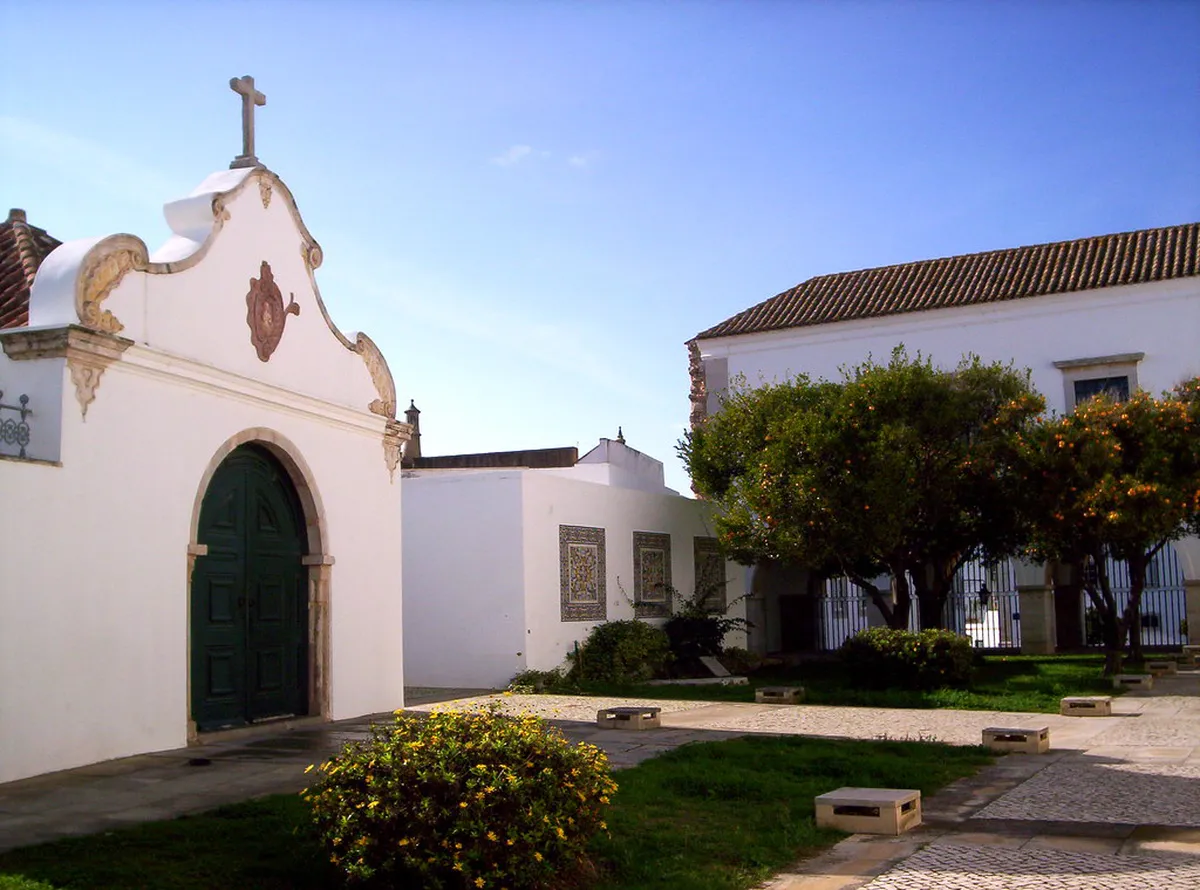
Faro is the gateway to the Algarve, yet most travelers race through it on the way to a beach resort. Spend one full day here and you will find a city that moves at its own pace — storks nesting on medieval walls, fishing boats rocking against a lagoon backdrop, and a cathedral that has survived British cannon fire, earthquakes, and four centuries of rebuilding. This itinerary is designed for first-time visitors who want to see the historic core and the natural park without feeling rushed.
The city is compact enough to cover almost entirely on foot. The Cidade Velha (Old Town) sits inside 9th-century walls and holds the cathedral, the municipal museum, and the Bone Chapel all within a ten-minute walk of each other. The harbor, market, and boat tour piers are a short stroll beyond the walls. You can see everything in this guide without renting a car or booking an expensive guided tour.
Is Faro Portugal Worth Visiting?
The short answer is yes — particularly if you value history over beach resorts. Faro retains a local character that towns like Albufeira and Vilamoura have largely traded away. Prices at restaurants, cafes, and guesthouses run noticeably lower than in the western Algarve resorts. The university population gives the city a creative, unhurried energy that makes wandering feel genuinely pleasant rather than obligatory.
Many visitors ask whether one day is enough. A single full day lets you cover the Cidade Velha thoroughly, take a short boat trip on the Ria Formosa, eat well, and watch the sun go down over the lagoon. You will not exhaust the city, but you will leave with a real sense of what makes Faro distinct. For anyone weighing Faro or Tavira? as a base, Faro wins on transport links and variety of sights; Tavira edges ahead on sheer quietude.
Nature adds an unusual dimension. The Ria Formosa Natural Park — one of Portugal's seven natural wonders — begins immediately south of the harbor. You can stand inside a 13th-century cathedral and be on a boat gliding past flamingos within thirty minutes. That combination is rare for a city of 65,000 people. Anyone checking our Faro landmarks guide with mapping before arriving will see just how tight the cluster of sights really is.
Getting Oriented: Faro, Portugal
Faro sits at the eastern end of the central Algarve, roughly 60 km west of the Spanish border. The international airport is only 6 km from the city center — an Uber or Bolt costs around €8–12 and takes under 15 minutes. The number 16 bus runs from the airport terminal to the central bus station for around €2.50, though frequency drops in the early morning and late evening. If you are arriving by train from Lisbon, the journey takes about 3.5 hours and costs as little as €14.50 on advance purchase; the train station is a 10-minute walk from the harbor.
Once you are in the center, the layout is straightforward. The Jardim Manuel Bívar — a palm-lined square next to the marina — is your natural anchor point. The train station is 250 m to the north, the bus station 50 m closer. The Arco da Vila gateway into the Old Town stands at the south end of the square. Nearly everything on this itinerary is within 1 km of that arch. The Visit Portugal Tourism site has downloadable maps if you prefer a paper copy.
Parking is available at the large free car park at Largo de São Francisco on the western side of the Cidade Velha (GPS: 37.0122, -7.932). If you drive, park here first and do the entire day on foot — there is no reason to move the car again until you leave.
A Walk Along the Harbour Front in Faro
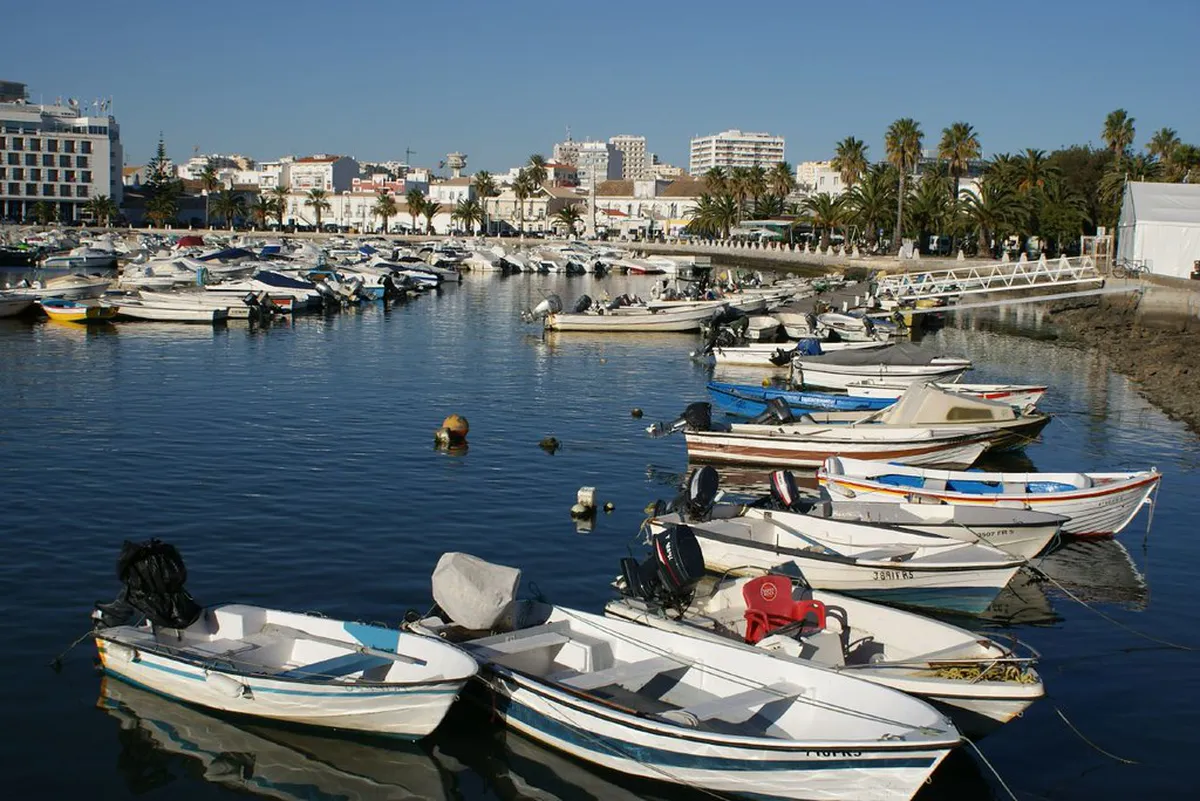
Begin your morning at the Jardim Manuel Bívar at around 09:00. The square faces the marina and fishing harbour — only small vessels can moor here because a low railway bridge blocks larger boats. White storks build enormous nests on the lamp posts and rooftops surrounding the garden; in spring and early summer you will see them feeding chicks. Find a cafe on the square's north side and order a bica (espresso) and a pastel de nata before anything else.
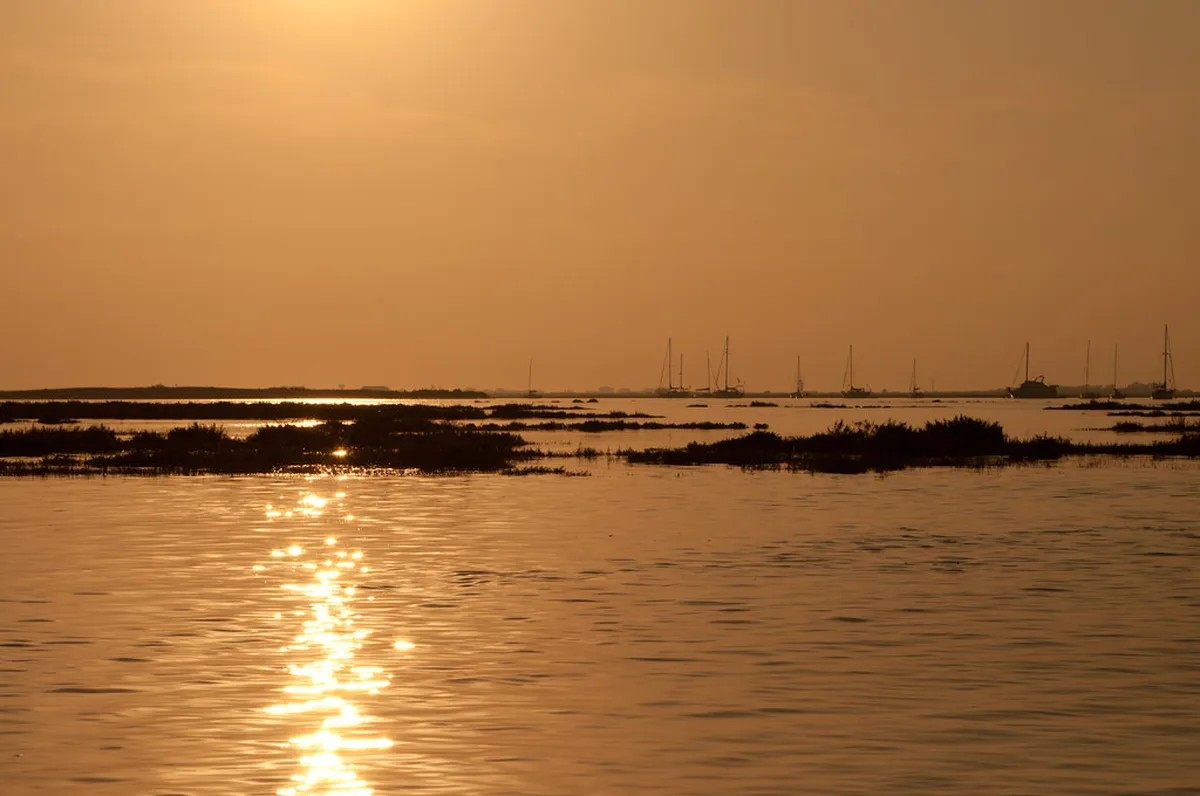
Walk south along the waterfront promenade toward the Mirador Ria Formosa viewpoint. From the low railing you can look out across the lagoon to the sandbar islands that shelter the coast — Ilha Deserta and Ilha da Culatra are visible on a clear day. This stretch of promenade is also where the boat tour operators moor their vessels; you will see their departure times posted on boards as you walk past. It is a good moment to confirm your afternoon booking if you have not done so already.
The harbour front is relaxed in the morning before tour groups arrive. Local fishermen repair nets near the dock, and the light on the water is excellent for photographs in the first two hours after sunrise. Plan to spend 20–30 minutes here before heading into the Old Town through the Arco da Vila.
Book your Ria Formosa boat tour at least 48 hours in advance during summer. Afternoon slots fill quickly and early booking ensures a departure time that fits your itinerary.
A Walking Tour of Old Town Faro (Cidade Velha)
Pass through the Arco da Vila — the neoclassical arch dates from 1812, but look carefully at the horseshoe-shaped arch directly behind it. That interior arch is Moorish, one of the last surviving examples of Islamic architecture left in Faro after centuries of reconstruction. The statue at the top is Saint Thomas Aquinas, patron saint of the city. The tourist information office is located immediately beside the gate and gives out free paper maps.
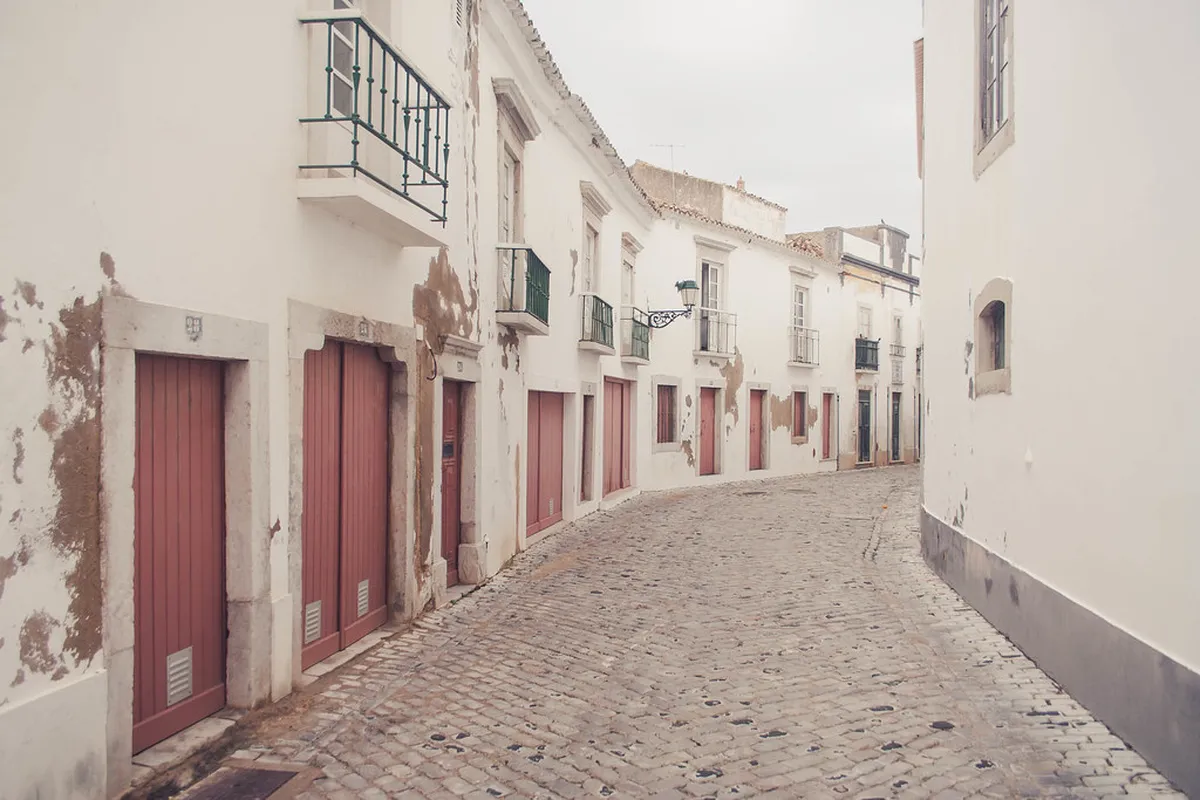
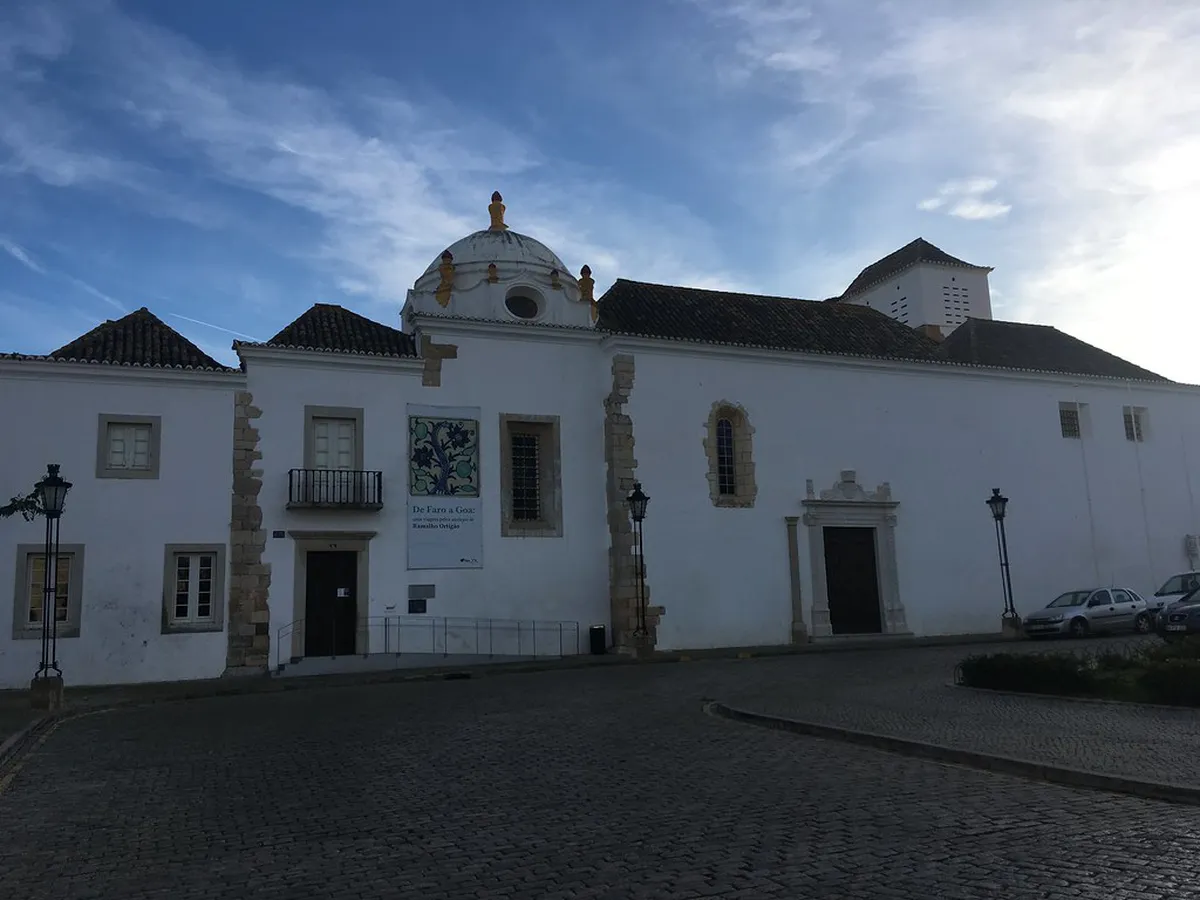
A short cobbled lane climbs from the arch to the Largo da Sé, the cathedral square. The city hall occupies the left side, the cathedral the right. Walk slowly — the square is lined with orange trees, and on weekday mornings it is almost entirely quiet. The paving stones are original; the uneven surface is authentic, not decorative. From here, short detours reach the Museu Municipal (housed in a 16th-century former convent, entry €4) and the section of the Old Town wall that can be walked freely — enter through the archway on Rua do Repouso, turn left at the buildings, and climb the steps to walk along the parapet for free views over the rooftops.
The entire Cidade Velha can be explored comfortably in two hours. The circuit from the Arco da Vila to the cathedral square, along the wall, through the Porta do Sol gate to the waterfront, and back out through the Arco do Repouso covers roughly 900 m. For a deeper read on the specific sites inside the walls, our Old Town walking guide has opening hours and entry prices for each stop.
| Time | Activity | Location | Duration |
|---|---|---|---|
| 09:00 | Coffee and pastel de nata | Jardim Manuel Bívar | 20 min |
| 09:30 | Harbor walk and boat tour booking | Mirador Ria Formosa | 20–30 min |
| 10:15 | Enter Old Town and explore cathedral square | Cidade Velha | 45–60 min |
| 11:30 | Cathedral climb and museum | Sé Catedral | 45–60 min |
| 12:45 | Bone Chapel visit | Igreja do Carmo | 20 min |
| 13:15 | Lunch break | Municipal Market or restaurant | 60 min |
| 14:30 | Boat tour of Ria Formosa | Harbor piers | 1–3 hours |
| 18:00 | Rest and clean up | Hotel or accommodation | 60 min |
| 19:00 | Sunset drink at O Castelo | Cidade Velha terrace | 45 min |
| 20:00 | Dinner | Waterfront or harbor area | 90 min |
Beautiful Buildings in Praça Dom Francisco Gomes
After leaving the Cidade Velha through the Arco da Vila, the main square you step into is Praça Dom Francisco Gomes — this is effectively the civic heart of modern Faro. The square connects the harbor garden to the commercial streets and is framed by some of the most architecturally varied facades in the city. Look for the Palácio Belmarço on the route toward Rua de Santo António: its ornate Art Nouveau facade features hand-painted Portuguese tiles and decorative iron balconies, and it stops most photographers in their tracks.
Rua de Santo António, branching off the square, is the main pedestrianized shopping street. Local confeitarias here sell Dom Rodrigos — small golden sweets made from eggs, almonds, and cinnamon, wrapped in foil and tied with a ribbon. They are a distinctly Algarvian product that no competitor guide mentions but that every local bakery stocks. Pick up a couple before lunch; they travel well and make an unusual souvenir.
The square and its surrounding streets are also a useful navigation anchor. The Igreja de São Pedro and the Igreja do Carmo (with the Bone Chapel in the courtyard behind) are both within a five-minute walk north of the square. Plan to visit them after the cathedral to keep your route logical and avoid backtracking.
Climb Up the Cathedral Tower in Faro
The Sé Catedral de Faro is the centrepiece of the Cidade Velha and earns more time than most visitors give it. Entry costs €5 and covers the cathedral interior, the small museum inside, and the tower climb. The original 13th-century church was almost entirely destroyed by English privateers under the Earl of Essex in 1596 and rebuilt over the following two centuries — the result is a layered Gothic-Renaissance-Baroque structure that reads like a timeline of Algarve history. The hand-painted azulejos (tiles) lining the staircases depict scenes from the lives of saints; the organ carries Chinese decorative motifs, a rare example of Oriental influence in Portuguese religious art.
The tower climb is the main event. The steps are narrow, uneven, and steep — take your time. At the top you look out over the terracotta rooftops of the Old Town in one direction and across the Ria Formosa lagoon toward the sandbar islands in the other. On a clear morning the view stretches to the dunes of Ilha Deserta. This is the best free vantage point in the city (the wall walk is free, but lower and more restricted in angle). Budget 45–60 minutes for the full cathedral visit including the tower. Check for closures on Sunday mornings when the space may be in use for services.
Immediately adjacent is the Bone Chapel (Capela dos Ossos) inside the Igreja do Carmo complex, a five-minute walk from the cathedral. Entry to the chapel is €2 separately. The walls and ceiling are lined with the bones and skulls of over 1,200 monks; the inscription above the entrance reads "Stop here and think of the fate that will befall you." It is one of three bone chapels in Portugal and receives far fewer visitors than the one in Évora. Go before 11:00 to avoid the small tour groups that arrive mid-morning. For a full background on the site, our cathedral and chapel guide covers both structures in detail.
The Bone Chapel closes for extended periods without advance notice. Call ahead or ask at the tourist office inside the Arco da Vila to confirm it is open before heading to the Igreja do Carmo.
Food in Faro: Try the Cataplana for Lunch
Head to the Faro Municipal Market after the cathedral for an authentic midday break. The market building is a short walk from the Old Town — inside you will find stalls piled with fresh produce, locally cured meats, cheese, and bread. Cantinas in the market serve cheap lunches to local workers; a full plate with bread and a glass of wine typically runs €8–10. This is the fastest and most local lunch option in the city center. The market atmosphere is informal; stallholders are used to tourists and will gesture you toward what is fresh that day.
If you prefer a sit-down restaurant, the Cataplana is the dish to order. This is a slow-cooked seafood stew prepared in a hinged copper pot of the same name — clams, prawns, fish, and chorizo cooked together with tomatoes and white wine. It is the signature dish of the Algarve and widely available on Rua de Santo António and the streets around the main square. Expect to pay €14–20 per person at a mid-range restaurant. Many local places close for a two-hour break in the afternoon, so aim to eat between 12:30 and 14:00.
For pastries and coffee at any hour, Pastelaria Coelho opens around 07:00 and stays open late. The classic choice remains the pastel de nata, but ask the counter staff about the regional options — alfarroba (carob) sweets and figo (fig) pastries are locally made and less common in Lisbon. The Dom Rodrigos from the confeitarias on Rua de Santo António are best bought mid-morning when they are freshest.
Islands in the Ria Formosa Lagoon: Boat Tours
The afternoon belongs to the water. Boat tours from Faro depart from the harbor piers throughout the day, with most operators running a 10:00 morning departure and a 14:00–15:00 afternoon slot. For a one-day itinerary, the afternoon tour works well after lunch. Tour lengths vary: a 1-hour lagoon circuit costs around €20 per person; a 3-hour trip to the sandbar islands (Ilha Deserta and Ilha do Farol) runs €35–45; a 4-hour tour that includes the traditional fishing village of Culatra costs slightly more. Book at least 48 hours in advance in summer — afternoon slots sell out faster than morning ones.
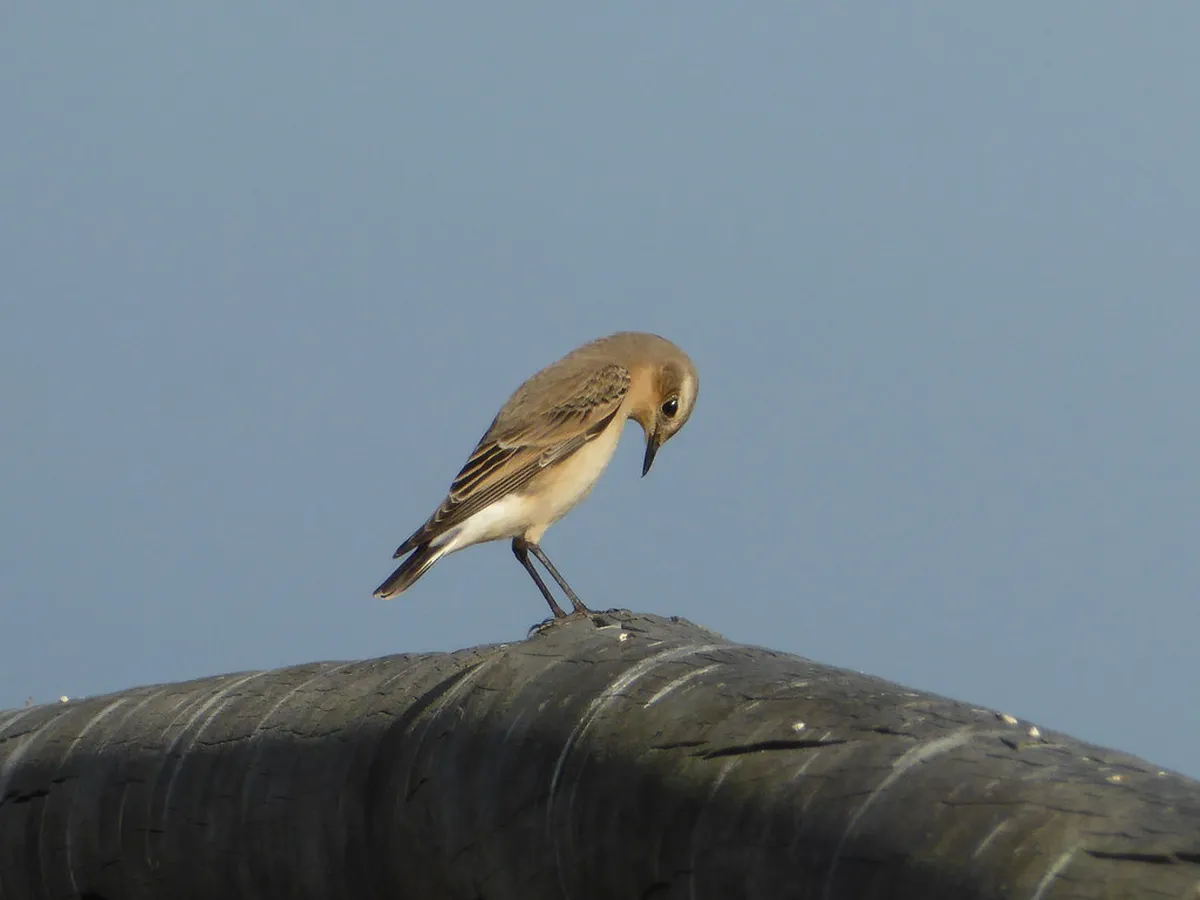
The Ria Formosa is one of the largest coastal lagoons in Europe, stretching 60 km along the Algarve coast. The ecosystem supports flamingos, egrets, spoonbills, and one of the world's largest populations of long-snouted seahorses — the latter too small to spot from a boat, but the guides explain their presence. The sandbar islands shelter some of the quietest beaches in the Algarve. Ilha Deserta (also called Ilha Barreta) is the most southerly point of mainland Portugal; it has a single restaurant and no permanent residents. If you want to swim, a 3-hour island tour gives you 45–60 minutes ashore.
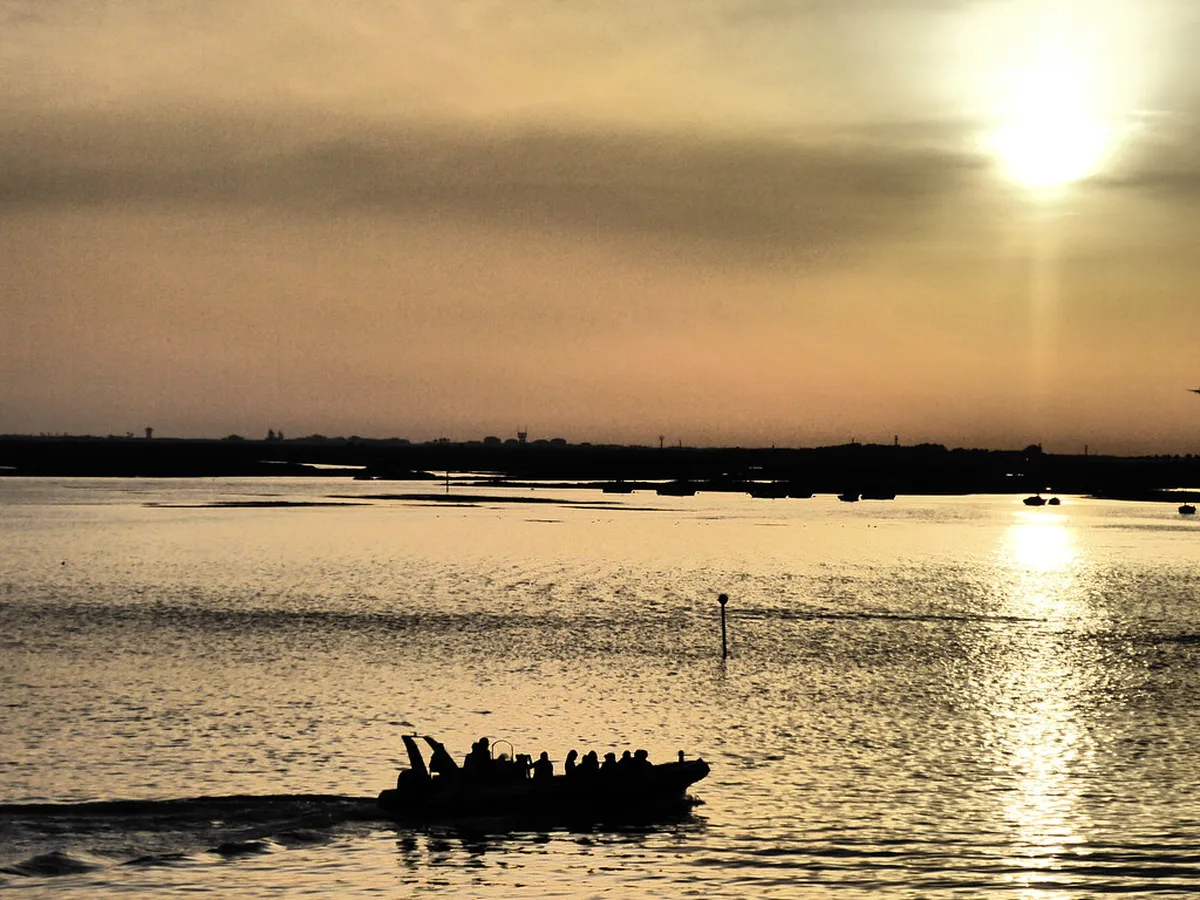
Take a hat and sunscreen — there is almost no shade on the open boats. An early afternoon tour avoids the hottest part of the day by keeping you on the water where there is a breeze. If the weather turns or the tour is fully booked, the Museu Municipal de Faro makes a solid indoor alternative — the 3rd-century Roman mosaic discovered there in the 1920s is genuinely impressive and the building itself, a 16th-century former convent, is worth the €4 entry on its own.
A Sunset Drink at O Castelo in Faro
Return from the boat tour with enough time to clean up and walk back toward the Old Town for early evening. O Castelo sits within the walls of the Cidade Velha, occupying the former fortified section near the cathedral. The terrace faces west and catches the last light of the day over the lagoon. Order a glass of local Algarve wine — look for labels from the Lagoa or Tavira appellations — or a ginjinha if you want something fortified and distinctly Portuguese. The kitchen serves food but the drinks and the view are the reason to come.
The atmosphere inside the walls in the early evening is noticeably different from the daytime. Tour groups have left, the light is warm and low, and the cobblestones take on a different color in the late-afternoon sun. This is the best moment for unhurried photographs of the cathedral facade. After the drink, walk the short distance back toward the harbor front for dinner — the waterfront restaurants are more tourist-facing, but the streets immediately behind the main promenade have smaller, cheaper options patronized by locals.
Faro stays lively until late by Portuguese standards. The streets around the university district north of the center pick up after 21:00. If you are staying overnight, this is an easy walk from any hotel near the harbor. The city is very safe after dark and the route between the Old Town and the harbor front is well lit and busy.
Where to Stay in Faro
Staying within or immediately adjacent to the Cidade Velha puts you closest to the morning sights. Boutique hotels inside the walls are limited — there are only a handful — and they book out weeks in advance in July and August. The Faro Boutique Hotel near the central square is a reliable mid-range choice in a very central location. For a more characterful stay, look for guesthouses on the quieter streets just outside the Old Town gates; these tend to offer better rates than harbor-view properties.
Budget travelers will find clean, good-value accommodation near the central bus station, a 10-minute walk from the harbor. The area is safe and practical — good for early departures to the airport or train station. If you need the airport in the morning, an Uber from anywhere in the center costs under €10 and takes under 15 minutes. Walking from the center to the train station with luggage is possible but the cobblestones make suitcases awkward — the competitor tip about taking an Uber even for short distances is well earned.
For a splurge, some hotels near the lagoon edge offer rooftop pools with views over the Ria Formosa. The Quinta do Lago Country Club area (about 15 km west of Faro) is in a different price bracket entirely and suits those who want resort amenities alongside city access. You can find current availability for hotels in Faro, Portugal across a range of budgets — book three or more weeks ahead in peak season.
Day Trips From Faro Portugal
If you have more than one day, the surrounding region extends the trip significantly. Tavira is the most frequently recommended day trip — it is less than an hour east by regional train (departures roughly every hour from Faro station, tickets under €5) and offers a preserved historic centre with a Roman bridge, several churches, and a slower pace than Faro. Our regional day-trip guide covers Tavira and the other options in detail. For anyone with a full second day, the 2-day itinerary builds the logical extension of this route.
Olhão, 7 km east of Faro, is reachable in ten minutes by train and makes a half-day addition rather than a full day trip. The red-brick market building on the waterfront is one of the most architecturally distinctive in the Algarve, and Saturday mornings bring a fresh fish auction that starts at 08:00. The town's cubist-style houses reflect a North African architectural influence brought back by local fishing fleets in the 18th and 19th centuries — no other town in the Algarve looks quite like it.
The Roman ruins at Milreu in Estoi (accessible by local bus or short taxi) and the pink Baroque Palácio de Estoi next door make a worthwhile half-day cultural trip for history-focused visitors. Seville is reachable by bus in around 3 hours for €15 one way — a long day from Faro but viable if you want a larger city experience. The Roman remains at Milreu and Estoi connect well with the broader theme of exploring the historic quarters of Portugal across the region.
Frequently Asked Questions
Is Faro worth visiting for one day?
Yes, Faro is definitely worth a one-day visit for its historic Old Town and lagoon. You can see the main landmarks like the Cathedral and Ria Formosa easily on foot. It offers an authentic Portuguese experience away from the main tourist crowds.
How do I get from Faro airport to the city center?
The easiest way is by taking the number 16 bus which runs every 30-50 minutes. The journey takes about 15 minutes and costs roughly €2.50. Taxis and ride-sharing apps like Uber are also available for around €10 to €15.
What is the best time of year to visit Faro?
Spring and early autumn are the best times to visit for pleasant walking weather. Temperatures are mild, and the city is less crowded than in July or August. Winter is also lovely for quiet exploration and birdwatching in the lagoon.
Faro rewards the traveler who slows down. The Cidade Velha, the cathedral tower, the Bone Chapel, and a boat across the lagoon make for a genuinely full and varied day. Prices are fair, distances are short, and the city has not been polished into a theme-park version of itself. Come with comfortable shoes, book your boat tour in advance, and leave a window in the evening for a drink inside the Old Town walls as the light changes.