Finding the best time to visit Faro depends on your budget and heat tolerance. Peak summer months see prices for hotels and flights skyrocket as crowds fill the Algarve. Winter offers the deepest discounts but comes with cooler nights and some closures. This guide breaks down exactly when to go to keep your wallet happy in 2026.
Many travelers overlook Faro as just an airport gateway to the rest of the region. Staying in the city itself can save you hundreds of euros compared to beach resorts. You can enjoy authentic Portuguese culture without the high price tags of neighboring towns. Late January through February and the shoulder months of May and October are where the real value sits.
The Absolute Cheapest Month to Visit Faro
January is the cheapest month to fly to Faro based on consistent flight data across the major booking platforms. Demand for the Algarve drops sharply after the New Year celebrations end. Airlines slash prices to fill seats during this quiet winter period, and you can find round-trip flights from London or Amsterdam for under €80 return — a fraction of the July cost.
Accommodation rates also hit their lowest point during January and February. Boutique guesthouses and even luxury hotels offer deep discounts to attract visitors during the off-season. Daytime temperatures typically reach 14–17°C / 57–63°F on sunny days, which is comfortable for walking and sightseeing. Evening temperatures drop to around 8°C / 46°F, so a warm jacket is necessary.
Visiting in January lets you explore the city without any tourist crowds. The historic streets feel authentic and local life continues at a slower, more welcoming pace. Budget travelers can save up to 60% on accommodation compared to peak summer prices. The low season does not mean a diminished experience — most museums, the old town, and Ria Formosa trails stay fully open.
Faro Weather by Month: Price and Temperature Guide
Understanding the Faro weather by month helps you pinpoint the exact window with the best value. The table below maps average daytime highs, crowd levels, and relative price tiers for each month of the year so you can plan precisely.
| Month | Avg High (°C) | Crowd Level | Price Tier | Sunshine (hrs/day) |
|---|---|---|---|---|
| January | 16 | Very Low | Lowest | 5.5 |
| February | 17 | Very Low | Lowest | 6 |
| March | 19 | Low | Low | 7 |
| April | 21 | Moderate | Medium-Low | 8 |
| May | 23 | Moderate | Medium | 9.5 |
| June | 27 | High | High | 11 |
| July | 30 | Peak | Highest | 12 |
| August | 30 | Peak | Highest | 11.5 |
| September | 27 | High | High | 9.5 |
| October | 23 | Moderate | Medium | 8 |
| November | 19 | Low | Low | 6 |
| December | 16 | Very Low | Low-Medium | 5 |
Most rainfall arrives between November and March, but Faro is still one of the sunniest cities in Europe even in winter. Short, heavy showers are the norm rather than grey all-day drizzle. The rainy season rarely disrupts sightseeing plans for more than a morning at a time.
Car rental prices mirror the crowd levels almost exactly. Booking a compact car in February typically costs 65–70% less than the same vehicle in August. This single saving alone can change the economics of a whole Algarve road trip.
The Shoulder Season Sweet Spot: May and October
January delivers the lowest raw prices, but May and October offer the best value per euro spent. Temperatures are warm enough for comfortable outdoor exploration — typically 21–24°C — without the brutal summer heat that pushes daytime temperatures past 30°C. Hotel prices in May are roughly 30–40% lower than in July while sunshine hours are still generous at 9–10 hours per day.
October is the mirror image at the other end of summer. The sea is at its warmest of the year (around 21°C), having absorbed months of solar heat, yet the tourist crowds thin out noticeably from September. A week's accommodation in Faro in October regularly costs 25–35% less than in peak August. Restaurants are easier to book and service is more personal.
Both months also sit outside the main school holiday windows across most of northern Europe, which is a big driver of Algarve pricing. If you cannot stomach a cold January trip, May or October are your financially smartest alternatives. For the most complete experience of the old town and natural park, these two months are the consistent winner.
May and October deliver the perfect balance of warm weather (21–24°C), manageable crowds, and prices 25–40% lower than summer. Book these months 8–10 weeks ahead for the best fares without sacrificing comfort or experience.
How to Find the Cheapest Flights to Faro Airport
Faro Airport (FAO) is one of the best-connected regional airports in southern Europe for budget airlines. Ryanair, easyJet, Jet2, and Vueling all operate direct routes from multiple UK and European cities. The competition between carriers keeps off-peak fares extremely low, particularly on Tuesday and Wednesday departures.
Book at least 8–10 weeks in advance for shoulder season travel and 12–14 weeks ahead for summer to secure the lowest fares. Last-minute winter deals do appear, particularly in January, when airlines drop prices to fill near-empty planes. Setting a Google Flights price alert for your departure airport to FAO is the easiest way to catch these drops without checking daily.
- Fly on Tuesday or Wednesday — fares average 15–20% cheaper than Friday and Sunday.
- Choose a January or February departure date for the absolute floor price.
- Book 8–12 weeks out for May/October shoulder travel to lock in mid-range rates before Easter demand pushes spring prices up.
- Check both FAO and Seville (SVQ) — it is 200 km away but occasionally offers better transatlantic connections if you are routing via Madrid or Lisbon.
Once you land, the Line 16 airport bus runs from FAO directly into Faro city centre for around €2.35 in 2026. It departs every 30 minutes during the day. Private transfers cost €15–25 for the same 7 km journey — a meaningful saving, particularly for a solo traveler or a couple.
Faro vs. Albufeira: Which Base Costs Less?
Most first-time Algarve visitors default to Albufeira or Vilamoura as their base. Both are pleasant, but both are significantly more expensive than Faro for everyday costs. A double room in a mid-range Albufeira hotel in May 2026 typically runs €110–140 per night. The same quality room in central Faro costs €65–90. Over a week's stay, that gap adds up to €300 or more in accommodation alone.
Dining follows the same pattern. Albufeira's seafront strip caters heavily to package tourists and prices reflect that. In Faro's non-tourist backstreets — particularly around the market and the residential area east of the train station — a Prato do Dia (dish of the day) lunch of soup, main, and a glass of wine costs €8–10. The same meal in a comparable Albufeira spot runs €15–18. Faro restaurants serve the same fresh Algarve seafood, caught from the same lagoon.
Transport is where Faro's geographic advantage really shows. Faro has the main regional train station. From here, the CP Algarve line connects to Lagos in the west and Tavira and Vila Real in the east for €3–6 return. Day-tripping across the Algarve from Faro is genuinely cheap. Doing the same from Albufeira requires a bus or taxi to reach the train line, adding time and cost to every excursion. Staying in Faro and day-tripping outward is the most cost-efficient strategy for exploring the full region.
Budget-Friendly Accommodation Options in Faro
Staying in the historic district can be very affordable in the off-season. Many boutique guesthouses lower their rates by half during the winter months, and some include breakfast. Booking at least three months in advance usually secures the best available rates for shoulder and summer visits.
Apartment rentals suit groups and families well. Having a kitchen lets you cook some meals using fresh produce from the municipal market, where prices are noticeably lower than supermarkets. A self-catering week in Faro can cut your daily food budget by 30–40% compared to eating every meal out.
Hostels in Faro are clean, well-located, and often offer private rooms that provide a hotel feel at a lower price. The social atmosphere is good for solo travelers. For digital nomads, several Faro guesthouses offer monthly rates from October to March that work out to under €600 a month including utilities — a level that is simply not available in Albufeira or the resort strip.
Must-See Free and Cheap Attractions in Faro
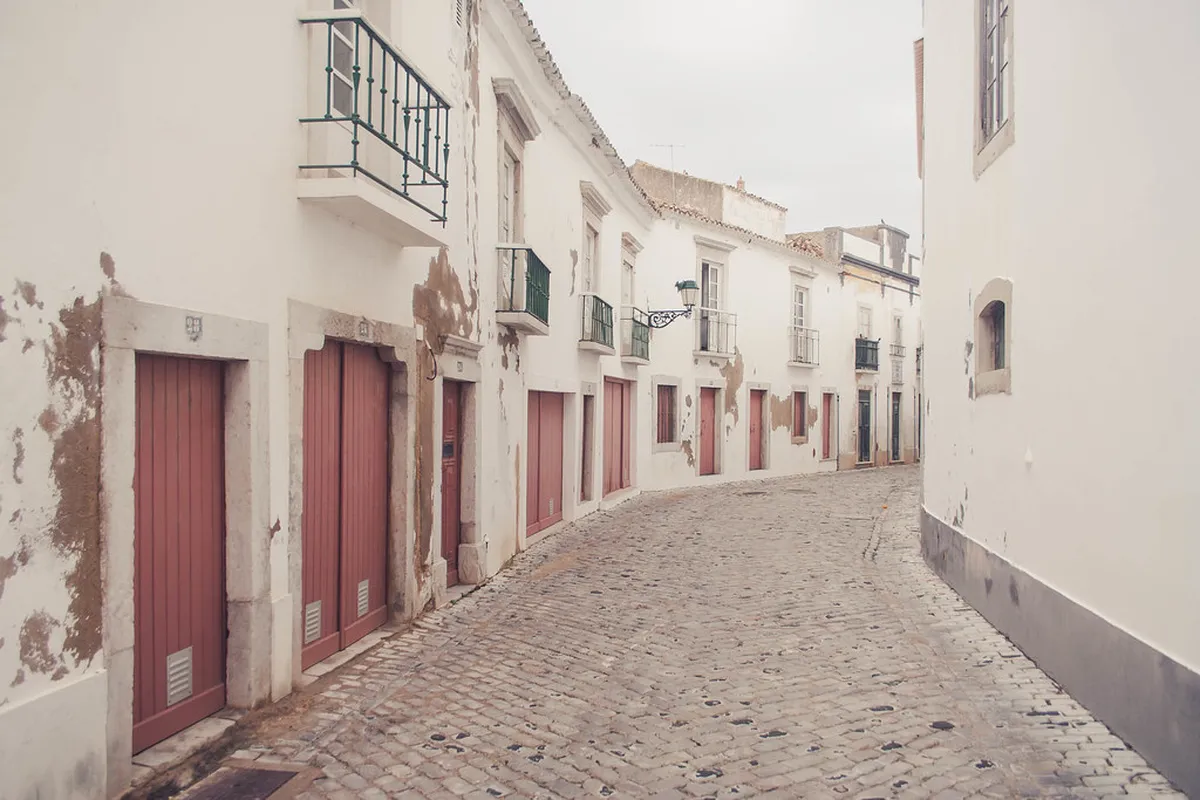
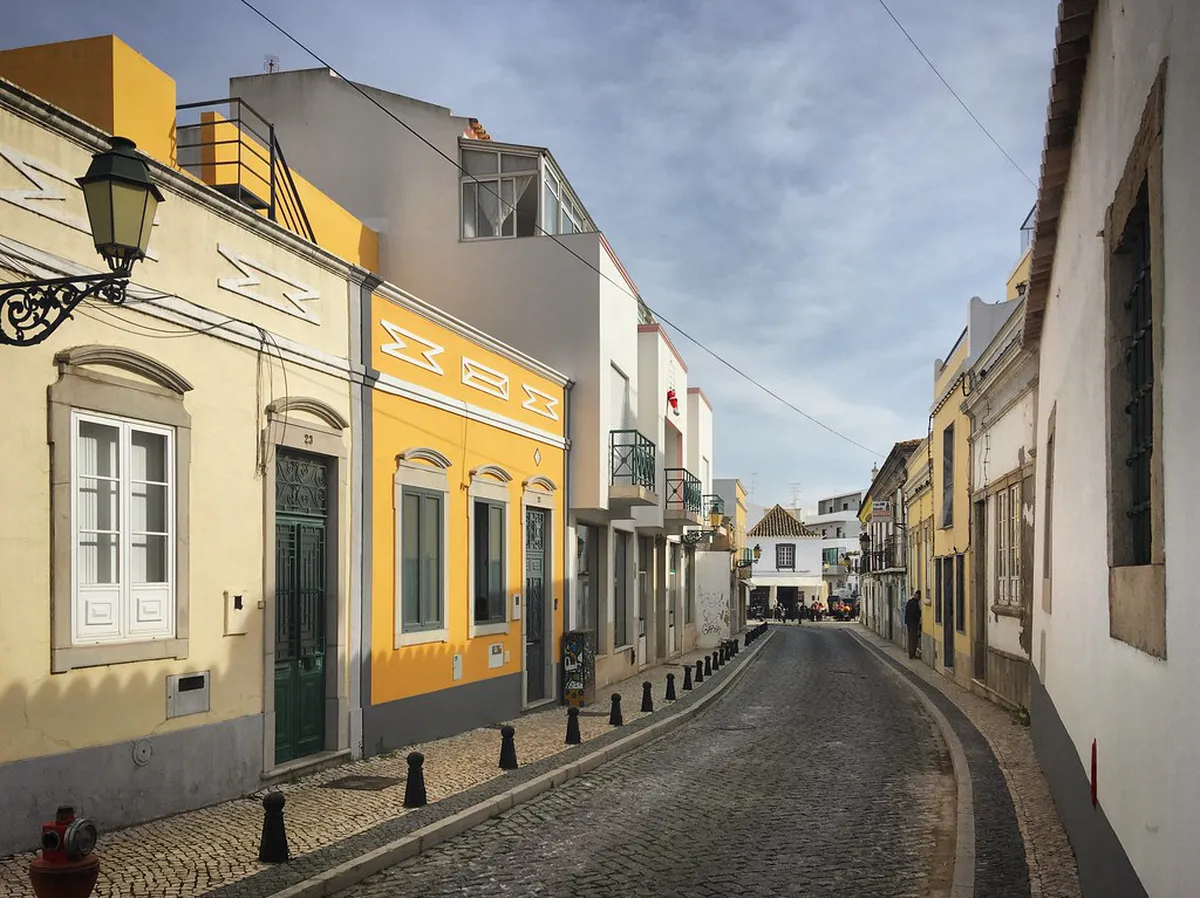
Exploring the Faro Old Town is completely free and highly rewarding. You can walk through the ancient Arco da Vila and admire the Roman and Moorish-influenced architecture without spending a cent. The narrow streets are filled with history and beautiful azulejo-tiled facades. Storks build massive nests on top of the old church steeples — a sight that surprises most first-time visitors.
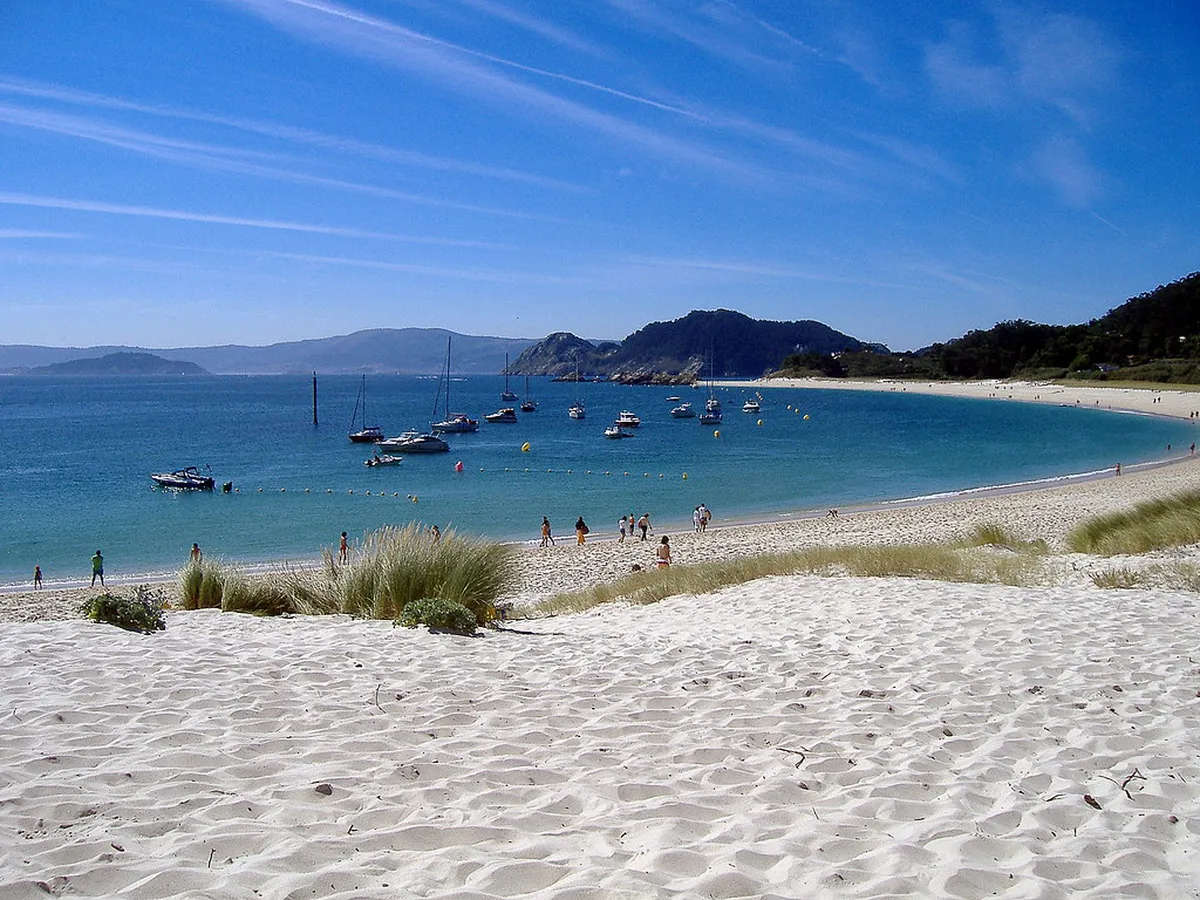
The Ria Formosa Natural Park offers beautiful trails for walking or cycling at no entry cost. You can see diverse birdlife, flamingos in winter, and unique salt pans on the free walking paths. The views of the lagoon are especially stunning during the golden hour. Taking the local bus to Praia de Faro costs under €2 and delivers a quiet beach experience even in summer.
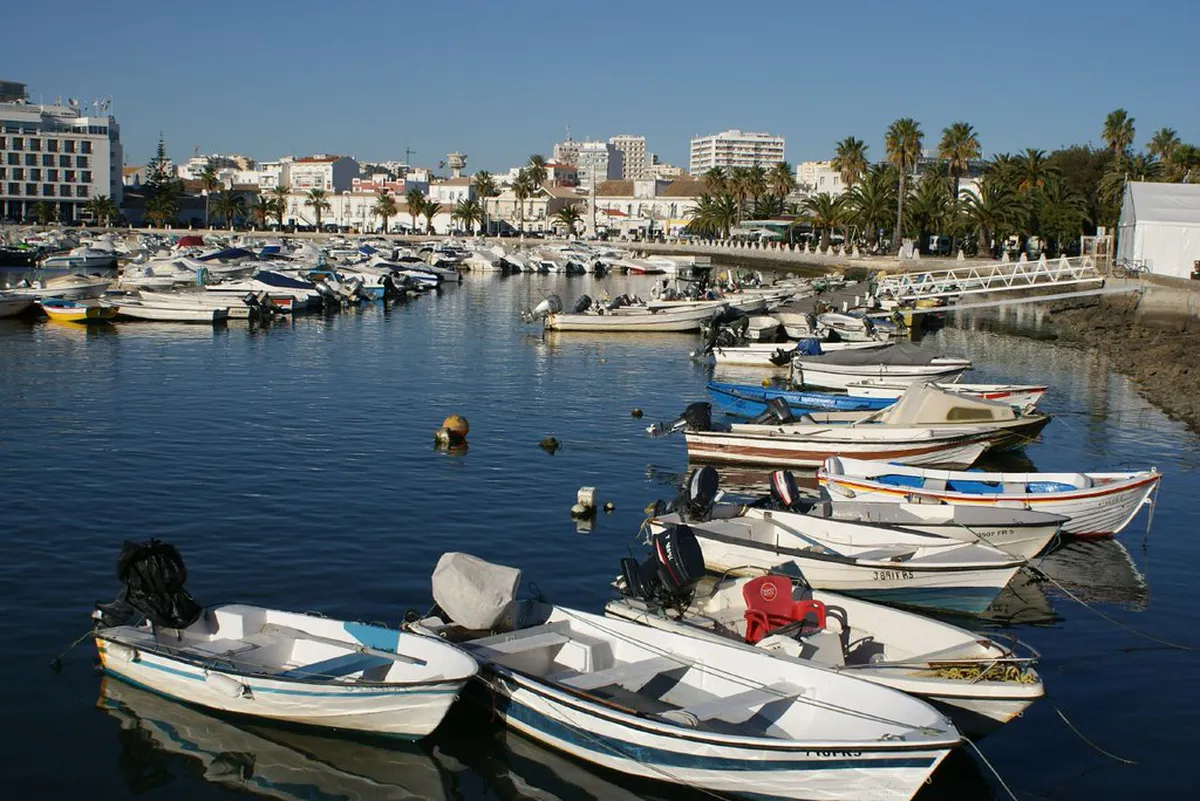
The Faro Marina is a great place for a free evening stroll. The Municipal Museum charges only €2 and Sunday mornings often have free entry. The Bone Chapel behind Igreja do Carmo costs just €4 and is one of the most genuinely memorable sites in the entire Algarve. These attractions stay open year-round, which is another argument for visiting in the low season.
Museums, Art, and Culture for Budget Travelers
The Municipal Museum of Faro offers very affordable entry for all visitors. It is housed in a beautiful former convent with a peaceful central cloister. You can see Roman artifacts and regional religious art for just €2. The off-season gives you these rooms almost entirely to yourself.
Street art has become a significant part of the local culture in recent years. You can take one of the best walking tours in Faro to see murals across the city. Many artworks are concentrated in the streets near the train station and along Rua de Santo António. Following a self-guided art map downloaded before arrival costs nothing.
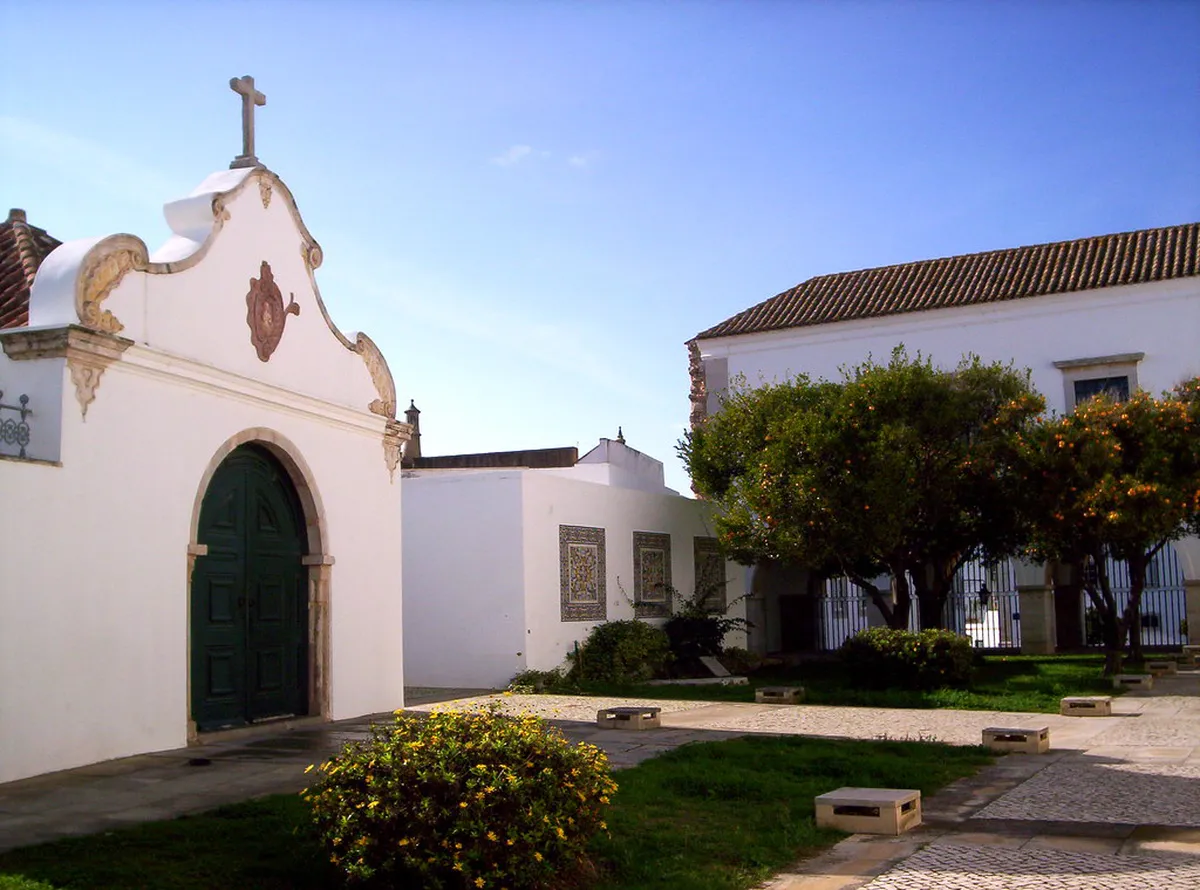
The Igreja do Carmo and its twin bell towers are free to view from outside and worth photographing at any time of day. The interior, including the Bone Chapel, requires a small entry fee. Low-season visits let you spend as long as you like inside without the crowds that form in summer.
What to Expect in Low Season: Openings and Closures
Traveling in the off-season requires some awareness of local business schedules. Many beach bars on the barrier islands close completely from November to March. Ferries to the outer Ria Formosa islands operate on a much more limited winter timetable — check the current schedule at the Faro pier before planning your day. Some sailings are weekend-only from November onwards.
Some tourist-focused restaurants in the city center may close for annual holidays, typically in January or February when visitor numbers are at their lowest. Local tavernas remain open and offer the best value for authentic meals. Ask for the Prato do Dia — a three-course lunch of soup, main, and a drink for under €10 — which local cafes serve on weekdays year-round regardless of season.
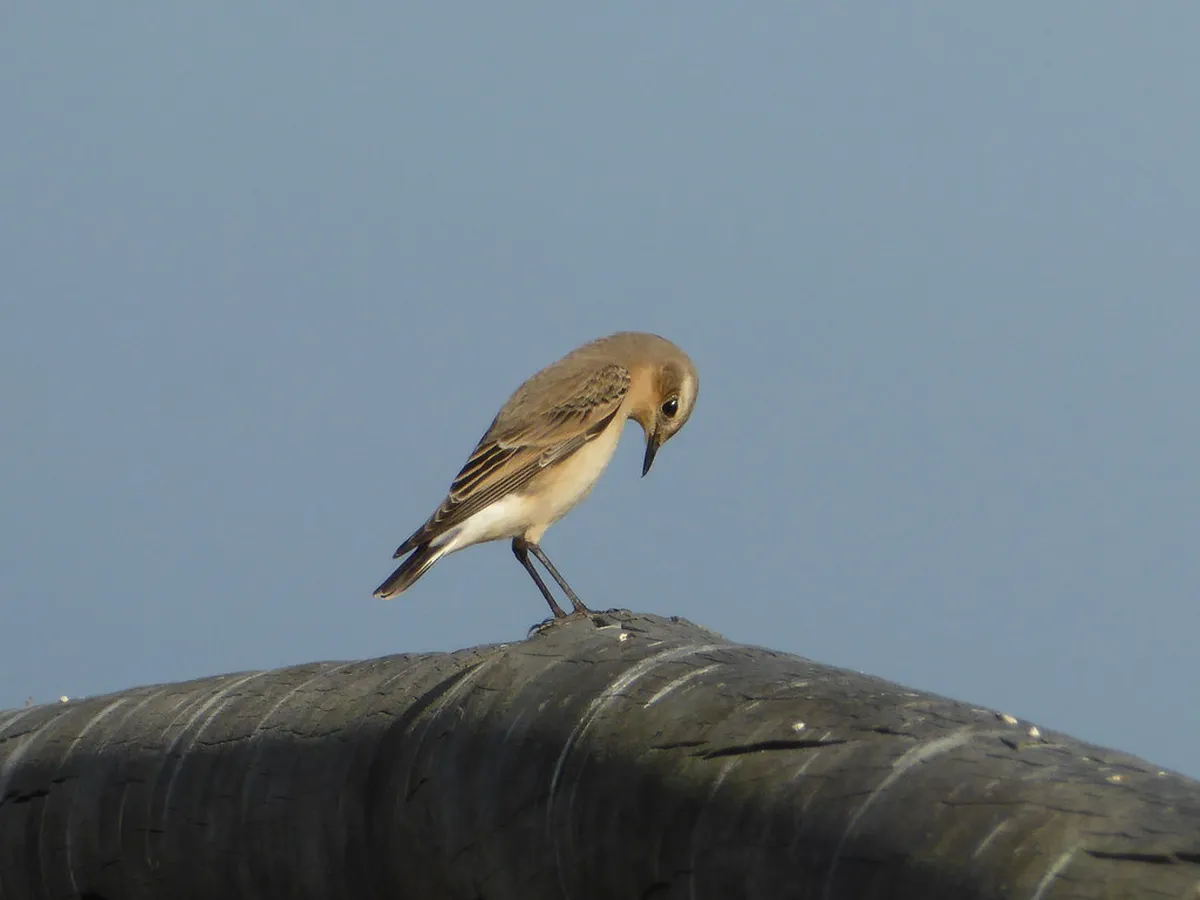
Faro's main museums and historic sites generally stay open all year round with slightly reduced winter hours. The Ria Formosa walking trails are actually better in winter because migratory birds arrive in large numbers from October through February. Water parks and seasonal attractions in the wider Algarve close during winter, typically operating only from late May until early October.
If visiting November–March, always confirm ferry times to outer islands and beach bar openings before your trip—many operate weekend-only schedules in winter. Check the Faro pier bulletin or contact the visitor center to avoid missing activities.
Family-Friendly and Budget-Friendly Activities
Families can enjoy many low-cost activities within the city. Public playgrounds near the marina are well-maintained and free. The science center offers affordable educational exhibits for children and is a good indoor option on a rare rainy day. The Alameda João de Deus garden has peacocks, a small pond, and plenty of shaded benches — all free of charge.
Taking the ferry to Ilha Deserta is an affordable and exciting adventure for kids. The boat ride itself is a highlight. You can spend the day exploring sandy dunes and calm lagoon waters. Packing your own food and drinks avoids the high prices at the island's single café and keeps the day very budget-friendly.
The local trains offer a cheap way to see other Algarve towns. Check the Comboios de Portugal (CP) website for current regional ticket prices. A return trip to nearby Olhão costs around €3 and Tavira around €5. These short journeys are much cheaper than organised group tours and give children a genuine slice of local life.
How to Plan a Smooth and Affordable Faro Itinerary
A well-planned 1-day itinerary can save you both time and money. Start your day early at the municipal market to buy fresh fruit and pastries for breakfast at market prices. Walk between attractions to avoid taxis — the city centre is compact and easy to navigate on foot from the marina to the old town in about 10 minutes.
Use the Line 16 bus to travel between the airport and the centre for €2.35. It runs frequently and is the most budget-friendly way to start and end your trip. Private transfers are much more expensive and rarely necessary for solo travelers or couples.
Eat your main meal at lunch to benefit from set menus. Many local cafes serve a soup, main course, and a glass of wine for under €10. Dinner prices in tourist-facing restaurants are often 40–60% higher than the same food at lunchtime. Following locals away from the main squares will always lead to better food at lower prices. Check the official Visit Portugal calendar before you travel — local festivals occasionally push hotel rates up even in the shoulder season, so knowing the dates lets you avoid or plan around them.
Frequently Asked Questions
What is the cheapest month to fly to Faro?
January is typically the cheapest month to fly to Faro. Airlines reduce prices during the winter off-season to fill seats. You can find significant savings compared to summer rates.
Is Faro expensive to visit in the winter?
Faro is very affordable in the winter. Hotel rates are at their lowest and many restaurants offer budget lunch deals. It is the best time for price-conscious travelers.
When is the rainy season in Faro?
The rainy season occurs between November and March. Most rainfall comes in short, heavy bursts rather than all day. Faro remains one of the sunniest places in Europe.
How can I save money on accommodation in the Algarve?
Stay in Faro city instead of beach resorts to save money. Booking guesthouses or hostels in the off-season also provides deep discounts. Use kitchens to cook your own meals.
Are attractions in Faro open during the off-season?
Most historic sites and museums in Faro stay open year-round. Some beach bars and island ferries may have reduced hours in winter. Always check local schedules in advance.
Visiting Faro on a budget is easy if you choose your dates carefully. January and February offer the deepest financial savings on flights and lodging. May and October deliver the best balance of good weather and moderate prices — the true sweet spot for most travelers. Faro consistently undercuts the better-known Algarve resorts on every cost measure, making it the smartest base for exploring the region. Once you arrive, our historic landmarks guide helps you navigate the main sights without wandering lost.
Focus on free attractions, local cafes, and the regional train network to keep your daily costs low. The city's rich history and natural beauty do not require a large budget. Plan your 2026 trip to experience the authentic charm of the Algarve gateway on your own terms.