
Discovering the Roman Origins of Faro's Historic District
Table of Contents
Faro's historic district holds many secrets. Its cobblestone streets whisper tales of centuries past. Among these stories are the significant Roman origins of Faro's historic district. You will find layers of history beneath your feet. This guide uncovers Faro's ancient past. Explore the deep roots of this captivating Portuguese city.
The Ancient City of Ossonoba: Faro's Roman Beginning
Long before Faro became known, a thriving Roman settlement existed. It was called Ossonoba, established around the 2nd century BCE. This port city was vital for trade and communication. Its strategic location on the Algarve coast was key.
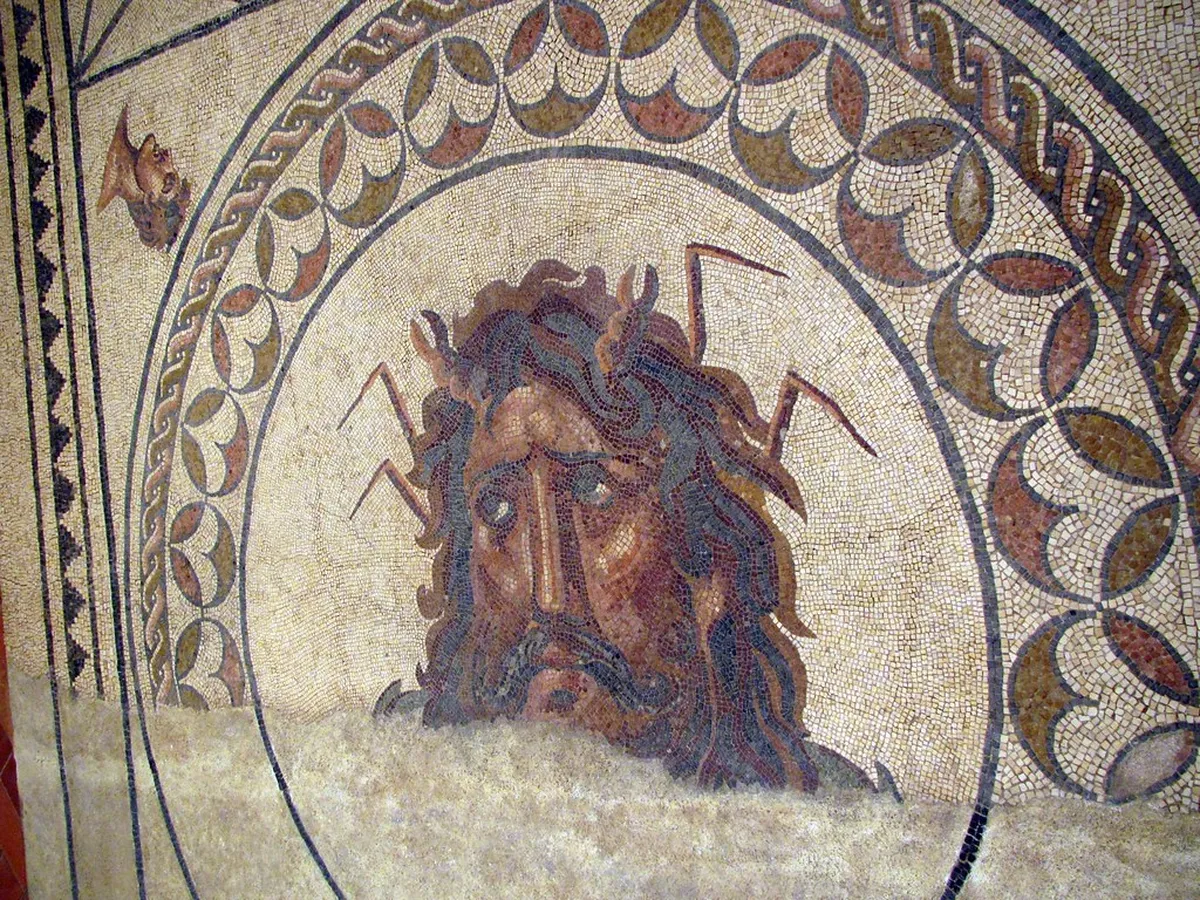
Ossonoba served as an important hub for the Roman province of Lusitania. Roman rule brought stability and infrastructure. Evidence of roads, villas, and temples have been found. The economy flourished with fishing, agriculture, and pottery production.
The Romans built a complex urban system. They created advanced water supply and sewage systems. Ossonoba was a testament to Roman engineering skills. Its prosperity endured for several centuries.
This early Roman presence laid the groundwork for modern Faro. Understanding Ossonoba helps us grasp the current city's foundations. The Roman legacy is truly immense here.
Roman Remnants Within Faro's Cidade Velha Today
Faro's historic district, known as Faro Old Town, sits atop ancient Ossonoba. Visitors in 2026 can still glimpse these Roman origins. Look closely at the city walls for clues. Parts of the existing walls incorporate Roman foundations.
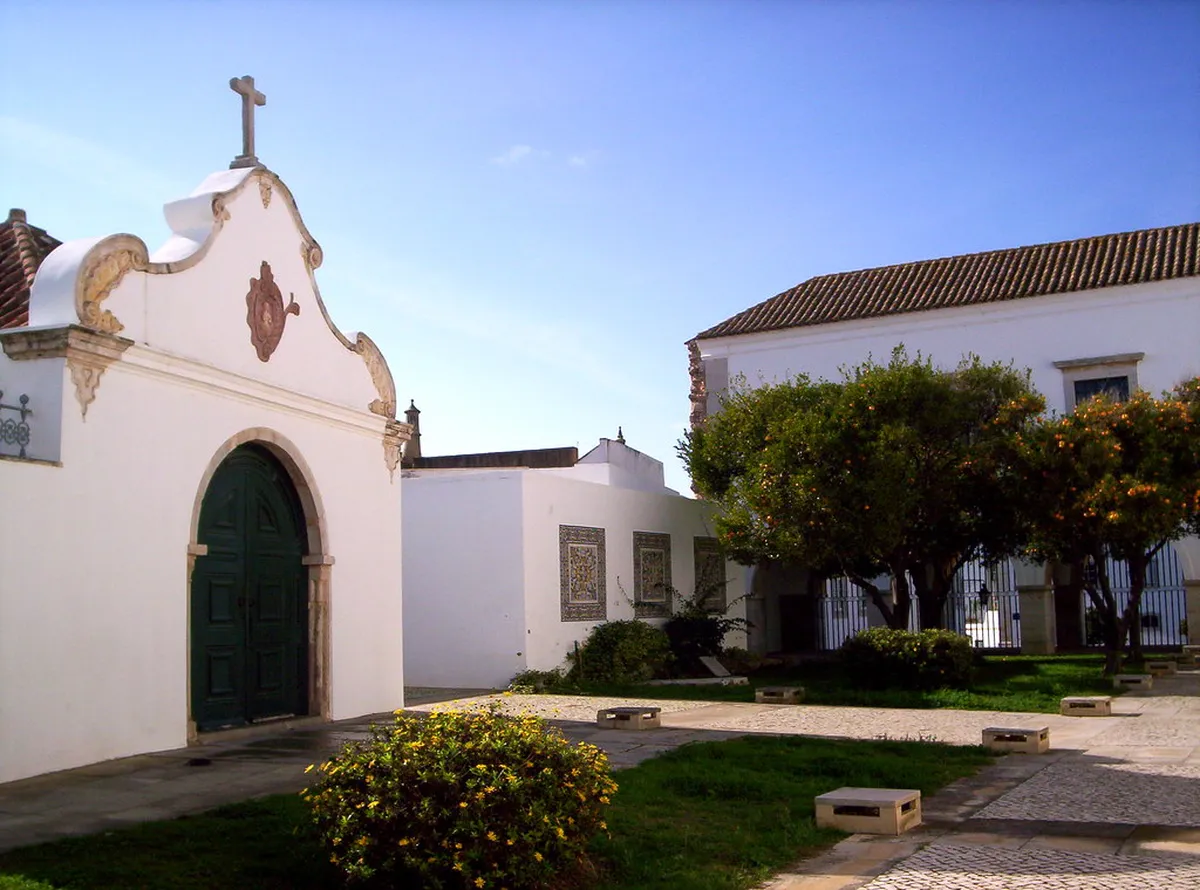
Archaeological digs have revealed fascinating insights. Sections of Roman roads and structures lie beneath. The short history of Faro Old Town highlights these discoveries. You can observe fragments of ancient stones.
Even the Faro Cathedral stands on a former Roman temple site. Its early construction used materials from previous eras. This includes columns and stones from Roman buildings. Such continuity shows Faro's enduring history.
Exploring the narrow streets feels like stepping back in time. Imagine Roman citizens walking these same paths. The Roman presence shaped the very essence of this charming district. It is a powerful connection to the past.
Tracing Roman Influence on Faro's Urban Layout
The Roman origins of Faro's historic district extend to its very design. Early Roman urban planning followed a grid system. This orderly approach is often visible in ancient cities. Faro shows signs of this structured layout.
Many street patterns in Cidade Velha reflect this past. They follow lines established millennia ago. This careful arrangement allowed for efficient movement. It also facilitated defense and civic organization.
While later cultures added their own layers, the Roman skeleton remained. The main gate, Arco da Vila, stands near a former Roman entrance. This gateway symbolizes continuity. It welcomes visitors as it did in ancient times.
Understanding this planning helps visitors appreciate Faro's development. It's not just random streets but a deliberate design. This deep-seated influence is a core part of the city's identity.
Key Roman Artifacts and Museum Insights in Faro
To truly appreciate the Roman origins of Faro's historic district, visit the Faro Municipal Museum. This museum houses many artifacts from Ossonoba. It is located inside the Nossa Senhora da Assunção Convent. Entry costs around €2 for adults.

You will see pottery, coins, and everyday tools. There are also intricate mosaics and sculptures. These items tell stories of Roman life. They show the sophistication of ancient Ossonoba.
The museum provides detailed explanations of each exhibit. You learn about the people who lived here. Discover their customs, trades, and beliefs. It's a wonderful way to connect with Faro's deep past.
The museum is open Tuesday to Sunday from 10:00 AM to 6:00 PM. It is closed on Mondays. Allow at least an hour for your visit. It offers invaluable context for the historic district.
Entry to the Municipal Museum inside the Nossa Senhora da Assunção Convent costs around €2 for adults. The museum is open Tuesday to Sunday, 10:00 AM–6:00 PM — budget at least an hour to take in the mosaics, coins, and Roman pottery on display.
The Municipal Museum is closed on Mondays. Arriving on a Monday means missing the only dedicated collection of Roman artifacts from ancient Ossonoba — check the day before you visit.
| Detail | Information |
|---|---|
| Museum name | Faro Municipal Museum |
| Location | Nossa Senhora da Assunção Convent, Cidade Velha, Faro |
| Opening days | Tuesday to Sunday |
| Opening hours | 10:00 AM – 6:00 PM |
| Closed | Mondays |
| Adult entry | ~€2 |
| Recommended visit time | At least 1 hour |
Frequently Asked Questions
What was Faro called during Roman times in Portugal?
During the Roman era, Faro was known as Ossonoba. It was a significant port city. Ossonoba played a crucial role in the Roman province of Lusitania. This name reflects its ancient heritage.
Can you visit Roman ruins directly in Faro's historic district?
While extensive standing Roman ruins are limited, you can see remnants. Parts of the city walls have Roman foundations. The Faro Cathedral also sits on Roman temple remains. The Municipal Museum displays many unearthed artifacts. Consider a Faro Old Town guide for deeper insights.
How long did the Romans occupy the area of Faro?
The Romans occupied the Faro region for approximately 700 years. Their influence began around the 2nd century BCE. It continued until the 5th century CE. This long period left a lasting mark.
The Roman origins of Faro's historic district are truly profound. From Ossonoba's bustling port to today's Cidade Velha, history unfolds. Visitors can walk through layers of time. Embrace the ancient legacy that shaped this beautiful city. Plan your trip to Faro in 2026 to uncover these amazing stories firsthand!
Key Takeaways
- Faro was a major Roman city named Ossonoba from 2nd century BCE.
- Explore city walls and cathedral foundations for Roman structural remnants.
- Visit Faro's Municipal Museum to see extensive Roman artifacts.
- The ancient urban layout still influences Faro's historic district.
- Plan a 2026 trip to discover Faro's enduring Roman heritage.
Continue exploring Faro's historic quarter
 A Short History of Faro Old Town: Cidade Velha's PastDecember 13, 2025
- Discovering the Roman Origins of Faro's Historic DistrictDecember 11, 2025
 Faro's Cidade Velha: A Deep Dive into HistoryDecember 10, 2025
 10 Tips for the Cheapest Time to Visit FaroJune 6, 2026
 Faro In Summer Travel Guide: Best Tips for 2026June 6, 2026