A Short History of Faro Old Town: Cidade Velha's Past
Table of Contents
Faro's Old Town, known as Cidade Velha, holds centuries of history. This ancient district sits within impressive city walls. Its cobblestone streets whisper tales of bygone eras. Understanding this short history of Faro Old Town enriches any visit.
This guide explores the key moments shaping Cidade Velha. We cover its Roman origins to its modern appeal. Prepare to journey through time in Faro's historic heart. Discover why this area remains so significant in 2026.
Ancient Origins: Roman Roots of Cidade Velha
Faro's history stretches back over two millennia. The area was first settled by the Ossonoba tribe. Roman influence began around the 2nd century BC. They established a vital port city here.
Ossonoba became a thriving Roman settlement. It served as a key trading post in the Algarve region. Goods like fish, olive oil, and wine passed through. Remnants of this era can still be seen today. Discover more about the Roman origins of Faro's historic district.
The Roman period brought significant infrastructure. They built roads, baths, and administrative buildings. These foundations shaped the city's future layout. This early development laid the groundwork for Cidade Velha.
Evidence of Roman life is visible in Faro Museum. Artifacts showcase daily life and trade. These ancient items offer a glimpse into the past. They highlight the enduring legacy of Rome.
Faro's Municipal Museum is housed inside a former convent within Cidade Velha and holds artifacts spanning the Roman, Moorish, and medieval periods — it is one of the best starting points for understanding the full sweep of the city's history before wandering the streets.
Moorish Influence and Medieval Growth
After Roman rule, Visigoths controlled the region. In the 8th century, the Moors arrived. They renamed Ossonoba to "Santa Maria." This marked a new era of prosperity.
Moorish rule lasted for over five centuries. They introduced new irrigation techniques. Agriculture flourished, especially citrus fruits. The city walls were strengthened and expanded greatly.
Faro became a significant cultural center. It was known for its scholars and poets. The city thrived as a port and administrative hub. Moorish architecture left a lasting mark.
In 1249, King Afonso III reconquered Faro. This marked the end of Moorish dominion. Faro officially became part of the Kingdom of Portugal. Christian influence then reshaped the city.
The 1755 Earthquake and Rebuilding Faro
The 18th century brought catastrophic events. The Great Lisbon Earthquake struck in 1755. This massive quake devastated much of Portugal. Faro suffered immense destruction.
A subsequent tsunami further damaged the city. Many historic buildings crumbled. The ancient walls and structures were severely impacted. This event dramatically altered Faro's landscape.
Despite the devastation, Faro rebuilt. Much of the current Old Town dates from this period. New architectural styles emerged. You can see examples of resilient traditional Faro architecture today.
Reconstruction efforts were swift and determined. Marquês de Pombal led this national effort. His vision shaped many Portuguese cities. Faro's resilience stands as a testament to its people.
Much of Cidade Velha's current architecture dates from post-1755 reconstruction rather than the Moorish or Roman eras — while the street plan and city walls preserve ancient lines, many individual buildings are 18th-century rebuilds, so don't expect purely medieval facades inside the walls.
Faro Old Town Today: A Living Museum
Today, Faro Old Town, or Cidade Velha, captivates visitors. Its charming streets invite leisurely exploration. This district beautifully blends ancient history with modern life. You will find unique shops and cafes within its walls.
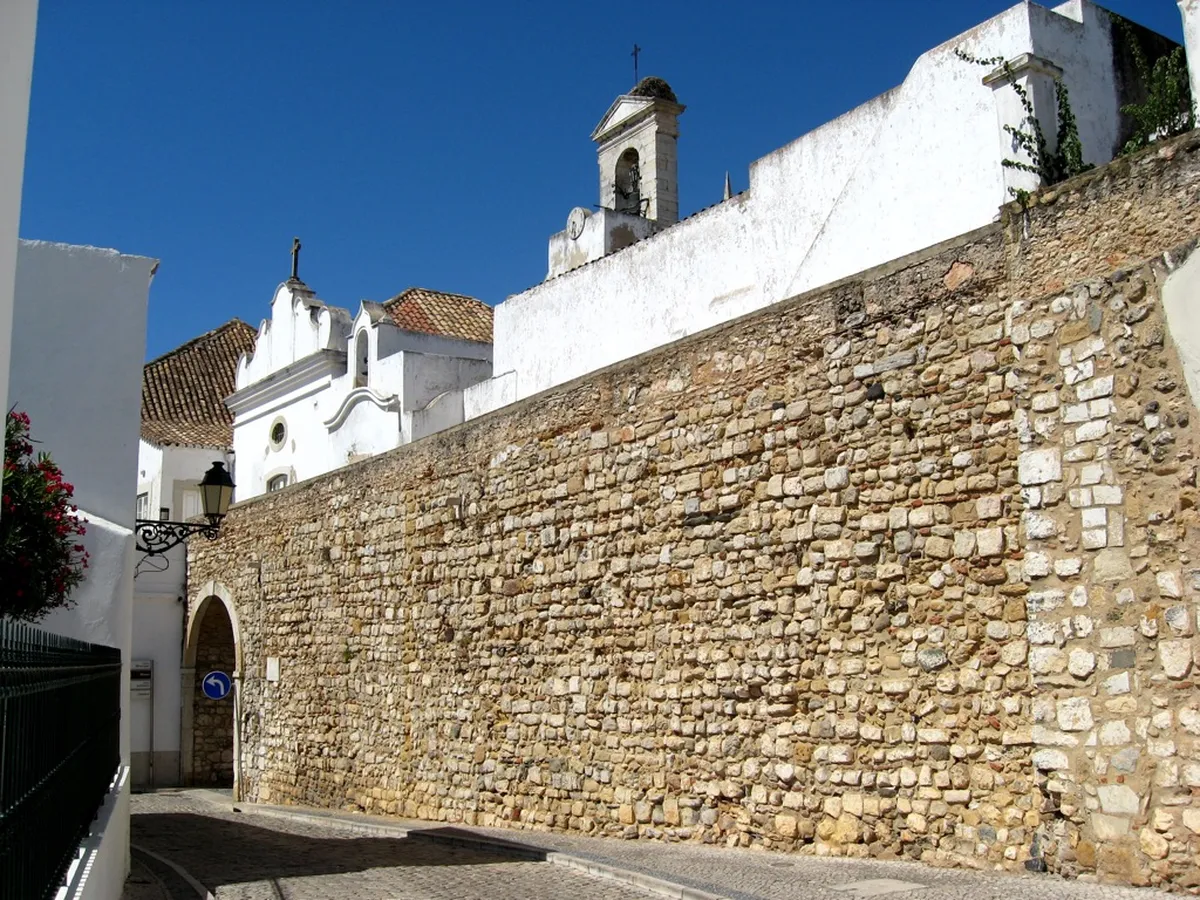
Key landmarks include Faro Cathedral and the Bishop's Palace. The Arco da Vila is a grand entrance gate. These sites showcase different historical periods. They offer a tangible connection to the past.
Visiting Cidade Velha in 2026 provides a unique experience. Wander through its pedestrian-friendly lanes. Imagine the Romans, Moors, and Portuguese who walked here. Plan your full visit with this comprehensive Faro Old Town guide.
Explore the Faro Municipal Museum for deeper insights. It resides in a former convent. This museum houses artifacts from various eras. It helps paint a clearer picture of Faro's vibrant history.
Frequently Asked Questions
What is the oldest part of Faro, Portugal?
The oldest part of Faro is Cidade Velha. It is also known as Faro Old Town. This area features the original Roman and Moorish settlements. Its ancient city walls define its historic boundaries.
When was Faro's Old Town founded?
Faro's Old Town has roots dating back to the 4th century BC. The Romans established Ossonoba here. This settlement evolved into the modern Faro. Its continuous occupation makes it truly ancient.
Are there guided tours available for Faro Old Town's history?
Yes, many guided tours explore Faro Old Town. They offer insights into its long history. Knowledgeable guides share fascinating stories. Look for tours specializing in history and architecture.
Faro Old Town offers a compelling journey through time. From Roman foundations to Moorish elegance, its past is rich. The resilience shown after the 1755 earthquake is inspiring. Cidade Velha truly is a living testament to history.
We hope this short history of Faro Old Town guides your exploration. Take time to absorb its unique atmosphere. Let the ancient walls tell their stories. Plan your visit to discover more of Faro's magic.
Key Takeaways
- Faro Old Town boasts over 2,000 years of continuous history.
- Major influences include Roman, Moorish, and post-earthquake reconstruction.
- Explore its ancient walls, cathedral, and museum for a full historical immersion.
Continue exploring Faro's historic quarter
- A Short History of Faro Old Town: Cidade Velha's PastDecember 13, 2025
 Discovering the Roman Origins of Faro's Historic DistrictDecember 11, 2025
 Faro's Cidade Velha: A Deep Dive into HistoryDecember 10, 2025
 10 Tips for the Cheapest Time to Visit FaroJune 6, 2026
 Faro In Summer Travel Guide: Best Tips for 2026June 6, 2026