
Traditional Faro Architecture: A Historic Guide
Table of Contents
Faro, Portugal, offers a captivating journey through time. Its charming streets reveal a rich architectural history. Traditional Faro architecture showcases a unique blend of influences. Discover Moorish, Manueline, and Baroque elements.
This guide will help you explore Faro's stunning buildings. Learn about their distinctive features and historical significance. Plan your visit to this beautiful city in 2026. Immerse yourself in Faro's timeless architectural heritage.
Understanding Faro's Architectural Heritage
Faro boasts a long and fascinating history. Early settlements greatly shaped its character. Architectural styles reflect centuries of cultural exchange. The city's design tells a compelling story.
Roman and Moorish influences are still visible today. The Christian reconquest brought new building designs. However, the devastating earthquake of 1755 reshaped much of Faro. It destroyed many existing structures.
Rebuilding efforts then incorporated popular styles. Many new buildings featured Baroque and Rococo elements. Local materials were often used in their construction. This gave the city a cohesive look.
Traditional Faro architecture speaks of resilience. It also highlights continuous cultural evolution. Discover its enduring charm as you walk the historic streets. Each building holds a piece of Faro's past.
Key Features of Faro's Traditional Architecture
Faro's traditional buildings often boast whitewashed walls. These walls reflect the intense Algarve sunlight. This helps to keep interiors cool during warm months. They create a bright, inviting urban landscape.
Vibrant colors frequently adorn window frames and doors. These splashes of color add cheerful accents. They contrast beautifully with the white facades. Look for shades of blue, yellow, and green.
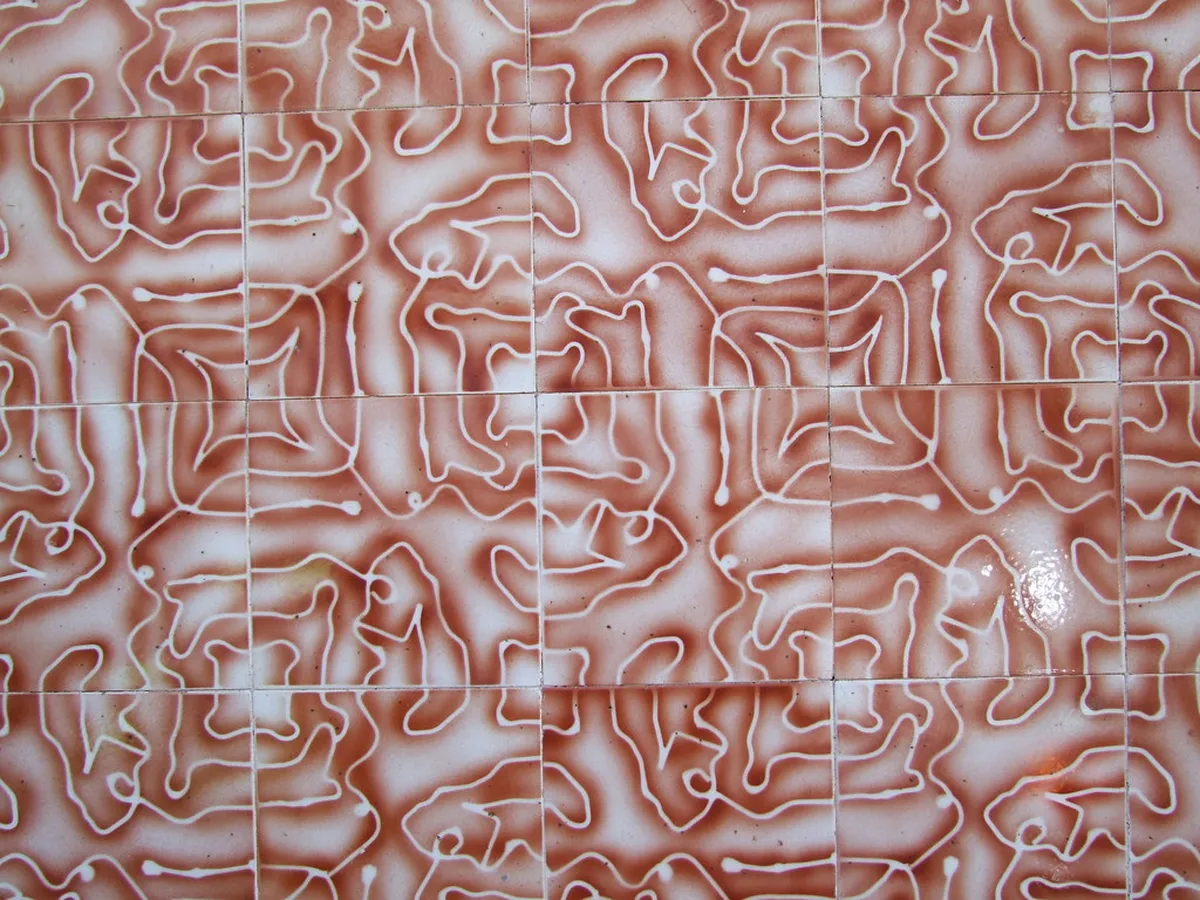
Intricate azulejo tiles are a common, stunning sight. These decorative ceramic tiles add both beauty and history. They depict scenes, patterns, or religious motifs. You can find them on facades, in courtyards, and inside churches.
Ornate wrought-iron balconies enhance many structures. These balconies offer charming street views. They add elegance to the building's exterior. Many examples date back to the 18th and 19th centuries.
Manueline doorways hint at Portugal's maritime past. Look for distinctive rope motifs and armillary spheres. These intricate details often surround the entrances. You can spot them at the Faro Cathedral and other old structures.
Exploring Faro's Iconic Architectural Landmarks
The Old Town, known as Cidade Velha, is a true treasure. It showcases the very best of traditional Faro architecture. Start your exploration at the impressive Arco da Vila. This grand arch serves as a historic city gate.
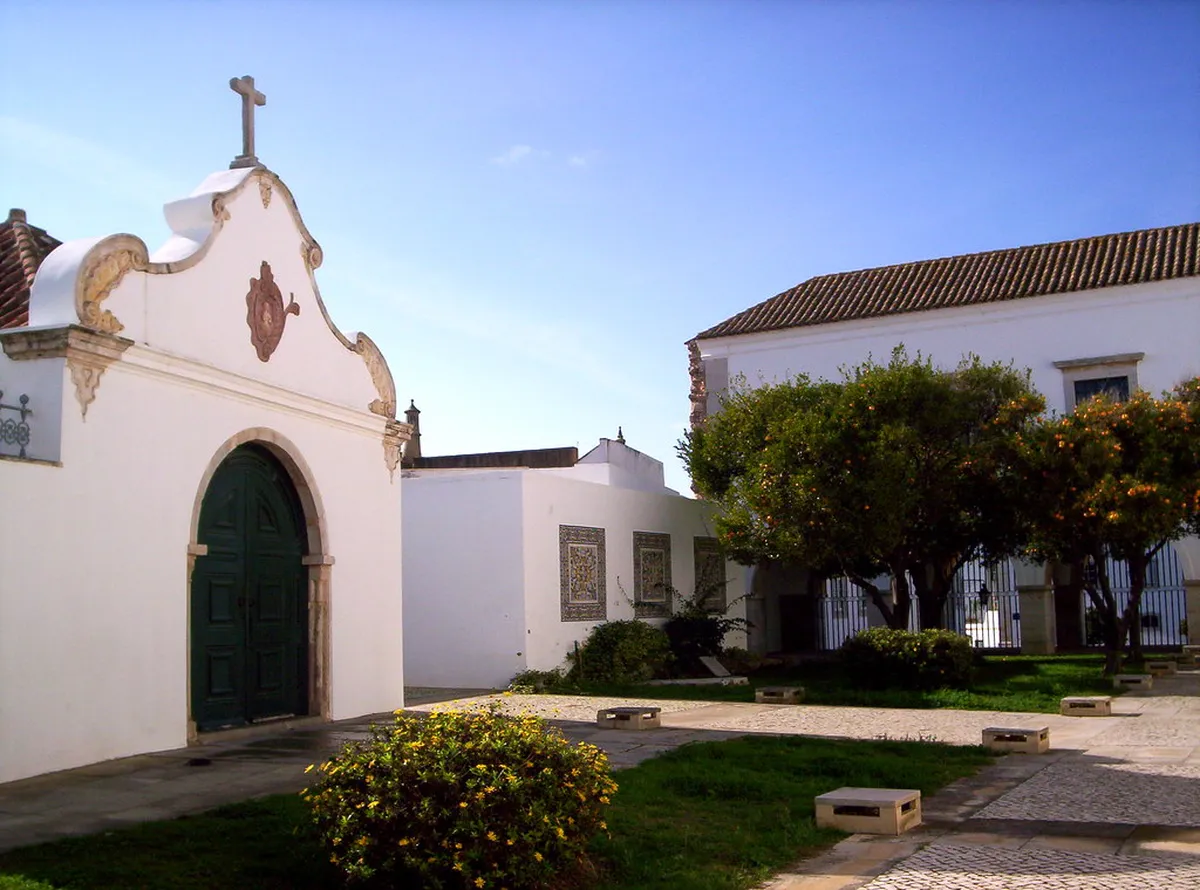
Faro Cathedral stands majestically in Largo da Sé. Its origins trace back to an ancient mosque. It beautifully combines Gothic, Renaissance, and Baroque styles. The interior is equally impressive with its gilded altars.
The Episcopal Palace (Paço Episcopal) is another highlight. It features impressive Baroque architecture. This grand building faces the cathedral. Its elegant design and serene courtyard are captivating.
Explore the ancient Faro city walls surrounding the Old Town. These walls reveal Roman and Moorish foundations. They offer glimpses into Faro's defensive past. Parts of the walls date back over a thousand years.
Don't miss the charming historic neighborhoods beyond the main square. Walk along Rua Conselheiro. Admire the well-preserved traditional houses there. Each street offers unique architectural insights.
Practical Tips for Architectural Exploration in 2026
Wear comfortable shoes for your architectural walks. Faro's cobbled streets are beautiful but can be uneven. Many architectural gems are best discovered on foot. Allow plenty of time for leisurely strolls.
Faro's cobbled streets in the Cidade Velha are uneven and can be slippery when wet. Flat, sturdy footwear is strongly recommended — heels or thin-soled shoes make the walk uncomfortable and increase the risk of a twisted ankle.
Visit during cooler months like spring or autumn. March to May or September to November is ideal. The mild weather makes exploring more pleasant. Summer months can be quite hot in Faro.
March to May and September to November are the sweet spots for architectural walks in Faro. Temperatures are mild, crowds are thinner than peak summer, and the soft light in those months makes azulejo tiles and whitewashed facades especially photogenic.
Consider a guided walking tour for deeper insights. Local guides offer fascinating historical context. They can point out hidden architectural details. Many tours start near the Faro Old Town in 2026.
Bring a good camera to capture the stunning details. The vibrant colors and textures are very photogenic. Focus on the azulejo tiles, balconies, and doorways. Look for unique patterns and compositions.
Check opening hours for specific buildings and museums. Some churches or museums have limited access. Always verify schedules before planning your visit. The Faro Municipal Museum offers great historical exhibits.
Preserving Faro's Unique Architectural Heritage
Local authorities actively work to protect Faro's heritage. Restoration projects ensure buildings retain their original charm. Strict regulations guide new constructions. This preserves the city's unique historic appeal.
Many private owners also contribute significantly. They carefully maintain their traditional homes and businesses. This dedication keeps the authentic architectural styles alive. Support local artisans who uphold traditional crafts.
Tourism plays a vital role in preservation funding. Visitors support the local economy and conservation efforts. Your visit helps maintain these beautiful historic sites. Explore responsibly and respectfully.
Educational programs raise awareness about this rich history. These initiatives teach about Faro's architectural evolution. Future generations learn to appreciate their cultural past. The city proudly embraces its architectural identity.
Frequently Asked Questions
What is the most distinctive feature of Traditional Faro architecture?
Whitewashed facades and vibrant azulejo tiles are signature elements. Look for ornate wrought-iron balconies as well. These features create Faro's unique visual appeal.
Where can I see the best examples of Faro's historic buildings?
The Cidade Velha (Old Town) offers prime examples. Explore around Faro Cathedral and the Episcopal Palace. Rua Conselheiro Bivar also features many charming structures.
Are there any specific tours focusing on Faro architecture?
Yes, many local walking tours highlight Faro's architecture. They often include the Old Town and its significant buildings. Check with tourist information centers for specific options in 2026.
How did the 1755 earthquake affect Faro's architectural styles?
The earthquake caused extensive damage to Faro. Many historic buildings were destroyed. The city's reconstruction led to new Baroque and Rococo styles. This shaped much of the city's current architecture.
Traditional Faro architecture offers a captivating journey. It beautifully blends centuries of diverse influences. From Moorish walls to Baroque churches, every building tells a story.
Explore the charming streets and discover hidden gems. Witness the unique beauty of azulejos and wrought-iron balconies. Plan your unforgettable trip to Faro in 2026. Immerse yourself in this city's timeless architectural splendor.
Key Takeaways
- Faro's architecture blends Moorish, Manueline, and Baroque styles.
- Look for distinctive azulejo tiles, whitewashed walls, and wrought-iron balconies.
- The Cidade Velha (Old Town) is the best area for architectural exploration.
- Visit in spring or autumn for comfortable temperatures for walking.
- Support local preservation efforts by exploring responsibly and respectfully.
Continue exploring Faro's historic quarter
 Discover Faro's Unique Architectural Styles in 2026December 12, 2025
 Moorish Influences on Faro Old Town Design in 2026December 11, 2025
- Traditional Faro Architecture: A Historic GuideDecember 10, 2025
 10 Tips for the Cheapest Time to Visit FaroJune 6, 2026
 Faro In Summer Travel Guide: Best Tips for 2026June 6, 2026