Discover Faro's Unique Architectural Styles in 2026
Table of Contents
Faro, Portugal’s charming capital of the Algarve, boasts a rich history. Its unique architectural styles tell stories of past eras. Exploring Faro’s historic buildings offers a fascinating journey. You will discover influences from various cultures here. This guide will help you uncover Faro’s stunning architectural diversity in 2026.
Moorish and Roman Foundations in Faro
Faro's history extends back to Roman times. Early settlements shaped its original urban layout. Remnants of these foundations still exist today. The ancient city walls themselves have Roman origins.
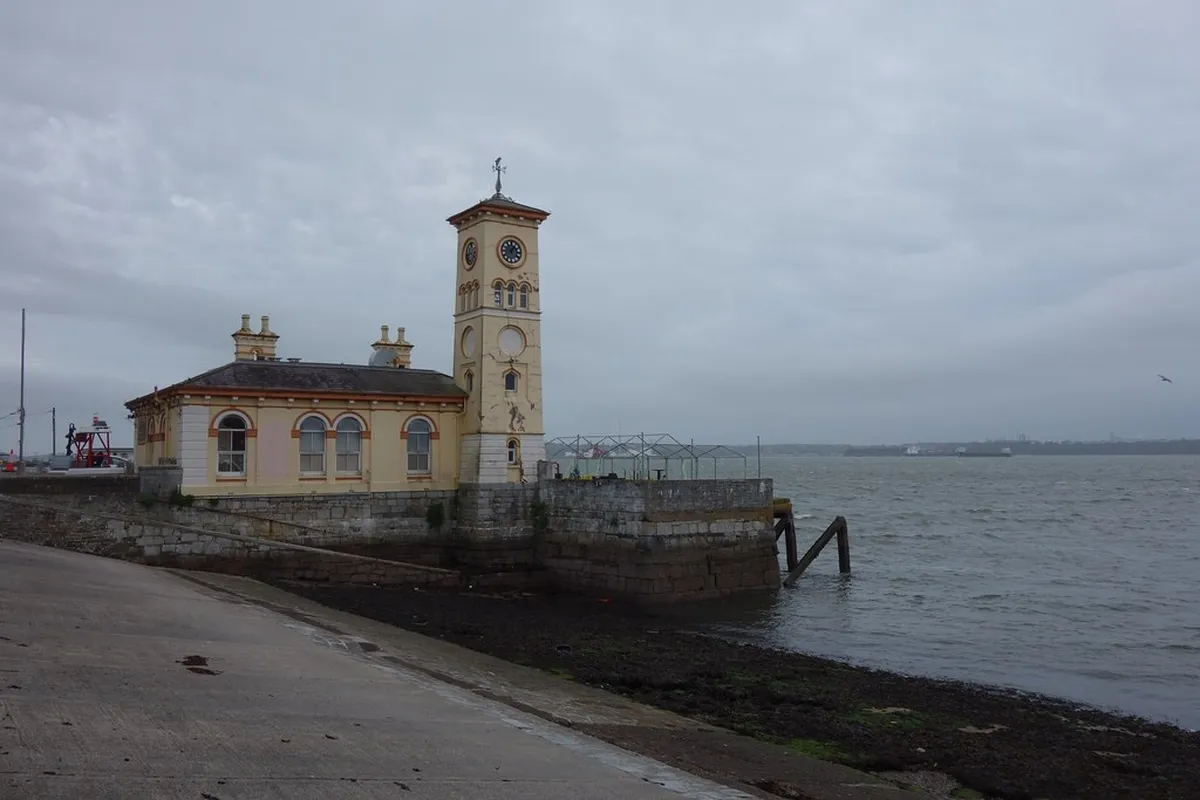
Moorish influences became prominent centuries later. They ruled the region for over 500 years. Their designs left a lasting mark on many structures. Look for subtle geometric patterns and courtyard layouts.
The Old Town, or Cidade Velha, shows these deep roots. Narrow streets and whitewashed houses reflect this heritage. You can trace these elements in the oldest parts. Understanding these roots helps appreciate Faro's unique architectural styles.
The Cidade Velha (Old Town) is the single best starting point for tracing Faro's layered history. The Arco da Vila gateway alone displays Roman, Moorish, and 19th-century Neoclassical details stacked within one structure — look for the Moorish horseshoe arch framed by a later Neoclassical surround.
Gothic and Manueline Grandeur in Faro
The Christian Reconquest brought new architectural trends. Gothic styles emerged in the city's religious buildings. Faro Cathedral showcases impressive Gothic elements. Its sturdy stone structure reflects medieval craftsmanship.
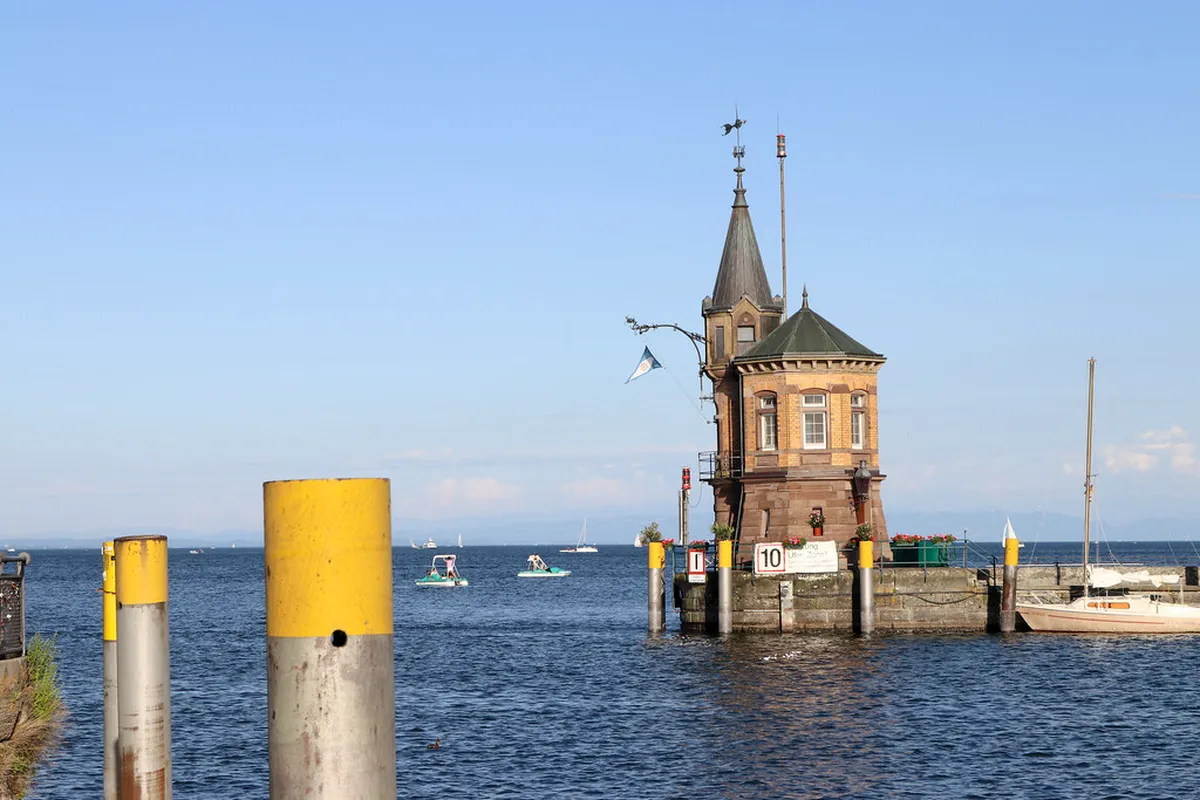
Portugal developed its own unique style, the Manueline. This ornate style flourished in the 16th century. It combines Gothic, Renaissance, and maritime themes. Look for intricate carvings of nautical symbols and exotic flora.
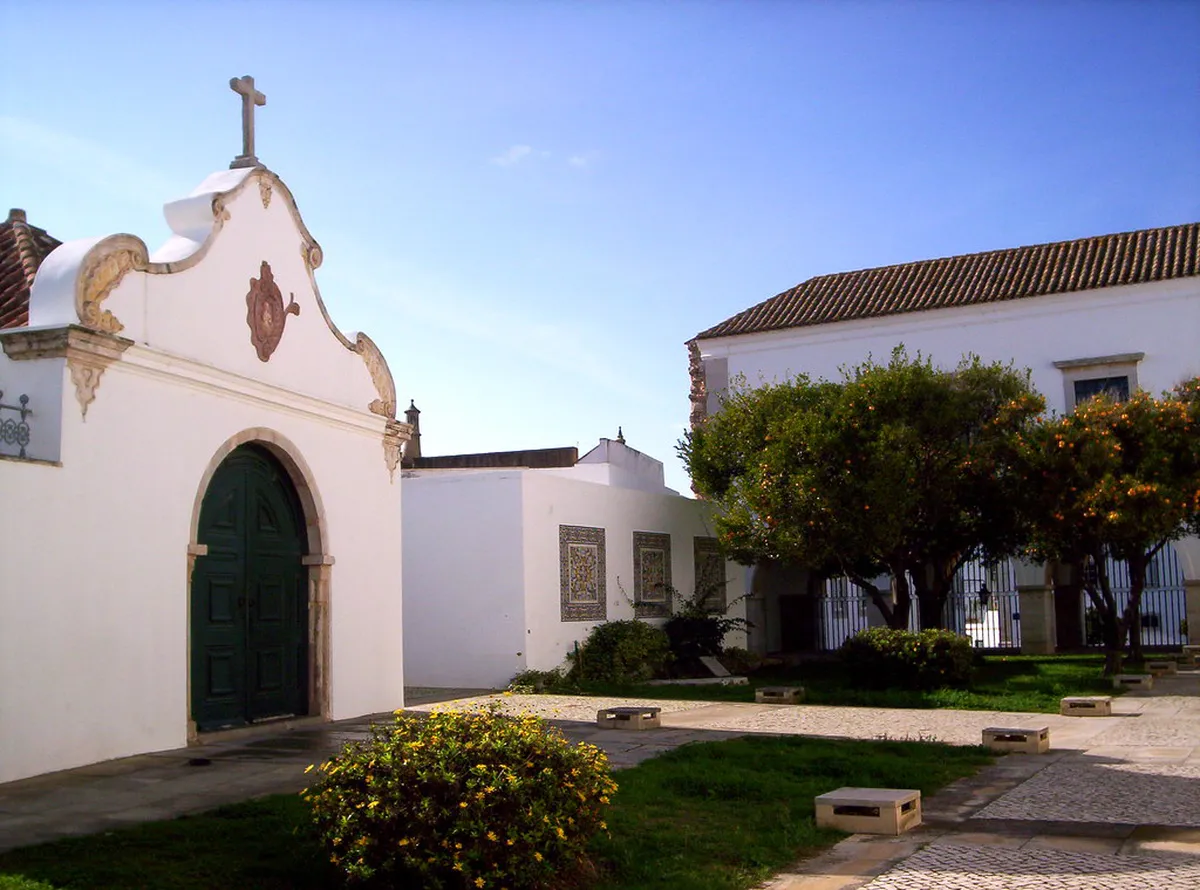
Notable Manueline details can be seen at Largo da Sé. The Bishop's Palace features beautiful doorways. These elements highlight Portugal's Age of Discoveries. They add distinct character to Faro's historic buildings.
Baroque and Neoclassical Elegance
The 18th century brought the rise of Baroque architecture. This style emphasizes drama, grandeur, and elaborate ornamentation. Churches across Faro adopted these opulent designs. Gold leaf and intricate altarpieces became common.
The devastating 1755 earthquake reshaped much of Faro. Many buildings required reconstruction. Neoclassical styles then gained popularity. They favored simpler lines and classical proportions.
You can see these influences in city squares and public buildings. They reflect a period of rebuilding and renewal. These styles contribute significantly to Faro's diverse look. They stand as a testament to the city's resilience.
| Architectural Style | Period | Key Influence | Where to See It in Faro |
|---|---|---|---|
| Roman & Moorish | Pre-8th century – 13th century | Geometric patterns, courtyard layouts, city walls | Cidade Velha, ancient city walls |
| Gothic | 13th – 15th century | Sturdy stone, pointed arches, medieval craftsmanship | Faro Cathedral (Largo da Sé) |
| Manueline | 16th century | Nautical carvings, exotic flora, maritime motifs | Bishop's Palace doorways, Largo da Sé |
| Baroque | 18th century | Drama, gold leaf, elaborate altarpieces | Churches across Faro |
| Neoclassical | Post-1755 rebuilding | Simpler lines, classical proportions | City squares and public buildings |
Traditional Whitewashed Houses and Azulejos
Beyond grand monuments, Faro's residential areas charm visitors. Traditional houses feature striking whitewashed facades. This practice keeps homes cool in hot Algarve summers. Bright trim around windows adds colorful accents.
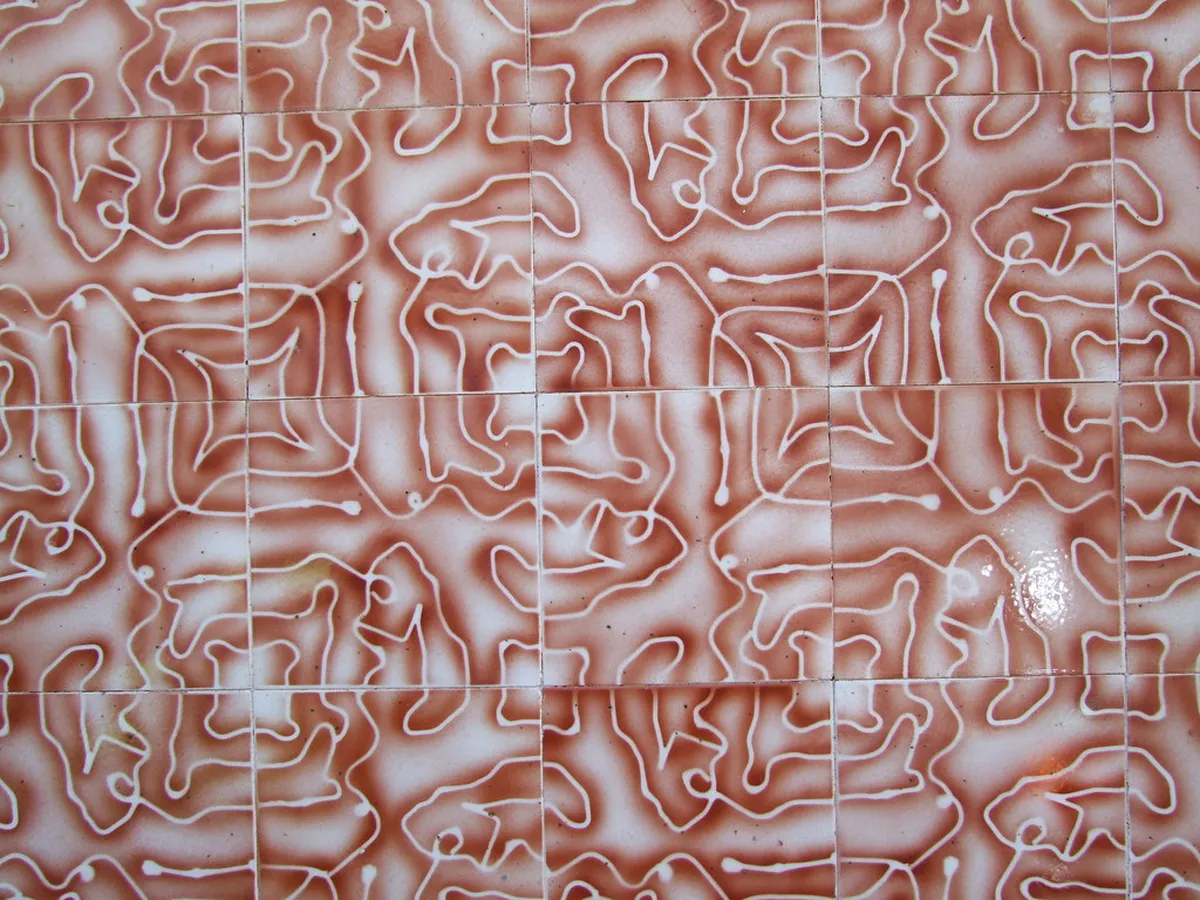
Azulejos, or decorative tiles, are another iconic feature. These colorful ceramic tiles adorn many buildings. They depict scenes, patterns, or simple geometric designs. You will find them on house fronts and public spaces.
These elements create a distinct local aesthetic. They are often found in the historic quarters. Wander through the streets to admire them closely. This truly defines traditional Faro architecture.
Faro's historic streets and monuments see peak crowds from June through August. Visiting Largo da Sé and the Cidade Velha early morning (before 9 am) or in the evening gives you quieter streets and better light for photographing the azulejo facades and Cathedral.
Frequently Asked Questions
What are the main architectural periods found in Faro's historic buildings?
Faro's historic buildings showcase several key periods. You'll find influences from Roman and Moorish times. Later styles include Gothic, Manueline, Baroque, and Neoclassical designs. Each period added distinct elements to the city's unique charm.
Where can I see the best examples of Faro's unique architectural styles?
The Cidade Velha (Old Town) is the best starting point. Explore Largo da Sé for the Cathedral and Bishop's Palace. Wander through the narrow streets to find traditional whitewashed houses. The Arco da Vila also displays various architectural phases.
Are there walking tours focused on Faro's architecture in 2026?
Yes, many operators offer tours in 2026. You can enjoy self-guided walks or join a guided experience. Several local companies offer specialized Faro walking tours. These guides provide deeper insights into the city's heritage and architectural treasures.
Faro's historic buildings offer a captivating architectural journey. From ancient Roman foundations to Baroque splendor, each style tells a story. Take your time to explore the city's diverse structures. Discover the beauty of its unique architectural styles. Plan your visit to Faro in 2026 and admire these timeless designs.
Key Takeaways
- Faro combines Roman, Moorish, Gothic, Manueline, and Baroque styles.
- The Cidade Velha is a prime spot for architectural exploration.
- Look for whitewashed facades and intricate azulejo tiles.
Continue exploring Faro's historic quarter
- Discover Faro's Unique Architectural Styles in 2026December 12, 2025
 Moorish Influences on Faro Old Town Design in 2026December 11, 2025
 Traditional Faro Architecture: A Historic GuideDecember 10, 2025
 10 Tips for the Cheapest Time to Visit FaroJune 6, 2026
 Faro In Summer Travel Guide: Best Tips for 2026June 6, 2026