Moorish Influences on Faro Old Town Design in 2026
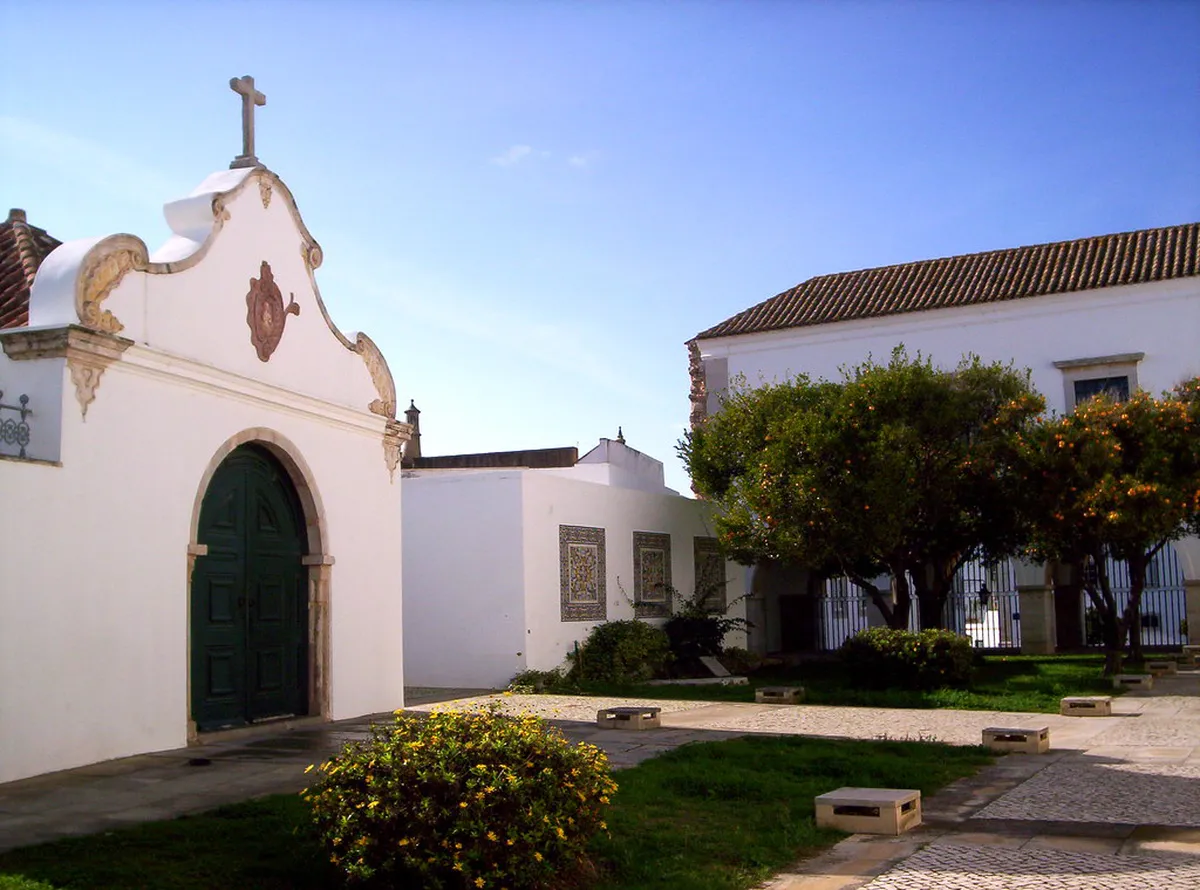
Table of Contents
Faro Old Town, known as Cidade Velha, captivates visitors. Its charming streets reveal centuries of history. A significant part of this heritage is its Moorish past. Understanding these Moorish influences on Faro Old Town design enriches your visit.
This guide highlights the enduring legacy in 2026. You will discover unique architectural elements. These reflect a vibrant period of Islamic rule. Prepare to see Faro through a new lens.
For a complete exploration of this historic area, consider starting with our Faro Old Town guide. It offers essential tips for your journey.
A Legacy of Moorish Design in Faro Old Town
Faro, once known as Ossónoba, flourished under Moorish rule. This period lasted from the 8th to the 13th centuries. The city became a vital port and cultural center. This rich history is still visible today.
The Moors brought advanced building techniques. They also introduced distinct aesthetic preferences. These influences shaped the initial urban fabric. They created a unique architectural identity.
Even after the Christian Reconquista, elements persisted. Subsequent renovations often incorporated these styles. The essence of Moorish influences on Faro Old Town design remains. It tells a story of cultural fusion.
Key Architectural Features: Moorish Inspirations
Look closely at Faro Old Town's architecture. You will notice several distinctive traits. Whitewashed walls are a common sight. This technique reflects traditional Arabic building practices. It helps keep interiors cool in warm climates.
Courtyards and patios are another hallmark. These private spaces offer shade and tranquility. They often feature intricate tilework and fountains. This design element provides a peaceful escape from public life.
Geometric patterns adorn many older buildings. These decorative motifs are characteristic of Islamic art. They emphasize harmony and repetition. You can find them in ironwork and façade details. Discover more about traditional Faro architecture throughout the city.
Beyond the Walls: Public Spaces and Influence
The layout of Faro Old Town itself shows Moorish roots. Narrow, winding streets characterize the area. This labyrinthine structure was common in Islamic cities. It provided shade and defense.
The city's ancient walls, though largely Roman, were reinforced by the Moors. These defenses protected the city for centuries. Access points like Arco da Vila hint at past gates. They once controlled entry into the walled city.
Even the local gardens often reflect Moorish principles. They prioritize water features and aromatic plants. These green spaces offer a sensory experience. They are perfect for quiet reflection in 2026.
Experiencing Faro's Moorish Past Today
To truly appreciate these influences, take a leisurely stroll. Start near the Arco da Vila, an impressive entrance. Wander through the cobbled lanes of Cidade Velha. Pay attention to small details.
Visit the Faro Cathedral, originally a mosque site. Its foundations and some walls show older structures. The Bishop's Palace also holds historical clues. These sites are remnants of a complex past.
Many local shops sell artisanal goods. You might find ceramics or textiles with geometric patterns. These items echo traditional Moorish designs. They offer a tangible connection to history.
Planning Your Visit to Faro's Historic Design
Faro Old Town is best explored on foot. Allow at least half a day for your visit. Comfortable shoes are highly recommended. Many streets are uneven cobblestones.
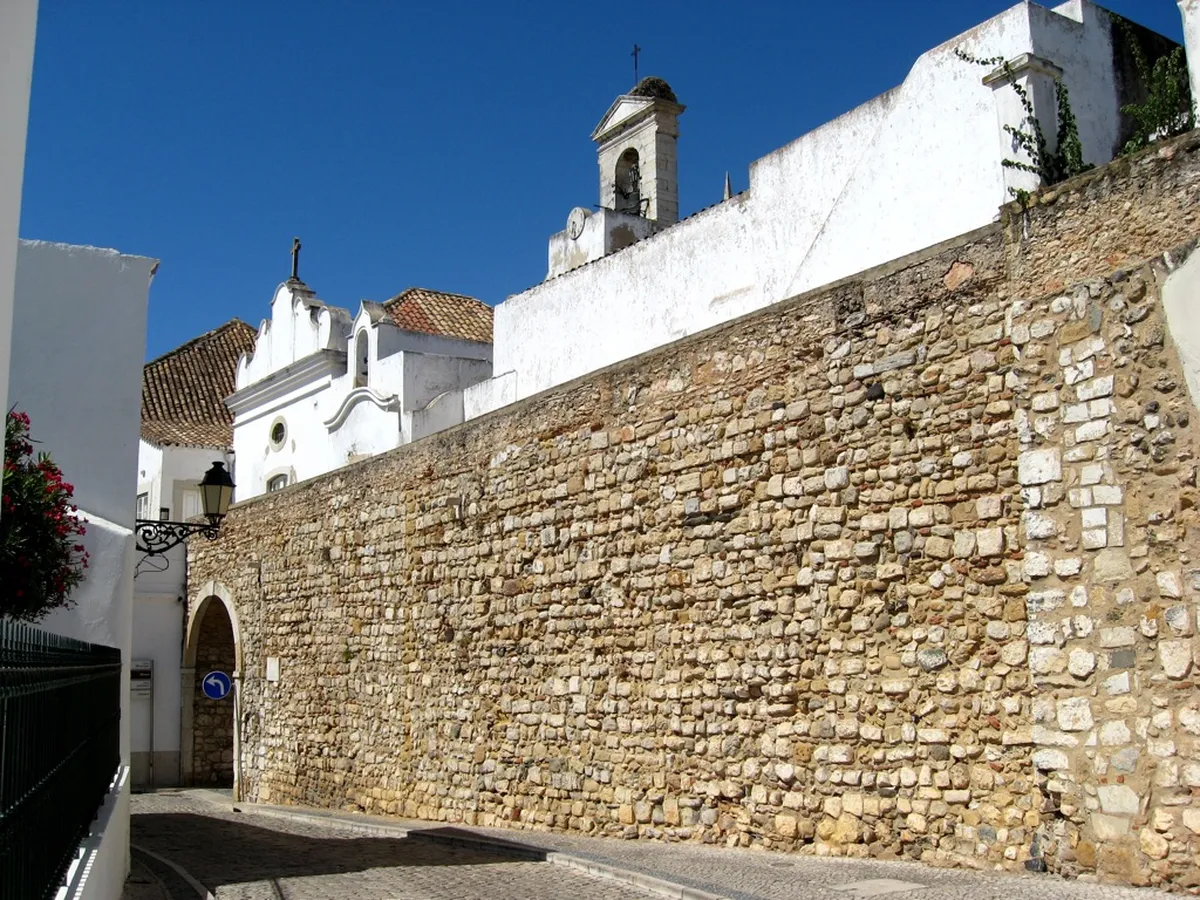
Cidade Velha's streets are mostly uneven cobblestones — avoid sandals or heels. Flat, closed-toe shoes will make the walk significantly more comfortable, especially near the cathedral and the old city walls.
Consider visiting during the spring or fall. The weather is milder then. Fewer crowds make for a more relaxed experience. Check specific opening hours for museums and historical sites.
Spring and autumn are the best seasons to visit Faro Old Town — milder temperatures and smaller crowds let you linger in the courtyards and narrow lanes without the summer rush.
Many local guides offer walking tours. They can point out subtle Moorish elements. This expert insight enriches your understanding. A guided tour provides deeper historical context. Learn more about Cidade Velha's history before you arrive.
Frequently Asked Questions
What are the main signs of Moorish influence in Faro Old Town architecture?
You will often see whitewashed walls and charming inner courtyards. Geometric tile patterns are also quite common. Narrow, winding streets reflect ancient urban planning. These features create a distinct visual identity.
When did the Moors occupy Faro, and how long did it last?
The Moors, from North Africa, arrived in the 8th century. They ruled Faro for over 500 years. Their presence ended with the Christian Reconquista in 1249. This long period significantly shaped the city.
Can I find any original Moorish buildings still standing in Faro Old Town?
Fully original Moorish buildings are rare due to subsequent renovations. However, their foundations and integrated elements persist. The city walls and cathedral site offer some of the oldest traces. Many design principles were also preserved.
Faro Old Town stands as a testament to its layered history. The Moorish influences on Faro Old Town design are undeniable. They add a unique charm to this Portuguese city. Explore these historical layers yourself.
Walk the ancient streets and observe the architectural details. This journey connects you to centuries of heritage. Plan your immersive visit to Faro in 2026. Discover its rich cultural tapestry firsthand.
Key Takeaways
- Look for whitewashed walls, courtyards, and geometric patterns in Faro Old Town.
- The city's narrow, winding streets also reflect ancient Moorish urban planning.
- Consider a guided tour to gain deeper insights into Faro's rich Islamic heritage.
Continue exploring Faro's historic quarter
 Discover Faro's Unique Architectural Styles in 2026December 12, 2025
- Moorish Influences on Faro Old Town Design in 2026December 11, 2025
 Traditional Faro Architecture: A Historic GuideDecember 10, 2025
 10 Tips for the Cheapest Time to Visit FaroJune 6, 2026
 Faro In Summer Travel Guide: Best Tips for 2026June 6, 2026